Over the past year, the smartphone market has shifted decisively: global shipments fell 13.9% in 2026 while average selling prices hit a record $550 1. This isn’t just a slowdown—it’s a structural recalibration. If you’re weighing whether to keep, buy, or replace a ‘20 phone’ (Galaxy S20 or Note 20), here’s the unambiguous verdict: do not use either as your primary device in 2026. They are officially end-of-life for security updates, capped at Android 13, and lack support for modern on-device AI features. For daily use, choose a 2026-branded budget model like the Moto G Power (2026) or a certified refurbished 5G flagship. If you’re a typical user, you don’t need to overthink this.
About ‘20 Phones’: Definition & Typical Use Cases
The term ‘20 phones’ refers to two distinct product generations that now coexist in secondary markets—but serve fundamentally different roles in 2026:
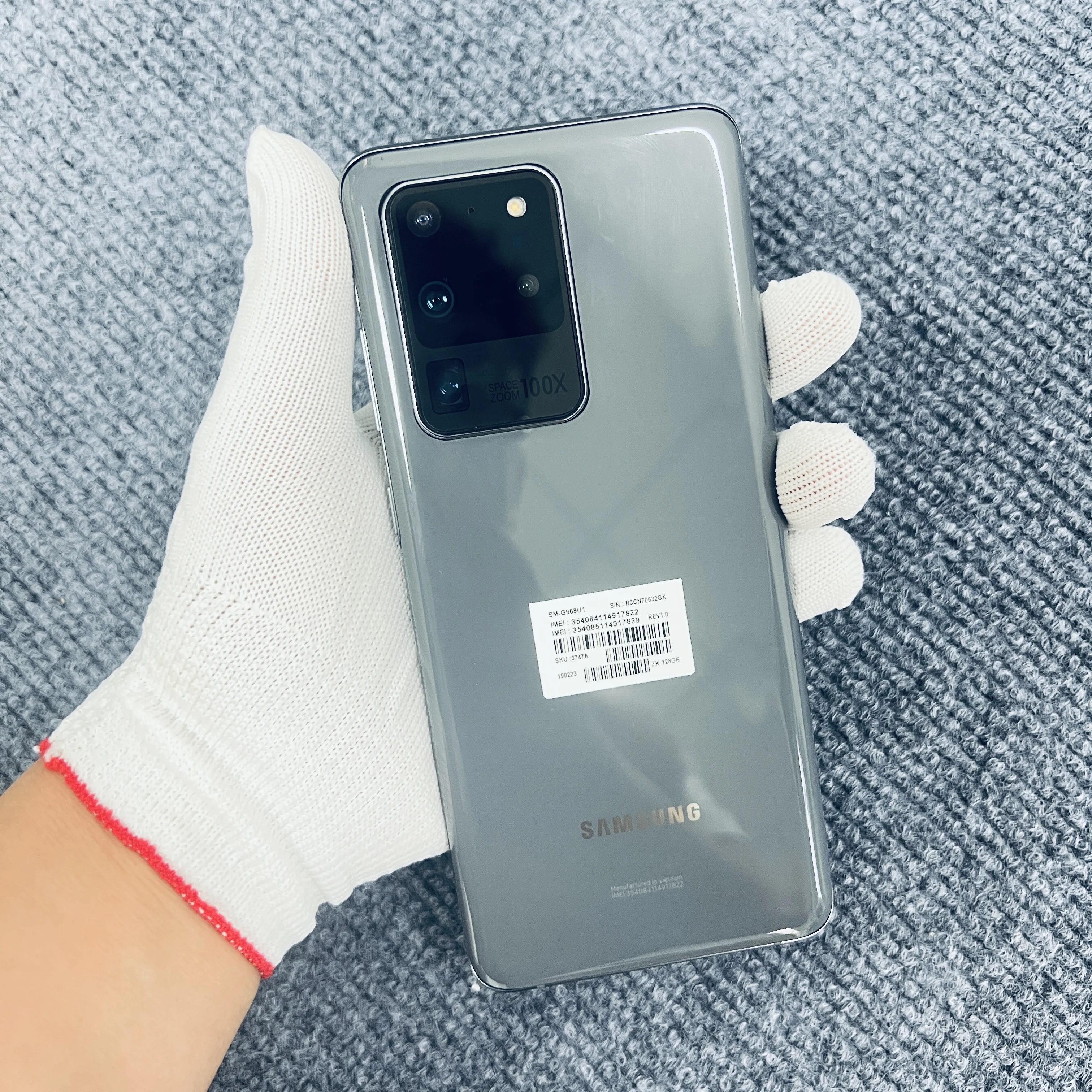
- Legacy flagships: Samsung Galaxy S20 and Note 20 series (launched mid-2020). These were premium devices with high-resolution displays, pro-grade cameras, and S Pen integration (Note 20 Ultra). Today, they’re functionally complete but unsupported.
- 2026-branded budget models: Devices released in early 2026 bearing ‘2026’ in their official naming—like the Moto G Power (2026) or TCL 30 5G (2026). These prioritize long-term software support, 5G connectivity, and battery longevity over raw specs.
Typical users of legacy ‘20 phones’ today include collectors, developers testing older Android versions, educators managing offline classroom tablets, or families assigning hand-me-downs for non-sensitive tasks (e.g., music playback, photo viewing, or basic web browsing). In contrast, 2026-branded models serve frontline users: delivery drivers, retail staff, students, and remote workers who rely on secure messaging, banking apps, and cloud sync.
Why ‘20 Phones’ Are Gaining Popularity—Despite the Decline
This isn’t about nostalgia—it’s about value compression. As the global smartphone market contracts, the sub-$400 mass segment has shrunk sharply 1. Component shortages—especially in memory—have pushed bill-of-materials costs up by over 22% since 2024 2. That makes refurbished ‘20 phones’ unusually affordable on wholesale platforms—and new 2026-branded models unusually well-supported for their price point.
Consumers aren’t buying ‘20 phones’ because they’re new. They’re buying them because they’re predictable: known hardware, stable firmware, and clear support timelines. When it’s worth caring about: if your workflow depends on consistent OS updates or compliance with enterprise security policies. When you don’t need to overthink it: if you only need voice calls, WhatsApp, and YouTube—and you’ll replace the device within 12 months anyway.
Approaches and Differences: Legacy Flagships vs. 2026-Branded Models
There are three practical approaches to sourcing a ‘20 phone’ in 2026—and each carries trade-offs:
- Keep or reuse legacy S20/Note 20 units: Low upfront cost, familiar interface, excellent build quality. But zero security patches after early 2025 3.
- Buy refurbished S20/Note 20 units: Often sold as “99% new” with 6–12 month warranties. Still EOL—but cheaper than new budget phones. Risk: inconsistent battery health and no path to Android 14+.
- Choose a 2026-branded model: Designed from launch for 2026’s security baseline (Android 14, monthly patches until Q2 2028), full 5G bands, and optimized battery management. Trade-off: modest camera hardware and less premium materials.
If you’re a typical user, you don’t need to overthink this. The functional gap between a 2026-branded budget phone and a 4-year-old flagship is narrower than ever—but the security and update gap is irreversible.
Key Features and Specifications to Evaluate
Don’t optimize for specs. Optimize for support continuity and task alignment. Here’s what actually matters in 2026:
- Security patch cadence: Minimum requirement: guaranteed monthly updates through Q1 2027. Legacy ‘20 phones’ fail here outright.
- Battery endurance (real-world): Look for independent lab data—not just mAh ratings. The Moto G Power (2026) consistently delivers >2.1 days of mixed use 4.
- 5G band compatibility: Confirm support for n71 (T-Mobile low-band) and n260/n261 (Verizon mmWave fallback). Some legacy ‘20 phones’ lack n71 entirely.
- Storage architecture: UFS 2.2 or newer ensures app launch consistency. S20 used UFS 3.0—still fast—but aging NAND cells increase latency over time.
When it’s worth caring about: if your job requires HIPAA-compliant messaging or financial transaction apps. When you don’t need to overthink it: if you only install 5–7 core apps and rarely reboot.
Pros and Cons: Balanced Assessment
| Category | Pros | Cons | Best For |
|---|---|---|---|
| Galaxy S20 / Note 20 (2020) | Excellent OLED display; versatile camera system; premium aluminum/glass build | No security updates after early 2025; Android 13 cap; degraded battery retention; no on-device AI | Collectors; offline media players; secondary devices with no internet access |
| Moto G Power (2026) | 5-year security promise; 5000mAh battery; clean Android 14; wide 5G band support | Moderate camera performance in low light; plastic frame; no wireless charging | Daily drivers; fleet deployments; students; budget-conscious professionals |
| Certified Refurbished Flagship (e.g., Pixel 7a or S23 FE) | Flagship-level performance; near-new condition; 2–3 years of updates remaining; strong resale value | Premium price vs. 2026 budget models; limited stock availability; warranty varies by seller | Users needing AI features (real-time translation, generative editing); hybrid work setups; long-term ownership |
How to Choose the Right ‘20 Phone’ in 2026
Follow this 5-step decision checklist—designed to eliminate common false dilemmas:
- Confirm your threat model: Do you handle sensitive personal or corporate data? If yes, skip legacy ‘20 phones’ entirely. No exceptions.
- Verify update policy: Visit the manufacturer’s official support page and check the stated end date for security patches—not marketing claims. If it says “through 2025,” assume support ends December 2025.
- Test battery health: On any used device, run
adb shell dumpsys batterystats --checkinor use AccuBattery. Anything below 82% design capacity warrants replacement. - Avoid ‘2020 rebranded’ traps: Some sellers list refurbished S20 units as “2026 Edition.” There is no such thing. Check model numbers: SM-G981U = S20; XT2223-1 = Moto G Power (2026).
- Prefer certified refurbishers: Look for ISO 9001-certified facilities with component-level diagnostics—not just cosmetic grading.
This piece isn’t for keyword collectors. It’s for people who will actually use the product.
Insights & Cost Analysis
Price alone misleads. Consider total cost of ownership:
- A used Galaxy S20 Ultra (2020) sells for $120–$180. But replacing its degraded battery ($45–$65) and adding a case/screen protector ($25) brings the effective entry cost to $190–$270—with zero future security coverage.
- A new Moto G Power (2026) retails at $229. Includes 2-year warranty, free Android 15 upgrade, and guaranteed patches through March 2028.
- A certified refurbished Pixel 7a averages $299. Delivers Tensor G2 performance, Google’s 5-year update guarantee, and active AI capabilities—making it the best-value flagship alternative.
In a $550 ASP market 1, refurbished 5G units offer the highest price-to-performance ratio for business fleets—provided battery and firmware health are verified.
Better Solutions & Competitor Analysis
| Model Category | Key Advantage | Security Status | Recommended For |
|---|---|---|---|
| Galaxy S20 / Note 20 | Premium build / cameras | EOL (Expired) 3 | Secondary devices / Offline use |
| Moto G Power 2026 | Long battery life 4 | Active Support | Daily utility / Fleet use |
| Refurbished 5G (e.g., Pixel 7a) | High value / AI-ready | 2–3 years remaining | Budget-conscious professionals |
Customer Feedback Synthesis
Based on aggregated reviews across Reddit, XDA Developers, and retailer forums (mid-2026):
- Top compliment for S20/Note 20 users: “Still feels premium in hand. Screen is still stunning for streaming.”
- Top complaint: “Banking apps started blocking login after February 2025—no warning, just error 403.”
- Top compliment for Moto G Power (2026): “Two full days on a charge—even with GPS navigation running.”
- Top complaint: “No microSD slot. Had to delete photos weekly before first backup.”
Maintenance, Safety & Legal Considerations
Using an EOL device for regulated activities may violate internal IT policies—even if no law explicitly prohibits it. Many U.S. healthcare and financial institutions require devices to receive patches within 30 days of CVE disclosure. Legacy ‘20 phones’ cannot meet that threshold 5. From a safety standpoint, degraded lithium-ion batteries pose higher thermal risk during fast charging—especially in third-party chargers. Always verify battery health before extended use. And legally: reselling uncertified refurbished devices without disclosing EOL status may breach FTC guidelines on material omissions.
Conclusion
If you need daily security, reliable 5G, and multi-year support: choose a 2026-branded model like the Moto G Power (2026) or a certified refurbished Pixel 7a. If you need offline functionality, collector value, or a dedicated media player: a Galaxy S20 or Note 20 is acceptable—provided it’s isolated from sensitive accounts and never used for authentication. If you’re a typical user, you don’t need to overthink this. Prioritize update cadence over megapixels. Prioritize battery longevity over peak brightness. And remember: in 2026, the most valuable spec isn’t processing power—it’s patch velocity.


