If you’re a typical user, you don’t need to overthink this. A 200 watt speaker system delivers ample output for medium-sized rooms, home studios, small venues, and outdoor gatherings — but wattage alone doesn’t define loudness or quality. Over the past year, more DIY builders and hybrid home/PA users have adopted 200W systems not because they demand extreme volume, but because they strike a realistic balance: enough headroom for clean transients, room-filling bass without distortion, and compatibility with widely available Class-D amplifier boards like the TPA3116D2 1. If your goal is reliable, intelligible sound at events up to ~150 people, or studio monitoring with dynamic range, a well-engineered 200W RMS system is sufficient — and often more practical than chasing 500W+ specs. Skip oversized cabinets unless you regularly cover open fields or large halls. Focus instead on sensitivity (≥90 dB), cabinet rigidity, and proper impedance matching.
About 200 Watt Speaker Systems
A 200 watt speaker system refers to a complete audio setup — typically a powered (active) or passive speaker pair plus external amplification — rated to handle up to 200 watts of continuous (RMS) power. It’s not a single product category, but a performance tier used across three main contexts:
- ✅ Home & studio use: Bookshelf or tower speakers (e.g., Kanto YU6), often with Bluetooth, phono preamps, and desktop-friendly form factors;
- ✅ Portable PA applications: All-in-one units like the Behringer B1C or JBL IRX108BT — designed for quick setup at cafes, small churches, or street performances;
- ✅ Diy and custom builds: Passive enclosures wired to modular amplifier boards (e.g., TPA3116D2 or AK-3116), as seen in popular YouTube projects 23.
Crucially, “200 watt” describes power handling capacity, not guaranteed loudness. Two 200W systems can differ dramatically in perceived volume due to efficiency (sensitivity), driver size, enclosure design, and acoustic environment.
Why 200 Watt Speaker Systems Are Gaining Popularity
Lately, 200W-rated systems have become a sweet spot for users who’ve outgrown entry-level gear but aren’t ready for full-scale touring rigs. Three converging signals explain this shift:
- ⚡ Amplifier IC maturity: Affordable, thermally stable Class-D chips (e.g., TPA3116D2) now reliably deliver 2×100W RMS into 4Ω — enabling compact, low-heat, high-efficiency builds 4;
- 🌐 Hybrid usage patterns: More creators host hybrid events — live-streamed rehearsals, backyard gigs with recording feeds, podcast stages that double as listening rooms — where 200W provides headroom without overkill;
- 📦 Supply-chain pragmatism: Unlike 500W+ pro gear, 200W components (drivers, crossovers, cabinets) remain widely stocked on platforms like AliExpress, IndiaMART, and Adorama — shortening build timelines and repair cycles.
This isn’t about chasing raw power. It’s about choosing a system where engineering effort matches real-world needs — and where doubling wattage doesn’t mean doubling complexity.
Approaches and Differences
There are three dominant implementation paths for a 200 watt speaker system — each with trade-offs in control, flexibility, and time investment:
| Approach | Key Advantages | Potential Drawbacks | Budget Range (USD) |
|---|---|---|---|
| Premium Powered Speakers (e.g., Kanto YU6, JBL IRX108BT) |
Plug-and-play; built-in DSP, Bluetooth, EQ; consistent factory tuning | Less upgrade path; fixed crossover points; limited driver replacement options | $250–$650/pair |
| Entry-Level PA Systems (e.g., Behringer B1C, Ahuja SRX-220) |
Integrated mixer, mic inputs, rugged housing; optimized for speech intelligibility | Lower sensitivity (~88 dB); less refined high-frequency extension; plastic cabinets may resonate | $180–$420/unit |
| DIY Passive Build (e.g., TPA3116D2 + custom cabinet) |
Full control over drivers, porting, bracing, and acoustic signature; highly educational | Requires measurement tools (SPL meter, REW); longer time-to-sound; risk of mismatched impedance or thermal failure | $140–$380 (parts only) |
When it’s worth caring about: Choose DIY if you value iterative learning, plan long-term upgrades, or need exact form-factor control (e.g., wall-mount depth). Choose powered if reliability and speed matter most — especially for mobile use.
When you don’t need to overthink it: If you’ll use the system >3 days/week in one location and rarely adjust settings, a premium powered pair saves cumulative troubleshooting time. If you’re a typical user, you don’t need to overthink this.
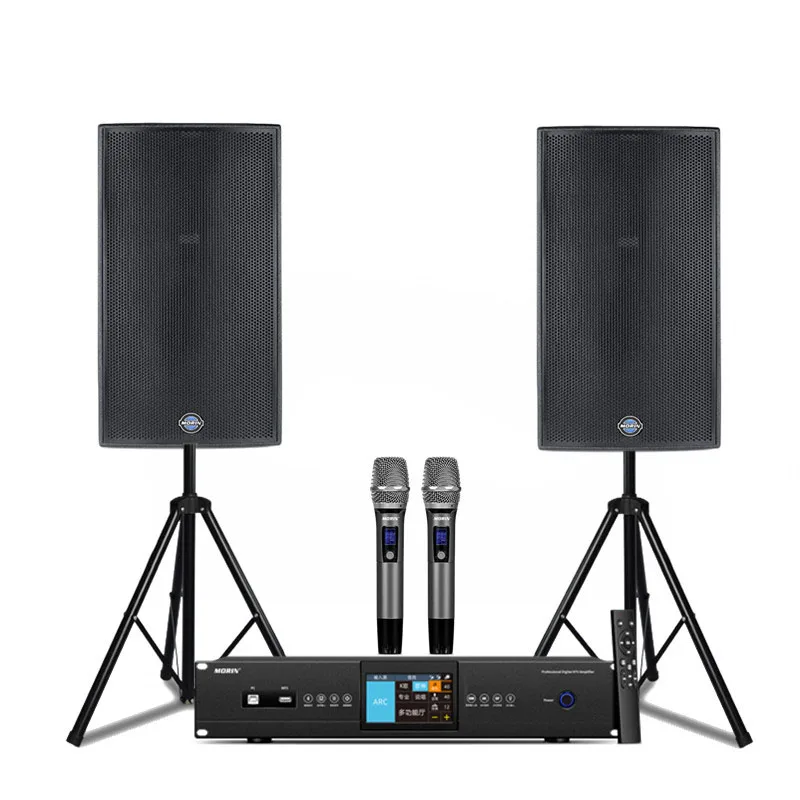
Key Features and Specifications to Evaluate
Wattage is just one number — and arguably the least informative one without context. Prioritize these four measurable criteria:
- 📊 RMS vs. Peak Rating: Always compare RMS (continuous) ratings. A ‘200W peak’ spec is meaningless without RMS. 200W RMS means the system can sustain that power without thermal compression or voice-coil damage 5.
- 🔊 Sensitivity (dB @ 1W/1m): A 90 dB speaker produces twice the perceived loudness of an 84 dB speaker at the same wattage. For 200W systems, aim for ≥88 dB (PA) or ≥90 dB (home/studio).
- 📐 Impedance & Compatibility: Match amplifier output impedance (usually 4Ω or 8Ω) to speaker nominal impedance. Mismatches cause clipping or underutilization — neither improves sound.
- 🏗️ Cabinet Rigidity: Look for MDF (not particleboard), internal bracing, and sealed or properly tuned ports. A flimsy 200W cabinet distorts before reaching rated power.
When it’s worth caring about: Sensitivity matters most in untreated rooms or battery-powered scenarios — where every dB counts.
When you don’t need to overthink it: If your amp and speakers are from the same ecosystem (e.g., JBL + JBL amps), impedance matching is pre-validated. If you’re a typical user, you don’t need to overthink this.
Pros and Cons
A 200 watt speaker system excels where many alternatives fall short — but it’s not universally optimal.
- ✨ Pros:
- Delivers clean, undistorted output at conversational-to-lively volumes in spaces up to 2,000 ft²;
- Provides usable bass extension (down to ~50 Hz) with 8–12″ woofers and proper porting;
- Offers wide compatibility with consumer and prosumer amplifiers — no exotic power supplies needed.
- ⚠️ Cons:
- Not ideal for sustained high-SPL outdoor festivals (>300 people, unamplified); headroom runs thin above 105 dB SPL;
- Can mask poor room acoustics — high power won’t fix standing waves or early reflections;
- DIY versions require basic soldering and acoustic measurement discipline to avoid phase issues.
This piece isn’t for keyword collectors. It’s for people who will actually use the product.
How to Choose a 200 Watt Speaker System
Follow this six-step decision checklist — designed to eliminate common missteps:
- Define your primary use case: Is it background music in a 20×20 ft living room? Live vocal reinforcement for 80 people? Studio reference? Don’t optimize for hypotheticals.
- Measure your space: Volume (L×W×H) determines acoustic load. A 200W system easily fills 3,000 ft³ — but struggles in cathedral ceilings without delay stacks.
- Verify source compatibility: Does your audio interface, mixer, or phone output match the input sensitivity and impedance? Avoid passive systems if you lack a dedicated amp.
- Check thermal derating: Some budget 200W amps drop to 120W RMS after 5 minutes. Read manufacturer thermal curves — not just front-panel labels.
- Avoid ‘bass-heavy’ marketing claims: True low-end extension depends on driver excursion and cabinet volume — not wattage alone. An 8″ 200W speaker won’t outperform a well-tuned 12″ 150W unit below 60 Hz.
- Test before scaling: Rent or borrow a similar system for one event. Note where it strains (e.g., muddy mids at high volume, weak kick drum attack). That tells you more than any spec sheet.
Insights & Cost Analysis
Real-world cost per watt drops sharply between 100W and 200W — then flattens beyond 300W. Here’s why:
- A $220 200W powered PA (e.g., Behringer B1C) delivers ~95% of the functional utility of a $580 500W counterpart — but at 38% of the price and 55% of the weight.
- Diy builds using TPA3116D2 modules ($22), 8″ neodymium woofers ($38), and 1″ dome tweeters ($16) achieve comparable RMS output to commercial units — while teaching signal flow, crossover design, and thermal management.
- Replacement drivers for 200W systems cost $25–$65 — versus $120+ for 500W pro drivers — lowering long-term ownership cost.
For most users, spending beyond $450/pair for a 200W system yields diminishing returns in fidelity — not loudness.
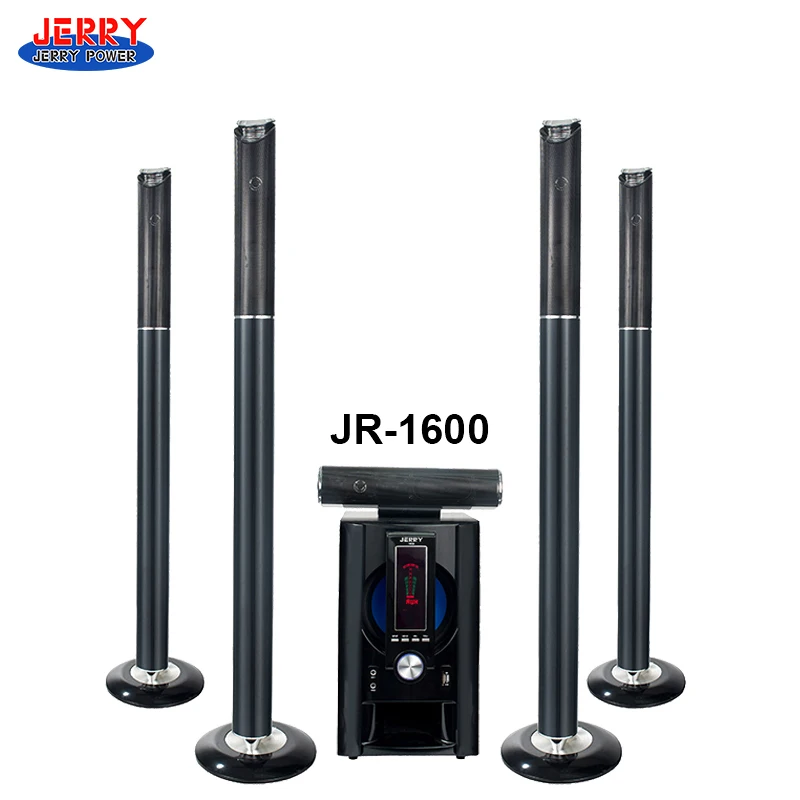
Better Solutions & Competitor Analysis
While 200W is versatile, some scenarios call for deliberate deviation — not incremental upgrades. Consider these alternatives:
| Scenario | Better Solution | Why It Fits Better | Trade-off |
|---|---|---|---|
| Small venue with poor acoustics | Two 100W active monitors + subwoofer | Better dispersion control; easier EQ targeting; avoids mid-bass masking | More cables, slightly higher setup time |
| Mobile podcasting + music playback | Single 150W all-in-one with USB-C audio interface | Eliminates mixer dependency; direct DAW integration; battery-ready | Less raw headroom for loud instruments |
| Outdoor food truck DJ setup | 200W weather-resistant PA + passive sub | IP55-rated cabinets; UV-stable grilles; 12″ sub adds punch without bulk | Higher initial cost; requires separate sub amp |
Customer Feedback Synthesis
Based on aggregated reviews (Adorama, Amazon, Reddit r/Bass, IndiaMART), users consistently praise 200W systems for:
- ⭐ Reliability at moderate volumes: “Plays all day at backyard BBQs without shutdown — unlike my old 300W unit that overheated.”
- ⭐ Clarity in speech reproduction: “Announcements cut through crowd noise better than our previous 150W system.”
- ⭐ DIY accessibility: “TPA3116D2 board + stock drivers got me studio-quality sound for under $200.”
Top complaints focus on:
- ❗ Misleading ‘200W peak’ labeling on budget units (actual RMS closer to 90W);
- ❗ Inconsistent Bluetooth codec support (some omit aptX, causing latency with video);
- ❗ Thin cabinet walls resonating at 60–80 Hz — audible as ‘booming’ rather than tight bass.
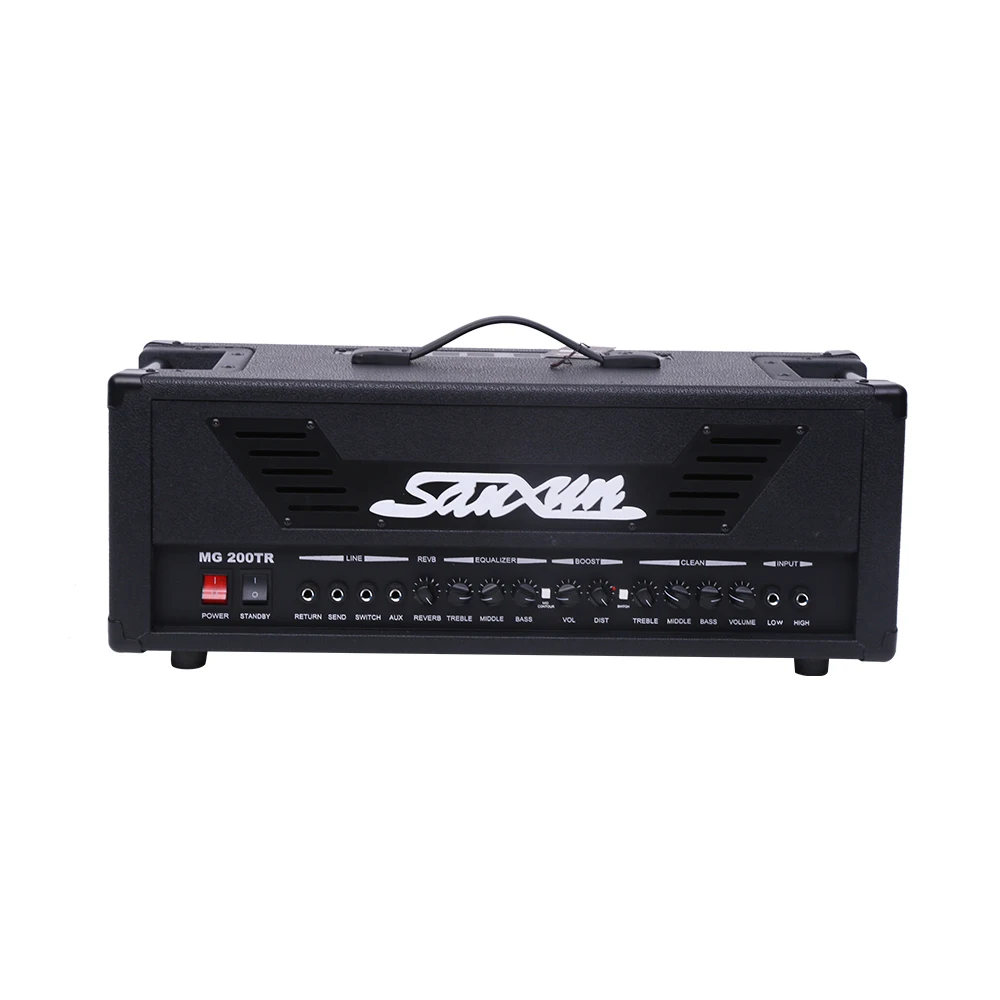
Maintenance, Safety & Legal Considerations
No special certifications are required for 200W speaker systems in residential or most commercial settings. However:
- 🔧 Maintenance: Clean grilles monthly; inspect binding posts for corrosion; tighten cabinet screws annually (vibration loosens joints).
- ⚡ Safety: Never exceed amplifier voltage limits. A 24V supply feeding a 12V-rated TPA3116D2 board causes catastrophic failure. Use fused power distribution.
- ⚖️ Legal: Local noise ordinances often cap SPL at 85–95 dB at property lines. A 200W system easily exceeds this at close range — use a calibrated SPL meter during setup.
Conclusion
A 200 watt speaker system is neither overkill nor underpowered — it’s a pragmatic convergence point for users who prioritize usability, thermal stability, and measured performance over theoretical maximums. If you need clean, articulate sound for spaces up to ~2,500 ft², occasional live vocals, or flexible home/studio use — choose a well-reviewed 200W RMS system with ≥89 dB sensitivity and rigid cabinet construction. If you regularly fill gymnasiums, open fields, or require sub-40 Hz extension, step up to a dedicated sub/sat system — not just higher wattage. And if your workflow demands zero setup time and plug-and-play reliability, invest in a premium powered pair. Everything else is optimization — not necessity.



