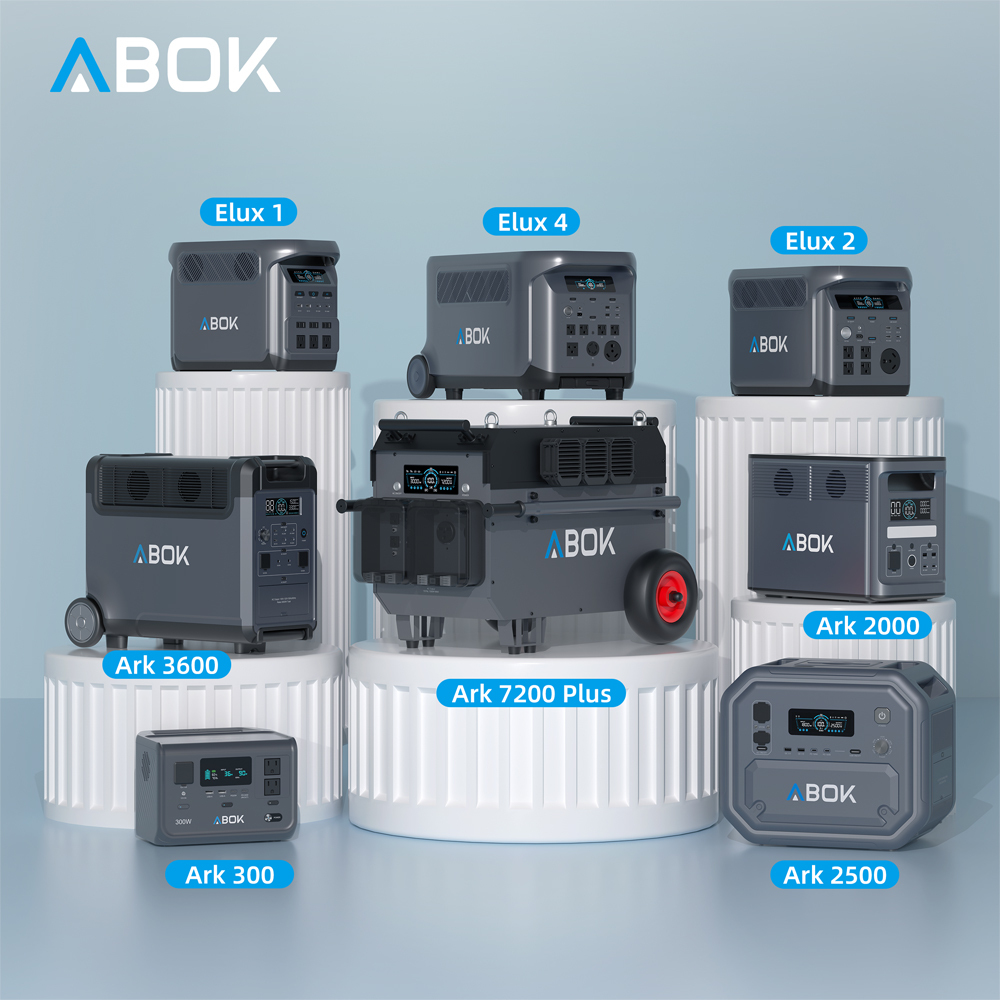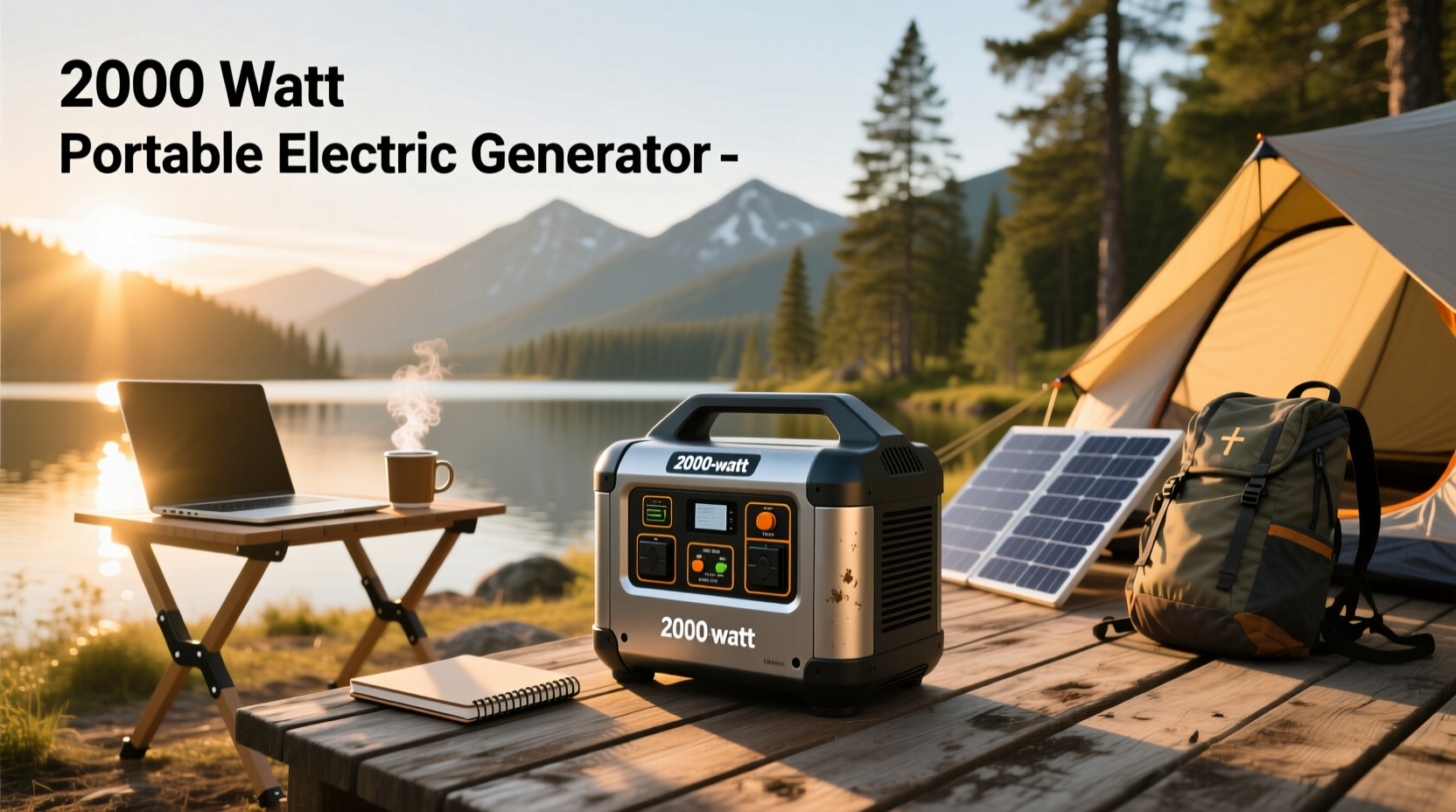
If you’re a typical user—whether prepping for home outages, powering an RV, or supporting off-grid work—you should choose a LiFePO4-based portable power station over a gas inverter generator unless you need continuous multi-day runtime with fuel access or operate heavy-duty tools like air compressors or welders. Over the past year, LiFePO4 units have become the de facto standard for 2000W portable electric generators: they now deliver 3,000–4,000+ cycles, charge from 0–80% in under 60 minutes via AC, and integrate wheels and telescopic handles as standard—not optional extras 12. This shift isn’t hype—it’s driven by measurable gains in safety (no CO risk), silence (<55 dB), and indoor usability. If you’re a typical user, you don’t need to overthink this.
About 2000W Portable Electric Generators
A 2000W portable electric generator refers to a mobile power source capable of delivering up to 2,000 watts of continuous AC output—and typically 3,000–3,500W surge capacity for motor-starting loads. It falls into two distinct technical categories:
- Inverter gas generators: Internal combustion engines paired with high-frequency inverter technology to produce clean, stable AC power. They refuel with gasoline or propane and require ventilation.
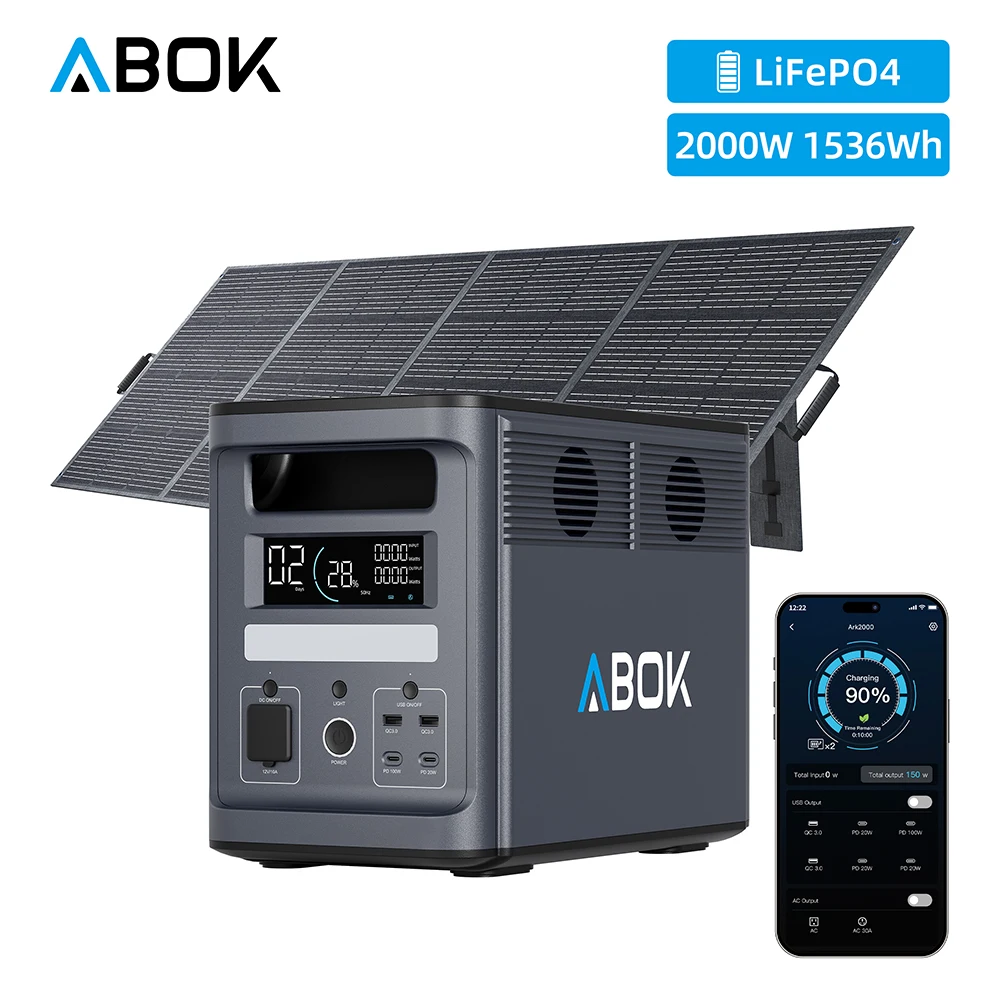
- Portable power stations (PPS): Battery-powered systems—increasingly built on LiFePO4 chemistry—that accept input from AC wall outlets, solar panels, or vehicle alternators. They output pure sine wave AC, USB-C PD, DC, and sometimes TT-30R for RVs.
Typical use cases include emergency home backup (refrigerator, CPAP, router), tailgating, remote worksites, overlanding, and small-scale off-grid cabins. What defines “portable” has evolved: today’s top-tier 2000W units weigh 42–58 lbs and rely on integrated wheels and telescopic handles—not just carry handles—to meet real-world portability expectations 3.
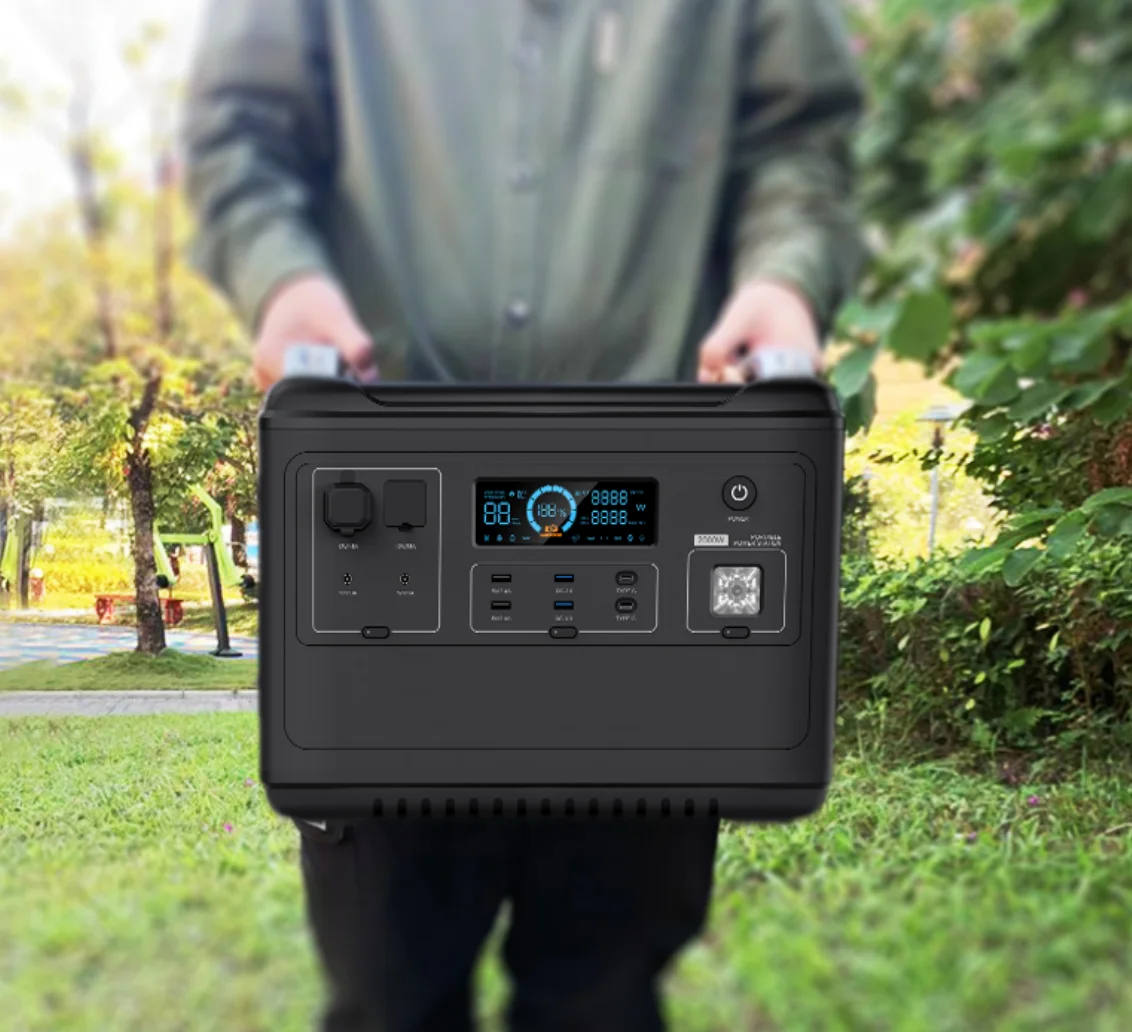
Why 2000W Portable Electric Generators Are Gaining Popularity
Lately, demand for 2000W portable electric generators has surged—not because of marketing, but because of three converging shifts:
- Regulatory tightening: Stricter carbon monoxide (CO) emission standards in North America and the EU now mandate automatic shut-off sensors on all new gas inverter generators sold for residential use 4. That adds cost and complexity without improving core utility for most users.
- LiFePO4 maturation: Lithium Iron Phosphate batteries are no longer a premium upgrade—they’re the baseline. Their 10-year lifespan (3,000+ cycles), thermal stability, and flat voltage discharge curve make them objectively safer and more durable than older NMC or LCO chemistries 5.
- Solar integration economics: With MPPT controllers now supporting up to 1,600W of simultaneous solar input, many 2000W units recharge fully from solar in under 3 hours on clear days—making them viable for extended off-grid operation without grid or fuel dependency 6.
This piece isn’t for keyword collectors. It’s for people who will actually use the product.
Approaches and Differences
There are only two viable approaches to 2000W portable electric generation—and their trade-offs are structural, not incremental.
| Feature | Inverter Gas Generators | LiFePO4 Portable Power Stations |
|---|---|---|
| Runtime & Refueling | Continuous: 8–12 hrs @ 50% load (gasoline). Refuel in seconds. No downtime. | Finite: 1.5–3 hrs @ full 2000W load. Recharge time: 1–4 hrs (AC), 2–5 hrs (solar). |
| Noise Level | 52–58 dB at 23 ft (quiet for gas—but still audible indoors). | 0 dB (silent operation; fan noise only during high-load cooling). |
| Indoor Use | Never safe indoors—CO risk is non-negotiable. | Fully safe indoors, in garages, tents, or RVs. |
| Weight & Portability | 45–65 lbs; most lack wheels or ergonomic handles. | 42–58 lbs; top models include wheels + telescopic handle as standard. |
| Lifespan | ~2,000 operating hours (engine wear, oil changes, spark plug replacement). | 3,000–4,000 full cycles (~10 years at 1 cycle/day). |
When it’s worth caring about: Noise, indoor safety, and long-term ownership cost. If you’ll run it overnight near a bedroom or inside an RV, gas is disqualified—not debatable.
When you don’t need to overthink it: Whether your model has “dual fuel” capability. For 2000W portables, propane offers no meaningful advantage over gasoline in efficiency, runtime, or emissions—and adds complexity. If you’re a typical user, you don’t need to overthink this.
Key Features and Specifications to Evaluate
Don’t default to wattage alone. A 2000W rating means little without context. Audit these five specs first:
- Surge capacity: Must exceed 3,000W to start refrigerators, sump pumps, or power tools. Many 2000W units peak at only 2,800W—enough for lights and laptops, not motors.
- Battery chemistry: Demand LiFePO4. Avoid NMC or generic “lithium-ion”—they degrade faster, run hotter, and lack cycle longevity.
- AC charging speed: Look for ≥1,800W AC input. Units hitting 0–80% in ≤65 minutes (e.g., EcoFlow DELTA 2 Max) cut downtime meaningfully 7.
- Output configuration: At minimum: 3× 120V AC outlets, 1× 100W USB-C PD, 1× 12V carport, and 1× Anderson/TTL-30R if used with RVs.
- Certifications: UL 1973 (battery), UL 1741 (inverter), and ETL or CE mark are non-negotiable for safety compliance—especially for B2B imports 8.
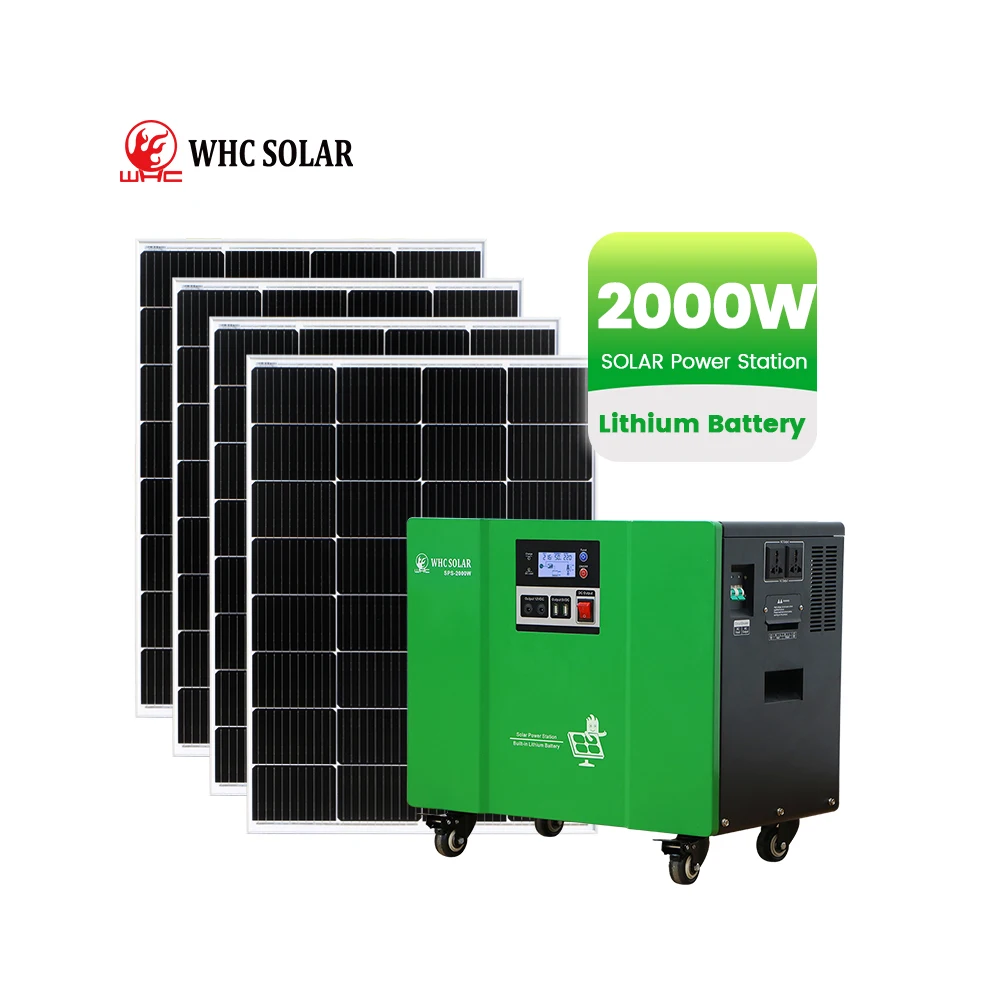
Pros and Cons
LiFePO4 Portable Power Stations
- ✅ Pros: Silent, zero-emission, indoor-safe, low maintenance, scalable (add solar/batteries), 10-year usable life.
- ❌ Cons: Higher upfront cost ($1,200–$2,200), finite runtime without recharging, solar performance depends on weather and panel quality.
Inverter Gas Generators
- ✅ Pros: Lower entry price ($500–$900), unlimited runtime with fuel, better for sustained high-wattage loads (e.g., well pumps, HVAC startup).
- ❌ Cons: CO hazard, noise, engine maintenance (oil, filters, spark plugs), fuel storage/safety, emissions restrictions.
When it’s worth caring about: Your primary use location. If you’ll deploy it inside, in an enclosed garage, or within 20 feet of sleeping areas, gas is unsafe—not inconvenient, unsafe.
When you don’t need to overthink it: Brand-specific app features. While apps help monitor state-of-charge or solar input, they rarely affect core reliability or output. If you’re a typical user, you don’t need to overthink this.
How to Choose a 2000W Portable Electric Generator
Follow this 5-step decision checklist—designed to eliminate ambiguity, not add steps:
- Define your dominant use case: Home backup? Camping? Worksite? RV? If >70% of use is indoors or near people, eliminate gas immediately.
- Calculate real-world load: Add up the starting (surge) watts of all devices you’ll run simultaneously—not just running watts. A fridge (1,200W surge) + CPAP (50W) + router (15W) = ~1,270W starting load. You don’t need 2000W unless adding tools or microwaves.
- Verify certification & chemistry: Check spec sheet for “LiFePO4” and “UL 1973 certified.” If either is missing or vague, walk away.
- Test portability claims: Look for photos/videos showing the unit rolled on pavement—not just carried. If wheels aren’t visible in official imagery, they’re likely an add-on, not integrated.
- Avoid “expandable” traps: Some brands advertise “up to 24kWh” expansion—but that requires $1,000+ in proprietary battery packs. Stick to base-unit capacity unless you’ve budgeted for expansion separately.
Insights & Cost Analysis
Price is no longer the deciding factor. Consider total cost of ownership:
- Gas inverter generators: $550–$850 (B2B wholesale: $200–$400). Add $200+/year in maintenance, fuel, and eventual engine rebuild.
- LiFePO4 power stations: $1,299–$2,199. Zero recurring maintenance. Solar input eliminates fuel cost entirely after Year 2–3.
For users needing reliable, safe, quiet power for essential home devices, the LiFePO4 unit pays back in peace of mind, safety, and durability—not just dollars. For contractors requiring 12+ hrs/day of continuous 1,800W+ output across job sites, gas remains functionally necessary.
Better Solutions & Competitor Analysis
Three brands lead the 2000W LiFePO4 segment—not because of marketing, but consistent execution on critical dimensions:
| Brand / Model | Primary Strength | Potential Issue | Base Price (2026) |
|---|---|---|---|
| Jackery Explorer 2000 Plus | Rugged build, intuitive UI, strong ecosystem (solar panels, app) | Slower AC charging (0–80% in ~1.5 hrs); limited expansion options | $1,899 |
| EcoFlow DELTA 2 Max | Fastest AC input (0–80% in ~60 min); modular expansion | Higher heat output under sustained load; app occasionally unstable | $2,199 |
| Anker SOLIX F2000 | Best-in-class portability (wheels + handle standard); compact footprint | Lower max solar input (1,200W vs. 1,600W); smaller expansion ceiling | $1,799 |
Customer Feedback Synthesis
Based on aggregated reviews across Consumer Reports, Outdoor Gear Lab, Wirecutter, and Reddit communities (r/overlanding, r/Generator), top themes emerge:
- Most praised: Silence, ease of setup, reliability during short outages, solar compatibility, and app-based monitoring accuracy.
- Most complained about: Weight distribution (some units tip when rolling uphill), inconsistent solar yield in partial shade, and unclear warranty terms for battery degradation beyond 2 years.
Maintenance, Safety & Legal Considerations
Maintenance: LiFePO4 units require none beyond cleaning vents and storing at 30–50% charge if unused >3 months. Gas units demand oil changes every 25–50 hrs, air filter cleaning, spark plug replacement annually, and carburetor servicing every 2–3 years.
Safety: All gas models must include certified CO shut-off sensors per UL 2201. For LiFePO4 units, verify UL 1973 certification—this covers thermal runaway protection, cell balancing, and BMS integrity.
Legal: In California and several EU countries, sale of non-CO-shut-off gas generators is prohibited. Importers must ensure compliance with local electrical and battery safety regulations—especially for CE/UKCA marking.
Conclusion
If you need silent, safe, indoor-capable power for home backup, camping, or RV use—and your peak load stays under 2000W with surge under 3,200W—choose a LiFePO4 portable power station. If you regularly run air compressors, welders, or well pumps for 8+ hours daily without grid access, a gas inverter generator remains the only practical solution. There is no universal “best.” There is only the right tool for your actual use—and 2026’s data confirms LiFePO4 has become the default for the majority of residential and mobile users. This piece isn’t for keyword collectors. It’s for people who will actually use the product.