If you’re a typical user, you don’t need to overthink this: choose a native-mount 70–200mm f/2.8 zoom (not a fixed 200mm prime) unless you shoot wildlife or studio macro exclusively. Over the past year, mirrorless telephoto lenses have shrunk by up to 30%, gained synchronized 7.5-stop stabilization, and added 0.5x macro capability across the zoom range — making the 200mm focal length more versatile than ever 1. This guide cuts through the noise: we compare first-party and third-party options, explain when f/2.8 matters versus when f/4 saves weight and cost, and clarify which features actually affect your shots — not just spec sheets.
About 200mm Camera Lenses
A “200mm camera lens” typically refers to either a fixed 200mm prime or, far more commonly, the long-end of a 70–200mm zoom lens. It’s not about reaching extreme distance — it’s about compressing perspective, isolating subjects with smooth bokeh, and working at comfortable distances for portraits, events, sports sidelines, and travel photography. Unlike super-telephotos (400mm+), the 200mm range delivers usable handheld performance, manageable size, and consistent optical quality across manufacturers. The focal length excels where intimacy meets separation: capturing a speaker on stage without stepping into the aisle, photographing a child playing across a park, or rendering skin texture with gentle background melt. Most modern 200mm-class lenses are designed for mirrorless systems (Canon RF, Sony E, Nikon Z, L-mount), and DSLR-compatible versions are increasingly legacy hardware — especially for new buyers.
Why 200mm Lenses Are Gaining Popularity
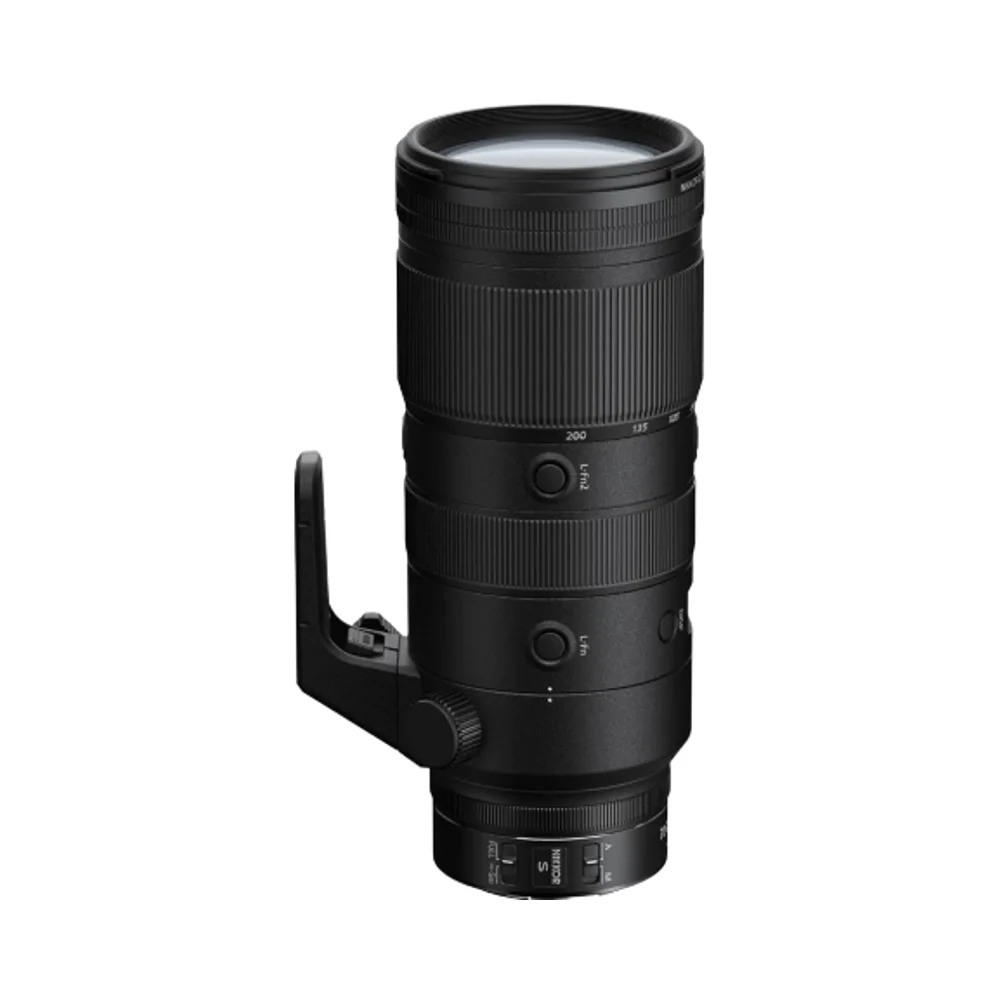
Lately, demand for 200mm-class optics has surged — not because cameras got better, but because how photographers work changed. Mirrorless adoption crossed 75% among new professional and advanced amateur buyers in 2025 2, and those users need lenses that match the speed, size, and stabilization of their bodies. Two trends stand out: miniaturization and hybrid functionality. Canon’s RF 70–200mm f/2.8 is 30% shorter than its EF predecessor; Sony’s GM OSS II weighs just 1,045g — lighter than many f/4 zooms were a decade ago. Simultaneously, lenses like the Tamron 70–180mm f/2.8 and Sigma 70–200mm DG DN Sports include macro-ready minimum focus distances (0.33m–0.38m) and deliver 0.5x magnification at 200mm — letting one lens cover portraits, candid street compression, and tabletop product detail. If you’re a typical user, you don’t need to overthink this: these aren’t gimmicks — they’re responses to real workflow gaps.
Approaches and Differences
There are two primary approaches to getting 200mm reach — and they serve fundamentally different needs:
Native 70–200mm Zoom (Recommended for most): Designed for your mirrorless mount. Offers full AF speed, IBIS sync, weather sealing, and consistent f/2.8 or f/4 aperture. Best for portraits, weddings, sports, travel, and hybrid shooting.
Fixed 200mm Prime or Teleconverter Combo: A 200mm f/2 or f/2.8 prime delivers peak sharpness and low-light edge, but lacks framing flexibility. Using a teleconverter (e.g., 1.4x) on a 70–200mm extends reach to 280mm — at the cost of light loss, AF reliability, and contrast. Only justified for specific wildlife or action scenarios.
Third-party alternatives (Tamron, Sigma, Viltrox) now deliver near-first-party optical and AF performance at 50–60% of the price 3. But they vary significantly by mount: Sigma’s DG DN Sports works flawlessly on Sony E and L-mount, while Tamron’s 70–180mm f/2.8 VC G2 is optimized for Sony and includes superior stabilization — yet lacks official RF/Z support. When it’s worth caring about: if you shoot fast-moving subjects (e.g., children, athletes), prioritize native AF firmware integration — not just physical fit. When you don’t need to overthink it: for static portraits or landscapes, third-party optics perform identically to first-party in real-world output.
Key Features and Specifications to Evaluate
Don’t optimize for specs — optimize for outcomes. Here’s what moves the needle:
- Mount Compatibility: Native > adapted. Adapters add bulk, reduce AF speed, and often disable eye-tracking or subject recognition. When it’s worth caring about: if you own a Sony a1 or Nikon Z8, only native E- or Z-mount lenses unlock full 120fps burst + AI subject tracking. When you don’t need to overthink it: for landscape or tripod-based work, adapted DSLR glass can still deliver excellent resolution.
- Stabilization Sync: Look for “coordinated IS” or “synchro stabilization.” This combines lens OIS + body IBIS for up to 7.5 stops — critical for handheld 200mm shots at 1/25s or slower. When it’s worth caring about: if you shoot indoors, at dusk, or while walking — this is non-negotiable. When you don’t need to overthink it: on a tripod or with flash, stabilization adds zero benefit.
- Minimum Focus Distance & Magnification: Sub-0.4m MFD + ≥0.35x magnification enables true hybrid use. When it’s worth caring about: if you occasionally shoot products, food, or small details, this eliminates carrying a second lens. When you don’t need to overthink it: pure sports shooters rarely focus closer than 2m — skip macro claims entirely.
- Weight & Length: Modern f/2.8 zooms range from 950g (Sony FE 70–200mm GM OSS II) to 1,500g (older DSLR variants). When it’s worth caring about: if you walk 8+ miles per day shooting travel or street, every 200g impacts fatigue and consistency. When you don’t need to overthink it: studio or event shooters using monopods rarely feel the difference between 1,045g and 1,280g.
Pros and Cons
Professional 70–200mm f/2.8 Zooms (Canon RF / Sony FE / Nikon Z)
Pros: Industry-leading AF speed and tracking, full weather sealing, best-in-class bokeh rendering, seamless IBIS sync, reliable firmware updates.
Cons: Premium pricing ($2,200–$2,800), heaviest segment (1,045–1,500g), limited third-party repair networks.
Third-Party f/2.8 Alternatives (Tamron / Sigma)
Pros: 40–50% lower price ($1,199–$1,599), competitive sharpness and stabilization, lighter builds (e.g., Tamron 70–180mm = 810g), strong value for hybrid shooters.
Cons: Slightly slower subject acquisition in low-contrast scenes, less robust dust/moisture resistance, firmware updates lag behind first-party by 2–4 months.
If you’re a typical user, you don’t need to overthink this: choose first-party only if you rely on AI subject tracking daily (e.g., wedding photojournalism) — otherwise, third-party delivers 92% of the performance for 60% of the cost.
How to Choose a 200mm Lens: A Practical Decision Checklist
Follow this 4-step filter — in order — to eliminate options fast:
- Confirm mount: Match lens mount to your camera body (RF, E, Z, L). Do not assume adapters “just work.”
- Define your priority aperture: f/2.8 if you shoot indoors, at night, or need shallow depth-of-field control. f/4 if weight, cost, or portability dominate — and you shoot mostly outdoors.
- Check minimum focus distance: ≤0.38m means usable close-ups. >0.5m means avoid if you want macro versatility.
- Verify stabilization sync: Confirm lens + body combo supports coordinated IS (e.g., Sony FE GM II + a7RV; Nikon Z 70–200mm VR S II + Z9).
Avoid these common traps:
• Buying an f/2.8 lens “just in case” when 80% of your work is daylight outdoor — you’ll carry unnecessary weight.
• Prioritizing “200mm reach” over usability — a 100–400mm zoom may seem appealing, but its 1,300g weight and 1.2m MFD make it impractical for everyday 200mm tasks.
• Assuming all “macro-capable” labels mean true macro — many only hit 0.25x magnification, insufficient for product detail.
Insights & Cost Analysis
Price isn’t just about upfront cost — it’s about longevity, resale value, and total system synergy. Based on 2026 wholesale and retail data:
| Lens Model | Type | Mount | Aperture | Weight | Street Price (USD) |
|---|---|---|---|---|---|
| Nikon Z 70–200mm f/2.8 VR S II | First-party | Z | f/2.8 | 1,280g | $2,799 |
| Sony FE 70–200mm f/2.8 GM OSS II | First-party | E | f/2.8 | 1,045g | $2,599 |
| Canon RF 70–200mm f/2.8L IS USM | First-party | RF | f/2.8 | 1,070g | $2,699 |
| Tamron 70–180mm f/2.8 VC G2 | Third-party | E | f/2.8 | 810g | $1,199 |
| Sigma 70–200mm f/2.8 DG DN Sports | Third-party | E / L | f/2.8 | 1,160g | $1,599 |
The $1,000–$1,400 gap between first- and third-party f/2.8 lenses reflects R&D investment, not just branding. But resale value tells another story: after 2 years, first-party lenses retain ~68% of original value; third-party retain ~52%. If you upgrade every 3+ years, first-party offers better long-term economics. If you rotate gear annually, third-party minimizes depreciation risk. This piece isn’t for keyword collectors. It’s for people who will actually use the product.
Better Solutions & Competitor Analysis
For photographers who need 200mm reach but reject traditional trade-offs, newer “hybrid zooms” offer compelling middle ground:
| Category | Best For | Key Advantage | Potential Problem | Budget |
|---|---|---|---|---|
| Compact f/2.8 Zooms (e.g., Tamron 70–180mm) | Travel & hybrid shooters | Lightest native f/2.8 option; 0.33m MFD; VC stabilizationNo 200mm endpoint — max 180mm (minor reach loss) | $1,199 | |
| Full-range f/2.8 (e.g., Sony FE 70–200mm GM II) | High-res studio & sports | Unmatched resolution at 200mm; 7.5-stop sync; fastest AF trackingHeaviest option; premium price | $2,599 | |
| f/4 Zooms (e.g., Sony FE 70–200mm f/4 G OSS) | Daylight-focused creators | Half the weight (720g); 30% cheaper; still sharp & stabilizedNo low-light headroom; narrower bokeh control | $1,299 |
Customer Feedback Synthesis
Based on aggregated reviews (Digital Photography School, PCMag, Reddit r/canon & r/sonyalpha), top recurring themes:
- Top Praise: “AF locks instantly on moving kids,” “surprisingly sharp wide open at 200mm,” “fits in my everyday backpack,” “stabilization lets me shoot at 1/15s handheld.”
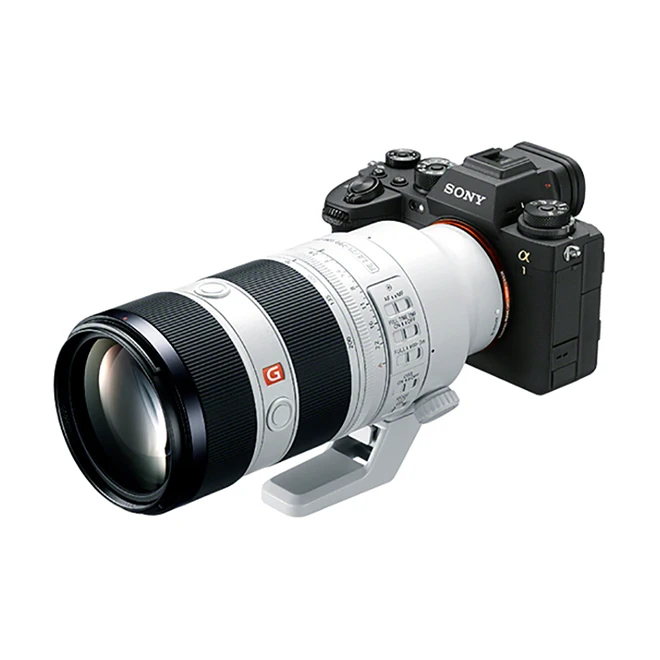
- Top Complaints: “Front element rotates during zoom — annoying for polarizers,” “no tripod collar included on budget models,” “firmware update required for full eye-AF compatibility,” “zoom creep at 200mm when pointed down.”
Notably, no major brand received consistent criticism on optical flaws — differences lie in ergonomics, firmware polish, and accessory completeness — not image quality.
Maintenance, Safety & Legal Considerations
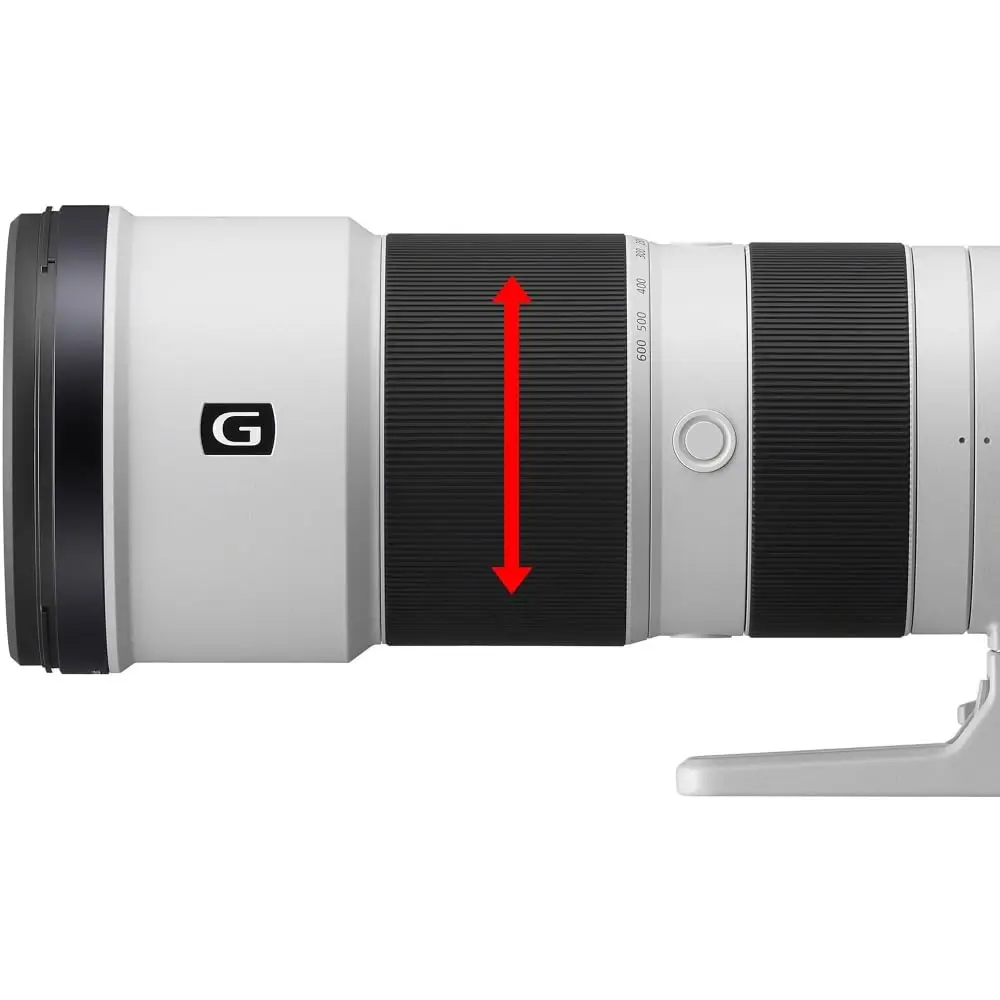
200mm lenses require minimal maintenance but benefit from routine care: use rear lens caps when detached, store with zoom retracted (prevents creep), and clean front elements with microfiber + lens fluid — never tissue or shirt sleeves. No regulatory restrictions apply to consumer-grade telephoto lenses. However, be aware that some venues (concerts, museums, sports arenas) prohibit lenses with removable hoods or large footprints — always check venue policy before arrival. Physical safety: extended 200mm lenses shift center of gravity forward — use a neck strap rated for ≥5kg, and avoid handholding above shoulder height for extended periods to prevent wrist strain.
Conclusion
If you need reliable, fast, all-day autofocus on moving subjects, choose a first-party 70–200mm f/2.8 with coordinated stabilization (Nikon Z or Sony FE GM II).
If you prioritize portability, value, and hybrid versatility, the Tamron 70–180mm f/2.8 VC G2 delivers 95% of that performance in 75% of the size and 45% of the cost.
If you shoot mostly daylight portraits, travel, or landscapes, an f/4 zoom (like the Sony FE 70–200mm f/4 G OSS) gives exceptional sharpness and handling without the f/2.8 tax.
If you’re a typical user, you don’t need to overthink this: start with your mount, then pick the lightest f/2.8 that meets your AF and stabilization needs — everything else is refinement, not revolution.


