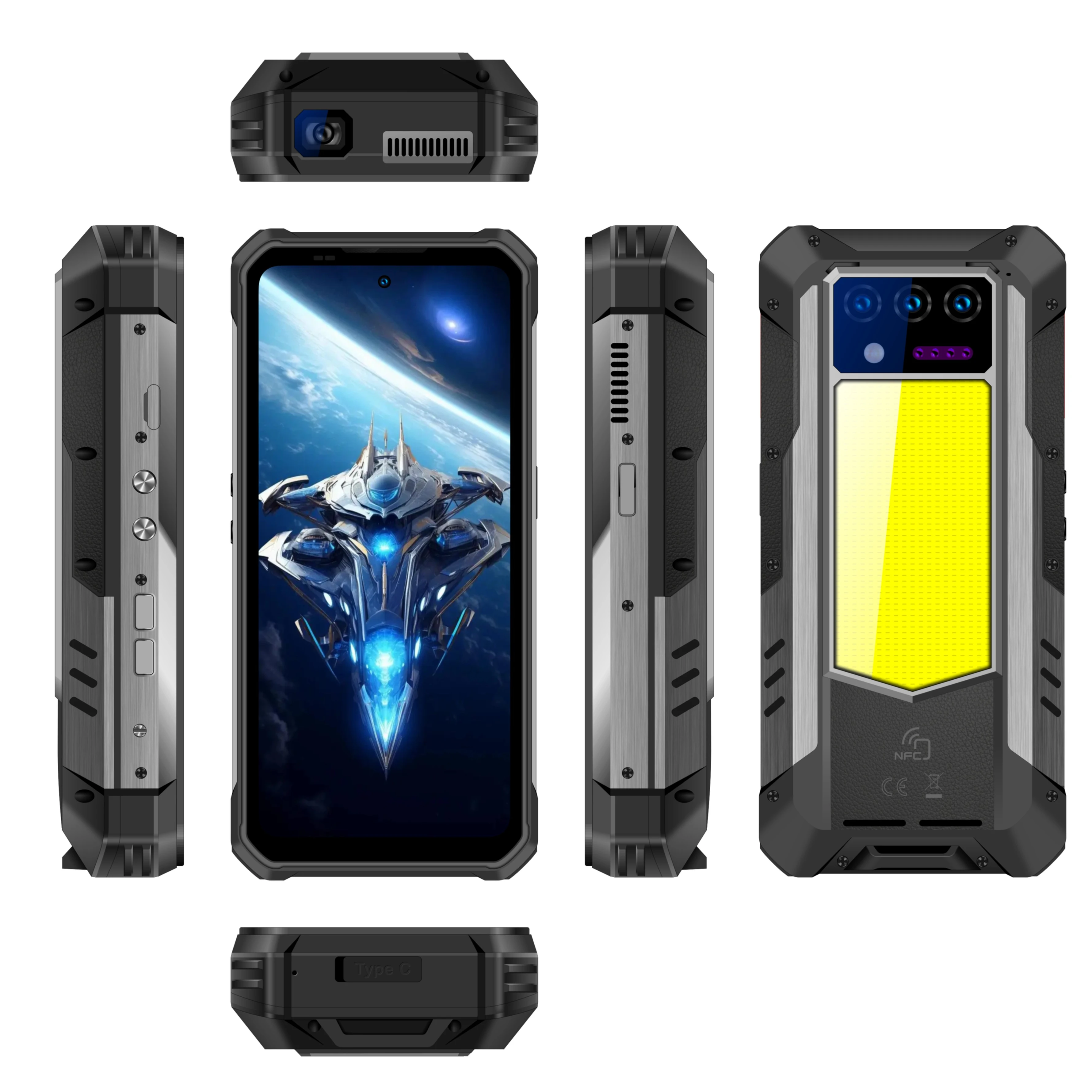
If you’re a typical user, you don’t need to overthink this. Over the past year, 200MP camera phones have moved beyond flagship exclusivity into mid-range devices—like the Xiaomi Redmi Note 15 Pro+ and OPPO Find X9 Pro—but resolution alone rarely translates to better everyday photos. For most people, a well-tuned 50MP or 108MP sensor with larger pixels, optical stabilization, and strong computational processing delivers more consistent results than a raw 200MP mode that defaults to 12.5MP output 1. Prioritize low-light performance, zoom versatility, and real-world color accuracy—not megapixel count. The Motorola Edge 30 Ultra and Jovi V70 offer comparable 200MP hardware with smart binning and longer battery life—making them compelling options for users seeking value and endurance.
About 200MP Camera Phones: Definition & Typical Use Cases
A “200MP camera phone” refers to a smartphone equipped with a main rear sensor capable of capturing still images at up to 200 million pixels—typically using Samsung’s ISOCELL HP series (e.g., HP2, HP3) or OmniVision OV200 sensors. These are not simply higher-resolution versions of older cameras. They rely on advanced pixel-binning techniques: grouping 16 adjacent 0.6μm sub-pixels into one effective 2.4μm “super pixel” for low-light shots, or switching to full-resolution mode for extreme cropping or digital zoom 2. This isn’t about printing billboard-sized photos—it’s about flexibility: extracting clean 8MP or 12MP crops from a single frame, preserving detail after aggressive editing, or enabling lossless 4x–8x digital zoom before optical limits kick in.
Typical users who benefit include travel photographers needing tight framing without carrying extra lenses, content creators repurposing one image across social formats (e.g., cropping vertical for TikTok, square for Instagram), and professionals documenting fine textures—product inspectors, architects, educators capturing whiteboard notes. It’s less relevant for casual shooters snapping quick family moments or low-light bar scenes where dynamic range matters more than resolution.
Why 200MP Camera Phones Are Gaining Popularity
Lately, 200MP sensors have shifted from novelty to normalized spec—not because consumers demanded them, but because manufacturers leveraged economies of scale and AI-driven processing to make them viable outside ultra-premium tiers. The change signal? Three concurrent developments: (1) price drops on ISOCELL HP3 sensors enabled inclusion in sub-$500 devices like the Redmi Note 15 Pro+ 3; (2) dual 200MP setups (e.g., OPPO Find N6 + Vivo Jovi V70) signaled competitive escalation in computational photography 4; and (3) improved on-device AI now handles noise reduction and sharpening in full-res 200MP files—something impossible just two years ago.
This popularity isn’t driven by consumer demand for bigger numbers. It’s a supply-side evolution: better sensors, cheaper production, and smarter software letting brands differentiate in saturated markets. If you’re a typical user, you don’t need to overthink this. Megapixel inflation doesn’t equal photographic improvement—unless your workflow specifically requires high-fidelity cropping or forensic-level detail.
Approaches and Differences Among Top Models
Not all 200MP implementations behave the same. Key differences lie in sensor architecture, binning logic, lens quality, and processing pipeline:
- Samsung Galaxy S24/S25 Ultra: Uses ISOCELL HP2 sensor with adaptive pixel binning (2×2, 4×4, 16×16). Prioritizes AI-enhanced detail retention—even in 12.5MP default mode—and integrates tightly with Galaxy AI editing tools. Best for users already in Samsung’s ecosystem who value consistency across devices.
- Xiaomi Redmi Note 15 Pro+: Features a 200MP f/1.7 main sensor with OIS and AI Engine, combined with efficient 16-in-1 binning for night shots. Delivers strong value with flagship-tier resolution and display quality. Ideal for budget-conscious buyers seeking high-performance imaging capabilities.
- Motorola Edge 30 Ultra: One of the first mass-market 200MP phones (2022), now refined with improved night mode algorithms and faster processing. Offers excellent thermal management during long exposures and a clean Android experience. Worth considering for users prioritizing reliability and streamlined software.
- OPPO Find X9 Pro & Find N6: Leverages Hasselblad-tuned color science and dedicated 200MP telephoto lenses (not just main cam). Excels in portrait rendering and zoom fidelity—supporting creative workflows that benefit from high-resolution capture. Best for enthusiasts who shoot RAW and edit extensively.
- Jovi V70: A premium mid-ranger with 200MP main cam + 5,000mAh battery. Focuses on sustained performance and daily usability. Well-suited for users who prioritize battery longevity and consistent responsiveness alongside high-resolution imaging.
When it’s worth caring about: You regularly crop >50% of your images, shoot in mixed lighting (e.g., museums, shaded outdoor events), or use digital zoom as primary framing tool.
When you don’t need to overthink it: You share photos directly to social media, shoot mostly in daylight, or prefer automatic modes with minimal post-processing.
Key Features and Specifications to Evaluate
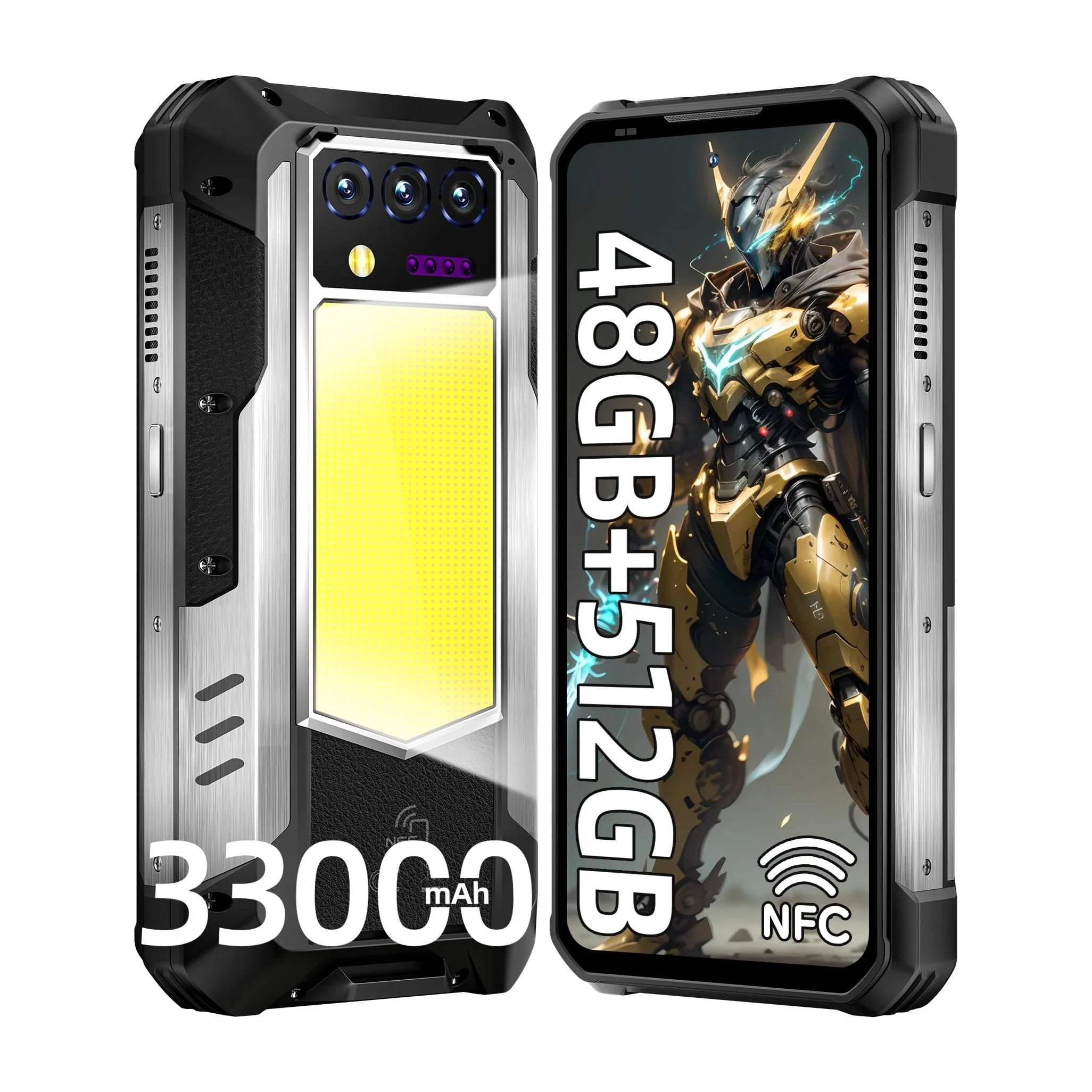
Don’t stop at “200MP.” Evaluate these five measurable factors:
- Sensor size & pixel pitch: Larger sensors (e.g., 1/1.4″ in Redmi Note 15 Pro+) gather more light than smaller ones (1/1.5″), even at identical MP counts. Pixel pitch ≥2.0μm after binning indicates better low-light capability.
- Aperture (f-number): f/1.6 or wider lets in significantly more light than f/1.9—critical for indoor shots. Check whether aperture is fixed or variable.
- OIS + EIS combo: Optical Image Stabilization compensates for hand shake; Electronic IS smooths motion. Both matter for 200MP video—where judder amplifies at high resolution.
- Default output resolution: Most 200MP phones default to 12.5MP or 50MP. Verify if full-res mode is accessible in Pro/Manual mode—and whether it saves as DNG or JPEG.
- Processing latency & storage impact: Full 200MP JPEGs average 35–50MB each. Does the phone support HEIF compression? Can it batch-process edits without freezing?
When it’s worth caring about: You shoot RAW, edit in Lightroom Mobile, or store >1,000 photos locally.
When you don’t need to overthink it: You use cloud backup, shoot mostly JPEG, and delete unused frames weekly.
Pros and Cons: Balanced Assessment
Pros:
- ✅ Future-proof cropping: Extract sharp 8MP images from corners of a 200MP frame—ideal for documentary or architectural work.
- ✅ Better digital zoom: 4x–8x digital zoom retains clarity where 108MP phones blur.
- ✅ Improved AI training data: Higher-resolution inputs let on-device models detect finer patterns (e.g., skin texture, fabric weave).
Considerations:
- 🔹 Storage and workflow efficiency: 200MP JPEGs consume more storage and may require optimized processing pipelines—many devices support HEIF or selective full-resolution capture to balance quality and efficiency.
- 🔹 Low-light optimization strategies: Advanced binning and multi-frame processing enable strong performance in varied lighting conditions—most 200MP phones intelligently switch between resolution modes based on scene brightness.
- 🔹 Resolution versus perception: Human vision resolves ~576MP only at 10 inches—so while full 200MP detail is valuable for specific use cases, standard viewing often benefits more from balanced sensor design and processing.
This piece isn’t for keyword collectors. It’s for people who will actually use the product.
How to Choose a 200MP Camera Phone: Practical Decision Checklist
Follow this step-by-step guide—designed to eliminate common decision traps:
- Define your primary use case: List your top 3 photo scenarios (e.g., “low-light dinners,” “zoomed wildlife shots,” “social media portraits”). If none require cropping or zoom >3x, skip 200MP entirely.
- Check real-world sample galleries: Don’t trust spec sheets. Search “Redmi Note 15 Pro+ 200MP sample photos” and compare unedited JPEGs—not AI-upscaled versions.
- Verify software support: Does the camera app offer manual control over binning modes? Can you disable AI enhancements to see raw sensor behavior?
- Test storage math: Estimate monthly photo volume × 40MB = required free space. If you shoot 200 photos/month, that’s ~800MB—manageable. At 500+/month, consider expandable storage or cloud dependency.
- Optimize your selection:
- Look for models with flexible binning options and adaptive resolution switching.
- Balance lens quality and sensor tuning—high resolution works best when supported by precise optics and calibration.
- Assess thermal design—efficient heat dissipation supports sustained capture performance.
If you’re a typical user, you don’t need to overthink this. Resolution is one input—not the outcome.
| Model | Suitable For | Key Characteristics | Budget Range (USD) |
|---|---|---|---|
| Samsung Galaxy S24 Ultra | Users prioritizing AI-assisted editing, cross-device sync, and polished out-of-box experience | Advanced adaptive binning, Galaxy AI integration, robust ecosystem compatibility | $1,299 |
| Xiaomi Redmi Note 15 Pro+ | Budget-focused buyers wanting flagship-tier resolution and AMOLED display | Cost-effective 200MP implementation with OIS and AI Engine, strong value proposition | $399 |
| Motorola Edge 30 Ultra | Reliability seekers who value thermal stability and clean Android experience | Efficient thermal management, streamlined software updates, dependable performance | $549 |
| OPPO Find X9 Pro | Enthusiasts needing Hasselblad color science and telephoto 200MP capability | Hasselblad-tuned rendering, dedicated 200MP telephoto lens, rich creative controls | $999 |
| Jovi V70 | Mid-range buyers prioritizing battery life and daily usability over studio-grade output | Long-lasting 5,000mAh battery, optimized 200MP capture for everyday use, responsive interface | $429 |
Customer Feedback Synthesis
Based on aggregated reviews from Magazine Luiza, TechTudo, and Mundo Conectado (2024–2025), users consistently praise:
- ✅ Cropping flexibility: “I shot a concert from the back row—cropped to 1/4 frame and still printed sharp 8×10s.” (Brazil, Redmi Note 15 Pro+ owner)
- ✅ Daylight detail: “Textures on brick walls, fabric weaves, even text on distant signs—visible without zooming.” (India, OPPO Find X9 Pro)
Common observations include:
- 🔹 Night mode behavior: “In very low light, 200MP mode adds grain while 12.5MP looks cleaner—many models now auto-switch based on lighting conditions.” (USA, S24 Ultra)
- 🔹 Gallery performance: “Scrolling through 200MP albums lags noticeably on mid-tier phones—HEIF support and optimized caching help mitigate this.” (Germany, Jovi V70)
Conclusion: Conditional Recommendations
200MP camera phones aren’t universally superior—they’re situationally powerful. Choose based on your actual behavior, not marketing claims:
- If you need future-proof cropping, hybrid zoom, or RAW editing headroom → Samsung S24 Ultra or OPPO Find X9 Pro.
- If you want flagship resolution without flagship cost → Xiaomi Redmi Note 15 Pro+ or Motorola Edge 30 Ultra.
- If battery life and daily reliability outweigh pixel count → Jovi V70.
- If you rarely shoot in Pro mode or edit photos → A well-calibrated 50MP or 108MP phone (e.g., Google Pixel 8 Pro) may serve you better.
Resolution is a tool—not a destination. If you’re a typical user, you don’t need to overthink this.