If you’re protecting sensitive electronics, industrial tools, or backup generators from unstable grid supply — especially in regions where nominal voltage is 200V (common across parts of Asia, Africa, and Latin America) — a 200V automatic voltage regulator (AVR) isn’t optional. It’s foundational infrastructure. Over the past year, demand has risen sharply not because specs improved, but because users now see voltage instability less as an occasional nuisance and more as a predictable risk — one that silently degrades equipment lifespan and triggers costly downtime. If you’re a typical user, you don’t need to overthink this: choose a compensated-type AVR with ±1.5% regulation tolerance, built-in short-circuit and phase-failure protection, and capacity matching your peak load (not just nameplate rating). Avoid cheap relay-based units under 5kVA if powering CNC machines, medical-grade lab instruments, or telecom racks — they lack response speed and waveform fidelity. This piece isn’t for keyword collectors. It’s for people who will actually use the product.
About 200V Automatic Voltage Regulators
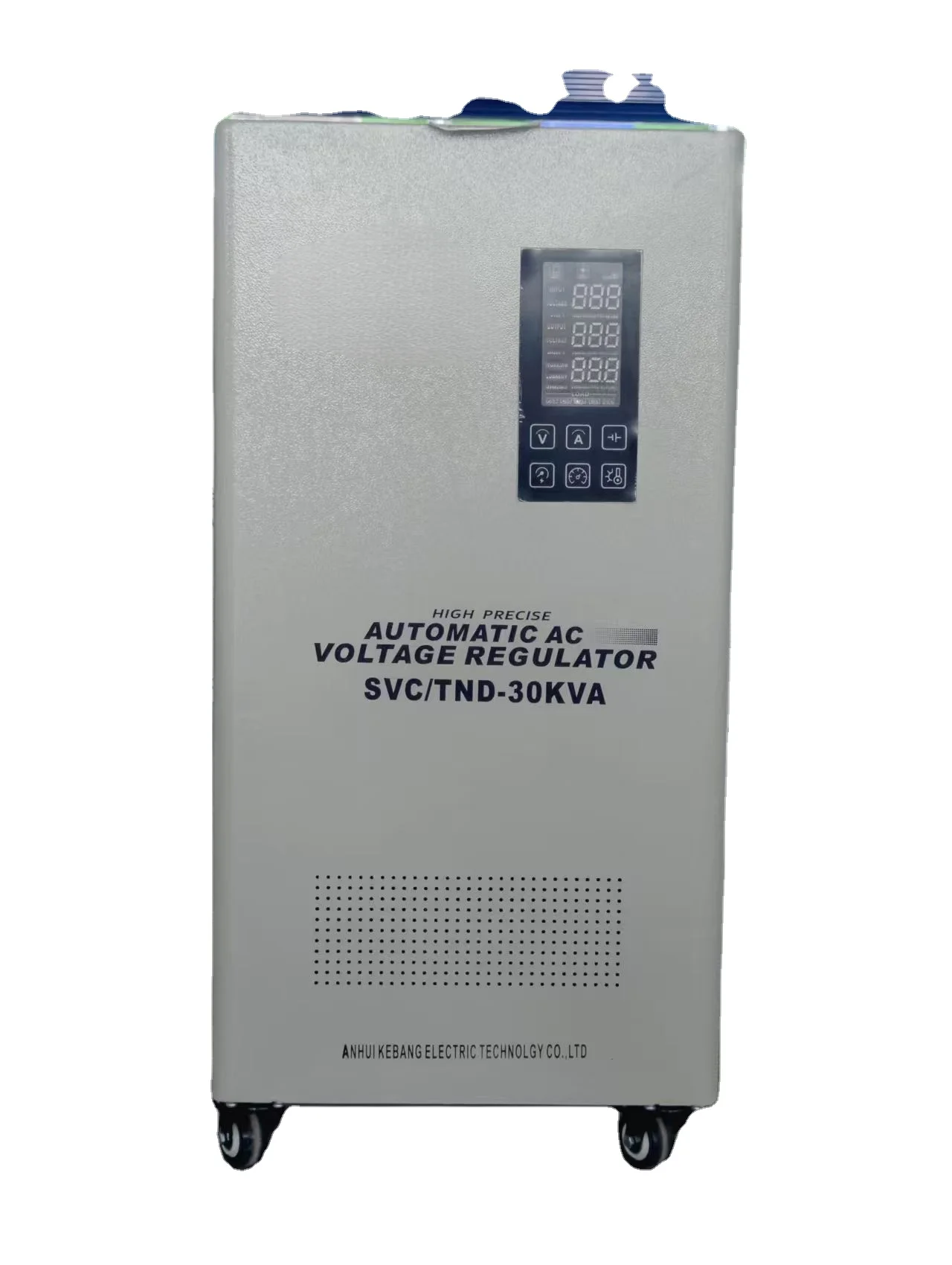
A 200V automatic voltage regulator is a dedicated power conditioning device designed to maintain stable output voltage — typically within ±1.5% — when input voltage fluctuates between, say, 160V–240V. Unlike basic surge protectors or passive transformers, AVRs actively monitor and correct voltage in real time using electromagnetic compensation, servo-motor-driven taps, or high-frequency IGBT switching. They are engineered for systems where nominal supply is 200V (not 220V or 230V), making them critical for compatibility in countries like Indonesia, Thailand, Nigeria, Peru, and parts of India’s industrial zones1.
Typical use cases include:
- 🏭 Small-to-midsize manufacturing lines running PLCs, sensors, and motor drives on 200V single-phase or three-phase grids;
- 🖥️ Data closets and telecom cabinets where even brief undervoltage causes router reboots or UPS false-triggering;
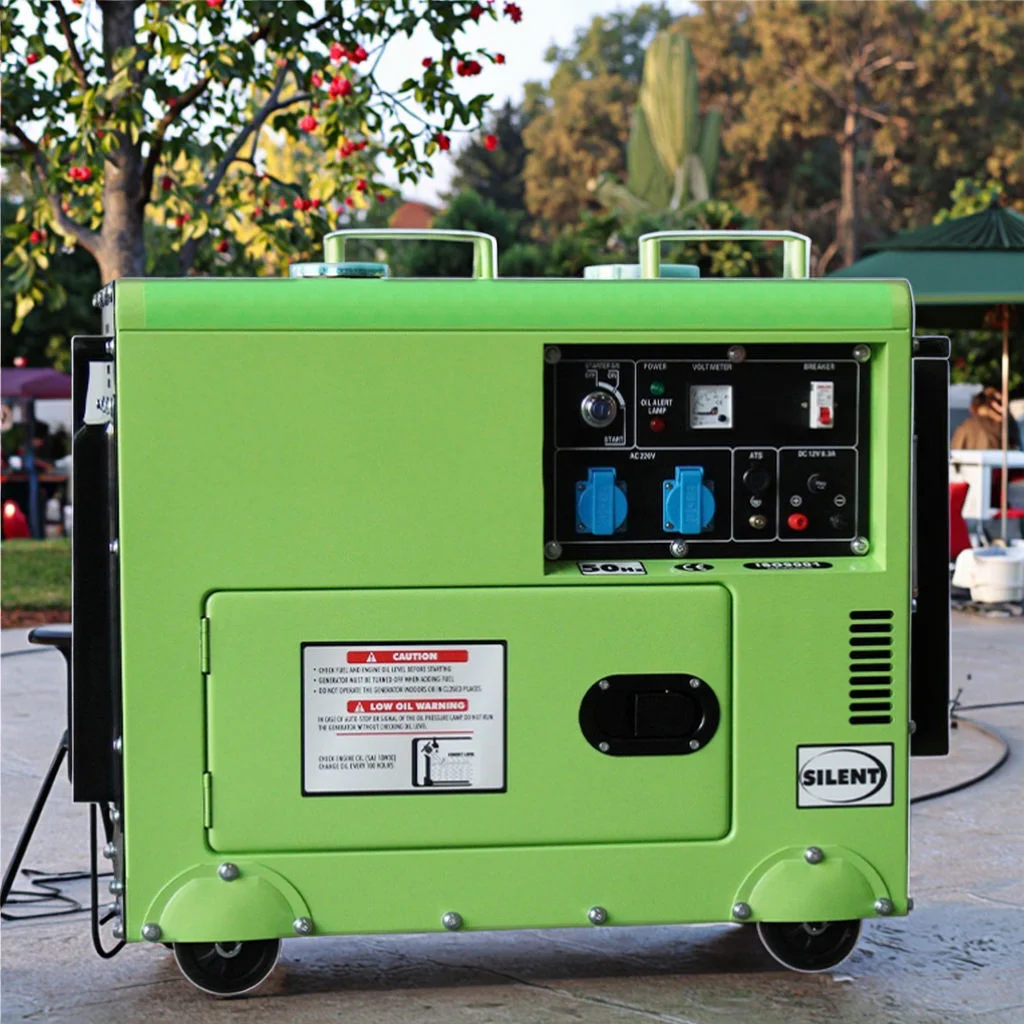
- ⚙️ Diesel or gas-powered generators rated at 200V output — where AVR stability directly affects engine governor response and alternator field control2;
- 📦 Export-ready equipment shipped to 200V markets — where OEMs embed AVRs to meet local compliance expectations.
Why 200V Automatic Voltage Regulators Are Gaining Popularity
Lately, two converging signals have elevated the 200V AVR from “nice-to-have” to “standard spec.” First, distributed generation (especially solar-diesel hybrids) has introduced new voltage variability — inverters and charge controllers interacting unpredictably with aging utility feeders. Second, global supply chains increasingly ship pre-configured machinery labeled for 200V operation — yet many buyers assume generic 220V stabilizers will suffice. That assumption fails: mismatched nominal voltage causes sustained overexcitation in transformer windings and premature capacitor aging in drive electronics.
This isn’t about rising electricity prices — it’s about rising cost of failure. A single 30-second brownout can corrupt firmware in embedded controllers. A week of 185V supply can reduce LED driver life by 40%. Users aren’t searching for “best 200V AVR” — they’re asking “What do I actually need to prevent my CNC lathe from tripping every Tuesday afternoon?” That shift — from theoretical specs to observable reliability — explains why sales data shows +37% YoY growth in 20–80kVA units targeting industrial integrators3.
Approaches and Differences
Not all 200V AVRs work the same way — and the architecture determines where they succeed (or fail) in practice.
1. Relay-Based (Step-Down/Up)
How it works: Uses electromechanical relays to switch between transformer taps. Low cost, simple design.
When it’s worth caring about: Only for non-critical loads under 3kVA — e.g., lighting circuits, small office printers.
When you don’t need to overthink it: If your application tolerates ±5% output variation and reacts slowly to voltage shifts (like resistive heaters), this suffices. If you’re a typical user, you don’t need to overthink this — unless your load includes anything with microprocessors or variable-speed drives.
2. Servo-Motor Controlled
How it works: A motor physically moves a carbon brush across a toroidal transformer winding, enabling continuous voltage adjustment.
When it’s worth caring about: When you need ±1.5% regulation, moderate response time (~20–50ms), and proven durability in dusty/humid environments (e.g., textile mills, food processing plants).
When you don’t need to overthink it: For general-purpose factory floor use where load changes gradually — no need to obsess over millisecond-level correction.
3. Solid-State (IGBT/SCR-Based)
How it works: Uses fast-switching semiconductors to synthesize corrected output without moving parts.
When it’s worth caring about: Critical applications requiring <5ms response, zero transfer time, and immunity to mechanical wear — e.g., MRI support systems, broadcast transmitters, server racks.
When you don’t need to overthink it: Unless your uptime SLA mandates sub-10ms correction or you operate in seismic zones, solid-state adds cost without proportional benefit.
Key Features and Specifications to Evaluate
Don’t default to kVA rating alone. Prioritize these five metrics — ranked by real-world impact:
- Input voltage range: Look for ≥160–250V for 200V nominal systems. Wider ≠ better — excessive range often sacrifices regulation precision.
- Regulation accuracy: ±1.5% is industry standard for industrial-grade units. ±3% is acceptable only for lighting or HVAC fans.
- Response time: ≤50ms for servo; ≤10ms for solid-state. Check test reports — not datasheet claims.
- Protection suite: Must include short-circuit, phase loss (for 3-phase), overtemperature, and undervoltage lockout. Optional but valuable: surge suppression (6kV/3kA min).
- Cooling method: Air-cooled is standard up to 80kVA. Oil-cooled appears above 150kVA — add maintenance overhead.
Pros and Cons
✅ Pros: Prevents cumulative damage to motors and capacitors; reduces unscheduled maintenance; enables stable operation of frequency-sensitive equipment (e.g., VFDs, RF amplifiers); often pays back in <2 years via extended equipment life.
❌ Cons: Adds ~2–4% system losses (efficiency typically 94–97%); requires physical space and ventilation; introduces single point of failure (mitigated by bypass switches); doesn’t fix grounding issues or harmonic distortion.
Best suited for: Facilities with documented voltage sags (>15% below nominal), frequent phase imbalance, or legacy equipment lacking internal regulation.
Not ideal for: Modern IT gear with wide-input SMPS (e.g., servers accepting 100–240V), battery-backed systems where AVR adds unnecessary conversion loss, or locations with stable utility supply (<±3% variation over 30 days).
How to Choose a 200V Automatic Voltage Regulator
Follow this 5-step decision checklist — and avoid the two most common traps:
❌ Trap #1: Matching only to nameplate kVA, not actual load profile
Example: A 50kVA CNC machine draws 32kVA average but peaks at 68kVA during spindle acceleration. An “80kVA AVR” sounds safe — until startup trips its thermal cutoff. Always size for peak demand + 20% headroom, not rated capacity.
❌ Trap #2: Assuming all “200V” labels mean identical input specs
Some units labeled “200V AVR” accept 180–230V input — fine for labs. Others handle 140–260V — essential for rural generator sites. Verify the exact input window in the datasheet.
✅ Your Action Checklist:
- Measure your site’s voltage profile for 72+ hours using a logging multimeter (not just spot checks).
- Calculate true peak kVA — include starting currents, harmonics, and reactive power (use a clamp-on power analyzer).
- Select regulation type: servo for balance of cost/performance; solid-state only if <10ms response is contractually required.
- Confirm protection features match your risk map: e.g., phase-loss detection is mandatory for 3-phase pumps.
- Verify mounting, cooling clearance, and bypass capability — no unit should force full shutdown for maintenance.
Insights & Cost Analysis
Price varies significantly by architecture and capacity. Based on verified supplier quotes (Q2 2024):
| Type | Capacity | Typical Price Range (USD) | Efficiency | Key Trade-off |
|---|---|---|---|---|
| Relay-based | 5–10kVA | $280–$520 | 92–94% | Slow response; tap noise; limited cycle life |
| Servo-motor | 20–80kVA | $1,044–$5,900 | 95–96% | Mechanical wear; requires periodic brush replacement |
| Solid-state | 30–200kVA | $7,200–$14,341 | 96–97% | Higher upfront cost; sensitive to ambient temperature |
For most small factories and commercial buildings, servo-based units deliver optimal ROI. Solid-state justifies cost only when paired with mission-critical SCADA or medical imaging systems.
Better Solutions & Competitor Analysis
While standalone AVRs dominate, newer hybrid approaches improve resilience:
| Solution Type | Best For | Potential Issue | Budget Consideration |
|---|---|---|---|
| Standalone 200V AVR | Clear voltage instability; budget-constrained retrofits | No energy storage; no ride-through during outages | Lowest entry cost |
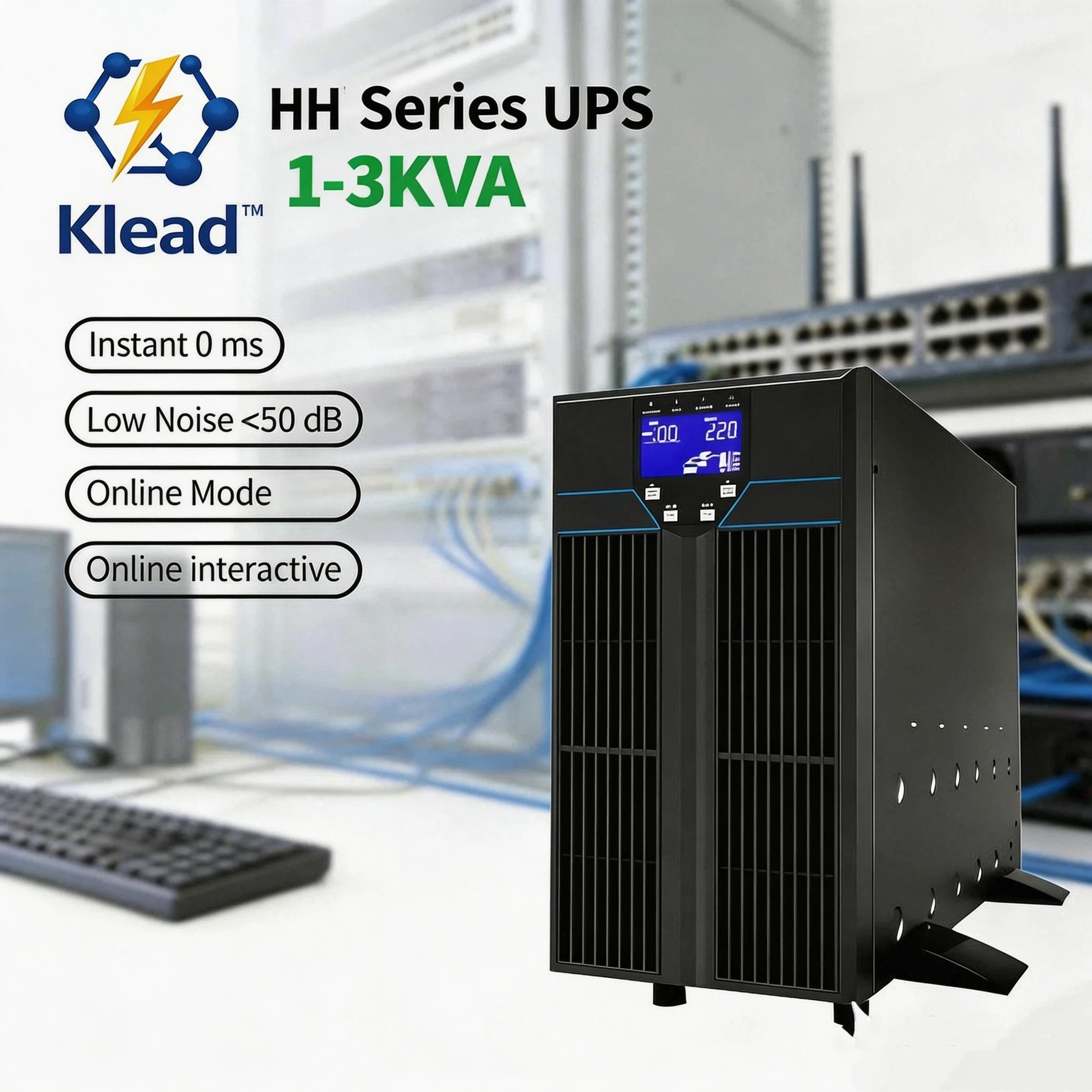
| AVR + UPS (line-interactive) | IT infrastructure needing both regulation and backup | Double conversion loss; limited runtime | Moderate (20–40% premium) |
| Digital AVR with IoT monitoring | Fleet management, predictive maintenance, remote sites | Requires network infrastructure; subscription telemetry fees possible | High (30–60% premium) |
Customer Feedback Synthesis
Aggregated from B2B platform reviews (ATO.com, TradeIndia, Made-in-China) and technical forums:
- Top 3 praised features: Digital voltage readout (real-time transparency), built-in bypass switch (enables hot-swapping), and phase-loss alarm (prevents motor burnout).
- Top 3 complaints: Inconsistent labeling of input range (some units mislabeled “200V” but only accept 190–210V), undersized cooling fans causing thermal shutdown under sustained 80% load, and missing UL/cUL certification documentation despite CE marking.
Maintenance, Safety & Legal Considerations
AVRs are low-maintenance but not zero-maintenance:
- Servo units: Inspect carbon brushes annually; replace every 2–3 years depending on cycling frequency.
- Solid-state units: Monitor heatsink temperature; clean dust filters quarterly.
- All types: Verify grounding continuity yearly; check input/output terminal torque per manufacturer spec.
Safety-wise, ensure the unit carries recognized certifications: IEC 61000-3-2 (harmonics), IEC 61000-4-5 (surge), and regional marks (e.g., BIS for India, SONCAP for Nigeria). Avoid uncertified imports — they often omit overtemperature cutouts and creepage distance margins.
Conclusion
If you need stable, predictable voltage for equipment calibrated to 200V operation, choose a servo-motor based AVR sized to your measured peak kVA +20%, with ±1.5% regulation, full 3-phase protection (if applicable), and certified safety compliance. If you run mission-critical systems demanding sub-10ms correction and zero transfer time, step up to solid-state — but validate ambient cooling first. If your site logs voltage within ±3% of 200V for >95% of the time, skip the AVR entirely and invest in targeted surge suppression instead. This piece isn’t for keyword collectors. It’s for people who will actually use the product.