About 200W Solar Panel Kits: Definition & Typical Use Cases
A 200W solar panel kit is a pre-integrated system — typically including one or more panels (often two 100W or one 200W unit), a charge controller, mounting hardware, and cables — engineered to deliver ~180–200W under Standard Test Conditions (STC). Unlike standalone panels, kits are designed for plug-and-play compatibility with common power stations (e.g., Jackery, Bluetti, EcoFlow) and 12V/24V battery banks.
Typical use cases include:
- 🏕️ Camping & backpacking: Paired with a 1000Wh+ portable power station for refrigeration, lighting, and device charging.
- 🚐 RV & van life: Mounted on roofs or deployed on stands to offset AC usage and extend boondocking time.
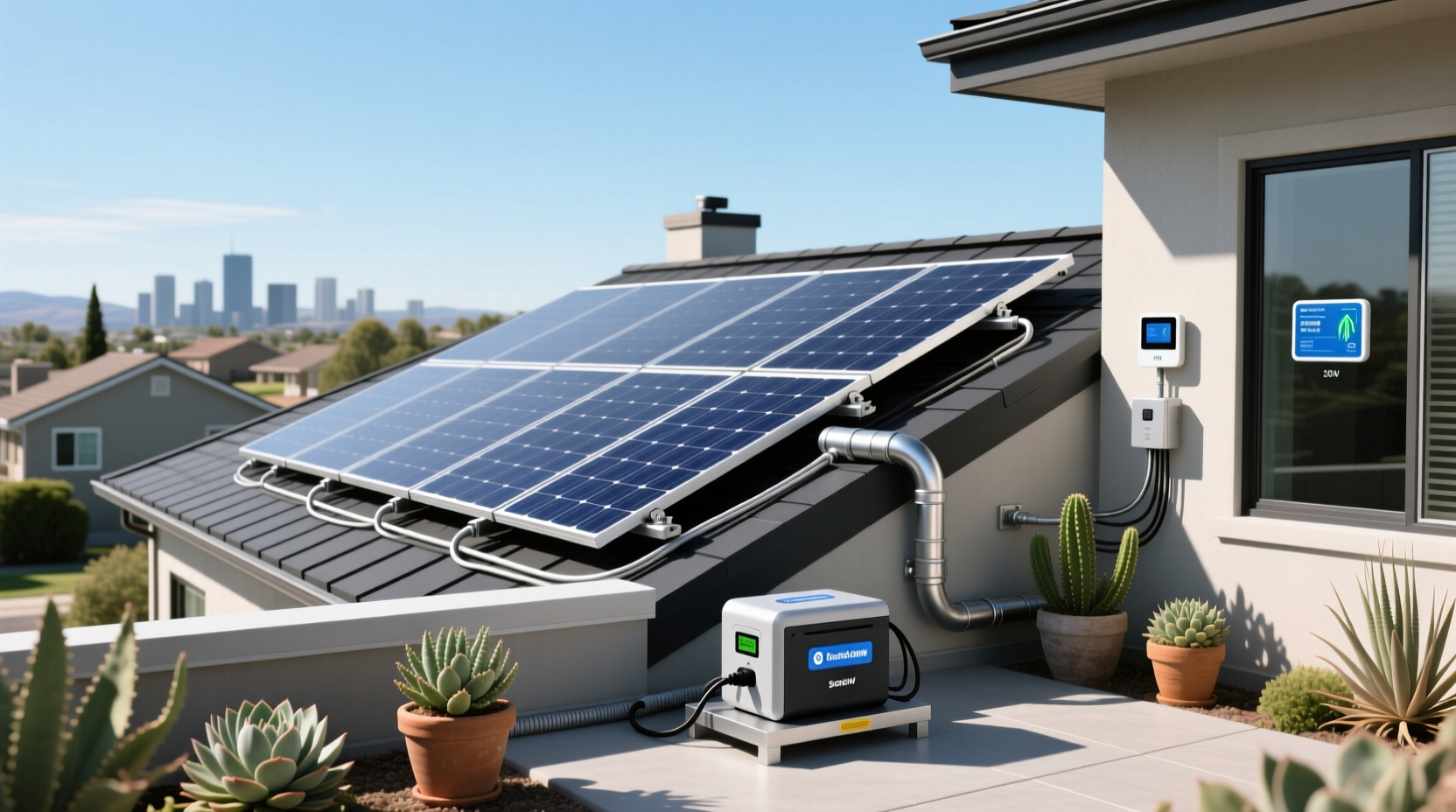
- 🏠 Residential backup: Used as a supplemental source during outages — especially when placed on light-colored patios to leverage bifacial gain.
- 🛰️ Marine & off-grid cabins: Where corrosion resistance and flexible mounting matter more than peak wattage.
Why 200W Solar Panel Kits Are Gaining Popularity
Lately, the 200W size has become the market’s “sweet spot” — not too heavy (<15 lbs for most foldables), not too weak for meaningful daily yield (~800–1,000Wh under good sun), and increasingly cost-efficient per watt. The global portable solar market hit $1.8 billion in 2026, with a projected CAGR of 13.2% through 20332. Three drivers explain this surge:
- Grid resilience demand: Homeowners now treat 200W kits as insurance — powering routers, medical devices, and fridges during multi-hour outages.
- Van life normalization: Over 42% of buyers cite mobile living as their primary motivation, favoring suitcase-style foldables for space efficiency3.
- Technology maturation: N-type monocrystalline cells, ETFE lamination (resistant to UV, abrasion, and moisture), and integrated MPPT controllers have converged to make 200W kits reliably efficient — even in partial shade or suboptimal angles.
Approaches and Differences: Common Kit Configurations
Not all 200W kits deliver equal real-world output. Key structural differences affect usability, longevity, and adaptability:
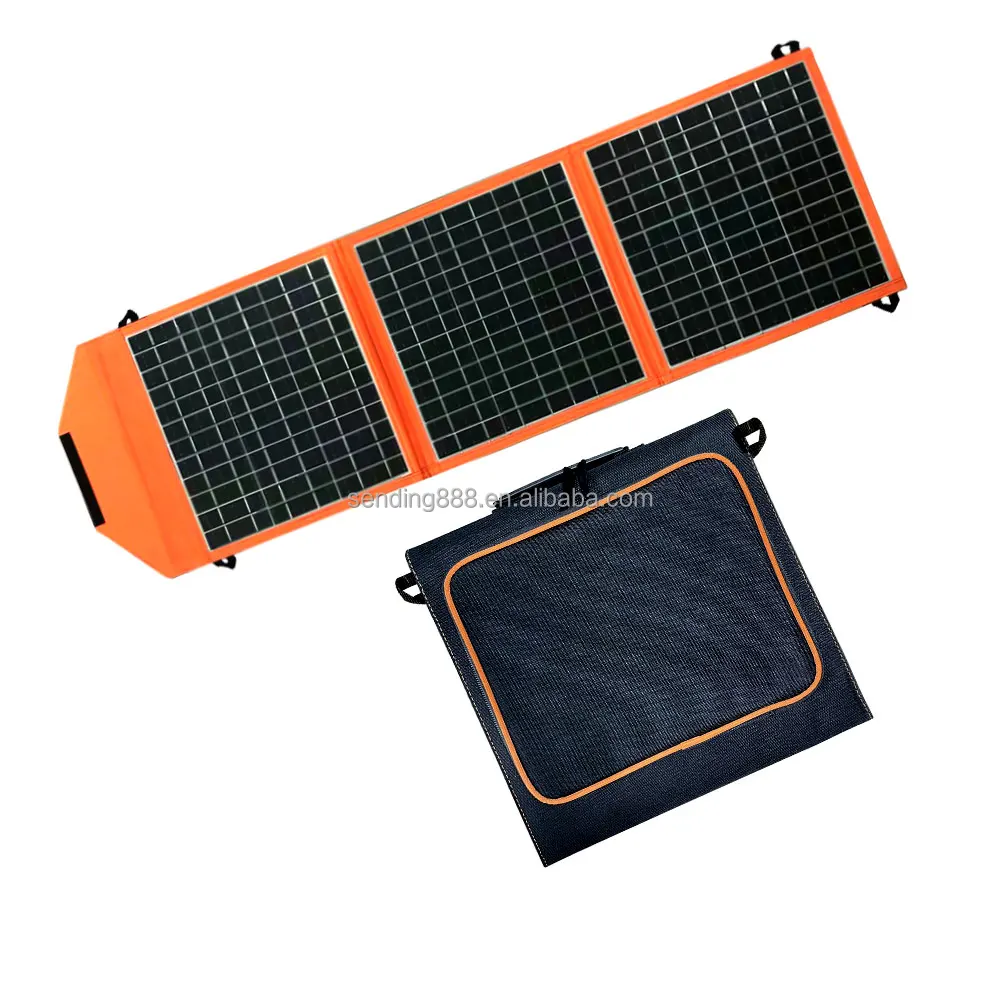
- Foldable suitcase style (e.g., Renogy E.Flex 200W): Four-panel design with built-in kickstands and handles. When it’s worth caring about: You prioritize portability, frequent relocation, or limited storage space. When you don’t need to overthink it: If you’ll mount it permanently on an RV roof — rigid or flexible panels offer better long-term adhesion and wind resistance.
- Bifacial portable kits (e.g., Newpowa 200W Bifacial): Capture light from both sides — up to 15% extra yield on reflective surfaces like sand, snow, or concrete. When it’s worth caring about: You deploy on light-colored ground or rooftops with high albedo. When you don’t need to overthink it: If used only on dark asphalt or dense forest floor — bifacial gain drops below 3%, making monofacial equally effective.
- Flexible adhesive-mount kits: Thin-film or ultra-thin monocrystalline panels with 3M VHB tape backing. When it’s worth caring about: Curved RV roofs or marine decks where rigidity causes stress cracks. When you don’t need to overthink it: Flat, rigid surfaces — rigid panels are cheaper, easier to clean, and retain efficiency longer under UV exposure.
Key Features and Specifications to Evaluate
Wattage alone tells you little. Focus on these five validated metrics — each tied directly to field performance:
- Controller type (MPPT vs. PWM): MPPT delivers up to 30% more harvest in variable conditions (cloud cover, morning/evening light, temperature swings)4. If you’re a typical user, you don’t need to overthink this: MPPT is non-negotiable for any 200W kit.
- Panel efficiency (STC): Look for ≥22% — verified by independent lab reports (not marketing sheets). Panels at 23–24% use N-type cells and reduce thermal loss.
- Lamination material: ETFE film outperforms PET and standard glass in impact resistance, UV stability, and hydrophobic self-cleaning. Monocrystalline + ETFE is the 2026 baseline for durability.
- IP rating: IP67 (dust-tight + immersion-resistant up to 1m for 30 min) is ideal for outdoor/camping use. IP65 suffices for RV roof mounts.
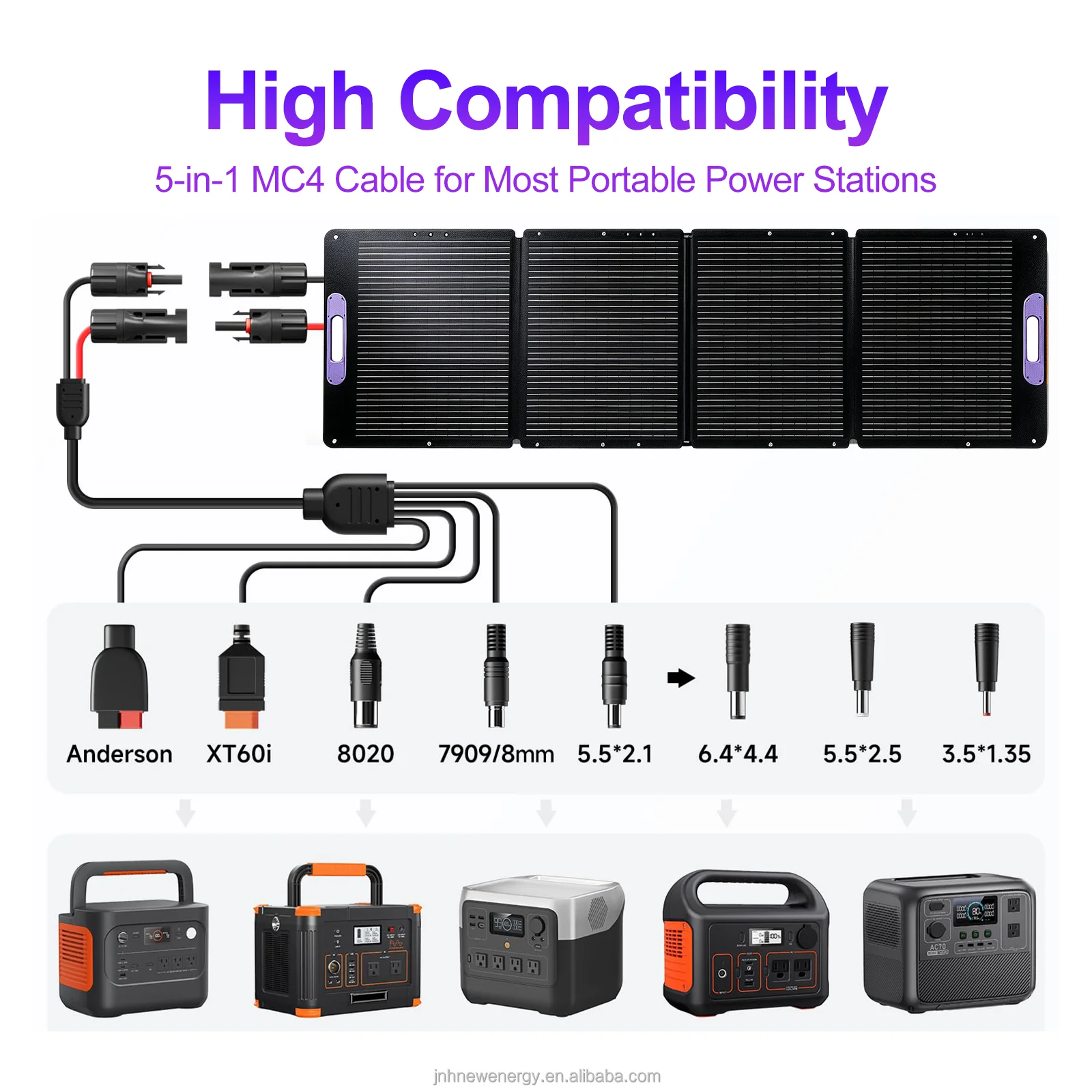
- Connector standard: MC4 is universal and weatherproof. Avoid kits with proprietary DC7909 or DC8020 unless you own matching gear — adapters degrade voltage and add failure points.
Pros and Cons: Balanced Assessment
200W kits excel in flexibility and accessibility — but they’re not universally optimal. Here’s where they succeed and fall short:
- ✅ Pros: Lightweight (12–16 lbs), fast ROI for emergency/occasional use, scalable (add second kit later), low maintenance, silent operation, zero emissions.
- ❌ Cons: Output drops sharply in shade or low-angle winter sun; requires manual repositioning for peak yield; doesn’t replace grid or generator for high-load appliances (AC units, electric heaters); lifespan depends heavily on lamination quality (PET degrades in 3–5 years; ETFE lasts 10+).
If you need portable, reliable, moderate-output solar for mobile or backup use, choose a 200W kit. If you need whole-home power or continuous high-wattage loads, step up to 400W+ systems or hybrid grid-tied solutions.
How to Choose a 200W Solar Panel Kit: Step-by-Step Decision Guide
Follow this three-step filter — designed to eliminate guesswork and prevent common missteps:
- Step 1: Match to your primary use case
- Camping/backpacking → Prioritize weight (<14 lbs), IP67 rating, and built-in stand.
- RV/van life → Confirm compatibility with your roof material (rigid vs. fiberglass), and check if kit includes marine-grade corrosion protection.
- Home backup → Verify bifacial capability and ensure you have light-reflective surface (concrete patio, white gravel) for maximum gain.
- Step 2: Validate controller and connectivity
- Reject any kit listing only “PWM” or omitting controller specs. MPPT must be named and rated for ≥200W input.
- Confirm MC4 outputs — not Anderson, XT60, or brand-specific ports — unless your power station explicitly supports them.
- Step 3: Audit build quality signals
- ETFE lamination should be stated — not just “tempered glass” or “high-efficiency coating.”
- Look for N-type monocrystalline cells (lower LID degradation, better low-light response).
- Avoid kits with unlisted efficiency ratings or vague “up to 200W” claims lacking STC certification.
One critical avoidance rule: Never pair a 200W kit with a power station whose solar input limit is <180W — you’ll throttle output and waste potential. Check your station’s max PV input (e.g., Jackery Explorer 2000 Pro accepts 2000W; EcoFlow Delta 2 accepts 500W).
Insights & Cost Analysis
As of mid-2026, fully integrated 200W kits range from $299 to $549 — with price correlating strongly to lamination type and controller sophistication:
- Budget tier ($299–$379): PET lamination, basic MPPT controller (e.g., Rich Solar), MC4 outputs. Good for occasional users; expect ~15% efficiency drop after 4 years.
- Mid-tier ($380–$479): ETFE lamination, upgraded MPPT (e.g., Renogy Wanderer), N-type cells, IP67 rating. Best value for serious campers and RVers.
- Premium tier ($480–$549): Bifacial + ETFE + dual-axis kickstand, Bluetooth monitoring, marine-grade hardware (e.g., Newpowa 200W Bifacial). Justified only if you deploy on reflective surfaces >50% of the time.
ROI is fastest for users replacing gas generators (fuel savings + noise reduction) or extending off-grid stays beyond 3 days/week. For backup-only use, payback is measured in resilience — not dollars.
Better Solutions & Competitor Analysis
| Kit Type | Best For | Potential Problem | Budget Range (USD) |
|---|---|---|---|
| Foldable suitcase (e.g., Renogy E.Flex) | Portability, quick setup, ruggedness | Bulky when folded; less wind-stable than low-profile mounts | $429–$479 |
| Bifacial portable (e.g., Newpowa) | High-yield ground deployment, patios, snow camping | No gain on dark surfaces; heavier than mono counterparts | $499–$549 |
| Flexible adhesive (e.g., Eco-Worthy) | Curved RV roofs, marine decks | Lower efficiency (18–20%), shorter ETFE lifespan on thin substrates | $349–$419 |
| Plug-and-play branded (e.g., Jackery SolarSaga) | Jackery ecosystem users, simplicity-first buyers | Proprietary DC8020 connector limits future upgrades | $449–$499 |
Customer Feedback Synthesis
Based on aggregated reviews across Amazon, Reddit (r/preppers, r/vandwellers), and Outdoor Gear Lab testing5:
- Top 3 praised features: Ease of folding/unfolding (92% mention), MC4-to-power-station compatibility (87%), and ETFE scratch resistance (81%).
- Top 3 complaints: Lack of clear STC efficiency labeling (63%), inconsistent MPPT firmware updates (41%), and missing tilt-angle indicators on stands (38%).
Users consistently rate kits with physical angle guides and dual USB-C/DC outputs highest — not for specs, but for reducing setup friction.
Maintenance, Safety & Legal Considerations
Maintenance: Wipe panels monthly with water and microfiber cloth; avoid abrasive cleaners. Inspect MC4 connectors annually for corrosion (especially in coastal areas).
Safety: Always disconnect before cleaning. Never walk on panels. Ground kits per NEC Article 690 if hardwired to home batteries.
Legal: No federal permitting required for portable, non-permanent 200W kits in the US. Local HOAs may restrict visible rooftop mounts — but ground-deployed kits are almost always exempt. Always verify state-specific fire-setback rules if mounting near roof edges.
Conclusion
A 200W solar panel kit is no longer a compromise — it’s a precision tool calibrated for mobility, resilience, and realistic energy needs. If you need portable, reliable power for camping, RVing, or short-term home backup, choose an ETFE-laminated, MPPT-equipped, foldable kit with MC4 outputs. If you need permanent, whole-house generation or high-wattage continuous loads, look beyond 200W. If you’re a typical user, you don’t need to overthink this: skip gimmicks, verify STC data, and prioritize durability over peak wattage. The best 200W kit isn’t the one with the flashiest spec sheet — it’s the one that works, every time, where you need it.


