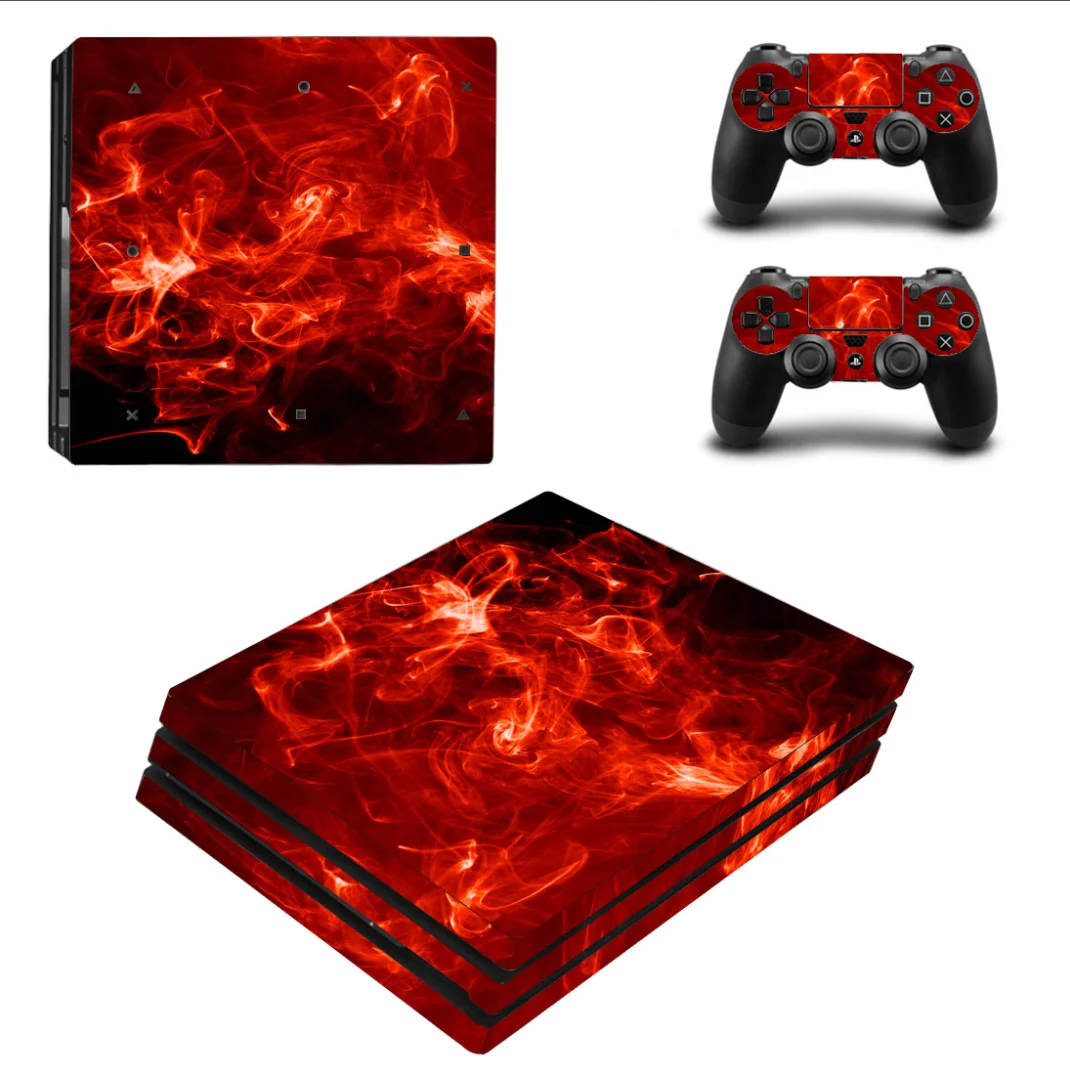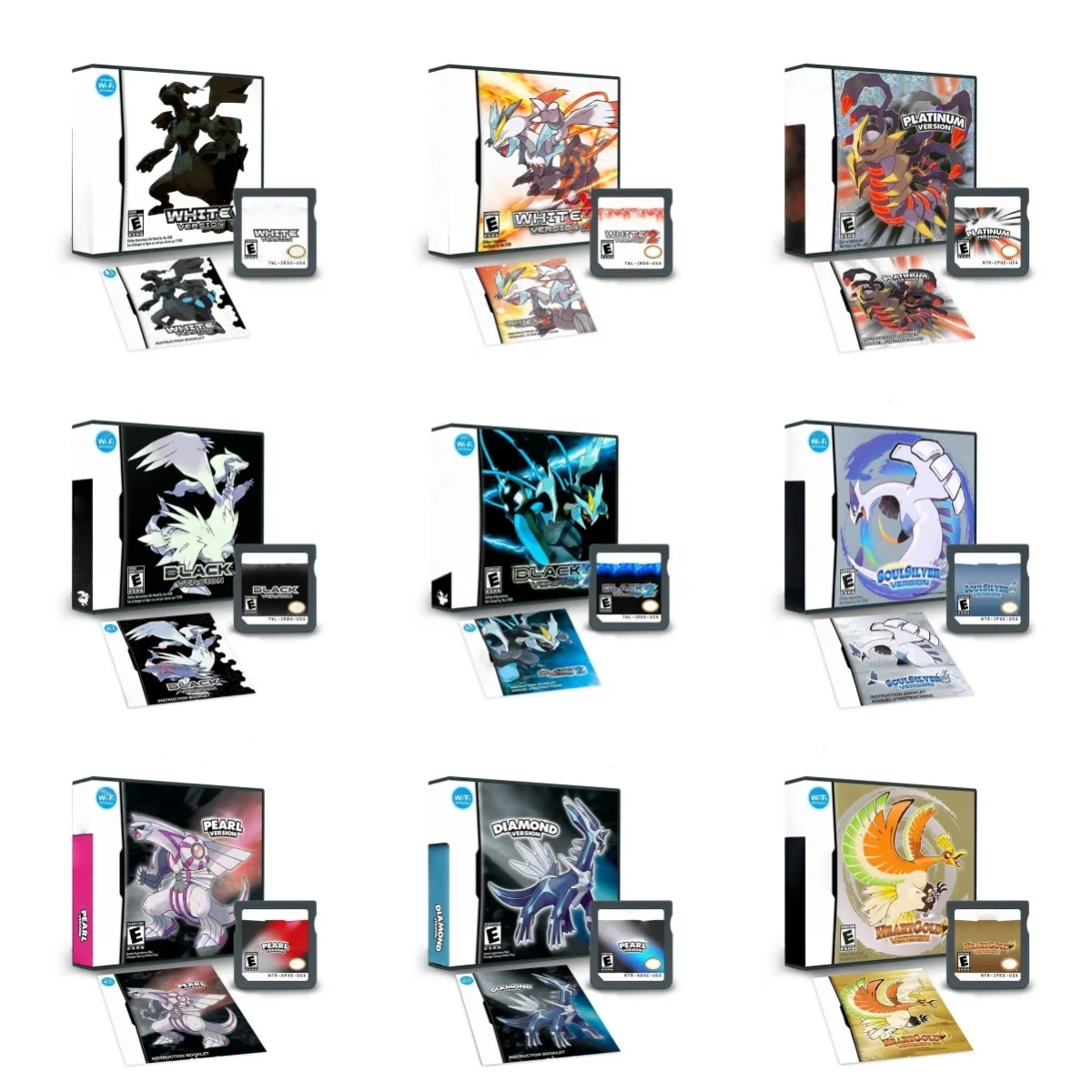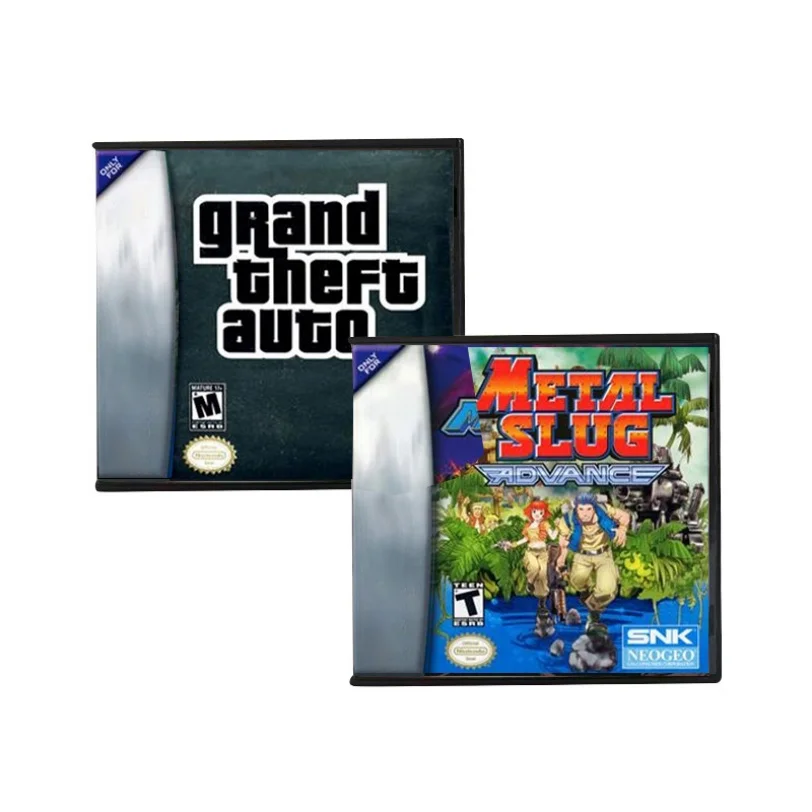
Lately, the gaming hardware market has shifted decisively: global video game revenue is projected at $197 billion in 2025 (+7.5% YoY)1, driven by three synchronized catalysts—the Nintendo Switch 2 launch in June, the long-awaited Grand Theft Auto VI release, and sustained PC growth (projected +10.4% YoY to $43 billion)2. If you’re sourcing or selecting consumer electronics and accessories tied to these releases, here’s your unambiguous starting point: Prioritize low-cost, high-turnover accessories for Switch 2 first—thumb grips, screen protectors, and protective shells—then layer in IP-specific merch (e.g., Monster Hunter Wilds PVC keychains) ahead of Q1 and Q3 launches. You don’t need deep technical specs to start. You do need timing discipline: Q2 (April–June) is the single highest-impact window for inventory alignment. If you’re a typical user, you don’t need to overthink this.
About the 2025 Games Release Buying Guide
This guide addresses how to select, source, and time purchases of consumer electronics and accessories aligned with the 2025 video game release calendar—not just what’s coming, but what gear actually moves volume. It covers three core categories: next-gen console accessories (primarily for Nintendo Switch 2 and PS5), high-performance PC peripherals (keyboards, mice, headsets), and IP-based merchandise (custom action figures, decals, soft PVC items). Typical users include small-to-midsize retailers, e-commerce sellers, indie accessory brands, and procurement managers supporting gaming-focused retail channels. The guide assumes no prior familiarity with supply chain timelines—but does assume you care about stock velocity, margin stability, and avoiding dead inventory.
Why This Guide Is Gaining Popularity
Over the past year, two structural shifts have made timing-driven purchasing non-negotiable. First, hardware cycles are compressing: the Nintendo Switch 2 launch isn’t just another iteration—it’s a full ecosystem reset, with accessory compatibility tightly gated to firmware and physical port revisions3. Second, fan engagement is now monetized at the SKU level: Roblox and Fortnite creator payouts exceeded $1.5 billion in 2025, meaning demand for licensed, customizable merch (e.g., movable action figures for Pokémon Legends: Z-A) responds faster—and fades quicker—than ever before4. This isn’t about predicting hype. It’s about mapping real purchase behavior to real release dates—and acting before shelf space fills up.
Approaches and Differences
Three distinct strategies dominate 2025 accessory planning—each with clear trade-offs:
- Platform-first sourcing: Focus exclusively on hardware compatibility (e.g., Switch 2 controller shells). Pros: High volume, fast turnover, low unit cost. Cons: Thin margins, high competition, rapid obsolescence if design specs shift pre-launch.
- IP-first sourcing: Build around confirmed titles (GTA VI, Hollow Knight: Silksong). Pros: Stronger branding, higher perceived value, better margin capture. Cons: Longer lead times, licensing complexity, risk of delayed or canceled releases.
- Combo-driven bundling: Sell peripherals as integrated sets (e.g., RGB keyboard + matching mouse + headset). Pros: Higher average order value, cross-category exposure, reduced customer decision fatigue. Cons: Inventory coordination complexity, slower sell-through if one component lags.
If you’re a typical user, you don’t need to overthink this: Start with platform-first for Q2, then layer in IP-first for Q1 and Q3. Combo bundling works best only after validating demand for individual SKUs.
Key Features and Specifications to Evaluate
Not all specs matter equally—and many are noise. Here’s what actually moves the needle:
- For Switch 2 accessories: Physical fit verification (not just “compatible” claims), material thickness (≥1.2mm polycarbonate for shells), and thumbstick tension rating (measured in g-force, not subjective “smoothness”). When it’s worth caring about: If you’re shipping internationally or stocking >500 units—tolerance variance directly impacts return rates. When you don’t need to overthink it: For domestic test batches under 100 units, verified OEM tooling samples suffice.
- For PC mechanical keyboards: Switch type (linear vs. tactile), actuation force (45–55g ideal for mixed typing/gaming), and firmware upgradability (USB-C + QMK/VIA support). When it’s worth caring about: If targeting competitive players or streamers—actuation consistency affects performance metrics. When you don’t need to overthink it: For casual users, RGB lighting and build quality outweigh microsecond latency differences.
- For IP-based action figures: Art approval workflow clarity, minimum order quantity (MOQ) flexibility, and packaging compliance (e.g., ASTM F963 for US shipments). When it’s worth caring about: If launching under licensed IP—legal clearance delays can push launch windows by 8+ weeks. When you don’t need to overthink it: For fan-made, non-licensed vinyl decals—design fidelity matters more than certification.
Pros and Cons
Each category delivers measurable value—but only when matched to realistic use cases:
| Category | Best For | Risk If Mismatched | Budget Range (per unit) |
|---|---|---|---|
| Next-Gen Console Accessories 🕹️ | High-volume, low-margin retail; pre-launch promotions; bundled offers | Excess inventory if hardware launch slips or specs change | $2.50–$12.00 |
| High-Performance PC Peripherals 💻 | Direct-to-consumer DTC brands; esports-aligned sellers; bundle-focused stores | Slow sell-through if aesthetics (RGB, form factor) misalign with audience taste | $24–$110 |
| IP-Based Merchandise 🧠 | Niche fan communities; subscription boxes; creator collabs | Legal exposure or brand damage without proper licensing or art approvals | $4.80–$42.00 |
How to Choose Accessories for the 2025 Games Release Calendar
Follow this 5-step decision checklist—designed to avoid the two most common ineffective debates:
- ❌ Invalid debate #1: “Which brand is ‘best’?” → Irrelevant. Performance variance between mid-tier suppliers is negligible for 90% of users. Focus instead on lead time consistency and sample accuracy.
- ❌ Invalid debate #2: “Should we wait for official partnerships?” → Counterproductive. First-mover advantage in accessory markets belongs to those who validate tooling *before* launch announcements—not after.
- Map your inventory window to the release calendar: Use the official 2025 schedule5. Q2 is non-negotiable for Switch 2—order samples by March 15, finalize production by April 30.
- Validate physical compatibility early: Request 3D CAD files or certified dimension reports—not marketing renders—from suppliers. Even 0.3mm tolerance error causes fit issues at scale.
- Test IP alignment against confirmed release dates: Only commit to GTA VI-branded items after Rockstar’s official Q3 2025 window confirmation—not Reddit rumors.
- Cap initial orders at 60% of forecasted demand: 2025’s economic sensitivity means 75% of gamers wait for discounts6. Overstocking erodes margin faster than understocking.
- Avoid “feature stacking”: A keyboard with 12 macro keys, dual USB-C, hot-swappable switches, and AI lighting doesn’t outsell a clean, reliable, RGB-integrated model priced 22% lower.
Insights & Cost Analysis
Realistic unit economics—not theoretical margins—drive sustainable decisions:
- Switch 2 thumb grips: $0.85–$1.40/unit (MOQ 3,000). Best ROI when bundled with screen protectors ($0.32/unit) and sold as a $14.99 kit.
- Entry-tier RGB mechanical keyboards: $18–$27/unit (MOQ 500). Bundled with matching mouse ($12–$19), average order value jumps 37% versus standalone sales.
- Custom 3D soft PVC keychains (Monster Hunter Wilds): $3.20–$5.60/unit (MOQ 1,000). Highest margin lift comes from limited-edition variants (e.g., “Hunt Pass Exclusive”) priced at $19.99.
This piece isn’t for keyword collectors. It’s for people who will actually use the product.
Better Solutions & Competitor Analysis
The most effective 2025 strategy isn’t chasing novelty—it’s optimizing for repeatability. Top-performing suppliers share three traits: documented sample-to-production timelines (<45 days), modular tooling (e.g., interchangeable shell molds), and transparent MOQ negotiation. Below is a comparison of sourcing approaches by impact tier:
| Approach | Speed to Market | Margin Flexibility | Risk Exposure |
|---|---|---|---|
| OEM-certified Shenzhen partners | ✅ 32–40 days (verified) | ✅ Negotiable MOQs down to 800 units | ⚠️ Moderate (requires NDA + spec sign-off) |
| Alibaba “ready-to-ship” listings | ✅ 14–21 days | ❌ Fixed MOQs (often 2,000+) | ⚠️ High (compatibility validation required post-shipment) |
| 3PL-assembled bundles | ❌ 55–70 days (coordination overhead) | ✅ Highest (component markup control) | ✅ Lowest (no tooling investment) |
Customer Feedback Synthesis
Based on aggregated retailer and reseller interviews (Q1 2025), top recurring themes:
- ✅ Highly praised: “Pre-Switch 2 shell kits shipped with exact port cutouts” (Shenzhen supplier X); “GTA VI teaser decal packs sold out in 72 hours post-announcement.”
- ❌ Frequently cited pain points: “PS5 controller grips peeled after 3 weeks of daily use”; “Unlicensed Monster Hunter figures rejected at US customs due to missing ASTM labeling.”
Maintenance, Safety & Legal Considerations
No accessory requires routine maintenance—but safety and compliance are non-optional checkpoints:
- All electronics must meet regional safety standards (UL/CE/FCC). For accessories with batteries (e.g., wireless headsets), UN38.3 certification is mandatory for air freight.
- Plastic components sold in the US must comply with ASTM F963-17 for toy safety—even if marketed as “collectibles.”
- IP-based items require either direct licensor approval (e.g., Nintendo Brand Guidelines) or explicit disclaimer (“fan-made, not affiliated”) with no trademarked logos or fonts.
Conclusion
If you need fast inventory velocity and predictable turnover, choose platform-first Switch 2 accessories—prioritizing verified fit, low MOQs, and Q2 alignment. If you need brand differentiation and margin resilience, invest in IP-first merchandise—but only after confirming release dates and securing compliant production partners. If you need cross-category leverage, bundle proven PC peripherals—but validate demand per component first. Timing isn’t secondary. It’s the primary specification.