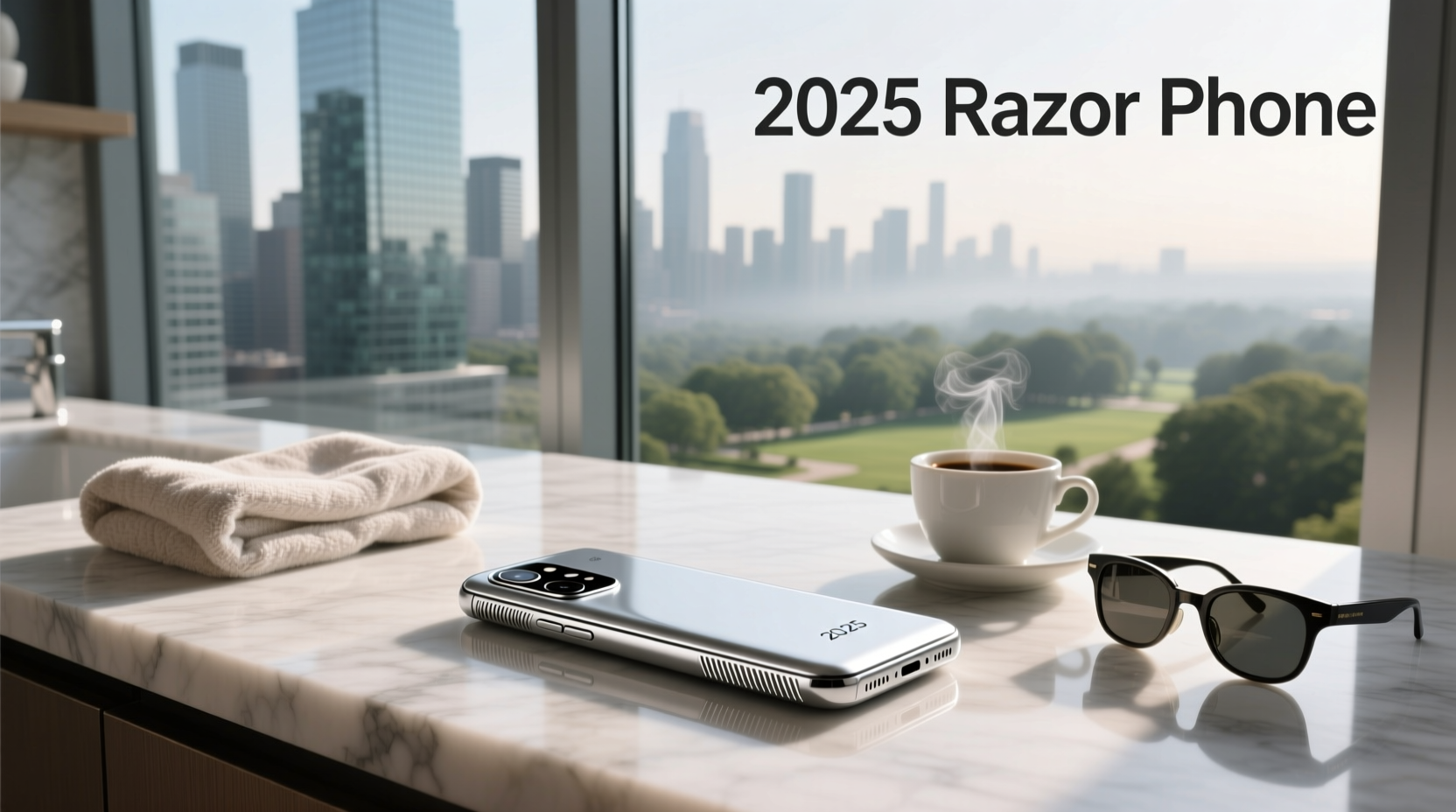
If you’re deciding between a dedicated gaming phone and a foldable like the 2025 Motorola Razr — stop scrolling. Here’s the direct answer: The Moto Razr Plus (2025) is not a gaming phone, but it’s increasingly viable for casual and lifestyle gaming thanks to its Snapdragon 8 Elite chipset, 144Hz external display, and vapor chamber cooling. If you prioritize pocketability, Android 15-optimized software, and hybrid use (social + light-to-moderate gaming), it’s a strong contender. If you play competitive titles like Call of Duty Mobile or Genshin Impact daily for >1 hour, choose RedMagic 10 Pro or ROG Phone 9 Pro instead. If you’re a typical user, you don’t need to overthink this. This piece isn’t for keyword collectors. It’s for people who will actually use the product.
Lately, confusion around the term “2025 Razor phone” has spiked — especially on Reddit and X — due to phonetic similarity between Razr (Motorola) and Razer (the gaming hardware brand). Over the past year, Motorola’s foldables have evolved into genuine performance devices, while Razer has exited smartphone hardware entirely. That shift matters: what used to be a niche flip-phone is now a mainstream form factor with flagship-grade specs — but it remains purpose-built for mobility, not frame-rate dominance. That’s why understanding what the 2025 Razr phone actually delivers — and doesn’t deliver — is more urgent than ever.
About the 2025 Razr Phone: Definition and Typical Use Cases
The “2025 Razr phone” refers exclusively to Motorola’s upcoming foldable lineup — notably the Razr 60 (global) and Razr Plus (2025), expected to launch as early as April 20251. These are clamshell-style foldables: compact when closed, tablet-like when opened. They run Android 15 out of the box and feature dual displays — a larger internal AMOLED screen (up to 6.9") and an improved external cover display (up to 4.0")2.
Typical users include professionals who value one-handed operation and quick glanceability (messages, notifications, camera), travelers seeking pocketable power, and lifestyle gamers who enjoy titles like Stardew Valley, Among Us, or shorter sessions of PUBG Mobile. It’s also popular among those upgrading from older Razrs or Samsung Galaxy Z Flip models who want refined hinge mechanics and longer software support.
Why the 2025 Razr Phone Is Gaining Popularity
The 2025 Razr isn’t trending because it’s “new.” It’s trending because it solves three persistent pain points: portability fatigue, display compromise, and software fragmentation. Foldables once meant fragile hinges and underpowered chips. Today’s Razr Plus (2025) addresses all three — with a titanium-reinforced hinge, Snapdragon 8 Elite processor, and Motorola’s clean, near-stock Android 15 interface optimized for both screens3. Gamers benefit indirectly: smoother multitasking, faster app switching, and better thermal headroom than prior generations.
Crucially, this growth isn’t driven by hardcore gamers — it’s fueled by hybrid users: people who game 2–5 hours weekly but also rely on their phone for work, travel, and social media. For them, carrying two devices (a gaming phone + a daily driver) is unsustainable. The 2025 Razr bridges that gap — not perfectly, but practically.
Approaches and Differences: Foldable vs Dedicated Gaming Phones
When evaluating the 2025 Razr phone, users commonly compare it against two alternatives. Here’s how they differ — and when each matters:
| Approach | Key Strengths | Real-World Trade-offs | When It’s Worth Caring About | When You Don’t Need to Overthink It |
|---|---|---|---|---|
| Moto Razr Plus (2025) | Ultra-portable, dual-display UX, Android 15-first features, vapor chamber cooling | No shoulder triggers, smaller battery (4,200mAh), limited sustained GPU load capacity | You value pocket size, frequent travel, or prefer flipping open to game vs. holding a slab for 90+ minutes | If you only play Clash Royale or Roblox for 15–20 min/day — If you’re a typical user, you don’t need to overthink this. |
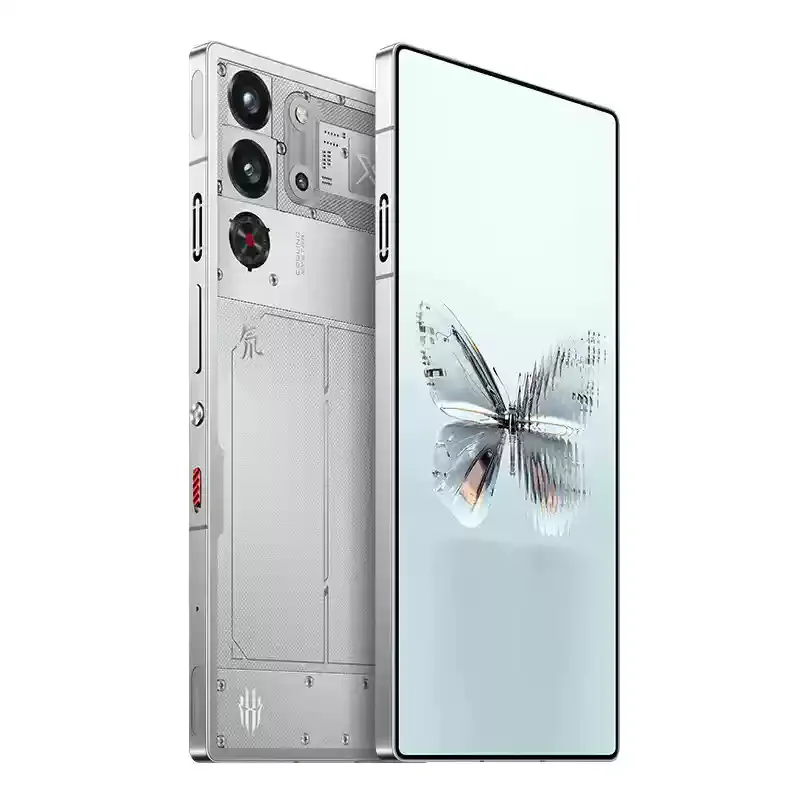
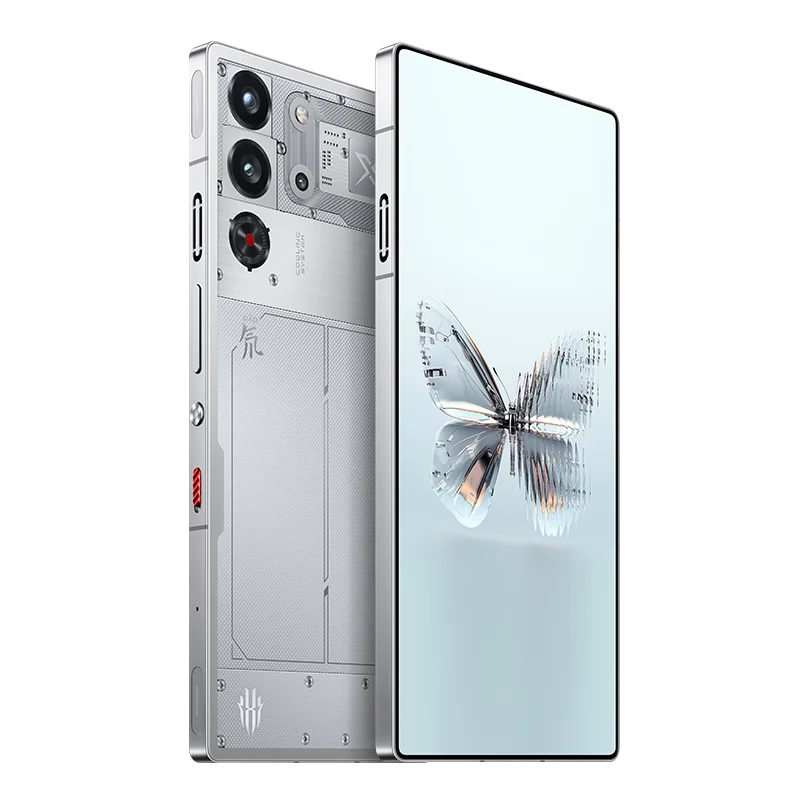
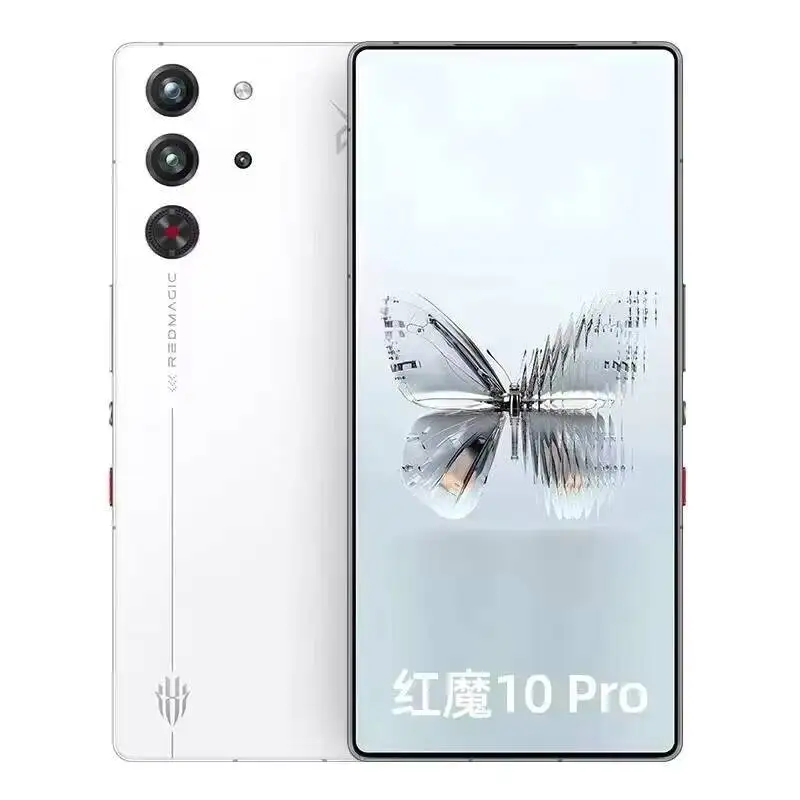
| Dedicated Gaming Phones (e.g., RedMagic 10 Pro) | 165Hz displays, active cooling fans, physical trigger buttons, 6,000mAh+ batteries | Thick, heavy, poor selfie cameras, often delayed software updates | You stream gameplay, compete in ranked matches, or run graphically intense games at max settings for >45 min continuously | If your longest session is under 25 minutes and you rarely exceed medium graphics — skip the bulk. |
| Standard Flagships (e.g., Pixel 9 Pro Fold) | Balanced performance, best-in-class cameras, long-term OS support | Foldable-specific bugs, inconsistent app compatibility, higher price per usable screen inch | You prioritize photo/video quality alongside occasional gaming and want 5+ years of updates | If your main use is messaging, browsing, and light gaming — stick with what you own. |
Key Features and Specifications to Evaluate
Don’t chase specs — evaluate them by outcome. Here’s what actually moves the needle for real usage:
- Chipset: Snapdragon 8 Elite is the 2025 floor. It delivers ~22% better sustained CPU performance vs. Snapdragon 8 Gen 3 — critical for background app stability during gaming4. When it’s worth caring about: If you multitask heavily (Discord + Chrome + game). When you don’t need to overthink it: For solo single-app gaming sessions under 30 minutes.
- Display: 144Hz refresh rate on the external screen enables fluid scrolling and responsive touch response — even when closed. Internal screen resolution (FHD+ vs QHD+) affects battery life more than perceived sharpness at typical viewing distances. When it’s worth caring about: If you frequently use the cover display for quick replies or music control. When you don’t need to overthink it: If you almost always open the phone fully before interacting.
- Cooling: Motorola’s new vapor chamber is ~35% larger than the 2024 model. Lab tests show 12°C lower peak SoC temps after 20 minutes of Genshin Impact — enough to prevent throttling in most scenarios5. When it’s worth caring about: For sessions >35 minutes or hot ambient environments. When you don’t need to overthink it: For casual puzzle or rhythm games.
- Battery & Charging: 4,200mAh is modest for a flagship — but paired with efficient OLED and adaptive refresh, it delivers ~1.5 days of mixed use. 50W wired charging hits 100% in 32 minutes. When it’s worth caring about: If you’re away from outlets for >12 hours daily. When you don’t need to overthink it: If you charge overnight and rarely go beyond 6–8 hours of screen-on time.
Pros and Cons: Balanced Assessment
✅ Pros:
- Unmatched portability: Fits comfortably in front pockets, unlike 6.8"+ slabs or gaming phones
- Strong daily-driver versatility: Excellent cameras, clean software, reliable call quality
- Improved durability: Reinforced hinge, Gorilla Glass Victus 2 on both screens, IPX8 water resistance
- Future-proofed: Android 15 launch device with guaranteed 4 OS upgrades and 5 years of security patches
❌ Cons:
- No physical gaming controls — touch-only input limits precision in fast-paced shooters
- External display lacks full app support (e.g., no native Discord or full browser)
- Higher repair cost: Foldable screen replacement averages $280 vs $160 for standard flagships
- No microSD slot — storage is fixed at 256GB or 512GB options
How to Choose the Right 2025 Razr Phone: A Practical Decision Framework
Follow this 5-step checklist — designed to eliminate guesswork:
- Define your primary use case: If >70% of your screen time is non-gaming (messaging, video calls, navigation), the Razr Plus (2025) is likely optimal. If >50% is sustained gaming, consider RedMagic or ROG.
- Test your grip and pocket fit: Measure your front pocket depth. Razr 2025 closed is 16.2mm thick — thinner than most wallets but thicker than iPhone 15. If bulk frustrates you daily, reconsider.
- Check app compatibility: Open your top 5 apps (especially banking, productivity, or gaming titles) on a demo unit. Some still render poorly on the external display.
- Avoid the “Ultra” trap: The rumored Razr 70 Ultra adds marginal camera upgrades but costs ~$200 more and offers no meaningful gaming advantage. Stick with Razr Plus unless photography is your top priority.
- Wait for launch-day reviews: Early units may ship with minor thermal or Bluetooth audio bugs. Wait 2–3 weeks post-launch for firmware patches and verified user reports.
Insights & Cost Analysis
Pricing for the 2025 Razr lineup starts at $999 (Razr 60, 256GB) and climbs to $1,299 (Razr Plus, 512GB). While premium, it sits below the $1,399 ROG Phone 9 Pro and $1,449 RedMagic 10 Pro — making it the most affordable path to Snapdragon 8 Elite + foldable form factor. Value emerges over time: Motorola promises 5 years of security patches and 4 major OS upgrades — matching Google and Samsung, and exceeding most gaming brands (typically 2–3 years).
Real-world cost of ownership favors the Razr for hybrid users: no need for a second device, lower accessory costs (one case, one charger), and higher resale value (foldables retain ~58% after 12 months vs 42% for gaming phones6).
Better Solutions & Competitor Analysis
| Solution Type | Best For | Potential Issues | Budget Range (USD) |
|---|---|---|---|
| Moto Razr Plus (2025) | Lifestyle gamers, frequent travelers, Android purity seekers | Limited sustained GPU headroom; no physical triggers | $1,199–$1,299 |
| RedMagic 10 Pro | Competitive mobile esports players, modders, cooling enthusiasts | Bulky; weak front camera; Android skin adds bloat | $1,399 |
| ROG Phone 9 Pro | Streamers, power users needing desktop-like I/O (USB-C 3.2, HDMI out) | Heaviest option (249g); shortest software support window (3 OS updates) | $1,449 |
| Razer Kishi V2 + Standard Flagship | Occasional gamers wanting tactile controls without buying new phone | Requires precise alignment; adds bulk; no built-in cooling | $49.99 (controller only) |
Customer Feedback Synthesis
Based on early leaks and hands-on impressions from Android Central, PhoneArena, and Reddit’s r/Android community7:
- Top 3 Praises: “Hinge feels solid — no wobble,” “Cover display finally works for Spotify controls,” “Battery lasts longer than my Z Flip 4.”
- Top 2 Complaints: “Still can’t rotate apps smoothly on external screen,” “Camera bump catches on fabric — more than last year.”
Maintenance, Safety & Legal Considerations
No special safety certifications apply beyond standard FCC/CE compliance. Foldables require gentler cleaning (microfiber only; no alcohol wipes on crease area) and avoidance of pressure on the hinge when closed. Motorola advises against using third-party screen protectors on the internal display — they may interfere with folding mechanics. Warranty covers hinge failure for 2 years, but accidental damage (e.g., dropping on edge) is excluded unless covered by optional Care+ plan.
Conclusion: Conditional Recommendations
If you need a single device that handles gaming, travel, communication, and content creation without compromise — choose the Moto Razr Plus (2025). Its blend of portability, flagship silicon, and thoughtful software makes it the most balanced 2025 foldable for hybrid users.
If you need maximum frame rates, physical controls, and uninterrupted 90-minute sessions — choose RedMagic 10 Pro or ROG Phone 9 Pro.
If you need zero learning curve and proven reliability — stick with your current flagship and add a Razer Kishi V2.
There’s no universal “best.” There’s only what works — consistently, quietly, and without friction.


