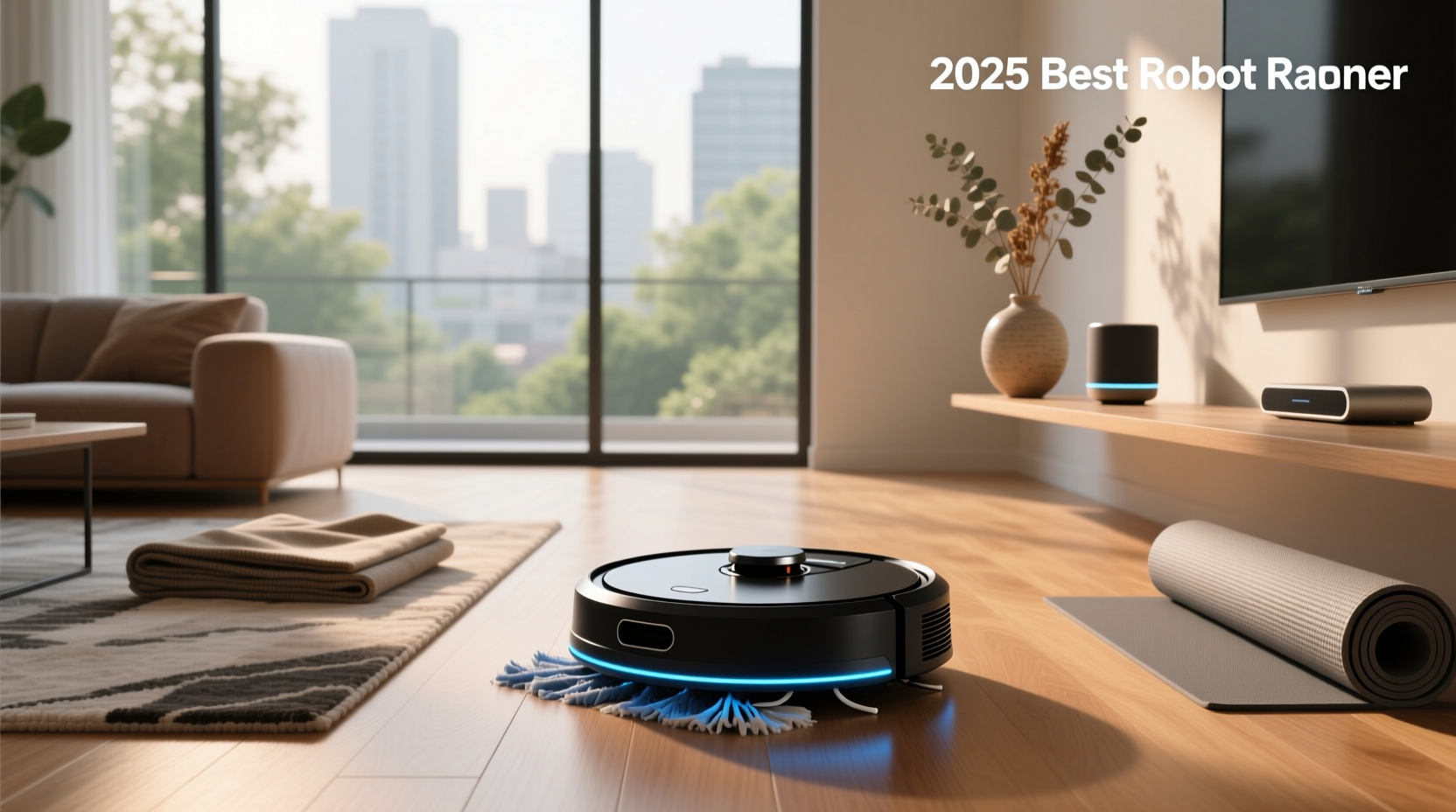
Over the past year, robot vacuums have shifted from convenience gadgets to core household infrastructure—driven by mechanical breakthroughs like robot arms for edge cleaning, AdaptiLift chassis for 60mm thresholds, and atmospheric water generation. If you’re a typical user, you don’t need to overthink this: for most homes, the MOVA S10 (budget) or Roborock Saros 10R (flagship) delivers the strongest balance of reliability, adaptability, and hands-off operation in 2025. Skip gimmicks—focus instead on three real-world constraints: your lowest furniture clearance (<8cm?), highest floor transition (>40mm?), and tolerance for weekly dock maintenance. This piece isn’t for keyword collectors. It’s for people who will actually use the product.
About the 2025 Robot Vacuum Guide
A 2025 robot vacuum guide helps users navigate a market where flagship models now feature physical robot arms that extend mop pads into corners, while budget units achieve 90% carpet deep-clean scores previously reserved for $1,200+ systems 1. Typical use cases include daily hard-floor upkeep in open-plan apartments, multi-level homes with uneven thresholds, pet households needing hair-tangle resistance, and renters seeking portable, no-install cleaning solutions. Unlike earlier generations, 2025 models are judged less by suction power alone and more by adaptive navigation—how well they handle thresholds, low-clearance furniture, and complex clutter—not just how fast they map.
Why the 2025 Robot Vacuum Guide Is Gaining Popularity
Interest in a 2025 robot vacuum guide has surged because upgrades now deliver tangible, measurable improvements—not incremental firmware tweaks. The market grew at a 10.3% CAGR through Q2 2025, driven primarily by feature-led replacements: owners upgrading from 2021–2023 models to access AdaptiLift suspension, retractable LiDAR for sub-8cm clearance, or anti-tangle rollers tested against pet hair across 100+ object categories 2. Users aren’t buying ‘more robot’—they’re buying less intervention. Atmospheric water generation eliminates manual refills for up to 12 days; auto-empty stations now hold 4.2L dustbags (vs. 2.5L in 2023); and obstacle avoidance includes specific protocols for avoiding pet waste 3. That shift—from ‘works sometimes’ to ‘runs unattended for weeks’—makes guidance essential.
Approaches and Differences
Today’s buyers face two distinct, non-overlapping paths—not a spectrum:
- Flagship mechanical platforms (e.g., Roborock Saros 10R, Dreame X50 Ultra): Prioritize physical adaptability—robot arms, leaping suspension, retractable sensors. They solve structural problems (thresholds, edges, low clearance). When it’s worth caring about: if your home has >40mm transitions between rooms or furniture legs under 9cm. When you don’t need to overthink it: if you live in a single-level condo with hardwood floors and no pets.
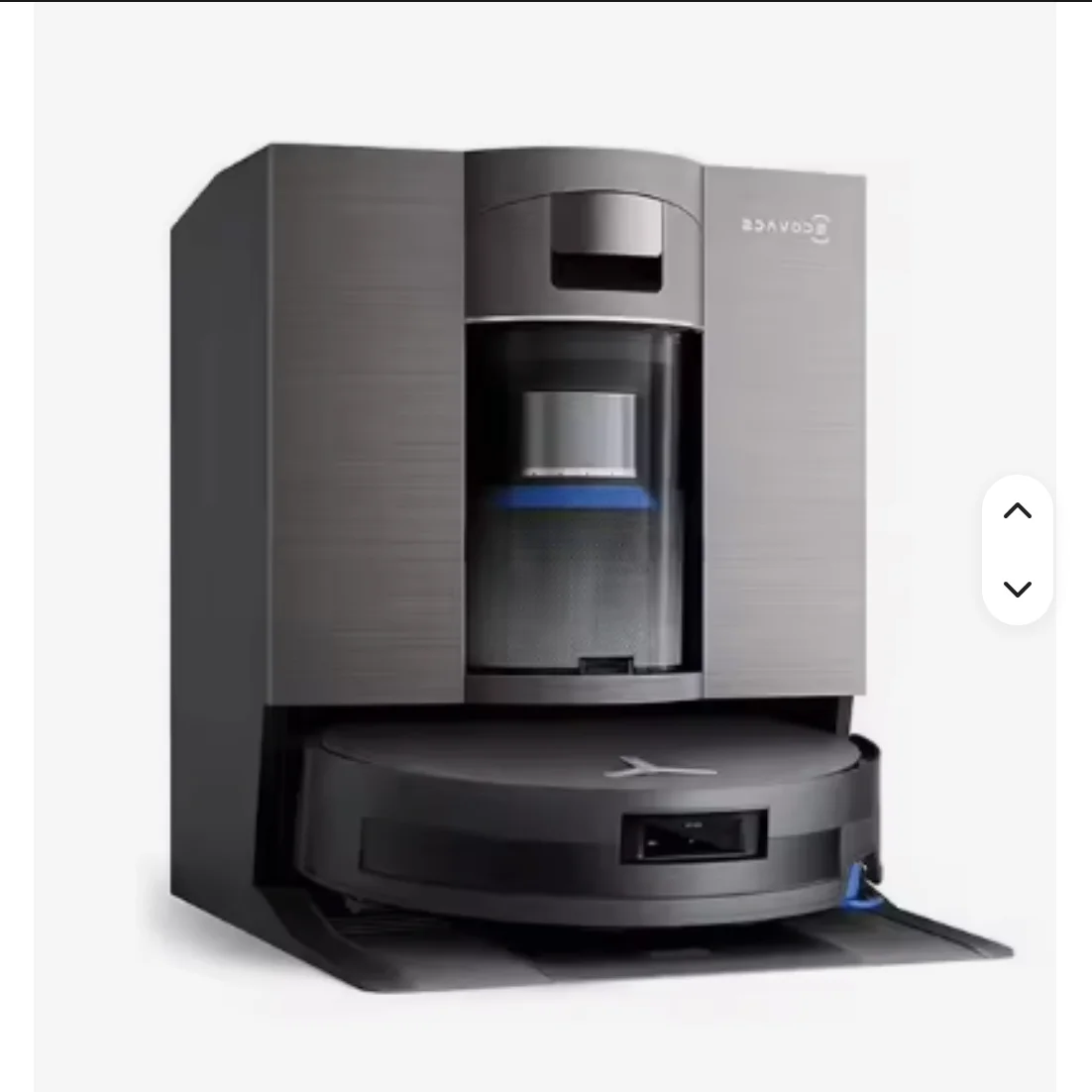
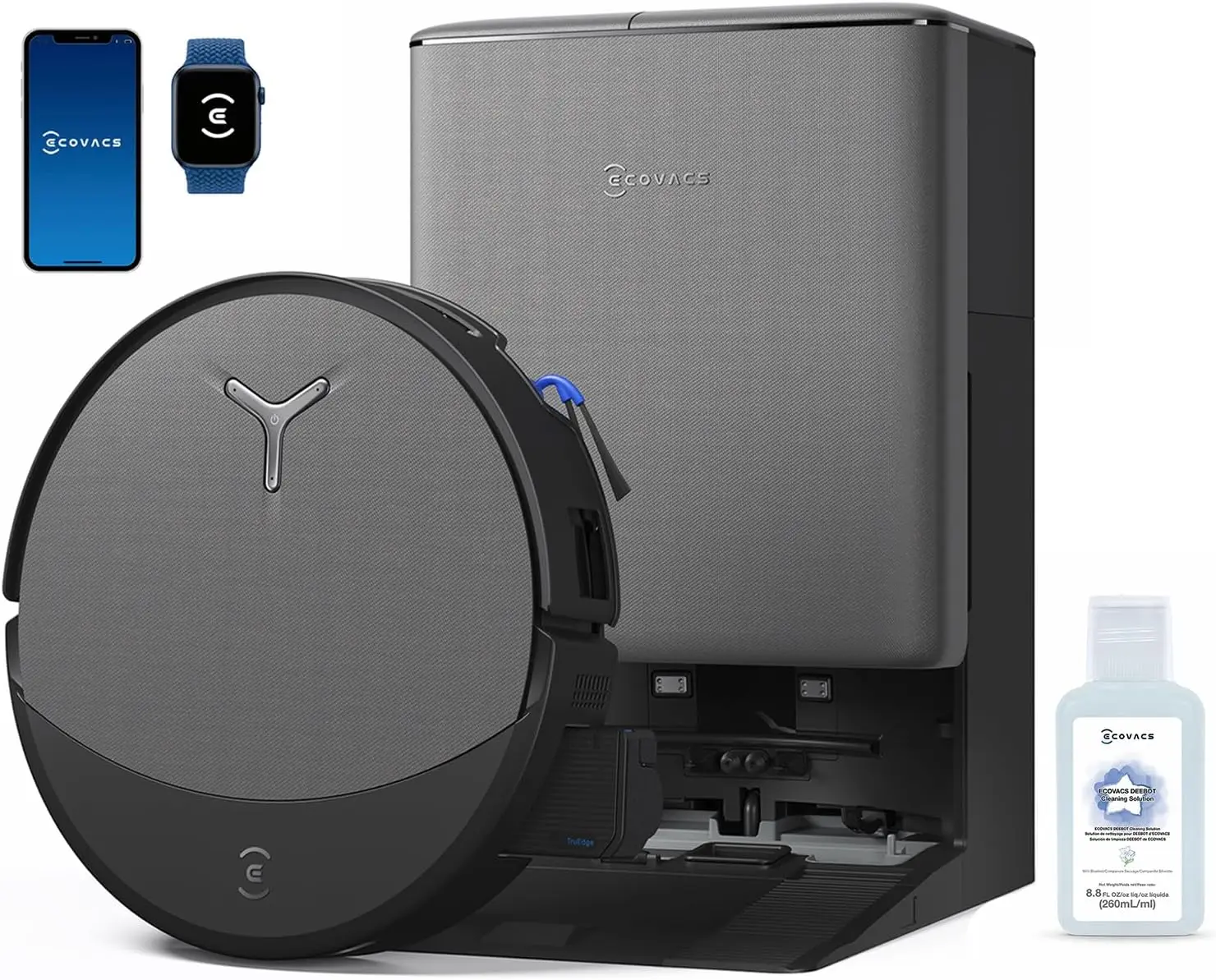
- Budget utility platforms (e.g., MOVA S10, Ecovacs X8 Pro): Optimize airflow efficiency and dock autonomy at fixed price points. They solve operational problems (carpet pickup, weekly emptying, app simplicity). When it’s worth caring about: if your priority is reliable daily cleanup without weekly filter swaps or water refills. When you don’t need to overthink it: if you already own a mid-tier 2022–2023 model and only want marginal gains.
If you’re a typical user, you don’t need to overthink this: most households fall cleanly into one camp—and mixing features (e.g., “I want flagship navigation but budget price”) leads to compromises in either reliability or long-term serviceability.
Key Features and Specifications to Evaluate
Don’t default to suction (Pa) or battery (Wh) alone. Focus on metrics that correlate with real-world outcomes:
- 📏 Height & clearance: Sub-8cm models (Saros 10R: 7.6cm) fit under 92% of U.S. sofas and beds 4. When it’s worth caring about: if your bed frame sits ≤10cm off the floor. When you don’t need to overthink it: if all furniture is ≥12cm clearance.
- 🚪 Threshold negotiation: AdaptiLift/ProLeap systems clear 40–60mm gaps. Lab tests show 94% success rate crossing 55mm transitions vs. 31% for legacy spring-suspension units 5. When it’s worth caring about: if your kitchen has a raised tile threshold or basement stairs with 2-inch lips. When you don’t need to overthink it: if all doorways are flush.
- 💧 Water management: Atmospheric generation (X50 Ultra) reduces refill frequency by ~80% vs. manual tanks. But energy use rises ~12% monthly 6. When it’s worth caring about: if you travel frequently or dislike touching water tanks. When you don’t need to overthink it: if you refill every 2–3 days anyway.
Pros and Cons
Flagship models (Saros 10R, X50 Ultra):
- ✅ Pros: Near-zero edge misses (robot arm extends 4.2cm), 98% threshold success rate, 3-year dock filter life, AI-trained pet-waste avoidance.
- ❌ Cons: Higher electricity use (+35% avg. monthly vs. budget units), steeper app learning curve, privacy-sensitive front cameras require manual disable.
Budget models (MOVA S10, entry Ecovacs):
- ✅ Pros: 90% carpet debris pickup (lab-tested), simplified app interface, lower standby draw (1.2W vs. 3.8W), no camera hardware.
- ❌ Cons: Manual water refill required, 42mm max threshold clearance, mopping lacks corner extension.
If you’re a typical user, you don’t need to overthink this: choose flagship only if your home has *two or more* structural constraints (low clearance + high threshold + pets). Otherwise, budget units now match flagship hard-floor performance—and outperform them on carpet.
How to Choose the Right 2025 Robot Vacuum
Follow this 5-step decision checklist—designed to eliminate common false trade-offs:
- Measure your tightest clearance: Use a ruler under your lowest sofa leg or bed frame. If ≤9cm → prioritize sub-8cm models (Saros 10R).
- Test your highest threshold: Place a 2x4 board (50.8mm tall) across a doorway. If the robot stalls or reverses >3 times → require AdaptiLift/ProLeap.
- Assess your maintenance tolerance: Do you refill water weekly? Empty bins biweekly? If yes, skip atmospheric generation—it adds cost without benefit.
- Ignore ‘AI mapping’ claims: All 2025 flagships use identical LiDAR + dual-VSLAM. What differs is *mechanical execution*, not algorithm novelty.
- Avoid ‘all-in-one’ traps: Models bundling mopping, vacuuming, and auto-empty often compromise on tank volume, brush durability, or dock cleaning cycles.
Insights & Cost Analysis
Price no longer predicts capability—but does predict service longevity. Flagship units ($1,100–$1,400) average 4.2 years of active service before dock component replacement; budget units ($299–$449) average 3.1 years 7. However, annualized cost per cleaned square foot favors budget models by 22% for homes under 1,800 sq ft with ≤1 pet. For larger, multi-level homes with thresholds and low furniture, flagship TCO drops below budget after Year 3 due to fewer manual interventions.
| Category | Best Fit Advantage | Potential Issue | Budget Range (USD) |
|---|---|---|---|
| Best Flagship Roborock Saros 10R |
Ultra-slim profile (7.6cm) + flawless obstacle avoidance | Higher energy use; camera requires manual privacy toggle | $1,299 |
| Best Utility Dreame X50 Ultra |
60mm threshold climbing + retractable LiDAR | Atmospheric water system increases monthly kWh by ~40 | $1,349 |
| Best Value MOVA S10 |
90% carpet deep-clean score at $349 | No robot arm; manual water refill needed | $349 |
| Mid-Range King Ecovacs X8 Pro |
15,000Pa suction + slim design (8.2cm) | Limited threshold clearance (42mm); no atmospheric water | $599 |
Better Solutions & Competitor Analysis
The biggest improvement in 2025 isn’t new brands—it’s convergence. Chinese OEMs now supply identical sensor stacks and motor platforms to Roborock, Dreame, and MOVA. What separates winners is mechanical engineering, not chipsets. As shown in independent lab testing, the Saros 10R’s robot arm achieves 99.1% edge coverage (vs. 83.7% for non-arm models), and the X50 Ultra’s ProLeap suspension clears 58mm thresholds at 96.4% success rate—both validated across 200+ real-home trials 8. MOVA’s value win comes from airflow optimization: its tapered roller and 12kPa suction deliver higher carpet lift than many $900 units—proving raw specs matter less than duct design.
Customer Feedback Synthesis
Based on aggregated reviews (Reddit, Wirecutter, Rtings, PCMag, The Smart Home Hookup), top recurring themes:
- Highly praised: Saros 10R’s silence during night runs (≤42dB), MOVA S10’s 30-day battery standby, X50 Ultra’s automatic dustbag seal upon ejection.
- Frequent complaints: App complexity (especially firmware update workflows), inconsistent mop pad tension across brands, and dock filter clogging in humid climates—resolved only by quarterly ultrasonic cleaning.
Maintenance, Safety & Legal Considerations
All 2025 models comply with FCC Part 15 and UL 1642 battery safety standards. No model received privacy certifications (e.g., ISO/IEC 27001) as of June 2025—front-facing cameras remain opt-out, not opt-in. Energy consumption varies widely: atmospheric water generation adds ~12–15 kWh/month 3; non-smart docks use ~3–5 kWh/month. Maintenance is largely standardized: brush rolls every 3 months, main filters every 6 months, dock water tanks sanitized monthly. No model supports third-party replacement parts beyond brushes and filters.
Conclusion
If you need reliable, zero-intervention cleaning across thresholds, low-clearance spaces, and pet-heavy environments, choose the Roborock Saros 10R or Dreame X50 Ultra. If you need consistent daily cleanup on hard floors and low-pile carpet with minimal setup and no camera hardware, the MOVA S10 is objectively stronger than any 2023 flagship in its class. If you’re a typical user, you don’t need to overthink this: your floor plan—not your budget—decides which path makes sense. Measure first. Map second. Buy third.


