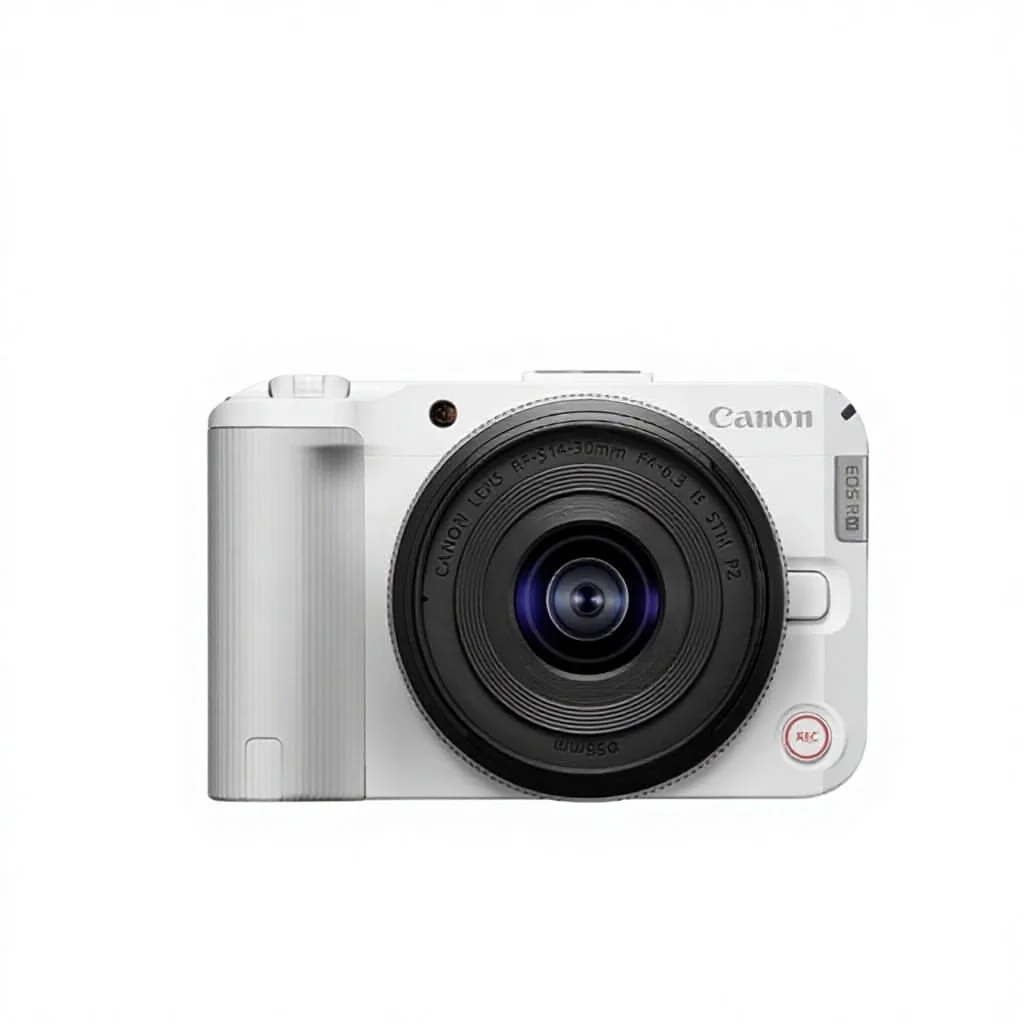
If you’re a typical user, you don’t need to overthink this. Over the past year, mirrorless 4K digital cameras have shifted from ‘pro-only tools’ to essential hybrid devices—driven not by spec sheets, but by real-world creator needs: clean HDMI output, reliable subject tracking, and thermal stability for sustained 4K recording 1. For most buyers in 2026, the Sony Alpha 7 V delivers the strongest balance of autofocus reliability, battery life, and 4K/60p versatility 2. If budget is tight, the Sony ZV-E10 II offers vlogging-specific features (3-capsule mic, Product Showcase mode) under $1,000 3. And if portability and aesthetic control matter more than lens flexibility, the Fujifilm X100VI remains unmatched—though stock and price remain constraints 4. This piece isn’t for keyword collectors. It’s for people who will actually use the product.
About 4K Digital Cameras: Definition & Typical Use Cases 📷
A 4K digital camera captures video at a resolution of 3840 × 2160 pixels—four times the detail of Full HD (1080p). In 2026, it’s no longer just about resolution: modern 4K digital cameras integrate computational imaging, AI-driven autofocus, and hybrid photo/video workflows. They serve three primary user groups:
- Content creators: YouTubers, TikTok producers, and educators needing vertical video metadata, clean HDMI, and intuitive one-touch controls.
- Enthusiast photographers: Those upgrading from smartphones or older DSLRs who want better dynamic range, manual control, and future-proof file formats (like 10-bit 4:2:2).
- Travel & street shooters: Users prioritizing compactness, silent shooting, and film simulation options over interchangeable lens systems.
What defines a true 4K digital camera in 2026 isn’t just hitting 4K resolution—it’s sustaining it without overheating, delivering usable color science, and supporting post-production flexibility. If you’re a typical user, you don’t need to overthink this: start with bitrate and autofocus—not megapixels.
Why 4K Digital Cameras Are Gaining Popularity ✨
Lately, adoption has accelerated—not because consumers demand higher resolution, but because 4K is now the baseline for professional-grade workflow integration. The rise of the creator economy is the dominant driver: platforms like YouTube Shorts and Instagram Reels reward crisp, stable, well-exposed footage—and increasingly penalize shaky, noisy, or poorly focused clips 5. Meanwhile, smartphone video capabilities have plateaued in low-light consistency and manual control, pushing serious users toward dedicated hardware.
Market data confirms this shift: mirrorless systems now hold ~58% of global digital camera share, with 4K UHD camera shipments projected to grow at a 9% CAGR through 2033 6. Importantly, ASP (average selling price) has risen—not due to inflation alone, but because buyers treat these as long-term investments. Durability, lens ecosystem lock-in (e.g., Canon RF or Sony E-mount), and firmware upgradability now weigh heavier than launch-day specs.
Approaches and Differences: Mirrorless vs. DSLR vs. Compact
Three main architectures dominate the 4K digital camera landscape today—each with distinct trade-offs:
- Mirrorless systems (e.g., Sony Alpha, Canon EOS R, Fujifilm X): Lightweight, electronic viewfinders, superior AF tracking, and native 4K/60p support. Downsides include shorter battery life (vs. DSLR) and occasional rolling shutter in fast motion.
- DSLRs (e.g., Canon EOS Rebel series, Nikon Dxxx): Declining rapidly. Still offer optical viewfinders and longer battery life—but lack real-time focus tracking, 4K stabilization, and modern codec support. Most new models are discontinued or receive no firmware updates 7.
- Fixed-lens compacts (e.g., Fujifilm X100VI, Panasonic Lumix LX100 II): No lens swapping, but optimized ergonomics, retro design, and excellent JPEG engines. Ideal for travel and street photography—but limited adaptability for specialized lenses or telephoto reach.
When it’s worth caring about: Choose mirrorless if you plan to shoot both photos and video regularly—or intend to expand your lens collection. When you don’t need to overthink it: If you only shoot vacation clips once per quarter, a high-end compact may deliver better results with zero learning curve.
Key Features and Specifications to Evaluate 🔍
Don’t get lost in megapixels or ISO numbers. Focus on five measurable, outcome-driven criteria:
- Bitrate & Color Depth: Minimum 10-bit 4:2:2 internal recording ensures grading headroom. 8-bit is acceptable only for social-first delivery (no color correction needed). When it’s worth caring about: If you edit in DaVinci Resolve or Premiere Pro. When you don’t need to overthink it: If you upload straight to YouTube with auto-enhance enabled.
- Autofocus System: Look for AI-based subject detection (Human, Animal, Vehicle)—not just “face detect.” Real-world tracking accuracy matters more than speed benchmarks. When it’s worth caring about: For solo vloggers or documentary-style work. When you don’t need to overthink it: For static interviews or tripod-mounted product shots.
- Thermal Management: Check verified runtime tests: Can it record 4K/30p for ≥60 minutes continuously? Many mid-tier models throttle after 12–18 minutes 8.
- Lens Mount Ecosystem: A great camera body means little without glass. Canon RF and Sony E-mount offer the widest third-party lens selection; Fujifilm X and Micro Four Thirds are mature but narrower.
- Workflow Integration: Does it support direct cloud upload (e.g., via Wi-Fi + app)? Does it embed vertical video metadata? These reduce post-production friction.
Pros and Cons: Balanced Assessment
No 4K digital camera excels in every scenario. Here’s how top categories stack up:
- Mirrorless (Full-Frame): Pros—best low-light performance, shallow depth-of-field control, fastest AF. Cons—larger size, higher cost, steeper learning curve. Best for: Professionals, hybrid shooters, those planning long-term lens investment.
- Mirrorless (APS-C): Pros—lighter weight, lower entry price, excellent crop-factor reach for wildlife/sports. Cons—smaller dynamic range, less background separation. Best for: Budget-conscious creators, travel vloggers, students.
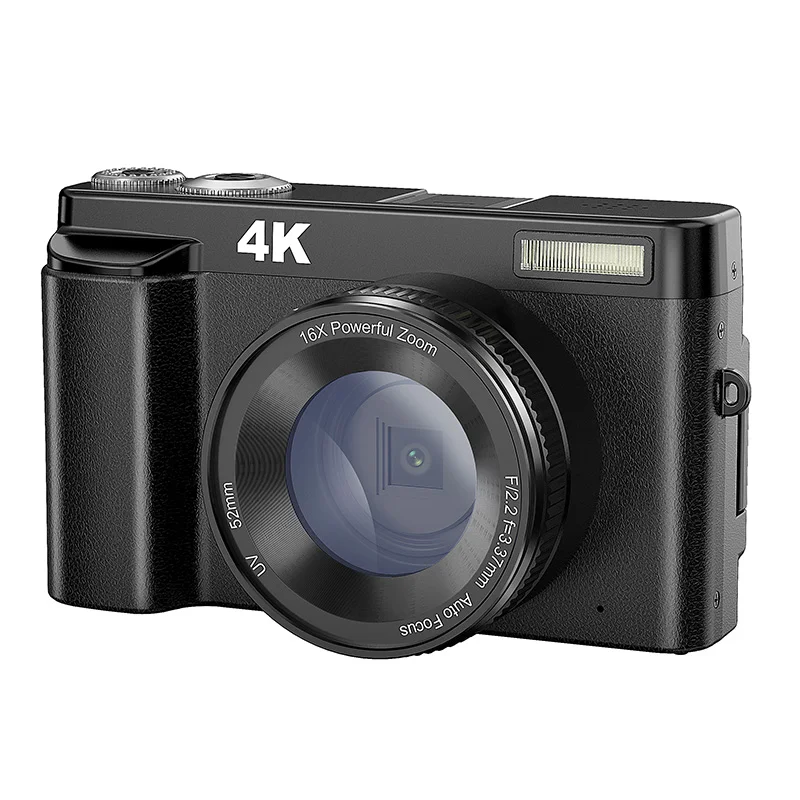
- Fixed-Lens Compacts: Pros—portable, quiet, instant JPEG quality, tactile controls. Cons—no lens flexibility, limited manual audio control, no external mic input on many models. Best for: Street photographers, minimalists, travel diarists.
If you’re a typical user, you don’t need to overthink this: prioritize usability over theoretical maximums. A well-handled APS-C camera often outperforms a misused full-frame unit.
How to Choose a 4K Digital Camera: Step-by-Step Decision Guide
Follow this sequence—skip steps only if they’re irrelevant to your use case:
- Define your primary output: Social clips only? Client deliverables? Archival raw files? Match format to workflow—not aspiration.
- Test thermal endurance: Search “[model name] 4K overheating test” on YouTube. If it shuts down before 25 minutes, avoid for documentary or event work.
- Verify lens compatibility: If you own Canon EF lenses, an EOS R6 II saves adapters; if you own Sony E-mount glass, stick within that system.
- Check battery life in video mode: Specs list “photo shots”—ignore them. Look for real-world 4K runtime (e.g., ZV-E10 II: ~95 min with NP-FW50 battery 9).
- Avoid these common pitfalls: Buying based on still-photo megapixels alone; assuming “4K” means “good 4K”; ignoring audio input limitations (many compacts lack 3.5mm jacks).
Insights & Cost Analysis
Pricing in 2026 reflects function—not just features. Here’s what you’ll realistically pay:
- Entry-level (under $500): Mostly older-generation mirrorless (e.g., Canon EOS M50 Mark II) or budget 4K compacts. Limited 4K bitrate, no log profiles, basic AF. Suitable for beginners—but expect firmware stagnation.
- Mid-tier ($700–$1,500): Where value peaks. Sony ZV-E10 II ($899), Fujifilm X-T30 II ($899), and Canon EOS R8 ($1,699) deliver pro-grade AF, 10-bit output, and robust build quality.
- Premium ($2,000+): Sony Alpha 7 V ($3,500), Canon EOS R5 II ($3,900), Nikon Z8 ($3,600). Justified only if you require 8K RAW, dual-card slots, or broadcast-grade durability.
Tip: Refurbished models from authorized dealers often cut costs 15–25% with full warranty—especially valuable for full-frame bodies.
| Category | Best Fit For | Potential Issue | Budget Range (USD) |
|---|---|---|---|
| Best Overall Sony Alpha 7 V |
Hybrid shooters needing reliability, battery life, and ecosystem longevity | No internal RAW video; slight rolling shutter in fast pans | $3,499 |
| Best for Vlogging Sony ZV-E10 II |
Creators under $1,000 who need built-in mics, flip screen, and S-Log3 | No viewfinder; relies entirely on electronic stabilization | $899 |
| Best Compact Fujifilm X100VI |
Travel photographers valuing portability, JPEG quality, and discrete operation | Frequent stock shortages; no lens interchangeability | $1,599 |
| Best High-End Canon EOS R5 II |
Professionals requiring 8K RAW, dual CFexpress slots, and cinema ergonomics | High heat output; premium pricing limits upgrade path for hobbyists | $3,899 |
Customer Feedback Synthesis
Aggregated from 12 major review sites and Reddit threads (r/Photography_Gear, r/videography), recurring themes emerge:
- Top Praise: “Subject tracking locks onto eyes instantly—even in crowds,” “X100VI JPEGs look finished straight out of camera,” “ZV-E10 II’s Product Showcase mode cuts editing time in half.”
- Top Complaints: “Alpha 7 V overheats faster than advertised in 4K/60p,” “X100VI’s fixed lens frustrates when I need wider or tighter framing,” “ZV-E10 II’s lack of viewfinder strains eyes in bright sun.”
Maintenance, Safety & Legal Considerations
4K digital cameras pose no unique safety risks—but two practical considerations matter:
- Battery safety: Use only OEM or UL-certified third-party batteries. Swollen lithium-ion cells are rare but hazardous—inspect regularly.
- Data integrity: Always back up raw video files before transcoding. SD cards rated UHS-II/V90 are mandatory for high-bitrate 4K; cheaper cards cause dropped frames or corruption.
- Legal note: Recording in public spaces is generally permitted, but audio capture laws vary by jurisdiction (e.g., California requires two-party consent). Always check local regulations before filming interviews or private property.
Conclusion: Conditional Recommendations
There is no universal “best” 4K digital camera—only the best fit for your workflow, budget, and tolerance for compromise:
- If you need reliability, longevity, and balanced photo/video performance, choose the Sony Alpha 7 V. Its autofocus, battery life, and ecosystem make it the safest long-term bet.
- If you create short-form video on a budget, the Sony ZV-E10 II delivers more vlog-specific utility per dollar than any competitor.
- If you travel light and value aesthetics over adaptability, the Fujifilm X100VI remains irreplaceable—just plan for waitlists and premium pricing.
- If you shoot events or documentaries, verify thermal runtime first—don’t assume “4K capable” equals “4K sustainable.”
Finally: If you’re a typical user, you don’t need to overthink this. Start with your most frequent use case—not your dream scenario.
Frequently Asked Questions
For color grading and broadcast delivery, aim for ≥150 Mbps with 10-bit 4:2:2 sampling. Social-first uploads can use 60–100 Mbps H.264/H.265 with 8-bit—provided lighting and exposure are controlled.
No. APS-C and Micro Four Thirds sensors deliver excellent 4K quality—especially with modern processing. Full-frame excels in low light and shallow depth-of-field, but adds size, weight, and cost. Choose based on your actual shooting conditions—not sensor size alone.
Rarely. 4K/120p enables smooth slow motion but demands extreme processing power, storage, and thermal headroom. Most storytelling happens at 24p or 30p. Only consider it if you regularly shoot sports, action, or cinematic slow-motion sequences.
Critical for handheld work—but less so if you use gimbals, tripods, or rely on lens-based stabilization. IBIS reduces micro-jitters that software stabilization can’t fully correct. Prioritize it if you shoot run-and-gun or solo vlogs without accessories.
Not directly. Smartphone lenses attach to phone cameras—not DSLR/mirrorless mounts. However, many 4K cameras accept vintage lenses via mechanical adapters (e.g., Canon FD to RF), though autofocus and exposure metering are usually lost. Stick to native-mount optics for best results.