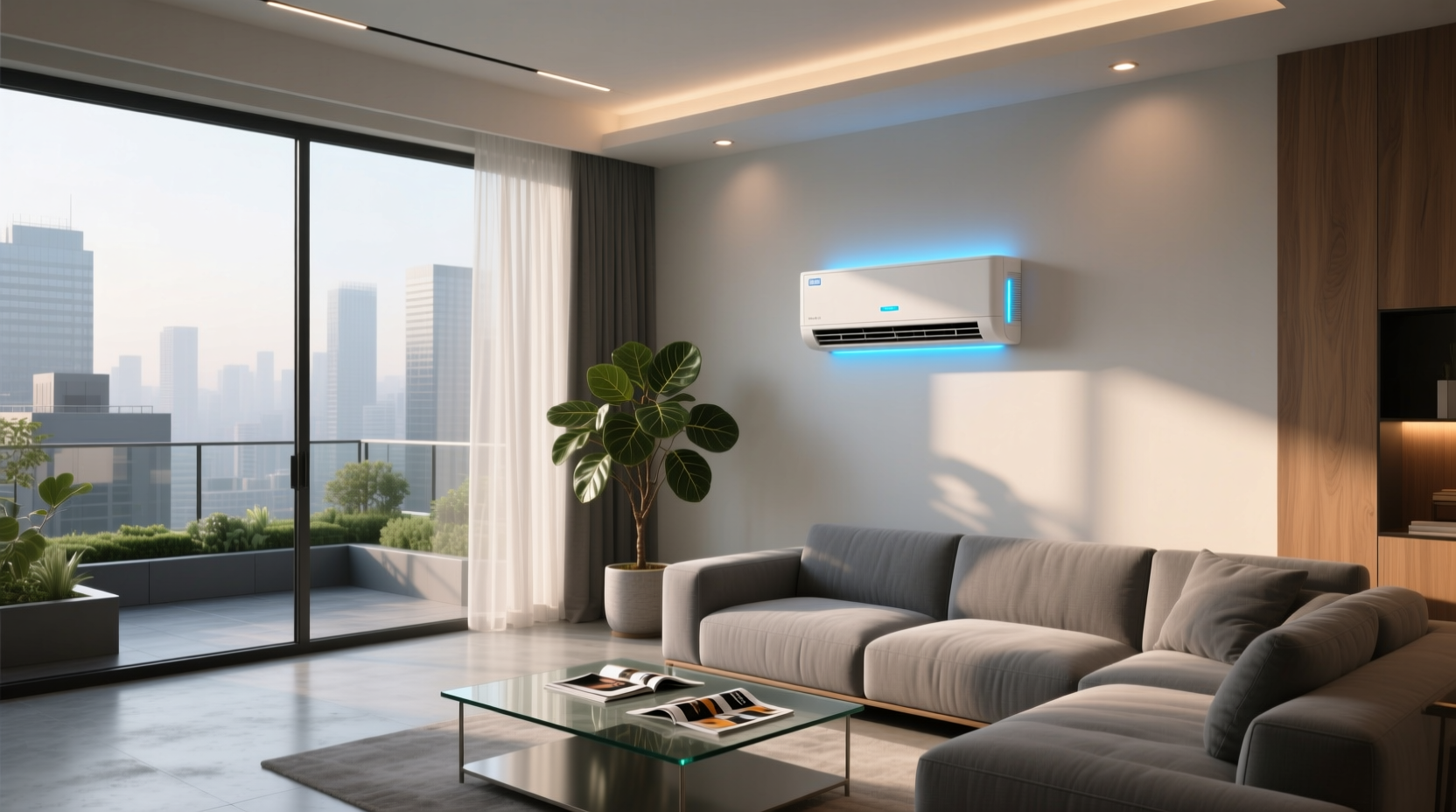
Over the past year, air conditioning has shifted from a simple cooling purchase to a regulated, efficiency-driven decision — and for good reason. If you’re replacing an aging unit or installing your first system in 2026, you need to prioritize SEER2 ratings, R-32 refrigerant compliance, and inverter technology — not just BTU count or price. For most homeowners, skipping these three elements risks higher energy bills, future service scarcity, and missed federal tax credits. Window units under $200 still exist, but they’re increasingly noncompliant with new standards1. Portable AC buyers must now use SACC (not BTU) to compare cooling power2. And if you want quiet operation, consistent comfort, or winter heating capability, cold-climate heat pump splits are no longer niche — they’re the pragmatic upgrade path. If you’re a typical user, you don’t need to overthink this: start with SEER2 ≥14.3 (South) or ≥13.4 (North), confirm R-32 or R-454B refrigerant, and choose inverter compression for any room where noise or temperature swings matter.
About 2026 Air Conditioning: Definition & Typical Use Cases
“2026 air conditioning” refers not to a new product category, but to a regulatory and technical inflection point — one defined by updated efficiency testing (SEER2), mandatory low-GWP refrigerants (R-32/R-454B), and widespread adoption of variable-speed inverter compressors. It’s not about novelty; it’s about baseline expectations.
Typical use cases include:
- 🏠 Single-room cooling: Renters or apartment dwellers selecting window or portable units — often constrained by installation rules, budget, and noise sensitivity.
- 🏡 Whole-home replacement: Homeowners upgrading central or ductless split systems — balancing upfront cost, long-term efficiency, and compatibility with existing ductwork or electrical service.
- ❄️ Cold-climate resilience: Buyers in northern U.S. states or Canada needing reliable cooling and heating down to 0°F — where traditional heat pumps falter but modern cold-climate models deliver.
This isn’t about “smart features first.” It’s about foundational compliance and performance stability — because in 2026, a non-SEER2-compliant unit may not be installable, and an R-410A system will become harder and more expensive to service.
Why 2026 Air Conditioning Is Gaining Popularity
Lately, adoption hasn’t been driven by marketing hype — it’s been accelerated by three concrete forces: regulatory deadlines, energy economics, and reliability gains. The January 2026 U.S. EPA mandate requiring R-32 or R-454B in all new installations3 has pushed manufacturers to redesign entire lines. Simultaneously, SEER2’s stricter testing — which simulates real duct pressure loss — exposed how misleading legacy SEER ratings were. Units rated “16 SEER” pre-2023 often test at only ~13.5 SEER2 — a gap that directly impacts annual electricity use.
Consumers aren’t chasing specs — they’re responding to outcomes: quieter bedrooms (inverter units run at 30–40% capacity instead of cycling on/off), lower summer bills (up to 50% savings vs. fixed-speed units4), and fewer emergency service calls (predictive diagnostics now flag compressor strain before failure5). This isn’t theoretical. In regions like Texas and Ohio, utility rebates now require ≥17 SEER2 — making high-efficiency units financially accessible, not aspirational.
Approaches and Differences: Window, Portable, and Split Systems
Three form factors dominate residential AC selection — each with distinct trade-offs shaped by 2026 standards:
| Category | Best For | Key 2026 Differentiator | Potential Issue |
|---|---|---|---|
| Window AC | Renters, small rooms, budget-first buyers | U-shaped design + inverter tech reduces noise to ≤42 dB; SEER2 ≥13.4 now standard in top models | Installation requires wall support & weather sealing; limited smart integration |
| Portable AC | Temporary spaces, historic homes (no window mod), renters with strict HOA rules | SACC rating replaces BTU — e.g., a 12,000 BTU unit may only deliver 7,200 SACC; dual-hose inverters improve efficiency | Lower net cooling per watt; exhaust hose heat loss remains unavoidable |
| Split System | Homeowners seeking whole-home efficiency, noise-sensitive spaces, or heating/cooling duality | Cold-climate models maintain ≥75% heating capacity at 0°F; 20+ SEER2 units qualify for full federal tax credit ($600–$2,000) | Higher upfront cost & professional installation required; indoor unit placement affects airflow |
If you’re a typical user, you don’t need to overthink this: choose window for simplicity and speed, portable for flexibility, and split for long-term value — but never skip verifying SEER2 and refrigerant type in any category.
Key Features and Specifications to Evaluate
Not all specs carry equal weight in 2026. Here’s what matters — and when it does (or doesn’t):
- SEER2 Rating: When it’s worth caring about — if you live in the South (≥14.3 required) or plan to stay in your home >5 years (17+ qualifies for tax credit). When you don’t need to overthink it — if you’re renting short-term and only need seasonal relief, 13.4–14.3 is sufficient and widely available.
- Refrigerant Type (R-32 / R-454B): When it’s worth caring about — always. R-410A units will face rising repair costs and technician scarcity post-20266. When you don’t need to overthink it — you don’t. There’s no scenario where R-410A is a better long-term choice today.
- Inverter Technology: When it’s worth caring about — bedrooms, living rooms, or any space where constant temperature and low noise matter. When you don’t need to overthink it — garages or workshops where runtime is infrequent and sound isn’t critical.
- SACC (for portables): When it’s worth caring about — every time. Legacy BTU claims are inflated by up to 40%. When you don’t need to overthink it — never. Ignore BTU entirely for portable units.
- Matter Compatibility: When it’s worth caring about — if you use Apple Home, Google Home, or Samsung SmartThings and want hub-free control. When you don’t need to overthink it — if you use manual controls or a single-brand ecosystem (e.g., only LG ThinQ).
Pros and Cons: Balanced Assessment
Each solution serves specific needs — and carries realistic limitations:
- Window AC Pros: Low installation barrier, no ductwork needed, strong value under $300. Cons: Visible hardware, potential security concern, limited aesthetic integration.
- Portable AC Pros: Zero structural modification, easy relocation, usable in multi-story apartments. Cons: Lower efficiency ceiling, requires interior hose routing, condensate management adds maintenance steps.
- Split System Pros: Near-silent indoor operation, zoned control, highest SEER2 potential, dual heating/cooling. Cons: Requires licensed HVAC contractor, higher initial investment ($3,000–$7,000), refrigerant line installation complexity.
This piece isn’t for keyword collectors. It’s for people who will actually use the product.
How to Choose 2026 Air Conditioning: A Step-by-Step Decision Guide
Follow this checklist — in order — to avoid common missteps:
- Confirm your region’s minimum SEER2: Northern U.S. = 13.4; Southern = 14.3. Don’t buy below this — it won’t pass inspection7.
- Verify refrigerant type: Look for “R-32” or “R-454B” on spec sheets — not just “eco-friendly” or “low-GWP” marketing language.
- Match cooling capacity to room size — then adjust: Use square footage as baseline, but deduct 10% for shaded rooms or add 15% for kitchens/sunrooms. For portables, use SACC — not BTU.
- Check noise rating (dB): Under 45 dB is bedroom-quiet; above 52 dB is noticeable during TV or conversation.
- Avoid these red flags: No SEER2 label, vague refrigerant description, missing AHRI certification number, or “BTU-only” specs for portables.
Insights & Cost Analysis
Price alone misleads. Consider lifetime cost:
- Window AC: $150–$350. Top-tier inverter models (e.g., Midea MAW08HV1CWT) cost ~$320 but save ~$120/year vs. non-inverter equivalents8.
- Portable AC: $300–$650. Whynter ARC-1230WN (~$620) delivers 9,500 SACC with dual-hose efficiency — 22% more effective than comparable single-hose units.
- Split System: $3,200–$7,500 installed. A 22 SEER2 cold-climate model (e.g., Mitsubishi MSZ-FH12NA) pays back in energy savings within 7–10 years in moderate climates — faster with federal tax credit.
Bottom line: Spending 20–30% more upfront on SEER2-compliant, inverter-based units consistently yields ROI in under 5 years for primary living spaces.
Better Solutions & Competitor Analysis
| Solution Type | Top-Tier 2026 Option | Key Advantage | Realistic Limitation |
|---|---|---|---|
| Window AC | Midea Smart (MAW08HV1CWT) | SEER2 15.2, 42 dB noise floor, Wi-Fi + Matter support | No heating function; limited to rooms ≤350 sq ft |
| Portable AC | Whynter ARC-1230WN | Dual-hose inverter, 9,500 SACC, self-evaporative | Weight: 72 lbs — not truly “portable” without wheels |
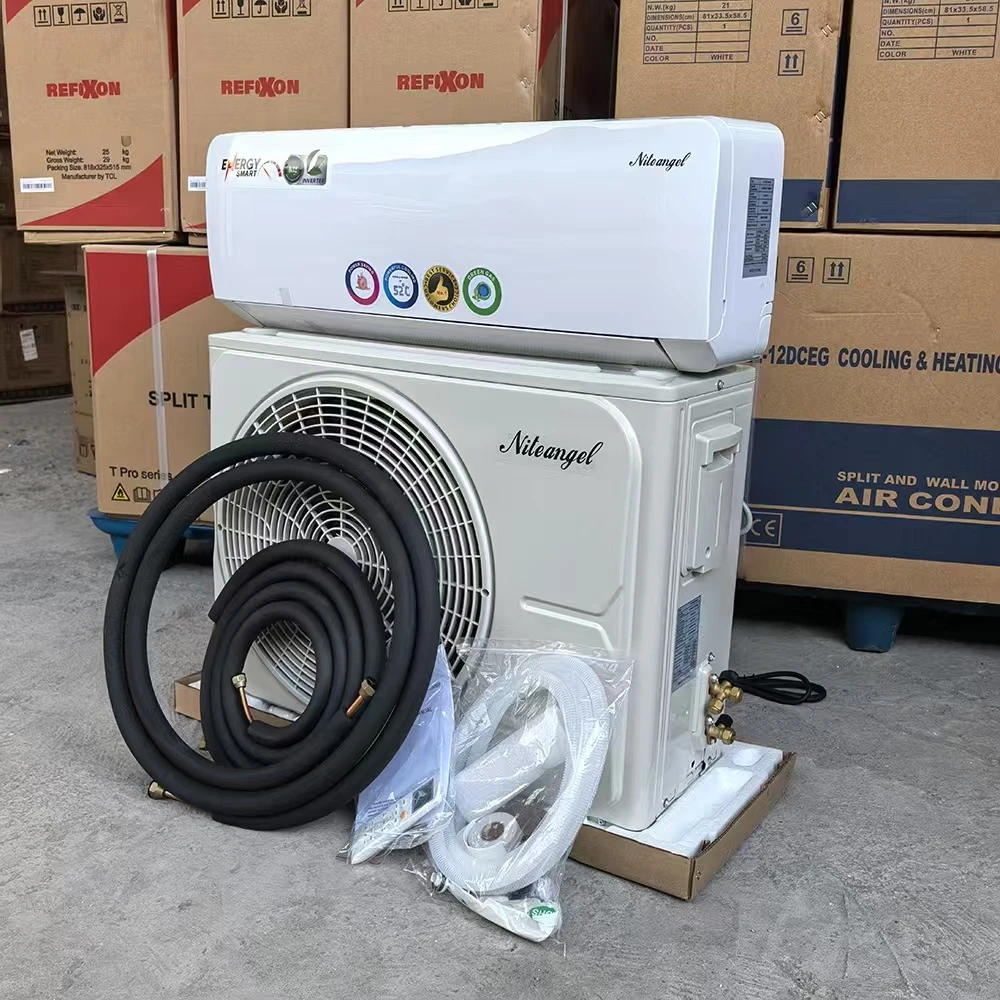
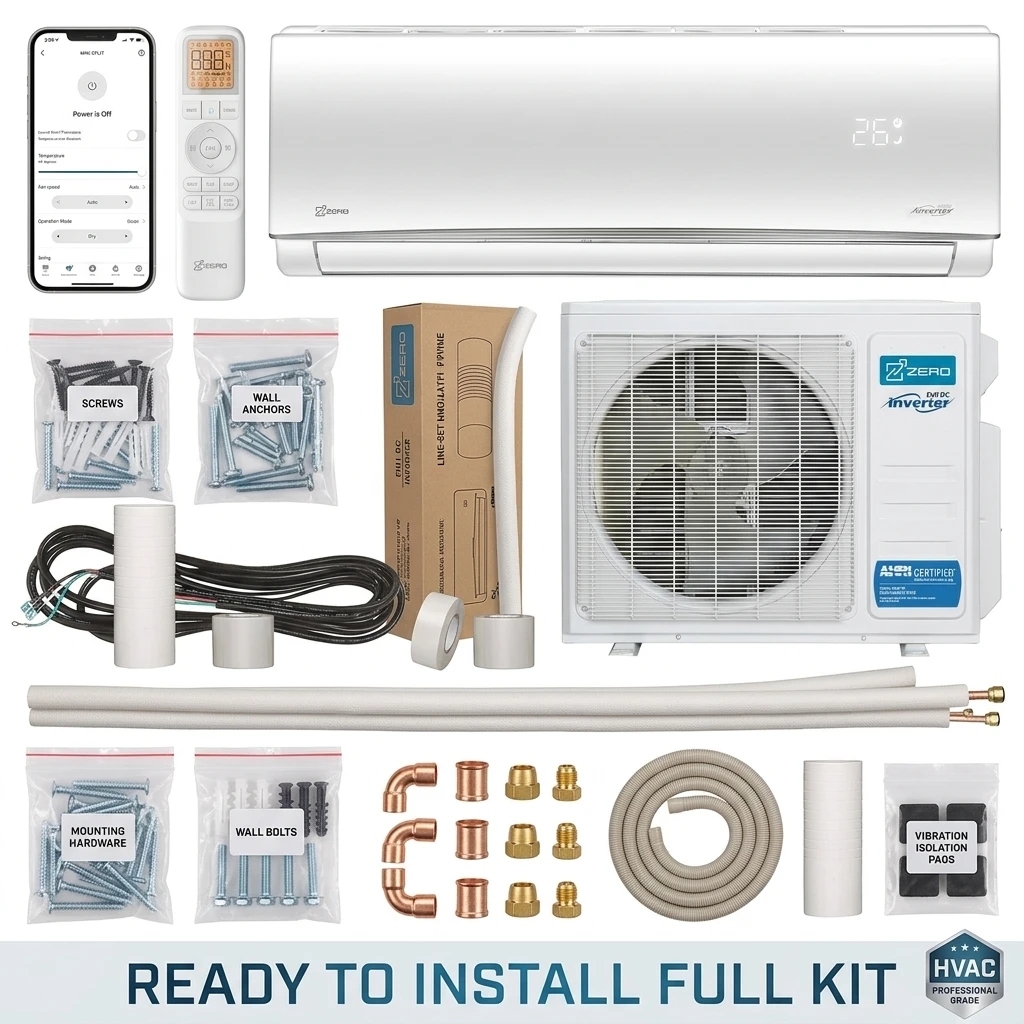
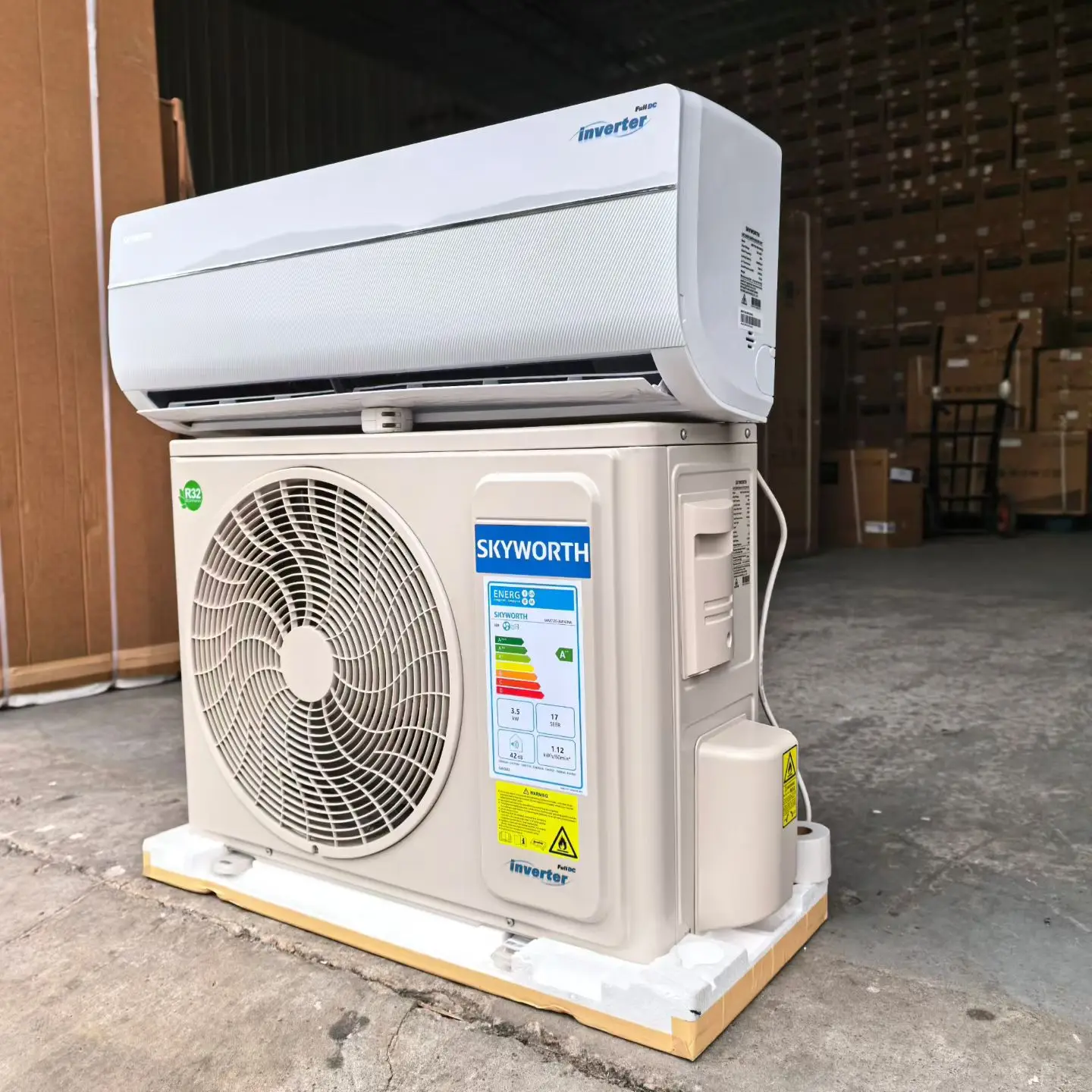
| Split System | Mitsubishi MSZ-FH12NA | 22 SEER2, heats at 0°F, 10-year compressor warranty | Requires certified Mitsubishi installer; no DIY option |
Customer Feedback Synthesis
Aggregated reviews (Wirecutter, RTINGS, Consumer Reports) show consistent themes:
- Top Praise: “Silent overnight operation” (inverter window units), “No more humidity buildup” (split systems with advanced dehumidification), “Works when it’s 10°F outside” (cold-climate heat pumps).
- Top Complaints: “SACC rating is hard to find on retailer sites” (portables), “Installer couldn’t source R-32 gauges” (early adopters), “Matter setup required firmware update” (smart models).
Maintenance, Safety & Legal Considerations
Two non-negotiables in 2026:
- Refrigerant handling: R-32 and R-454B are classified A2L (mildly flammable). Only EPA Section 608-certified technicians may install or service them9. DIY recharge attempts are unsafe and illegal.
- SEER2 verification: AHRI Directory listings now require SEER2 values. Always cross-check model numbers at AHRI Directory before purchase.
- Tax credit eligibility: IRS Form 5695 covers systems ≥17 SEER2, ≥13 HSPF2 (heating), and certified by ENERGY STAR®. Keep manufacturer’s certification letter.
Conclusion
If you need fast, low-friction cooling for one room and rent — choose a SEER2-compliant window unit with inverter tech (e.g., Midea Smart). If you need flexible, no-install cooling and accept modest efficiency trade-offs — choose a dual-hose portable with verified SACC rating (e.g., Whynter ARC-1230WN). If you own your home, plan to stay >5 years, and value silence, consistency, and winter heating — invest in a cold-climate split system with ≥20 SEER2 and R-32 refrigerant (e.g., Mitsubishi MSZ-FH12NA). Everything else — smart features, color options, brand heritage — follows those three decisions. If you’re a typical user, you don’t need to overthink this.


