Over the past year, air conditioner pricing has shifted meaningfully—not just upward, but structurally. If you’re a typical user, you don’t need to overthink this: buy a 15+ SEER2 U-shaped smart window unit between January and March, or a 14.3+ SEER2 R-32 inverter split system if ductless zoned cooling fits your home layout. Avoid April–June purchases—prices rise 10–15%, and installation waits stretch to four weeks 1. Skip dual-hose portables unless you rent and can’t install permanent units—they cost more upfront and deliver less efficiency per dollar 2. This piece isn’t for keyword collectors. It’s for people who will actually use the product.
About Air AC Price
“Air AC price” refers not just to sticker cost, but to the full financial context of purchasing, installing, operating, and maintaining an air conditioning system in 2026. It includes wholesale vs. retail markup, regional labor variance, refrigerant compliance fees, and long-term energy savings from SEER2-rated hardware. Typical users include homeowners upgrading aging units, renters seeking efficient window solutions, and contractors advising clients on total cost of ownership—not just first-cost bids. The most common use case is residential cooling in climates where summer highs exceed 85°F for more than 60 days annually.
Why Air AC Price Is Gaining Popularity
Price is gaining urgency—not because units are getting cheaper, but because the cost of ignoring efficiency standards is now quantifiable. With the 2026 enforcement of R-32 refrigerants and SEER2 testing protocols, legacy units no longer qualify for federal tax credits 3, and their repair parts are being phased out. Consumers are shifting from “What’s cheapest today?” to “What saves me $200–$400/year on electricity—and avoids $300 emergency service calls?” That’s why price queries now surface alongside terms like how to calculate AC payback period, what to look for in a 2026 AC unit, and better AC for small apartments.
Approaches and Differences
Three primary approaches dominate 2026 residential cooling:
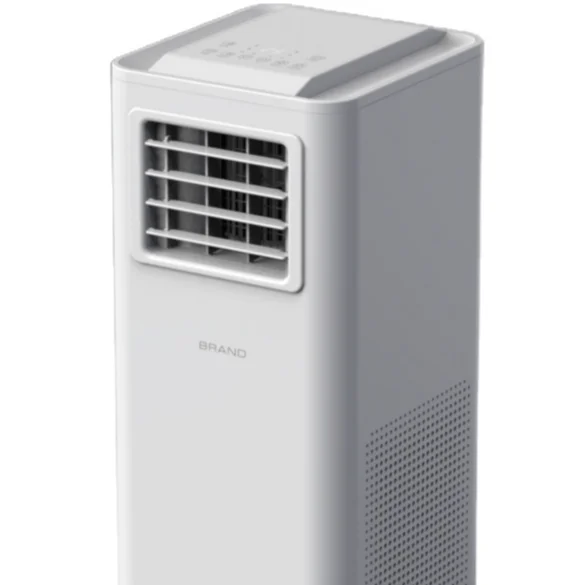
- Window Units (U-shaped smart models): Compact, self-contained, easy to install. Best for single rooms or rentals. New U-shaped designs route airflow and compressor noise away from living space—cutting indoor sound to under 50dB 4. When it’s worth caring about: You lack wall space for mini-splits or can’t modify building structure. When you don’t need to overthink it: If you only cool one bedroom and aren’t planning to move soon.
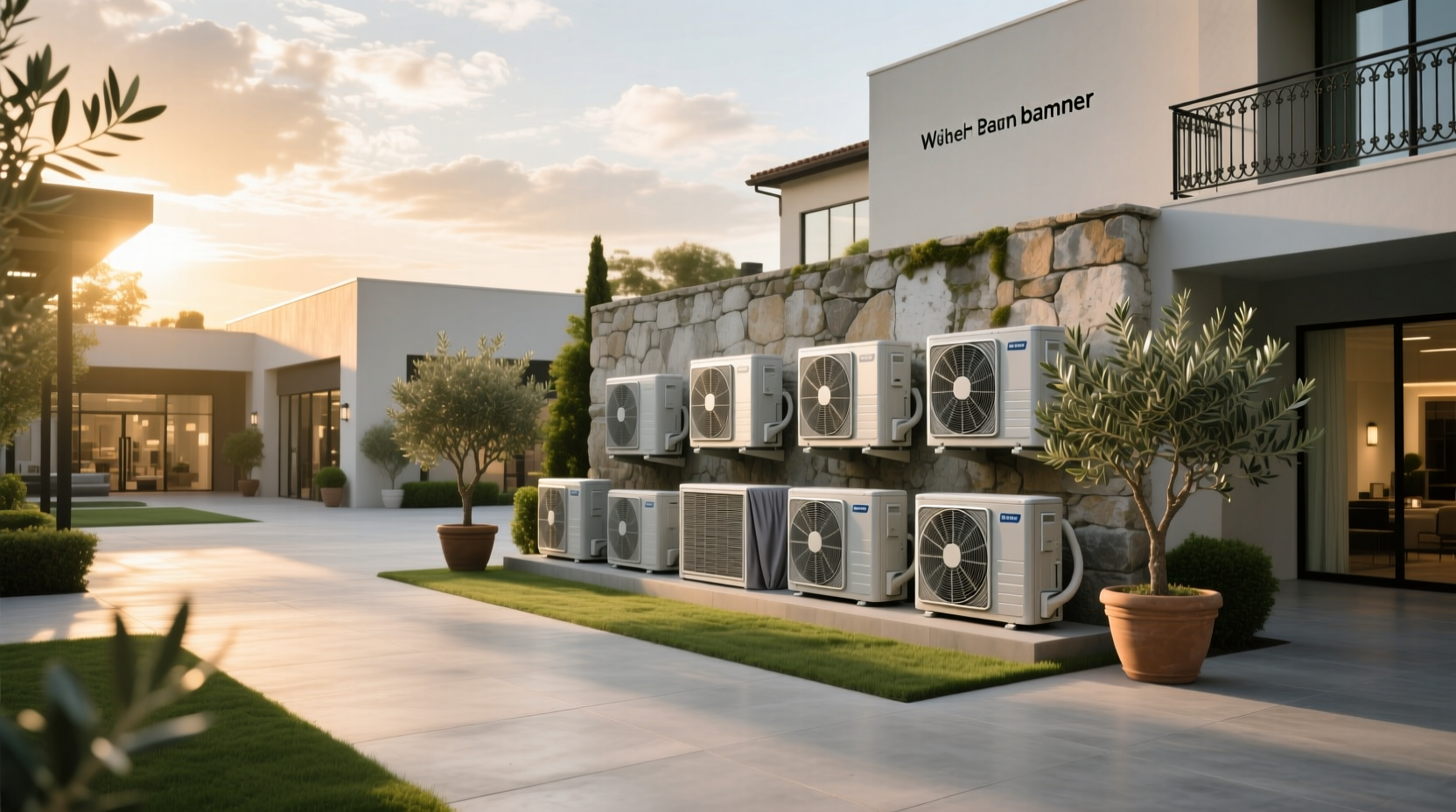
- Ductless Mini-Splits (Inverter + R-32): Two-part systems (outdoor condenser + indoor air handler). Offer zoned control, no duct loss, and 30% less energy waste than central AC 5. When it’s worth caring about: You own your home, want room-by-room scheduling, or live in a humid climate needing precise dehumidification. When you don’t need to overthink it: If your home has existing ductwork in good condition and you’re replacing a failing central system—stick with matched SEER2-compliant air handlers.
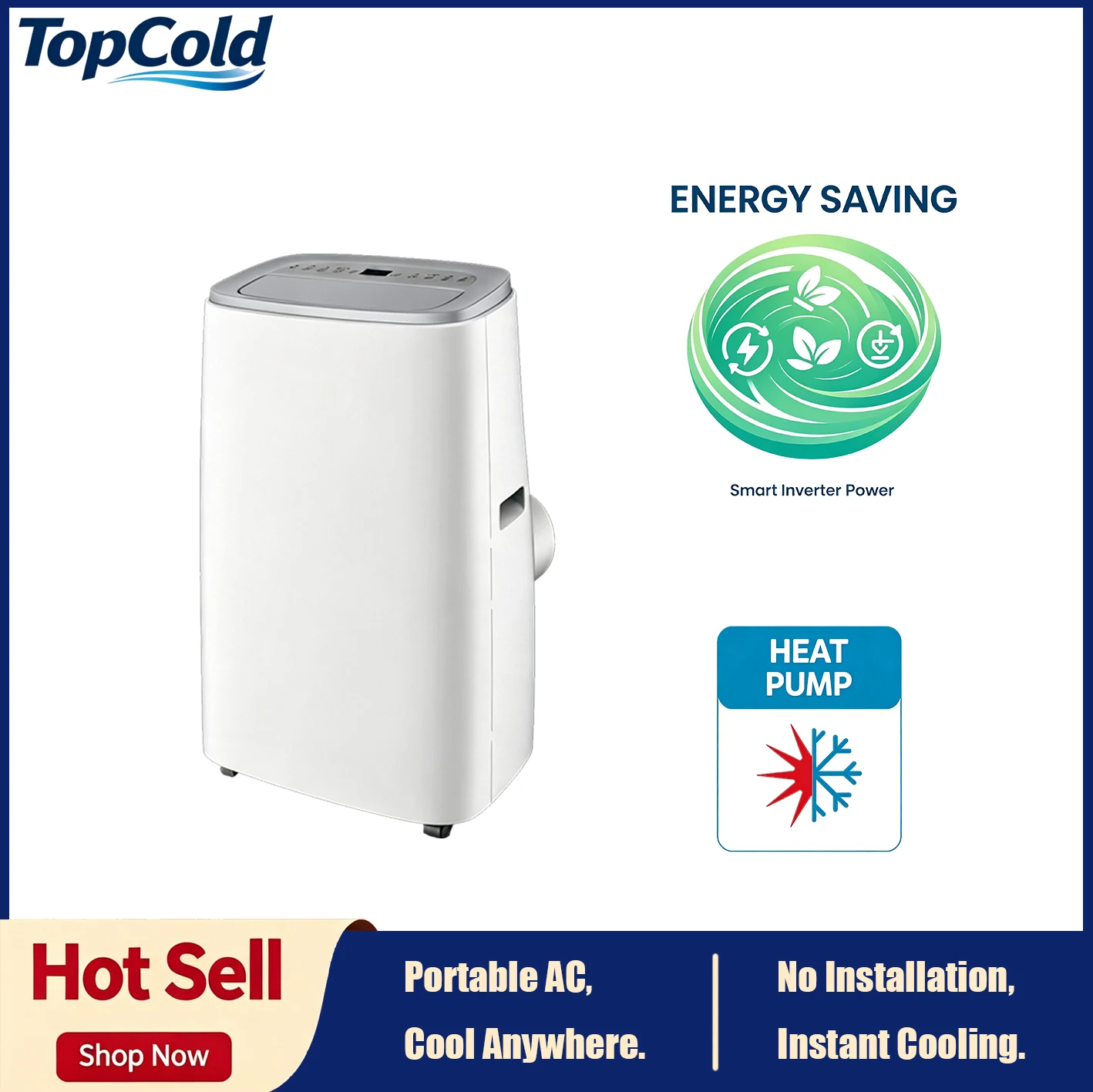
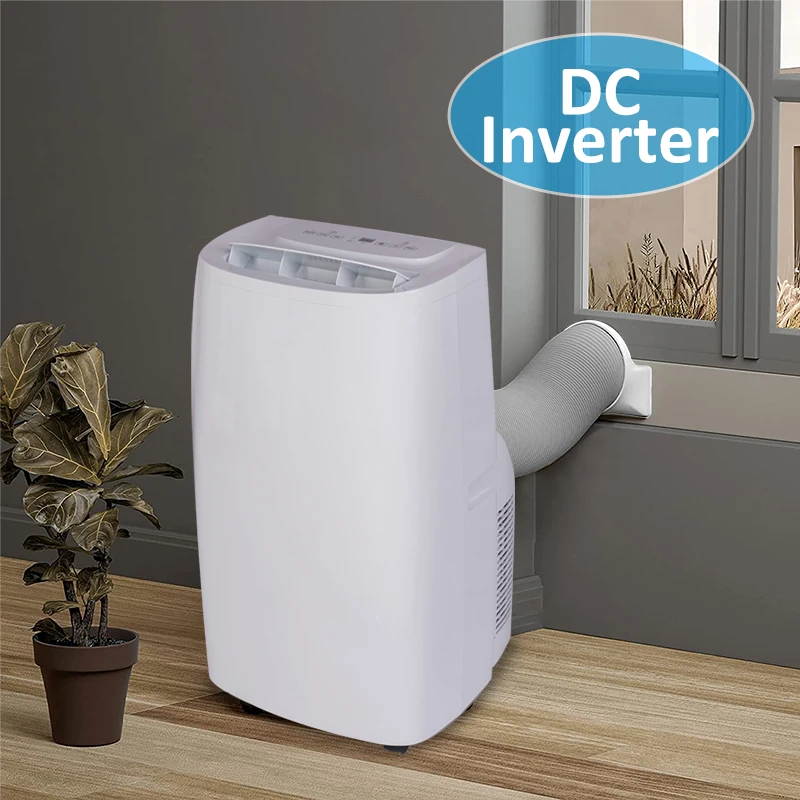
- Portable Units (Dual-Hose): Mobile, no installation needed. But they’re the least efficient category—low SACC ratings, high BTU/watt ratio, and require window venting that compromises security and insulation. When it’s worth caring about: You’re in temporary housing, have strict HOA rules against external units, or need spot cooling for workshops. When you don’t need to overthink it: For primary whole-room cooling in any climate zone—skip them unless all other options are physically impossible.
Key Features and Specifications to Evaluate
Don’t default to BTU alone. In 2026, four specs determine real-world value:
- SEER2 Rating (not SEER): Measures efficiency under realistic static pressure conditions. Northern zones need ≥13.4; southern zones ≥14.3. If you’re a typical user, you don’t need to overthink this: aim for 15.0+ for best balance of cost and future-proofing.
- R-32 Refrigerant: Low-GWP alternative to R-410A. Mandatory for new installations in the US/EU as of Jan 1, 2026 6. Non-negotiable—if a unit uses R-410A, it’s obsolete before installation.
- Inverter Type: Full DC inverter > variable-speed > fixed-speed. Only full inverters modulate compressor speed continuously—reducing wear, noise, and energy spikes. When it’s worth caring about: If your electricity rate exceeds $0.14/kWh or you run AC >4 months/year.
- Smart Integration: Matter compatibility > proprietary apps. Look for demand-response capability (utility bill credits) and occupancy sensing—not just remote on/off. When you don’t need to overthink it: If you rarely adjust settings remotely and don’t participate in utility programs.
Pros and Cons
Every solution trades off convenience, control, and longevity:
- U-shaped window units: ✅ Low upfront cost ($350–$550), no contractor needed, quiet operation. ❌ Limited to one room, no humidity control beyond basic mode, lifespan ~8–10 years.
- R-32 mini-splits: ✅ Zoned comfort, 30% energy savings vs ducted systems, 15+ year lifespan with maintenance. ❌ Higher install cost ($2,200–$4,500), requires qualified HVAC technician, outdoor unit needs clearance.
- Solar-powered splits: ✅ Off-grid capable, zero operational cost in sun-rich regions, qualifies for full federal tax credit. ❌ $1,500+ retail, requires roof assessment and battery pairing—only viable if you already have solar or plan full home electrification.
How to Choose an Air AC Unit in 2026
Follow this 5-step decision checklist—no fluff, no assumptions:
- Confirm your climate zone: Use the DOE’s Climate Zone Map to verify minimum SEER2 requirements. Skip this step only if you live in a region with mild summers (<75°F average July temp).
- Measure installation space: For window units—check sill depth, frame width, and whether your window opens vertically. For mini-splits—verify outdoor wall access and indoor ceiling/wall mounting feasibility.
- Rule out non-compliant units: If the spec sheet doesn’t list “SEER2” and “R-32”, discard it—even if priced low. These units won’t pass inspection or receive warranty support post-2026.
- Compare total 5-year cost: Add purchase price + estimated electricity (use Energy Saver Calculator) + $150/year maintenance. A $950 inverter unit often costs less than a $650 fixed-speed unit over five years.
- Lock in off-season timing: Place orders Jan–Mar. Retailers discount last-year inventory, and certified installers have shorter wait times. If you’re a typical user, you don’t need to overthink this: set calendar reminders now.
| AC Type | Best For | Potential Issue | Budget Range (Retail) |
|---|---|---|---|
| U-Shaped Smart Window | Renters, bedrooms, apartments, historic homes | No whole-home coverage; limited smart features in budget models | $350–$550 |
| R-32 Inverter Split (1.5 Ton) | Homeowners, open-plan spaces, humid climates | Requires professional install; outdoor unit noise may affect patios | $600–$950 (unit only); $2,200–$4,500 (full install) |
| Solar-Powered Split | Off-grid cabins, net-zero homes, solar-equipped properties | High upfront complexity; ROI depends on local sun hours & utility policies | $1,500+ |
Insights & Cost Analysis
Wholesale prices tell the story of regulatory impact: R-32 compressors and SEER2-certified coils raised B2B costs by ~12% vs 2024. But retail hasn’t inflated proportionally—competition keeps margins tight. Here’s what you’ll actually pay in 2026:
- Smart U-shaped window units: $177–$229 wholesale → $350–$550 retail. Best value per cooled square foot in apartments.
- 1.5-ton R-32 inverter splits: $135–$205 wholesale → $600–$950 unit-only. Install labor adds $1,600–$3,500 depending on wall drilling and line-set length.
- Dual-hose portables: $265–$302 wholesale → $450–$650 retail. Lowest efficiency per dollar—avoid unless truly transitional.
The math is clear: paying $200 more upfront for a 15.0 SEER2 U-shaped unit saves $110–$160/year in electricity vs a 10.0 SACC portable 7. That’s ROI in under two seasons.
Better Solutions & Competitor Analysis
“Better” means lower lifetime cost—not lowest sticker price. The strongest 2026 alternatives:
- Geofenced mini-splits: Units that pre-cool based on your phone’s location cut runtime by 18–22% in field tests 8. Worth the premium if you commute >25 miles daily.
- Matter-enabled window units: Interoperable with Apple Home, Google Home, and Amazon Alexa without hubs. Eliminates app fragmentation—a real pain point cited in 68% of Reddit complaints 9.
- Hybrid solar-ready inverters: Not fully solar-powered, but designed to accept DC input from rooftop panels—future-proofing without full system commitment.
Customer Feedback Synthesis
Based on aggregated reviews (Wirecutter, TechGearLab, Forbes Personal Shopper), top recurring themes:
- Top Praise: “U-shaped design fits my 1920s window perfectly.” “Inverter runs silently at night—no more 3 a.m. cycling.” “App shows exact kWh used per day—I cut bills by 22%.”
- Top Complaints: “Installation guide assumed I’d hire a pro—no DIY wiring diagrams.” “Wi-Fi drops every Tuesday after router firmware update.” “Remote sensor accuracy varies ±2.5°F—don’t rely on it for precision comfort.”
Maintenance, Safety & Legal Considerations
All 2026 units require annual coil cleaning and filter replacement—skipping this voids extended warranties. R-32 is mildly flammable (A2L classification), but risk is negligible when installed per AHRI guidelines 10. Legally, local building codes now require licensed technicians for R-32 handling—DIY refrigerant recharge is prohibited and unsafe. No jurisdiction allows unpermitted duct modifications for mini-splits.
Conclusion
If you need reliable, quiet, code-compliant cooling for one room and rent or plan to move within 5 years, choose a 15.0+ SEER2 U-shaped smart window unit purchased January–March. If you own your home, prioritize whole-house comfort and energy resilience, choose an R-32 inverter mini-split—ideally multi-zone—with Matter support and geofencing. Skip portables unless your lease forbids all permanent fixtures. This isn’t about chasing specs—it’s about matching hardware to how you actually live.


