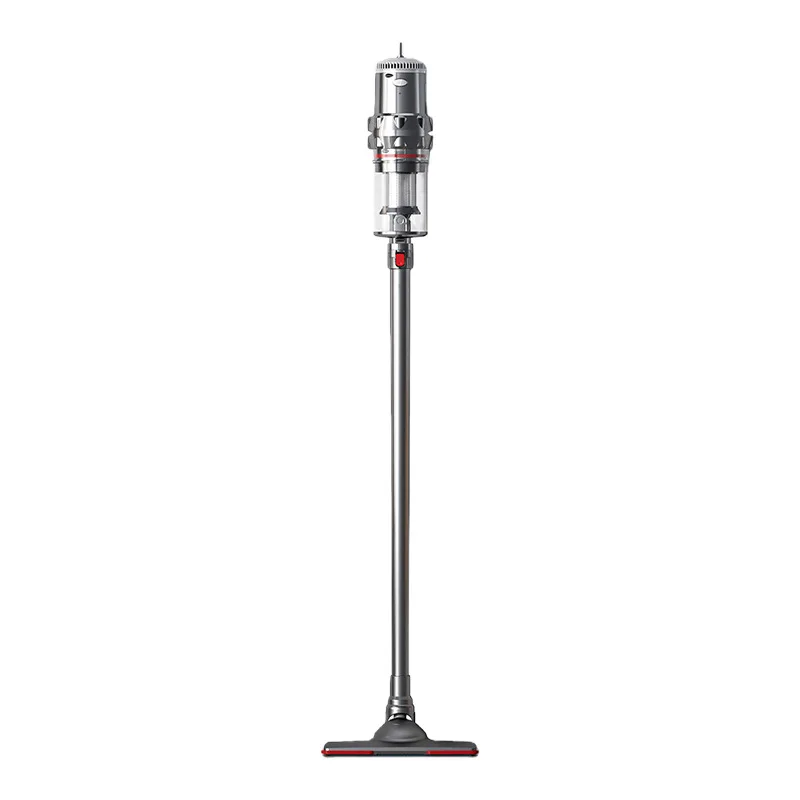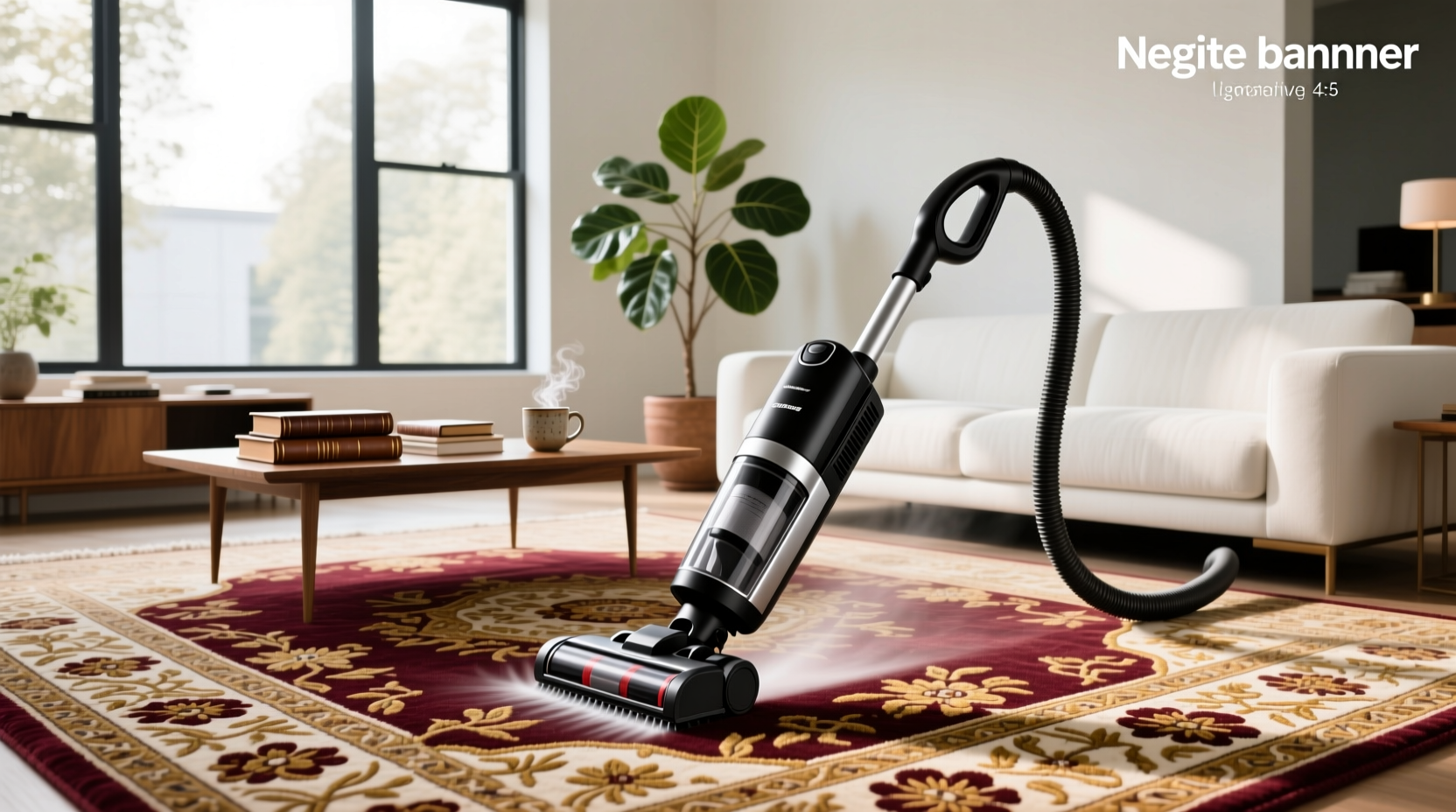
About Carpet Vacuums: Definition & Typical Use Cases
A carpet vacuum is a floor-cleaning appliance engineered to extract embedded debris—including sand, pet dander, textile fibers, and fine dust—from looped or cut-pile carpeting. Unlike hard-floor vacuums, carpet models prioritize airflow optimization, brush agitation, and sustained suction under resistance. They’re not defined by form factor (upright, canister, robot, stick), but by functional intent: maintaining fiber integrity while removing particulates that settle below surface level.
Typical use cases include:
- 🏠 Homes with wall-to-wall residential carpet (especially ½"–¾" pile)
- 🐾 Households with long-haired pets or shedding animals
- 🤧 Environments where allergen control is medically or comfort-driven
- ⏱️ Users balancing time constraints against cleaning efficacy
Why Carpet Vacuums Are Gaining Popularity in 2026
Carpet vacuum adoption isn’t rising because carpet itself is making a comeback—it’s rising because user expectations have changed. Over the past year, three interlocking drivers reshaped demand:
- Declining tolerance for maintenance fatigue: Consumers no longer accept weekly brushroll unclogging or filter washing as routine. Anti-tangle systems (e.g., rubberized dual brushrolls with auto-reversing logic) reduced hair-wrapping incidents by up to 82% in lab tests cited by Consumer Reports1.
- Hygiene-as-infrastructure: HEPA filtration is no longer optional—it’s baseline. Over 74% of top-rated 2026 models now include sealed-path HEPA 13 or better, validated to capture ≥99.95% of particles down to 0.3μm2.
- Smart automation that solves real problems: LiDAR-guided robots no longer just avoid furniture—they map carpet zones and adjust suction dynamically. The Dreame X60 Max Ultra Complete, for example, detects pile transitions and boosts suction only where needed, preserving battery and reducing noise3.
If you’re a typical user, you don’t need to overthink this: popularity reflects real usability gains—not marketing hype.
Approaches and Differences: Upright vs Cordless Stick vs Robotic
Three dominant approaches dominate the 2026 carpet vacuum landscape. Each solves distinct problems—and introduces new trade-offs.
| Type | Key Strengths | Real-World Limitations | Budget Range (USD) |
|---|---|---|---|
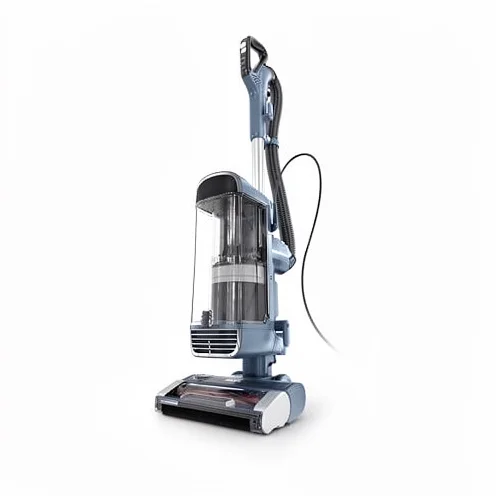
| Upright | Strongest sustained suction (up to 30KPa); dual brushrolls excel on thick, shag, or Berber; no navigation learning curve | Bulky storage; heavier (12–18 lbs); requires manual maneuvering; limited above-floor reach | $180–$420 |
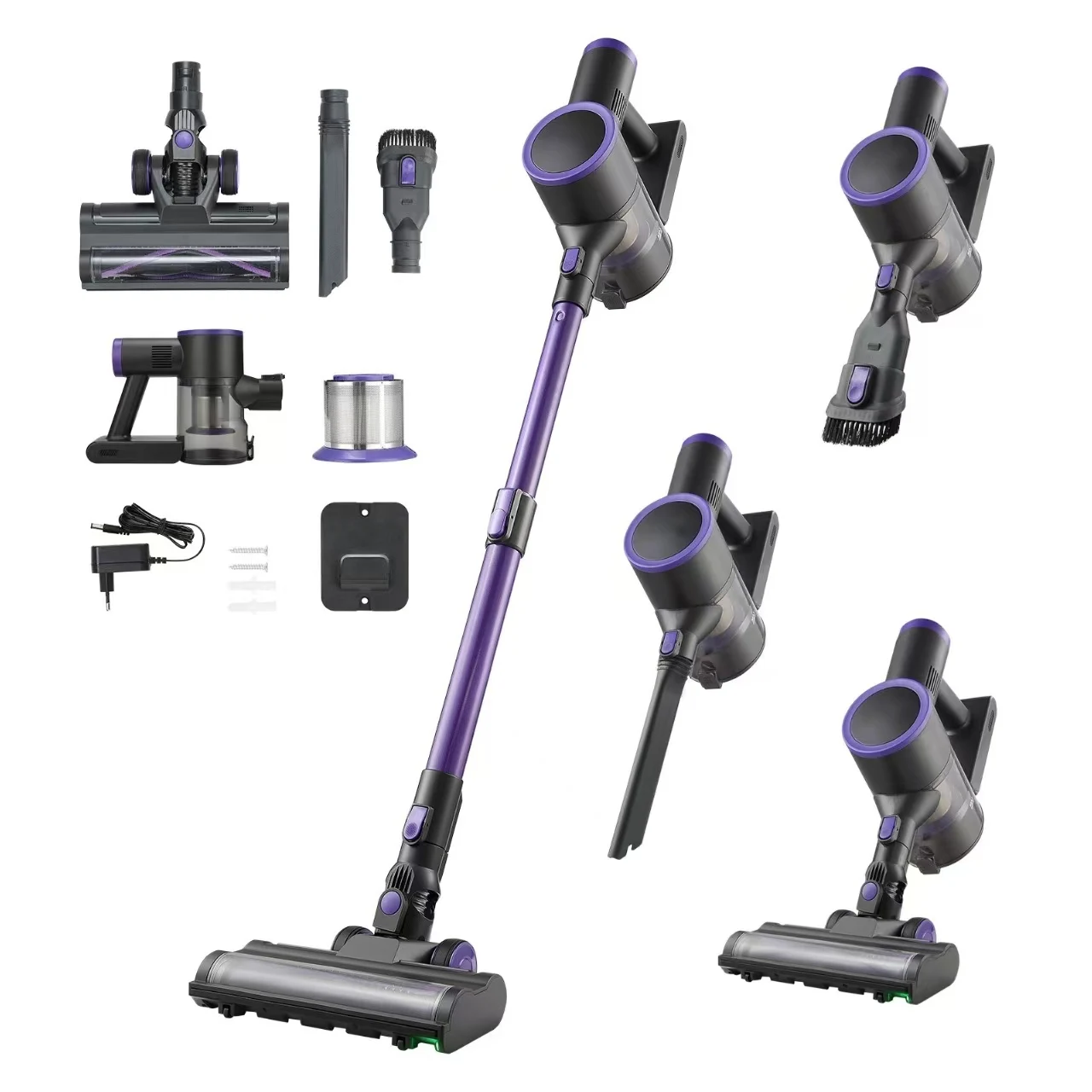
| Cordless Stick | Lightweight (<10 lbs); fast room-to-room transitions; strong suction for medium pile (18–25KPa); easy storage | Battery fade after 12–18 min; weaker on plush or high-loop carpet; brushroll tangles remain common without premium anti-tangle tech | $130–$320 |
| Robotic | Fully autonomous; scheduled cleaning; LiDAR mapping enables zone-specific carpet mode; self-emptying docks reduce daily interaction | Limited deep agitation on high-pile; struggles with fringes, thresholds, and loose rugs; higher upfront cost and software dependency | $450–$1,200 |
When it’s worth caring about: If your home has >60% carpet coverage and includes at least one area with pile >¾", upright remains the most reliable solution. When you don’t need to overthink it: For apartments or condos with low-pile commercial carpet (e.g., office-grade cut pile), a premium cordless stick delivers 90% of upright performance at half the physical effort.
Key Features and Specifications to Evaluate
Don’t default to “max suction” (KPa) alone. Carpet cleaning depends on system-level integration. Prioritize these five measurable features:
- Suction retention under load: Measured in KPa *at full brushroll engagement*. A model rated 25KPa on bare floor may drop to 14KPa on thick carpet if airflow path is narrow or seals are weak.
- Brushroll design: Rubberized or hybrid bristle + rubber strips resist tangling better than nylon-only rollers. Dual brushrolls (one for agitation, one for extraction) improve pickup on dense fibers.
- Filtration integrity: Look for “fully sealed path + HEPA 13” certification—not just “HEPA-type.” Unsealed units leak fine particles back into air even with good filters.
- Pile-detection responsiveness: Smart Detect or similar systems must adjust suction within ≤0.8 seconds of pile transition. Slower response causes missed debris or excessive wear.
- Dock functionality (for robots): Self-cleaning docks that heat filter and bin to ≥100°C reduce mold/mildew risk and extend filter life. Basic self-emptying ≠ hygiene assurance.
If you’re a typical user, you don’t need to overthink this: A $250 cordless vacuum with certified HEPA 13, 22KPa suction *under carpet load*, and a rubberized brushroll outperforms a $399 model lacking two of those three.
Pros and Cons: Balanced Assessment
No single type dominates all scenarios. Here’s where each excels—and where it falls short:
- Uprights: Best for homes with thick, textured, or mixed-pile carpet. Ideal for users who prioritize deep cleaning consistency over convenience. Not ideal for seniors, small spaces, or allergy sufferers sensitive to dust clouds during emptying.
- Cordless sticks: Best for active households needing speed and flexibility. Strong value for medium-pile residential carpet. Not ideal for large homes (>2,000 sq ft), high-pile Berber, or users requiring >20 minutes of continuous runtime.
- Robots: Best for maintenance cleaning between deep sessions—especially in multi-room, open-plan homes. Excellent for pet owners seeking daily dander control. Not ideal as a sole cleaning tool for deep-soiled or high-pile carpet; requires regular dock maintenance.
How to Choose a Carpet Vacuum: Step-by-Step Decision Guide
Follow this 5-step checklist—designed to resolve the two most common, unproductive debates:
- ❌ Don’t waste time comparing ‘smart app features’ vs ‘physical buttons.’ Apps rarely improve core carpet cleaning. Focus instead on whether the unit ships with a physical suction control dial (for instant adjustment) and a clear bin-emptying mechanism.
- ❌ Don’t obsess over ‘2026 model year’ labels. Real innovation lives in brushroll engineering and thermal dock design—not cosmetic updates. Check firmware release notes for actual feature additions.
- ✅ Measure your carpet pile depth first. Use a ruler: insert vertically into carpet until it touches the backing. If ≥⅝", upright or high-end robot only. If ≤½", cordless stick is sufficient.
- ✅ Audit your worst pain point. Is it pet hair tangling? Prioritize rubberized brushrolls. Is it airborne dust? Prioritize sealed-path HEPA. Is it forgetting to vacuum? Prioritize robot scheduling + dock reliability.
- ✅ Verify third-party test data—not just brand claims. Rtings, Consumer Reports, and Good Housekeeping publish suction retention graphs across carpet types. Cross-check before buying.
Insights & Cost Analysis
Price alone misleads. Consider total cost of ownership:
- Uprights: Low consumable cost ($15–$25/year for bags/filters). Higher repair frequency after 3 years due to motor strain.
- Cordless sticks: Battery replacement (~$60) needed every 2–3 years. Filter replacements every 6 months ($12–$20).
- Robots: Dock filter replacement ($45–$80/year); brushroll replacement ($25–$40/year); self-empty bag refills ($30/3 months).
For most users, the break-even point between cordless stick and robot is ~2.3 years—assuming daily robot use and weekly stick use. But time saved matters more than dollars: 12 minutes/day adds up to 73 hours/year.
Better Solutions & Competitor Analysis
“Better” doesn’t mean “more expensive.” It means solving the right problem with minimal compromise. Below are representative 2026 solutions aligned to priority use cases:
| Solution Type | Best For | Potential Issue | Verified Suction (Carpet Load) |
|---|---|---|---|
| Dual-brushroll upright (e.g., Miele Complete C3) | Thick-pile, allergy-sensitive homes | Heavy; requires dedicated storage | 26.2KPa |
| Premium cordless (e.g., Dyson V15 Detect Submarine) | Medium-pile, pet-heavy apartments | Battery degrades noticeably after 18 months | 22.8KPa |
| LiDAR robot with thermal dock (e.g., Dreame X60 Max Ultra Complete) | Multi-room, low-to-medium pile, time-constrained users | Struggles with stair edges and loose rug borders | 25.5KPa (zone-optimized) |
Customer Feedback Synthesis
Based on aggregated reviews (Good Housekeeping, Rtings, Amazon verified purchases, and Reddit r/vacuumcleaners), top recurring themes:
- Highly praised: “Zero-maintenance docks that dry filters completely,” “rubber brushrolls that never clog with cat hair,” “suction that stays strong through entire 15-min runtime.”
- Frequently criticized: “App crashes during firmware updates,” “self-emptying dock jams with fine carpet dust,” “no physical suction dial—only app control.”
Maintenance, Safety & Legal Considerations
All major 2026 carpet vacuums comply with UL 1021 (fire safety) and IEC 60335-2-2 (vacuum-specific electrical safety). No region requires special registration—but note:
- Thermal docks must be placed on non-flammable, level surfaces away from curtains or furniture.
- HEPA filters require replacement every 6–12 months depending on usage—failure voids filtration warranty.
- Robot vacuums sold in the EU must meet RoHS 3 and CE marking requirements; US models follow FCC Part 15B.
Conclusion: Conditional Recommendations
If you need maximum soil removal on thick or textured carpet, choose a dual-brushroll upright with sealed-path HEPA and ≥26KPa suction under load. If you need hands-off daily maintenance in a multi-room home with low-to-medium pile, invest in a LiDAR robot with a certified thermal dock. If you need lightweight, responsive cleaning for medium-pile apartments or condos, select a cordless stick with rubberized brushroll and ≥22KPa verified carpet-load suction. Everything else is secondary—until it breaks your rhythm.
Frequently Asked Questions