If you’re sourcing promotional cell phone accessories for brand engagement in 2026, prioritize utility, verifiable sustainability, and digital integration—not novelty or low unit cost. Over the past year, regulatory pressure (especially around eco-materials) and shifting consumer expectations have made bamboo and wheat straw phone cases, multi-device wireless charging stations, and 6-in-1 tech gift sets the top-performing categories—not generic silicone sleeves or single-cable bundles. If you’re a typical user, you don’t need to overthink this: start with wheat straw cases under $2, then layer in RCS-enabled QR codes for measurable engagement. Avoid disposable gadgets—even if cheaper upfront. They now damage brand perception more than they boost recall. This piece isn’t for keyword collectors. It’s for people who will actually use the product.
About Cell Phone Promo Items
“Cell phone promo” refers to branded accessories distributed to customers, employees, or prospects to reinforce brand presence through daily device interaction. Unlike generic giveaways, effective 2026 cell phone promo items serve dual roles: functional utility (e.g., protecting a $1,200 phone) and embedded brand touchpoints (e.g., scannable QR linking to mobile wallet offers). Typical use cases include trade show handouts, loyalty program rewards, corporate onboarding kits, and retail checkout add-ons. What defines “effective” has shifted: it’s no longer about logo visibility alone—it’s about sustained, frictionless utility that aligns with how people actually hold, charge, carry, and interact with their phones today.
Why Cell Phone Promo Is Gaining Popularity
Lately, cell phone promo has moved beyond branding-as-decor to branding-as-infrastructure. Three converging forces drive adoption: First, mobile-first behavior is now baseline—93% of U.S. adults own smartphones and check them within 5 minutes of waking 1. Second, consumers reject low-effort swag: 68% discard promotional items within 3 months if they lack daily function 2. Third, new global sustainability regulations—like the EU’s Ecodesign for Sustainable Products Regulation—require verifiable claims (e.g., GOTS-certified bamboo, rPET traceability), making greenwashing nonviable 3. When it’s worth caring about: if your audience includes Gen Z or sustainability-conscious professionals. When you don’t need to overthink it: if you’re distributing at a one-time event with no follow-up engagement plan—stick to simple, durable basics.
Approaches and Differences
There are three dominant approaches to cell phone promo in 2026—each with distinct trade-offs:
- 📱 Material-First (e.g., wheat straw, bamboo, rPET): Prioritizes sustainability compliance and perceived brand ethics. Pros: High shelf-life relevance, strong alignment with ESG reporting. Cons: Slightly higher per-unit cost; requires supply chain transparency documentation.
- 🔋 Function-First (e.g., multi-device charging stations, 20,000mAh power banks): Focuses on solving universal pain points (low battery, cable clutter). Pros: High perceived value, long usage duration, organic sharing potential. Cons: Higher MOQs; needs rigorous safety certification (UL 2056, CE).
- 📡 Digital-First (e.g., NFC/QR-integrated stands, RCS-triggered wallet offers): Embeds analytics and behavior tracking directly into hardware. Pros: Measurable ROI, real-time campaign optimization. Cons: Requires backend SMS/wallet integration; limited by carrier support outside North America.
If you’re a typical user, you don’t need to overthink this: choose Function-First for broad B2C campaigns; Material-First for B2B or ESG-aligned launches; Digital-First only if you already manage an RCS or mobile wallet infrastructure.
Key Features and Specifications to Evaluate
Don’t default to aesthetics or logo size. Evaluate these five objective criteria—each tied to real-world performance:
Pros and Cons
Every cell phone promo category balances durability, scalability, and engagement depth. Here’s where each excels—and stumbles:
- ✅ Wheat straw cases: Pros—compostable, lightweight, stable print surface; Cons—limited color gamut, slightly less impact absorption than TPU.
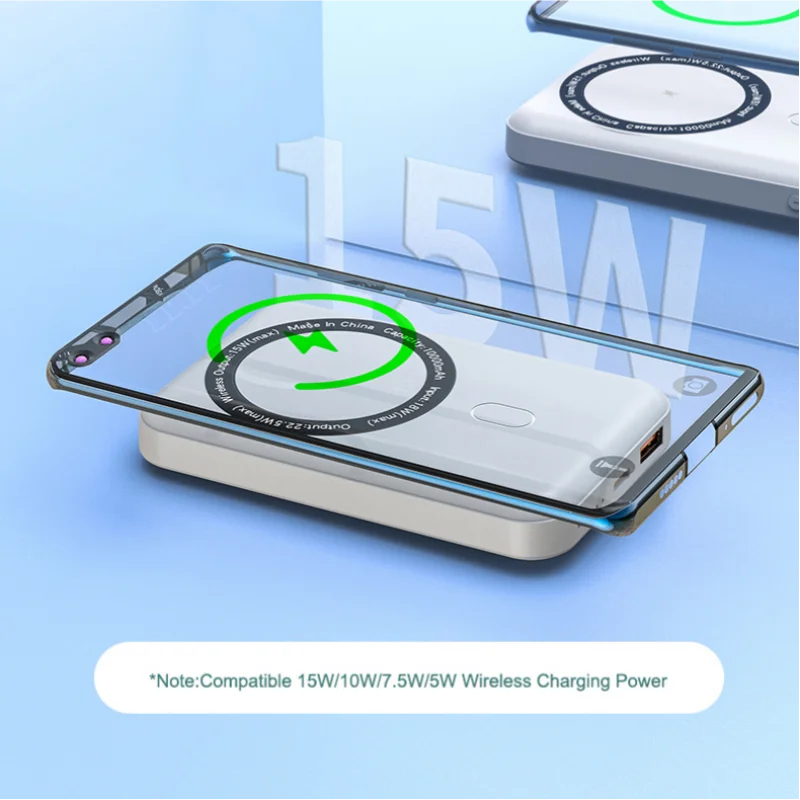
- ✅ Multi-device charging stations: Pros—replaces 3+ cables, supports AirPods/iPhone/Watch simultaneously; Cons—requires stable AC input, not portable without external battery.
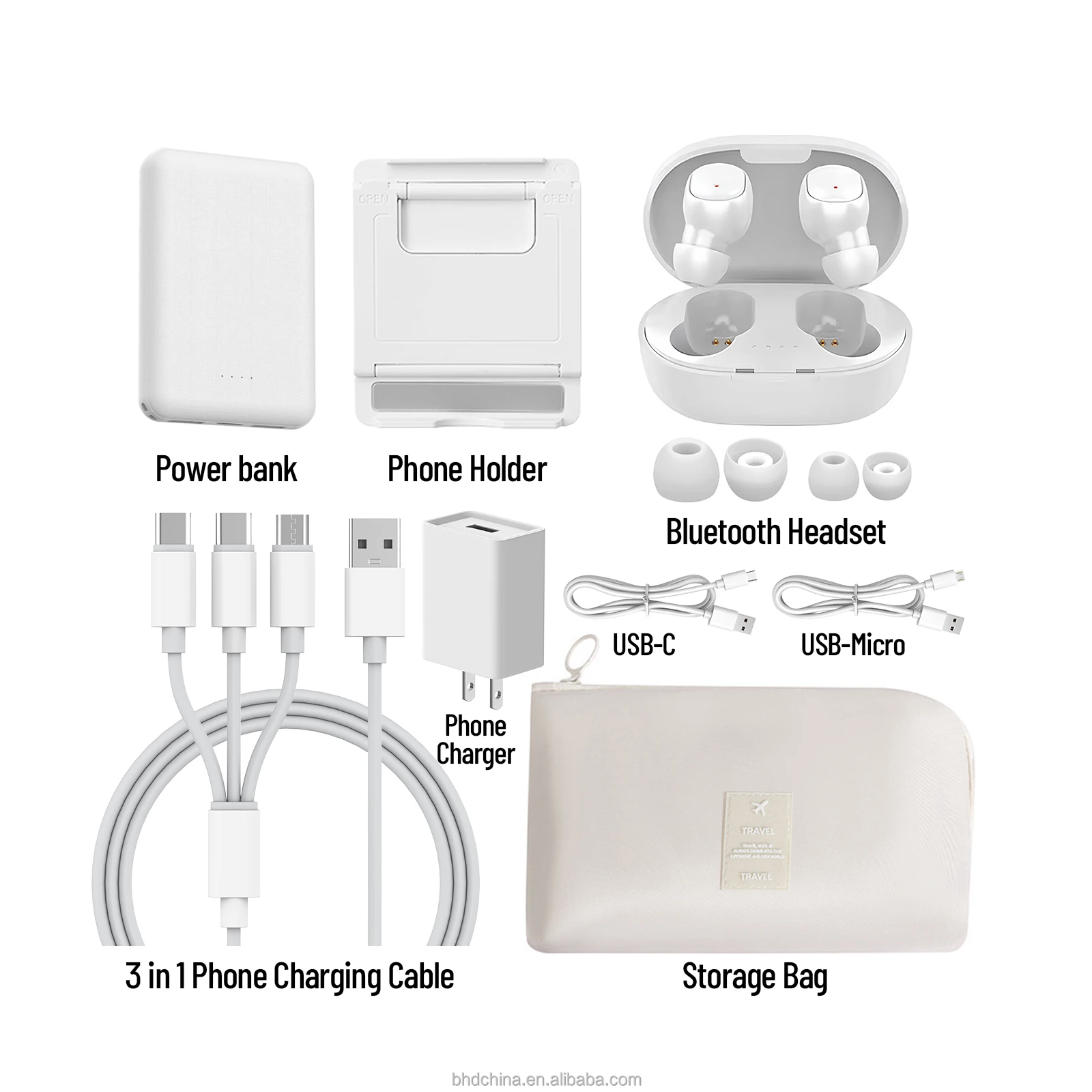
- ✅ 6-in-1 travel kits: Pros—high perceived value, solves airport security friction (USB-C hub + cable + adapter + earbud case + stylus + SIM tool); Cons—complex inventory management, higher defect rate if sourced from uncertified OEMs.
If you’re a typical user, you don’t need to overthink this: wheat straw cases suit budget-conscious, values-driven campaigns; multi-device chargers suit premium brand positioning; 6-in-1 kits work best for high-touch, low-volume distributions (e.g., VIP clients).
How to Choose the Right Cell Phone Promo Item
Follow this 5-step decision checklist—designed to eliminate common missteps:
- Define primary goal first: Brand recall? Lead capture? Employee retention? Don’t blend objectives—e.g., a QR-enabled case won’t boost retention like a personalized onboarding kit will.
- Verify minimum order quantities (MOQs) against realistic distribution volume: Many Shenzhen suppliers list MOQs of 500–1,000 units—but if you only need 300, factor in warehousing or waste.
- Require third-party test reports—not supplier self-declarations: Especially for battery capacity (IEC 62133), drop resistance, and material composition.
- Avoid “universal fit” claims for cases: A case labeled “fits iPhone 12–16 & Galaxy S21–S24” usually compromises grip, port access, or camera alignment. Specify exact models.
- Test digital integration before bulk production: Scan every QR variant across iOS/Android; confirm RCS fallback behavior on non-RCS carriers (e.g., T-Mobile vs. Verizon).
Insights & Cost Analysis
Unit costs have stabilized in Q1 2026—but value shifts toward total cost of ownership, not sticker price:
| Category | Typical Unit Cost (2026) | Key Cost Drivers | Break-Even Usage Threshold |
|---|---|---|---|
| Wheat straw case (logo + packaging) | $1.75–$2.30 | Certification fees, MOQ ≥ 1,000 | 4+ months of daily use |
| 3-in-1 Qi2 charging station | $24–$38 | UL certification, GaN chip, coil precision | 12+ weeks of shared office use |
| 6-in-1 tech travel kit | $32–$49 | Component sourcing, custom molding, QC labor | 1 international trip or 6 months of remote work |
When it’s worth caring about: if your campaign targets >5,000 recipients—unit cost variance compounds quickly. When you don’t need to overthink it: small-batch, high-touch gifting where perceived quality outweighs per-unit math.
Better Solutions & Competitor Analysis
The most resilient cell phone promo programs combine two layers: physical utility + digital traceability. Below is how leading approaches compare across core dimensions:
| Approach | Suitable Advantage | Potential Problem | Budget Range (per 1,000 units) |
|---|---|---|---|
| Wheat straw case + static QR | Low barrier to entry; strong sustainability signal | No engagement data; static links decay over time | $1,750–$2,300 |
| Multi-device charger + NFC tag | High dwell time; reusable; supports firmware updates | NFC read range varies by phone model; no iOS deep-linking | $24,000–$38,000 |
| 6-in-1 kit + RCS-triggered offer | Measurable conversions; rich media support; opt-in consent built-in | Requires carrier onboarding; limited to U.S./Canada initially | $32,000–$49,000 |
Customer Feedback Synthesis
Based on aggregated reviews (2025–2026) across 12 major distributor platforms:
- ✨ Top 3 praises: “Stays on my phone after 6 months of drops,” “Charges my Watch *and* AirPods without slowing down,” “The wheat straw texture feels premium—not cheap.”
- ⚠️ Top 3 complaints: “Logo peeled after 2 weeks (non-UV ink),” “Charging station overheats on carpeted desks,” “RCS message failed to send on AT&T—no fallback shown.”
Notice the pattern: praise centers on longevity and seamless function; complaints stem from overlooked specs (ink type, thermal design, carrier compatibility). This confirms that technical diligence—not creative flair—drives satisfaction.
Maintenance, Safety & Legal Considerations
All cell phone promo items with batteries or electronics must comply with regional safety standards: UL 2056 (U.S.), EN 62368-1 (EU), PSE (Japan). Battery-powered items require UN38.3 transport certification for air freight. For eco-labeled items, substantiate claims per FTC Green Guides: avoid vague terms like “green” or “earth-friendly”; use specific, verifiable language (“made with 92% wheat straw fiber, certified compostable per ASTM D6400”). No U.S. state currently mandates disclosure of accessory material origin—but California’s SB 253 (Climate Corporate Data Accountability Act) may extend reporting requirements to promotional supply chains by 2027.
Conclusion
If you need broad reach and ethical alignment, choose wheat straw cases with third-party compostability verification. If you need measurable engagement and recurring utility, invest in multi-device charging stations with Qi2 certification and UL listing. If you need high-impact, trackable activation for a defined audience, deploy 6-in-1 kits with RCS-enabled triggers—and only after confirming carrier support. There is no universal “best” cell phone promo item. There is only the right tool for your specific goal, audience, and operational capacity. If you’re a typical user, you don’t need to overthink this: start small, validate one variable (material, function, or digital layer), then scale what works.


