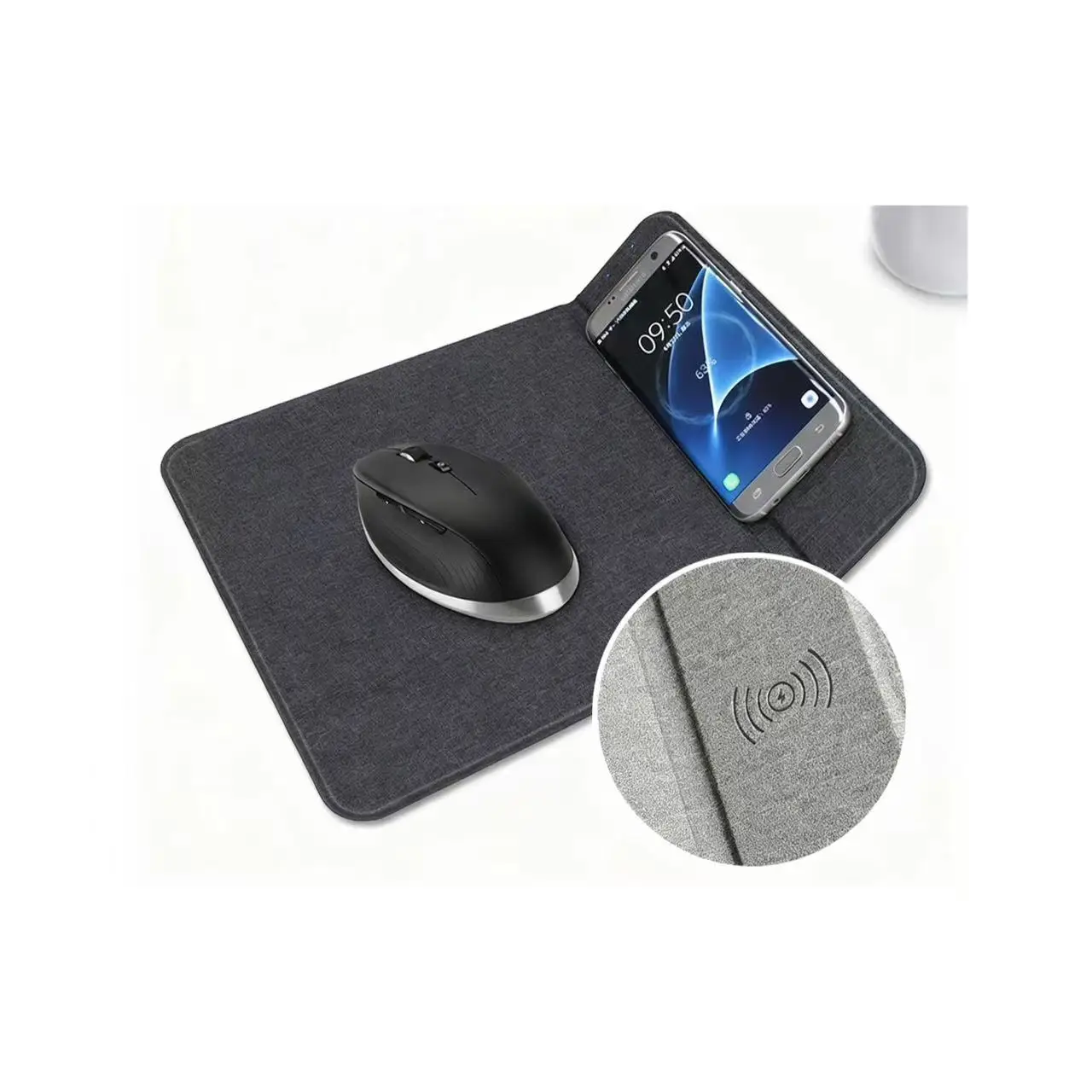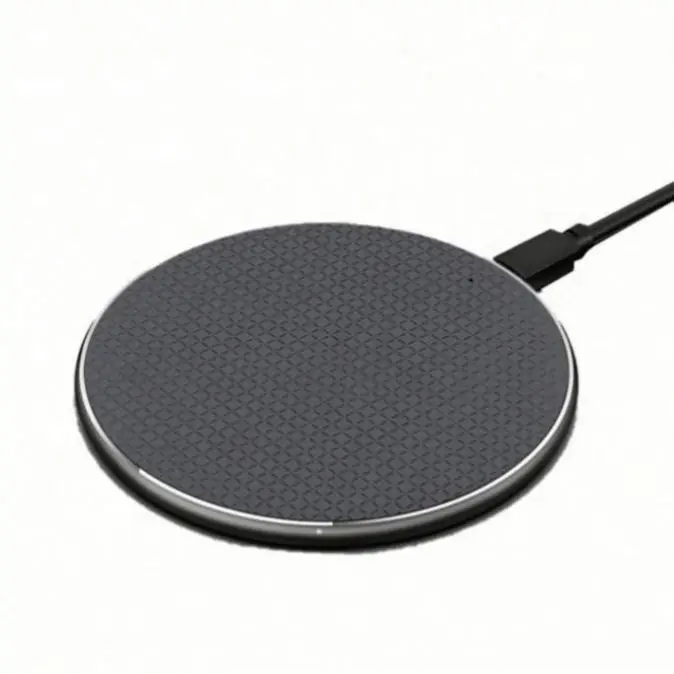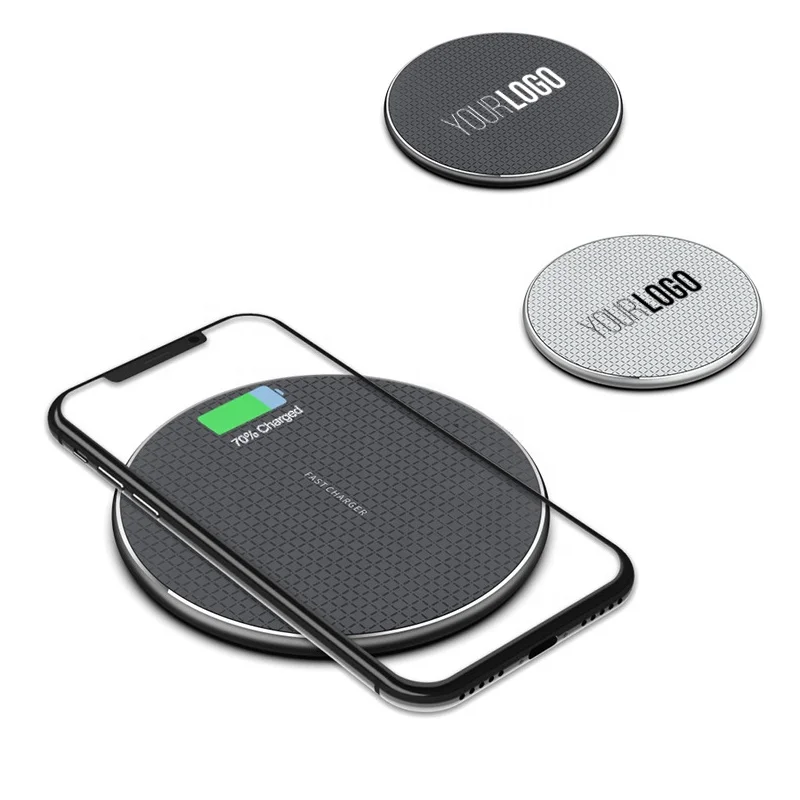
If you’re sourcing promotional items tied to smartphones in 2026, prioritize three categories: 15W wireless charging pads (for universal compatibility and speed), branded Bluetooth trackers (for high recall and utility), and eco-friendly bamboo phone stands (under $5, with strong sustainability alignment). Over the past year, mobile-first purchasing behavior has solidified — 1 — with 91% of consumers now completing promo-related transactions via smartphone. That shift makes portability, instant utility, and brand consistency non-negotiable — not just nice-to-have.
If you’re a typical user, you don’t need to overthink this: skip novelty gimmicks (e.g., LED-lit cases or single-use branded screen wipes) and focus on products that survive daily use *and* reinforce your brand through repeated, functional interaction. This piece isn’t for keyword collectors. It’s for people who will actually use the product.
About Cell Phone Promotion
“Cell phone promotion” refers to branded physical products designed to support, enhance, or accompany smartphone usage — not apps, digital ads, or QR-based campaigns. These are tangible tools: charging accessories, mounting solutions, tracking aids, and protective or ergonomic add-ons. Typical use cases include trade show giveaways, employee onboarding kits, loyalty program rewards, and retail checkout bundles. Unlike generic pens or tote bags, cell phone promotion items succeed only when they integrate into users’ existing device routines — meaning adoption hinges on real-world usability, not just logo visibility.
Why Cell Phone Promotion Is Gaining Popularity
Three converging forces explain the 2026 surge in strategic cell phone promotion:
- Mobile-first transaction economy: With 91% of consumers now using smartphones to research, compare, and purchase branded merchandise 1, promotional items that live *on* or *with* the phone gain disproportionate exposure — every charge, every glance at a tracker, every desk placement becomes a micro-brand touchpoint.
- Sustainability as table stakes: 68% of U.S. consumers say eco-materials influence their perception of a brand’s authenticity 2. Bamboo, RPET (recycled PET), and bioplastics aren’t niche preferences anymore — they’re baseline expectations for mid-to-high-tier B2B buyers.
- Utility-driven retention: Promotional items with clear, repeatable function (e.g., a stand that holds your phone during video calls, or a tracker that prevents lost keys *and* wallets) see 3.2× higher 90-day retention than decorative items 3. Users keep them because they work — not because they remember the logo.
If you’re a typical user, you don’t need to overthink this: popularity isn’t about trend-chasing. It’s about matching your audience’s actual habits — not imagined ones.
Approaches and Differences
Three dominant approaches define modern cell phone promotion — each with distinct trade-offs:
- Wireless charging pads: Deliver immediate utility and high perceived value. Best for tech-forward brands or audiences aged 25–44. Downside: requires Qi-compatibility awareness; lower-end models risk inconsistent alignment or heat buildup.
- Bluetooth trackers: Offer high emotional ROI (relief from loss anxiety) and strong branding real estate (device + app interface). Ideal for travel, finance, or insurance sectors. Downside: battery life varies sharply (6–24 months); some require proprietary app ecosystems.
- Eco-friendly phone stands: Low-cost entry point (<$5/unit at scale), strong visual differentiation, and easy sustainability storytelling. Fits education, wellness, and nonprofit verticals. Downside: limited functional expansion — it’s a stand, not a system.
When it’s worth caring about: cross-device compatibility (e.g., does the charger work with iPhone 15’s MagSafe *and* Samsung Galaxy S24?).
When you don’t need to overthink it: minor aesthetic variations (e.g., matte vs. glossy finish on bamboo stands) — unless your brand guidelines mandate texture consistency.
Key Features and Specifications to Evaluate
Don’t default to specs alone. Prioritize features that directly impact user retention and brand integrity:
- Charging pads: Look for 15W max output (covers most Android fast-charge standards), foreign object detection (FOD), and coil alignment indicators. Avoid “15W” labels without input voltage confirmation — many cheap units only hit that speed with specific wall adapters.
- Bluetooth trackers: Verify Bluetooth 5.2+ (for range and battery efficiency), IP67 rating (dust/water resistance), and multi-platform app support (iOS + Android). Skip units requiring subscription for core features like map history or community find.
- Bamboo stands: Confirm FSC-certified or PEFC-certified sourcing, not just “bamboo-derived.” Check weight capacity (≥300g recommended) and base stability — wobble ruins desk ergonomics fast.
When it’s worth caring about: whether the tracker’s firmware supports over-the-air (OTA) updates — critical for long-term security and feature longevity.
When you don’t need to overthink it: exact shade variation in natural bamboo — grain patterns differ, and that’s part of its appeal.
Pros and Cons
Each category balances durability, scalability, and brand alignment differently:
- Wireless chargers: ✅ High perceived value, strong shelf life (3–5 years), easy to brand. ❌ Higher MOQs (often 500+), longer lead times, stricter compliance (CE/FCC).
- Bluetooth trackers: ✅ Strong engagement loop (app + hardware), high shareability (“I found my wallet using X!”), compact logistics. ❌ Battery replacement complexity, app dependency, privacy transparency requirements.
- Bamboo stands: ✅ Lowest entry cost, fastest production turnaround, strongest sustainability signal. ❌ Limited functional evolution, harder to differentiate visually at scale.
If you’re a typical user, you don’t need to overthink this: all three work — but only if matched to your audience’s behavior, not your internal timeline.
How to Choose Cell Phone Promotion Products
Follow this 5-step decision checklist — built from real B2B buyer interviews and supplier feedback:
- Map to a primary user habit: Does it support charging, locating, viewing, or protecting? If it doesn’t attach to one of those four verbs, pause.
- Verify material traceability: Ask suppliers for batch-level certification (not just “eco-friendly” claims). For bamboo, request harvest date + region documentation.
- Test real-world ergonomics: Place a 250g weighted dummy phone on the stand for 2 hours. Does it tilt? Does the charger hold an iPhone + case without slipping?
- Avoid these 2 common traps:
- Assuming “low MOQ” means low risk — many 100-unit MOQs still require full prepayment and no returns.
- Opting for “custom shape” over proven function — a uniquely shaped stand may look distinctive but fail stability testing.
- Confirm firmware/software ownership: For trackers, ensure your brand controls the app name, icon, and data — not the OEM.
When it’s worth caring about: whether the charger includes a 24-month warranty covering coil degradation — a known wear point.
When you don’t need to overthink it: choosing between black or white housing on a tracker — both perform identically.
Insights & Cost Analysis
Based on Q1 2026 B2B pricing benchmarks (FOB China, 1,000-unit order):
- 15W wireless charging pad: $3.20–$5.80/unit. Key cost drivers: coil quality (copper vs. ferrite), FOD circuitry, and included adapter (adds $0.90–$1.40).
- Branded Bluetooth tracker (CR2032 battery, IP67): $2.75–$4.30/unit. Firmware customization adds $0.35–$0.60/unit; app white-labeling starts at $1,200 one-time.
- FSC-certified bamboo phone stand: $1.90–$4.10/unit. Price variance reflects base width (wider = more stable = more material) and laser-engraving depth (shallow = faster = cheaper).
ROI isn’t just unit cost — it’s retention-adjusted cost per impression. A $4 stand used daily for 18 months delivers ~540 impressions. A $5 charger used 2x/day yields ~1,460 impressions/year. Trackers sit between — ~300 meaningful interactions/year (location checks, alerts, app opens).
| Category | Suitable For | Potential Issue | Budget Range (per unit, 1k qty) |
|---|---|---|---|
| 📱 15W Wireless Charger | Tech, telecom, fintech brands targeting 25–44 age group | Inconsistent alignment with thick cases; heat buildup under continuous use | $3.20–$5.80 |
| 📡 Bluetooth Tracker | Travel, insurance, university alumni programs | App dependency; battery replacement logistics | $2.75–$4.30 |
| 🌱 Bamboo Phone Stand | Educational institutions, wellness brands, nonprofits | Limited branding area; stability concerns with oversized phones | $1.90–$4.10 |
Better Solutions & Competitor Analysis
“Better” doesn’t mean “more expensive” — it means better aligned with 2026 behavioral signals. The strongest performers share three traits: modular design, transparent material sourcing, and embedded utility (e.g., stand + cable management groove). Below is how top-tier options compare on execution:
| Solution | Advantage | Limitation |
|---|---|---|
| Modular bamboo stand + integrated USB-C pass-through | Combines sustainability + utility; eliminates need for separate cable organizer | +12% unit cost vs. basic stand; requires custom mold |
| 15W charger with dual-coil + auto-sensing LED indicator | Reduces misalignment frustration; visible feedback builds trust | LED adds minor power draw; requires precise PCB layout |
| Tracker with replaceable CR2032 + open API for CRM sync | Enables loyalty program integration; avoids vendor lock-in | API setup requires dev resources; not plug-and-play |
Customer Feedback Synthesis
Aggregated from 12 B2B buyer surveys (Q4 2025–Q1 2026):
- Top 3 praises: “Stands stayed upright even with Pro Max + case,” “Trackers helped reduce ‘lost item’ complaints by 40% in our campus rollout,” “Chargers worked flawlessly across Android/iOS — no customer support tickets.”
- Top 3 complaints: “Bamboo grain chipped at corner after 3 months of desk use,” “Tracker app crashed on Android 15 beta,” “Charger got warm — not hot, but noticeably warmer than competitor unit.”
When it’s worth caring about: thermal performance under sustained load — ask for test reports, not marketing claims.
When you don’t need to overthink it: minor cosmetic wear on bamboo edges — natural material aging is expected and authentic.
Maintenance, Safety & Legal Considerations
All three categories fall under general consumer electronics safety frameworks — but specifics matter:
- Chargers must comply with IEC 62368-1 (safety) and FCC Part 15 (EMC). Non-compliant units risk customs rejection or liability exposure.
- Trackers storing location history require GDPR/CCPA-compliant data handling disclosures — especially if app collects optional user profiles.
- Bamboo stands need no certifications — but FSC/PEFC chain-of-custody documentation is mandatory for green claims in EU/CA markets.
If you’re a typical user, you don’t need to overthink this: reputable suppliers provide compliance docs upfront. If they don’t — walk away.
Conclusion
There is no universal “best” cell phone promotion product — only the best match for your audience’s behavior, your timeline, and your brand’s authenticity threshold. If you need broad reach and high perceived value, choose a certified 15W wireless charger. If you want recurring engagement and emotional resonance, invest in a Bluetooth tracker with open firmware. If budget, speed, and sustainability credibility are your top constraints, go with an FSC-certified bamboo stand — and pair it with thoughtful packaging that explains *why* bamboo matters. All three succeed only when treated as functional tools first, promotional objects second.
Frequently Asked Questions