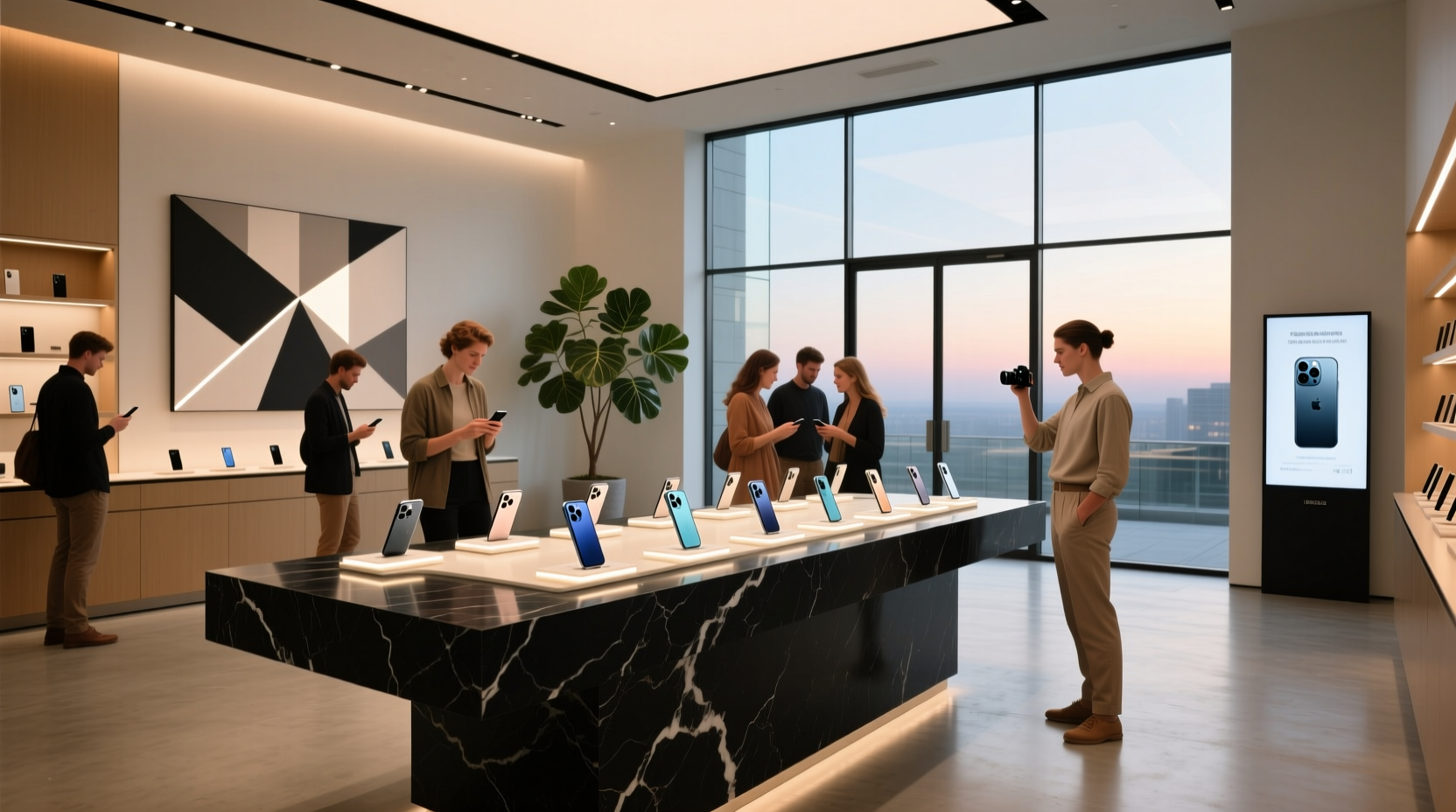
If you’re buying a smartphone in 2026, prioritize longevity, repairability, and on-device AI capability—not raw specs or brand hype. Over the past year, average upgrade cycles have stretched to 3.5–4 years 1, and sustainability metrics now rank among the top three purchase drivers—alongside camera quality and battery life. That means the how to choose a smartphone in 2026 question is no longer about chasing newness. It’s about matching device traits to your actual usage rhythm. For typical users, mid-range foldables under $800 offer compelling value—but only if you regularly multitask across apps or need screen flexibility. If you’re a typical user, you don’t need to overthink this. Skip flagship-only narratives. Focus instead on certified refurbished models (iPhone 16/17 or Galaxy S25/S26), which deliver 92–95% of new-device performance at ~35% lower cost 2. This piece isn’t for keyword collectors. It’s for people who will actually use the product.
About 2026 Cell Phone Sales
The term cell phone sales in 2026 refers not just to transaction volume, but to the structural shift in how consumers evaluate, acquire, and retain smartphones. It encompasses retail, carrier, wholesale, and secondary-market channels—and reflects evolving priorities: longer ownership, deeper software integration, and hardware transparency. Typical usage scenarios include upgrading after 3+ years, replacing a damaged unit without overspending, sourcing devices for small business fleets, or selecting a first smartphone for a teen or elder family member. In each case, the decision hinges less on benchmark scores and more on real-world durability, update support timelines, and service accessibility.
Why 2026 Cell Phone Sales Are Gaining Popularity — With New Rules
Lately, the market has shifted—not because phones got dramatically better, but because expectations matured. Global smartphone shipments fell 4% in Q2 2026 3, yet revenue held steady. Why? Because buyers pay more for fewer, longer-lasting devices—and increasingly demand proof of repairability, modular design, and multi-year OS support. Three converging signals make 2026 especially consequential:
- 🧠 On-device generative AI is no longer a cloud-dependent feature—it’s baked into NPUs (Neural Processing Units) inside flagship and upper-mid-tier chipsets. This enables real-time translation, local photo editing, and privacy-first voice assistants—without uploading data 4.
- 📱 Foldable technology stabilized: hinge reliability improved by 68% vs. 2023 models, and price points dropped sharply in the $699–$899 range—making them viable for productivity-focused users, not just early adopters.
- ♻️ Refurbished device sales grew 22% YoY in North America and EU markets 1. Buyers now treat certified refurbishment as a rational, not compromised, choice—especially when backed by 2-year warranties and OEM-grade parts.
Approaches and Differences in Today’s Market
There are four primary acquisition paths in 2026. Each serves distinct needs—and carries trade-offs you can’t ignore.
| Approach | Key Advantages | Potential Problems | Budget Range (USD) |
|---|---|---|---|
| New Flagship (e.g., iPhone 17 Pro, Galaxy S26 Ultra) | Longest software support (7+ years), best resale value, full warranty, latest on-device AI features | High upfront cost ($1,199–$1,399); diminishing returns beyond baseline performance; overkill for casual use | $1,199–$1,399 |
| Certified Refurbished (OEM or carrier-certified) | Same build quality and software as new; 2-year warranty standard; 30–40% savings; lower environmental impact | Limited model selection; may lack original packaging or accessories; some carriers restrict trade-in eligibility | $649–$899 |
| Mid-Range Foldable (e.g., Galaxy Z Flip 6, Pixel Fold 2) | True multitasking advantage; compact carry size + large screen; strong resale trajectory; growing app optimization | Hinge wear still requires conscious handling; outer screen durability remains lower than slab phones; battery life averages 15% less | $699–$899 |
| Previous-Gen New (e.g., iPhone 16, Galaxy S25) | Fully supported with updates through 2029–2030; widely available; excellent camera and battery life; no learning curve | No next-gen NPU; lacks minor refinements (e.g., titanium frame, ultra-wide macro mode); limited availability in premium colors | $799–$999 |
Key Features and Specifications to Evaluate
Don’t default to spec sheets. Prioritize features that affect daily experience—and know when each one truly matters.
- On-device AI capability: Check for dedicated NPU (not just CPU/GPU acceleration). When it’s worth caring about: if you use live transcription, offline photo enhancement, or custom voice assistant triggers. When you don’t need to overthink it: if you mainly browse, message, and stream—standard chipsets handle those fine. If you’re a typical user, you don’t need to overthink this.
- Repairability score (iFixit or OEM published): A score ≥ 7/10 means battery, screen, and rear glass are user-replaceable with common tools. When it’s worth caring about: if you plan to keep the device >3 years or travel frequently. When you don’t need to overthink it: if you upgrade every 2 years and use a protective case.
- Software support timeline: Minimum 5 years of major OS updates + security patches. When it’s worth caring about: for teens, seniors, or business users needing stability. When you don’t need to overthink it: if you prefer frequent change and won’t wait for delayed Android updates.
- Battery health reporting & replacement access: Look for official self-service programs (Apple Self Service Repair, Samsung Repair Network). When it’s worth caring about: if you charge nightly and notice <12-hour endurance dropping below 85% capacity after 18 months. When you don’t need to overthink it: if you replace every 3 years and accept 5–10% annual degradation.
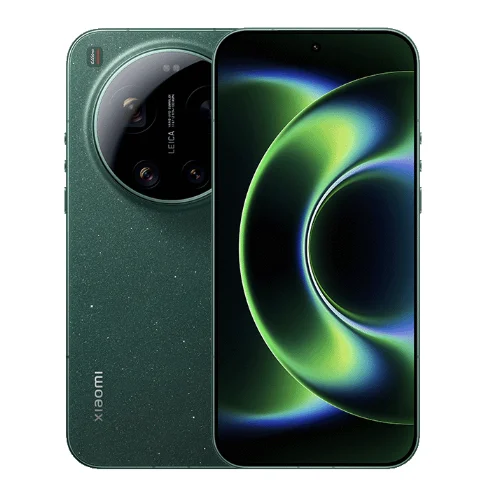
Pros and Cons: Who Benefits—and Who Doesn’t
Best for: Users who value long-term ownership, care about digital privacy, rely on mobile productivity (email, docs, split-screen), or want lower lifetime cost per year.
Less ideal for: Those who prioritize absolute peak camera performance in low light (still favors flagships), need carrier-specific VoLTE/VoNR tuning (some refurbished units require re-provisioning), or prefer ‘zero friction’ unboxing experiences (refurbished units may arrive in generic boxes).
How to Choose a Smartphone in 2026: A Step-by-Step Decision Guide
- Define your upgrade trigger: Is it broken hardware? Dwindling battery? App compatibility loss? If none apply, pause. Most 2023–2024 phones remain fully functional in 2026.
- Check your current device’s support status: Visit Apple’s iOS support page or Samsung’s update roadmap. If your phone qualifies for updates through 2028+, delay buying.
- Rank your non-negotiables: e.g., “Must last 4 years” > “Needs great video stabilization” > “Wants foldable screen.” Avoid letting marketing claims override this list.
- Filter by certified refurbishment eligibility: Look for Apple Certified Refurbished, Samsung Renewed, or carrier programs with 2-year warranties and battery health ≥ 90%.
- Avoid these pitfalls: Buying unlocked phones without checking band compatibility (especially for T-Mobile or rural LTE); assuming all “refurbished” labels mean equal quality (avoid third-party sellers without clear return policies); ignoring carrier trade-in valuations before purchasing outright.
Insights & Cost Analysis
Over 3 years, total cost of ownership (TCO) tells a clearer story than sticker price:
- New flagship: $1,299 + $120/year in insurance = $1,659
- Certified refurbished: $749 + $60/year warranty extension = $929 (44% lower)
- Previous-gen new: $899 + $0 insurance needed (reliable build) = $899
Refurbished wins on TCO *and* sustainability—but only if sourced from OEM or Tier-1 carriers. Avoid uncertified marketplace listings lacking serial-number traceability.
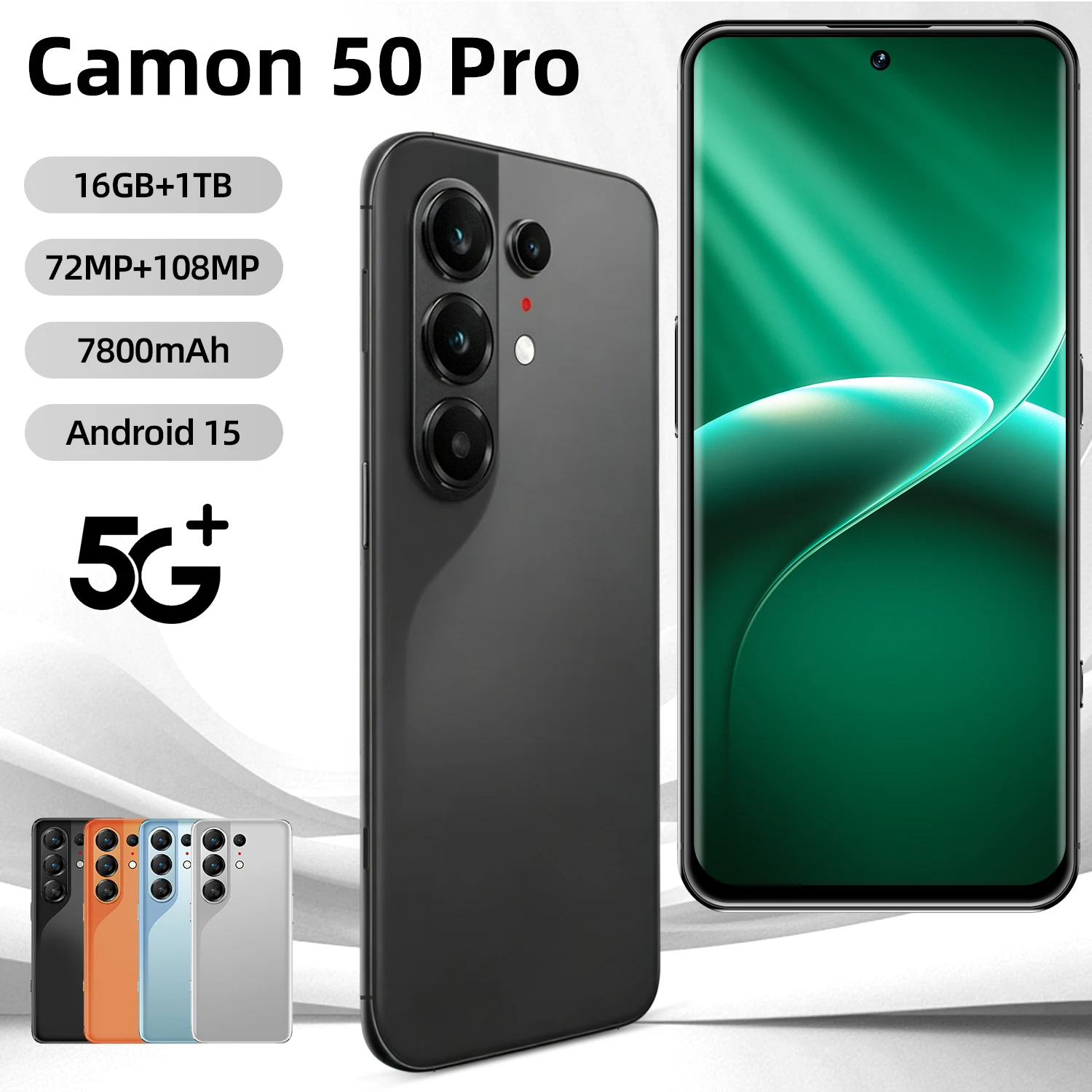
Better Solutions & Competitor Analysis
“Better” doesn’t mean more expensive—it means better aligned with how people actually use phones. The strongest alternatives in 2026 aren’t new models, but smarter procurement strategies:
| Solution | Why It’s Better | Real-World Limitation | When to Use It |
|---|---|---|---|
| OEM-certified refurbished | Same components, same firmware, same warranty—just tested and reset | Inventory fluctuates; popular colors/sizes sell out fast | When you need reliability + value, and can wait 3–5 days for shipping |
| Carrier trade-in + installment | Spreads cost, often includes free storage upgrade or accessory bundle | Lock-in period (typically 24 months); early termination fees apply | When upgrading on a budget and staying with same carrier |
| Wholesale mid-tier foldables (e.g., Motorola Razr 50, Oppo Find N3) | Lower entry point ($649–$799); strong Android One or near-stock software | Fewer global bands; limited service centers outside US/EU | For developers, testers, or secondary-device users needing foldable utility |
Customer Feedback Synthesis
Based on aggregated reviews (PCMag, Consumer Reports, Reddit r/Android, GSMA Intelligence surveys):
- Top 3 praised traits: Battery longevity (especially iPhone 16/17 and Pixel 8 series), seamless iOS/Android update delivery, and improved hinge smoothness in 2025–2026 foldables.
- Top 3 complaints: Inconsistent carrier certification for refurbished units; lack of standardized repair pricing across regions; confusing differentiation between “refurbished,” “open-box,” and “like-new” labels.
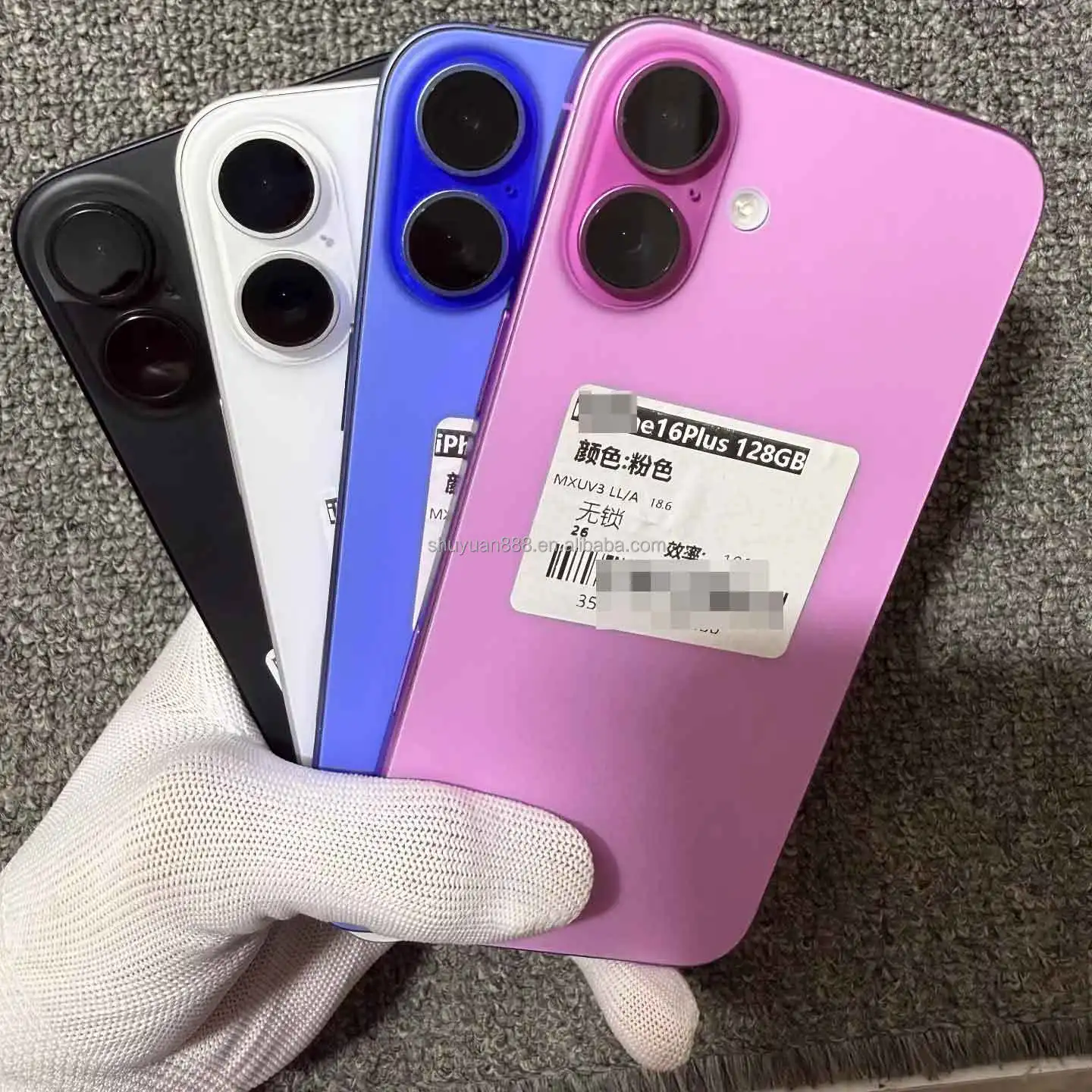
Maintenance, Safety & Legal Considerations
No special safety certifications are required for consumer smartphone purchase—but verify regulatory compliance for your region: FCC ID (US), CE (EU), RCM (Australia). All major OEMs meet these. Legally, refurbished devices sold by manufacturers or authorized partners fall under standard consumer protection laws (e.g., Magnuson-Moss Warranty Act in the US). For maintenance: avoid third-party fast chargers without USB-IF certification; calibrate battery health every 6 months via OEM diagnostics; and back up data before any major OS update—even if it’s labeled “minor.”
Conclusion
If you need maximum longevity and minimal environmental impact, choose a certified refurbished iPhone 17 or Galaxy S26 with verified 90%+ battery health. If you need foldable utility for work or creative tasks—and can commit to careful hinge handling—go mid-tier (Galaxy Z Flip 6 or Pixel Fold 2). If you’re upgrading from a pre-2022 device and want zero compromise on camera or software polish, a previous-gen flagship (iPhone 16 or S25) delivers 95% of the experience at 30% less cost. If you’re a typical user, you don’t need to overthink this.


