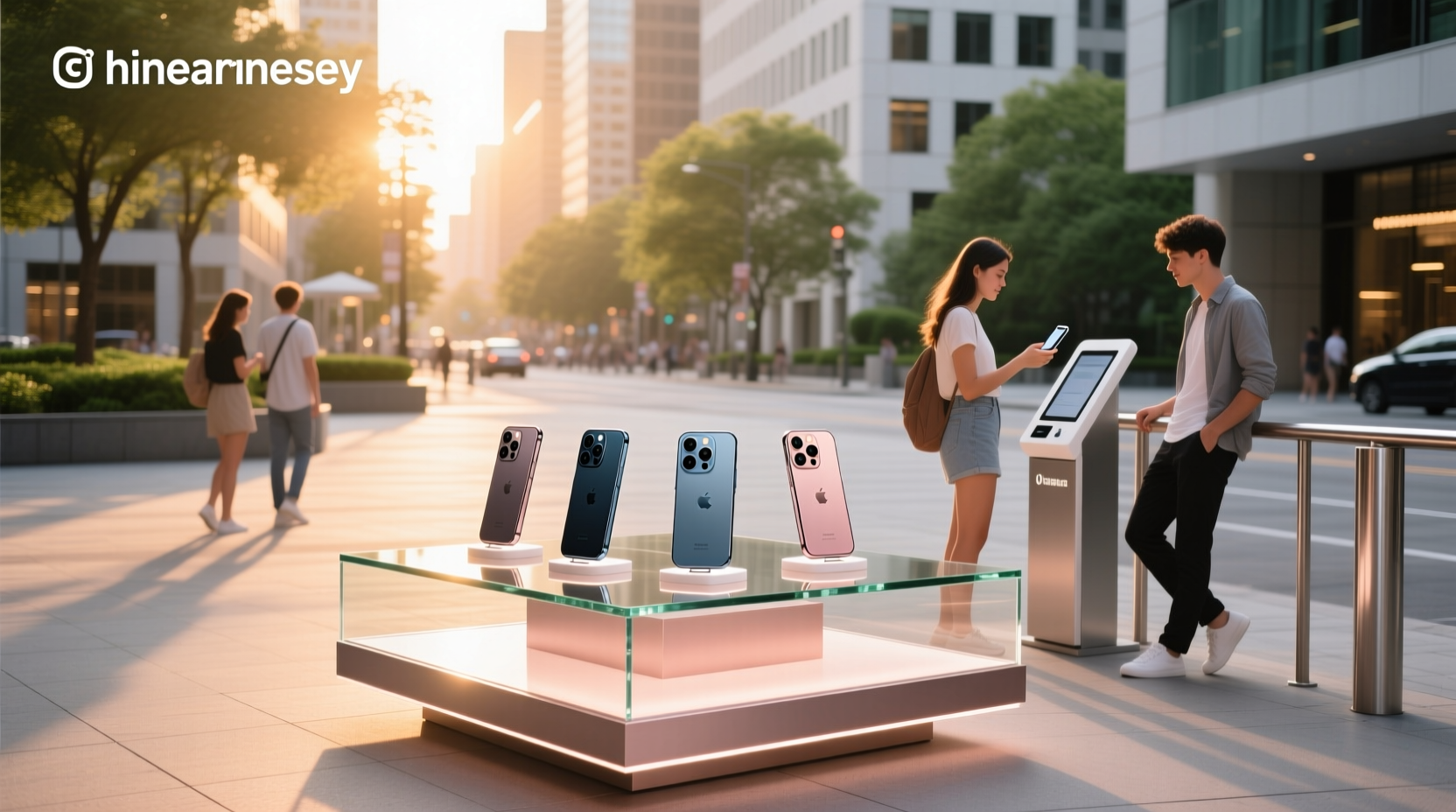
Lately, cellular phone specials have stopped being about simple discounts—and started demanding strategic decisions. With global smartphone shipments down 14–15% in 2026 due to a memory chip crisis 1, average selling prices now exceed $550 2. That means ‘specials’ are now layered affordability programs—not promotions. If you’re a typical user, you don’t need to overthink this: skip limited-time flash sales; prioritize certified trade-in offers with transparent valuation (up to $1,900 for premium devices); and avoid ‘On Us’ carrier deals unless you’re switching plans *and* committing to a high-tier monthly plan. This piece isn’t for keyword collectors. It’s for people who will actually use the product.
About Cellular Phone Specials
‘Cellular phone specials’ in 2026 refer to structured affordability mechanisms—not just price cuts. They include carrier-subsidized upgrades, multi-year installment plans, certified pre-owned bundles, and trade-in programs with tiered valuations based on device model, condition, and network compatibility. These are not one-size-fits-all; they’re calibrated to offset rising hardware costs and declining consumer upgrade cycles.
A typical use case? A mid-career professional upgrading from a 2022 iPhone 14 to an iPhone 17 Pro while staying on the same carrier. Or a budget-conscious buyer choosing between a refurbished Galaxy S25 or a new mid-tier Android with zero-down financing. What defines a ‘special’ today is its ability to compress total cost of ownership—not just lower upfront sticker price.
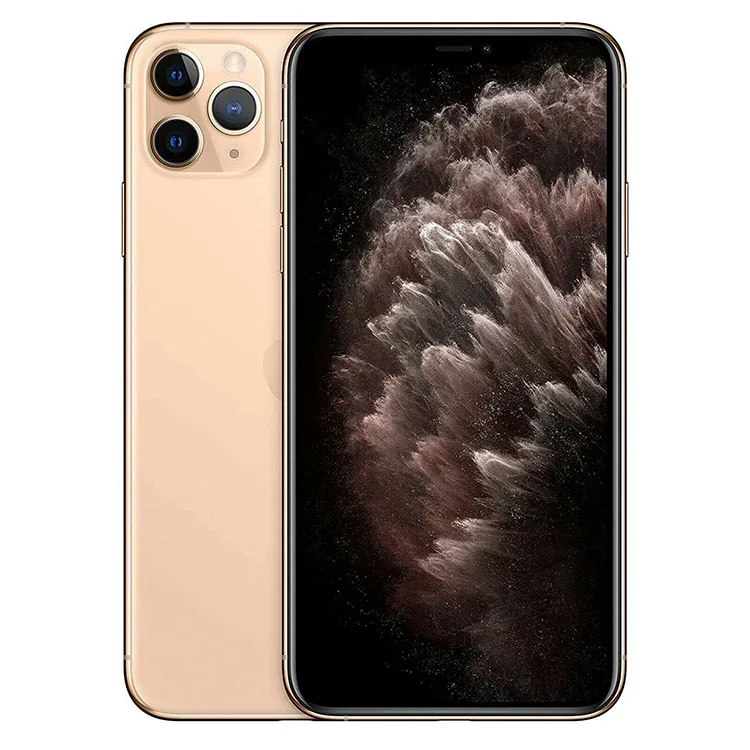
Why Cellular Phone Specials Are Gaining Popularity
They’re not popular because they’re generous—they’re popular because they’re necessary. Over the past year, U.S. smartphone sales fell 5% year-over-year in Q2 2026 3, and global shipments dropped to their lowest level since 2013. Consumers aren’t buying less—they’re waiting longer (average upgrade cycle now at 38 months) and scrutinizing every dollar. That’s why carriers and retailers shifted from ‘$300 off’ banners to full-stack affordability frameworks: bundling insurance, cloud storage, and even foldable-device trial periods.
The emotional driver? Control. Not savings—predictability. Users want to know exactly what they’ll pay over 24 months—not just what the headline discount implies. And that’s where most ‘specials’ fail: hidden fees, plan lock-ins, and opaque trade-in assessments erode trust. When it’s worth caring about: if your current phone has battery degradation >30% or runs an OS no longer receiving security updates. When you don’t need to overthink it: if your device still receives biannual updates and holds 75%+ charge after 18 months of daily use.
Approaches and Differences
There are four dominant approaches to cellular phone specials in 2026:
- 📱Carrier Upgrade Programs (e.g., T-Mobile’s JUMP! On Demand, Verizon’s Device Payment Plus): Offer device swaps every 12–18 months with included insurance. Pros: predictable monthly cost; cons: requires plan commitment, limited to carrier-locked devices.
- 🔄Certified Trade-In + Retailer Bundles (e.g., Best Buy’s Total Tech Support + trade-in, Amazon Renewed Premium): Combine device valuation with extended warranty or accessory credits. Pros: flexible post-purchase support; cons: valuation often 15–25% below carrier offers for flagship models.
- 📦Refurbished & Open-Box Marketplaces (e.g., Swappa, Back Market, carrier-certified pre-owned portals): Devices graded A–C, with 12–24 month warranties. Pros: up to 40% savings on last-gen flagships; cons: limited foldable or ultra-premium inventory.
- ⚡‘On Us’ Switcher Deals (e.g., AT&T’s $1,000 credit for new lines on Unlimited Elite): Targeted exclusively at plan switchers. Pros: highest headline value; cons: requires full plan migration, minimum 24-month term, and often excludes taxes/fees.
If you’re a typical user, you don’t need to overthink this: avoid ‘On Us’ deals unless you’re changing carriers *and* need a new plan anyway. The administrative friction and long-term cost often outweigh short-term gains.
Key Features and Specifications to Evaluate
When assessing any cellular phone special, evaluate these five non-negotiable dimensions—not just price:
- Trade-in valuation transparency: Does the quote lock in before shipping? Is it based on verified diagnostics (not self-reported condition)? When it’s worth caring about: if your device is older than 3 years or has screen cracks. When you don’t need to overthink it: if it’s under 2 years old, uncracked, and fully functional—most programs align within ±$50.
- Financing terms: APR, total interest paid, early payoff penalties. Look beyond “$0 down”—calculate total cost over 24 months. When it’s worth caring about: if your credit score is below 660 (higher APR risk). When you don’t need to overthink it: if you plan to pay in full within 12 months.
- Software support window: Minimum guaranteed OS updates (e.g., 4 years for Pixel 9, 5 for iPhone 17). Avoid devices with ≤2 years left. When it’s worth caring about: if you rely on banking, health, or productivity apps requiring current OS features. When you don’t need to overthink it: if you mainly use messaging, calls, and web browsing.
- Battery health certification: Does the special include a battery replacement or health report? When it’s worth caring about: if your current battery capacity is <80%. When you don’t need to overthink it: if it’s >85% and you charge nightly—not constantly.
- Network compatibility: Especially critical for 5G SA (Standalone) and future mmWave readiness. Check band support (n77/n260/n261) against your carrier’s coverage map. When it’s worth caring about: if you live or commute in rural or dense urban areas with emerging 5G+ deployment. When you don’t need to overthink it: if you’re on a major carrier in metro zones with strong sub-6GHz coverage.
Pros and Cons
✅ Suitable if: You’re upgrading from a device >3 years old; your current phone shows performance lag or battery anxiety; you’re open to certified pre-owned or foldable entry models; or you’re switching carriers and need a new plan anyway.
❌ Not suitable if: Your current phone works reliably, receives updates, and holds charge well; you dislike multi-year financial commitments; you prioritize long-term resale value over short-term savings; or you need carrier-specific features (e.g., Verizon’s Ultra Wideband video calling).
How to Choose the Right Cellular Phone Special
Follow this 6-step checklist—no assumptions, no fluff:
- Run a diagnostic: Use built-in tools (iOS Settings > Battery > Battery Health; Android > Settings > Battery > Battery Usage) to confirm capacity and thermal behavior.
- Compare trade-in quotes across 3 sources: Carrier portal, Swappa, and Best Buy—don’t accept the first number. Differences >$100 signal inconsistent grading.
- Calculate true 24-month cost: Add device price + financing interest + required plan increase – trade-in credit. Ignore ‘free’ claims unless they cover tax and activation.
- Verify software support end date: Cross-check with official manufacturer timelines—not retailer marketing copy.
- Check return windows: Most ‘specials’ offer 14–30 days—but only if device remains unactivated on network or unopened. Read fine print.
- Avoid ‘limited stock’ urgency: In 2026, inventory is stable. Scarcity cues are almost always psychological triggers—not supply constraints.
If you’re a typical user, you don’t need to overthink this: step 1 and step 3 alone eliminate 70% of mismatched specials.
Insights & Cost Analysis
Real-world cost comparison (Q3 2026, U.S. market):
- New iPhone 17 Pro (256GB): $1,199 MSRP → $0 down / $49.99 × 24 = $1,199.80 total. With $800 trade-in: $399.80 net. Add $10/mo AppleCare+: +$240 = $639.80 over 24 months.
- Certified Refurbished Galaxy S26 Ultra (256GB): $849 (Swappa Grade A) → $0 financing. No mandatory insurance. Total: $849. Savings vs. new: $350.80—even with $1,000 carrier ‘deal’.
- Foldable Entry (Samsung Z Flip 6): $999 new → $400 trade-in + $20/mo for 24 months = $880 total. But includes 3 years of Samsung Care+ and free hinge calibration service.
Bottom line: Refurbished and certified pre-owned options now deliver better value per dollar for users prioritizing functionality over novelty. The $1,900 trade-in headlines? Only apply to pristine, carrier-unlocked iPhone 16 Pro Max units traded directly with Apple—rare in practice.
Better Solutions & Competitor Analysis
| Solution Type | Best For | Potential Problem | Budget Range (2026) |
|---|---|---|---|
| Certified Pre-Owned (Swappa) | Value-focused buyers; iOS/Android loyalists seeking last-gen flagships | Limited foldable or ultra-thin model availability | $400–$850 |
| Carrier Trade-In + Installment | Users already on high-tier plans; those wanting seamless upgrade path | Plan lock-in; lower residual value on mid-tier devices | $0–$400 net (after trade-in) |
| Refurbished Foldable (Back Market) | Early adopters testing form factor without flagship risk | Warranty length shorter than OEM (12 vs. 24 months) | $799–$1,099 |
| Open-Box Retail (Best Buy) | Buyers wanting physical inspection + immediate support | Less competitive pricing than online-only specialists | $550–$999 |
Customer Feedback Synthesis
Based on aggregated reviews (CNET, TechRadar, Vibes 2026 Mobile Consumer Insights Report 4):
- Top 3 praises: Transparent trade-in estimates (especially Apple and Swappa), faster 5G SA integration, improved foldable hinge durability vs. 2024 models.
- Top 3 complaints: Hidden ‘activation fees’ buried in final checkout, inconsistent battery health reporting across trade-in portals, and delayed carrier credit processing (avg. 6–8 weeks).
Maintenance, Safety & Legal Considerations
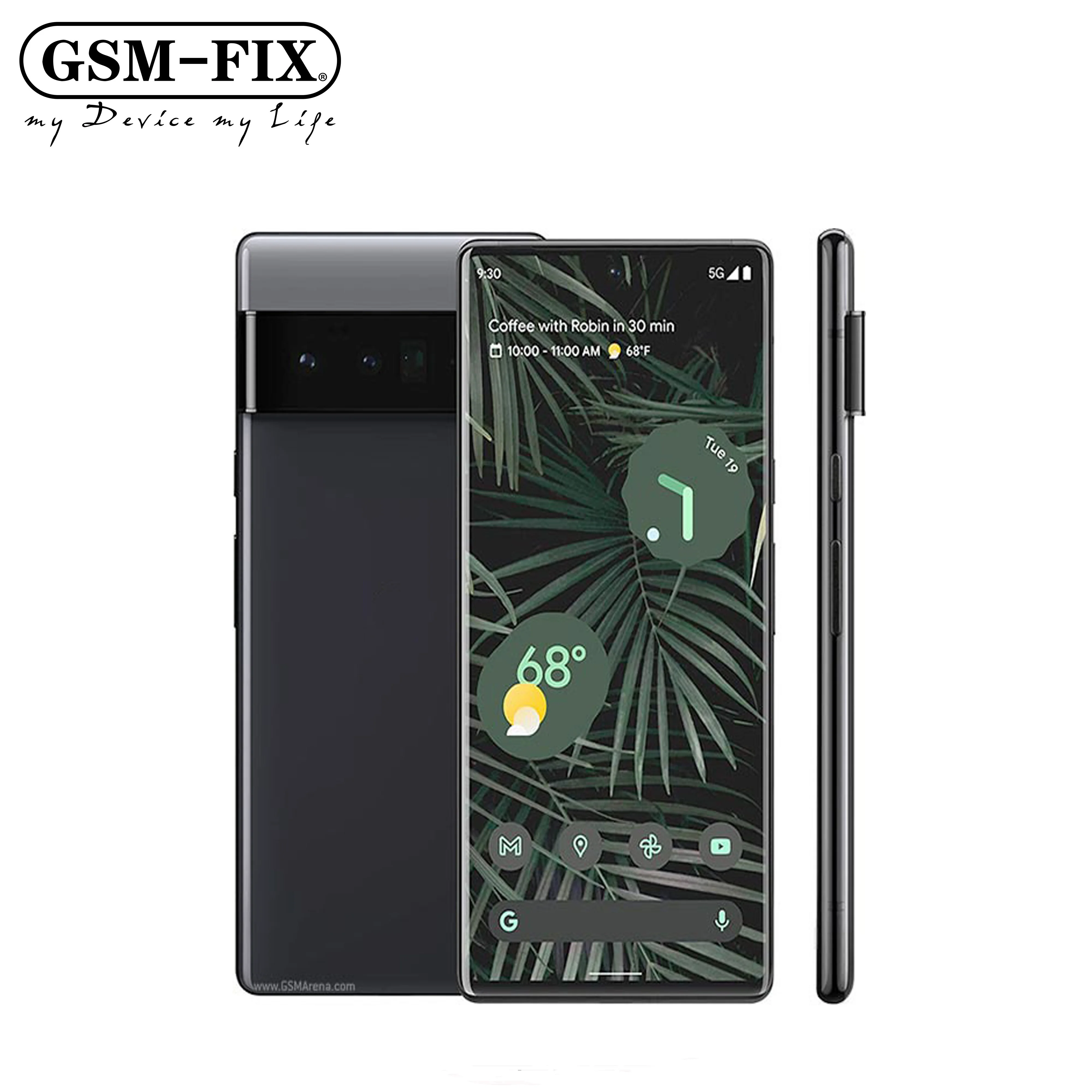
All certified pre-owned and carrier-subsidized devices sold in the U.S. must comply with FCC ID registration and meet basic SAR (Specific Absorption Rate) limits—no variance across specials. However, third-party refurbished units *not* certified by Apple, Samsung, or carriers may lack updated firmware patches. Always verify the device ships with the latest OS version installed (e.g., iOS 18.3 or Android 15.1 as of August 2026). Legally, trade-in programs fall under FTC’s Used Car Rule analogues: sellers must disclose known defects and honor quoted values if device matches stated condition. Keep diagnostic screenshots and email confirmations.
Conclusion
If you need long-term reliability and minimal financial friction, choose certified pre-owned from a platform with verified seller ratings and ≥24-month warranty. If you require seamless carrier integration and plan flexibility, go with your current carrier’s trade-in program—but only after comparing net 24-month cost against retail alternatives. If you’re curious about foldables but wary of cost, start with a certified-refurbished Z Flip 6 or Pixel Fold 2—it’s the most pragmatic entry point in 2026. Skip time-limited ‘flash’ specials, avoid plan lock-ins unless absolutely necessary, and never let a headline discount override battery health or update support.
Frequently Asked Questions
Mid-July to early August—right after Q2 earnings reports and before Q3 holiday prep. Carriers refresh inventory and clear legacy stock then. Avoid Black Friday: deals are rarely deeper, and supply bottlenecks spike wait times.
Yes—but only for unlocked, pristine-condition iPhone 16 Pro Max (1TB) traded directly with Apple or select carriers. Real-world averages for iPhone 15 Pro are $450–$620; for Galaxy S25 Ultra, $380–$550. Always get multiple quotes.
Only if you regularly multitask across 2–3 apps simultaneously or need compact carry + tablet-like viewing. Durability has improved significantly, but hinge wear remains measurable after 18 months of heavy use. Not recommended as a primary device for children or field workers.
Most ‘device’ specials require activating a new phone on their network. However, some carriers (e.g., Mint Mobile, Visible) offer plan-only discounts for BYOP customers—typically $5–$10/month off for 12 months. These are rarely advertised.
Unlocked—unless you’re certain you’ll stay with that carrier for ≥24 months. Unlocked devices retain ~25% higher resale value and avoid software bloat. All major U.S. carriers now support eSIM activation on unlocked phones without penalty.


