If you’re buying a cellular telephone in 2026, prioritize three things: direct-to-satellite (DTS) messaging capability for safety-critical use, modular battery or camera expansion for field work, and AI-native OS support—not raw specs. Over the past year, satellite connectivity has shifted from premium-only to mainstream availability, with six major B2B suppliers now offering certified DTS modules under $300 1. If you’re a typical user, you don’t need to overthink this: skip phones without at least one of these three features unless your use case is strictly indoor, Wi-Fi-dense, and short-term. This piece isn’t for keyword collectors. It’s for people who will actually use the product.
About Cellular Telephones in 2026
A cellular telephone in 2026 is no longer just a voice-and-messaging device—it’s a context-aware node in hybrid networks (LTE/5G-Advanced, NB-IoT, and LEO satellite). Unlike legacy models, today’s devices embed hardware-level AI accelerators, standardized modularity interfaces (e.g., ISO/IEC 29147-compliant expansion bays), and dual-mode RF stacks that negotiate between terrestrial and satellite links automatically 2. Typical use cases include remote logistics coordination, field service reporting, disaster-response comms, and low-bandwidth enterprise asset tracking—where reliability trumps speed.

Why Cellular Telephones Are Gaining Popularity in 2026
Global smartphone shipments are projected to decline 13.9% in 2026—the worst annual drop on record—yet cellular telephone demand is rising in industrial, public safety, and rural sectors 3. Why? Because users are shifting from consumption-grade devices to purpose-built tools. Satellite messaging eliminates dead-zone dependency. Modular designs reduce e-waste and extend lifecycle beyond 5 years. And AI-native features—like real-time language translation embedded in baseband firmware—cut latency by up to 40% versus cloud-dependent alternatives 4. When it’s worth caring about: if your job involves off-grid travel, infrastructure inspection, or multi-language field teams. When you don’t need to overthink it: if you only make calls and browse social media indoors.
Approaches and Differences
Three architectural approaches dominate 2026 cellular telephones:
- Monolithic AI-Native Devices: Integrated SoC with dedicated NPU (e.g., Qualcomm Snapdragon X Elite-based), preloaded with offline speech, vision, and translation models. Pros: consistent performance, low power draw. Cons: non-upgradable, vendor-locked firmware updates.
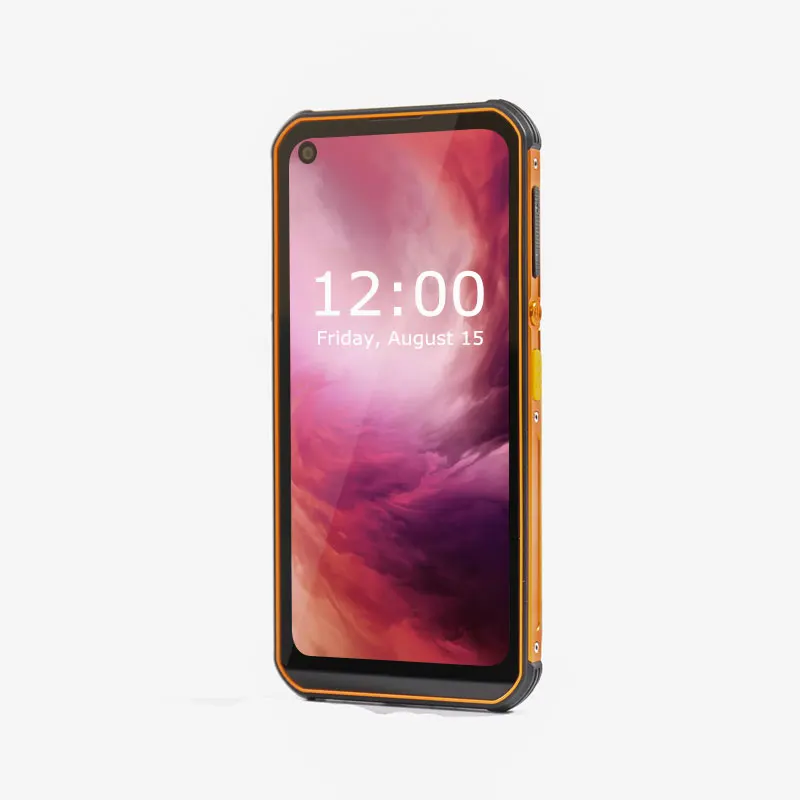
- Modular Rugged Platforms: DIN-rail or M12-mountable chassis with snap-in battery, radio, and sensor modules (e.g., 16,000mAh+ LiFePO₄ packs). Pros: field-replaceable, repairable, scalable. Cons: bulkier, higher initial cost.
- Satellite-First Hybrids: Dual-mode radios (sub-6GHz + LEO band), certified for emergency messaging via Starlink or Iridium Certus. Pros: life-critical redundancy. Cons: limited data throughput (<128 kbps), requires subscription for full functionality.
If you’re a typical user, you don’t need to overthink this: most consumers benefit more from modular ruggedness than raw AI horsepower—unless your workflow depends on real-time transcription or edge inference.
Key Features and Specifications to Evaluate
Don’t default to screen size or megapixels. Prioritize these five measurable criteria:
- DTS Certification Level: Look for FCC Part 22/24 or ETSI EN 301 489-50 compliance—not just “satellite-ready.” Certified devices guarantee message delivery within 90 seconds under open-sky conditions 5.
- Modular Interface Standard: ISO/IEC 29147 or MIL-STD-810H-compliant bays ensure cross-vendor compatibility. Avoid proprietary docks.
- Battery Runtime Under Load: Not “up to 48 hrs,” but verified discharge at 200mA continuous TX/RX + GPS active. Top performers sustain >36 hours at −20°C 6.
- AI-Native Feature Scope: Verify whether speech-to-text, OCR, or object detection runs locally (no cloud round-trip). Check for ONNX Runtime or TensorFlow Lite Micro support.
- Firmware Update Policy: Minimum 5 years of security patches and feature updates—confirmed in writing, not marketing copy.

Pros and Cons
When it’s worth caring about: if your role requires traceable, encrypted, location-stamped voice logs or offline incident reporting. When you don’t need to overthink it: if your current phone lasts two days and works reliably in your city—upgrade only when workflow changes.
How to Choose a Cellular Telephone: A Practical Decision Checklist
- Map your primary failure mode: Is it battery exhaustion? Signal dropout? Physical damage? Start there—not with features.
- Verify certification documents: Request test reports (not datasheets) for DTS, IP68/69K, and MIL-STD-810H. If the supplier won’t share them, walk away.
- Test modularity in person: Swap a battery or antenna under gloves. If it takes >15 seconds or requires tools, it fails real-world usability.
- Avoid “AI-washed” claims: If the spec sheet says “AI-enhanced” but doesn’t name the inference engine or local memory footprint, treat it as marketing noise.
- Confirm update SLA: Ask: “What happens after Year 3? Do security patches continue? Is source code available for internal review?”
Insights & Cost Analysis
Entry-tier certified cellular telephones start at $420 (e.g., ruggedized DTS-capable units with 8GB storage and 3-year firmware support). Mid-tier modular platforms range $780–$1,350—reflecting certified battery packs, thermal management, and optional LTE-M/NB-IoT fallback. High-end variants with dual-satellite radios and FPGA-accelerated AI exceed $2,100 7. Budget-conscious buyers should allocate 20–30% of total cost to long-term support—not just hardware. If you’re a typical user, you don’t need to overthink this: $780–$1,100 covers 90% of professional needs without over-engineering.
Better Solutions & Competitor Analysis
| Category | Best-Suited Advantage | Potential Problem | Budget Range (USD) |
|---|---|---|---|
| AI-Native Monoliths | Low-latency voice translation for multilingual field crews | No hardware upgrades; obsolescence risk after 3 years | $420–$890 |
| Modular Rugged Platforms | Field-replaceable 16,000mAh+ batteries; 7+ year lifecycle | Heavier (320–410g); fewer consumer retail channels | $780–$1,350 |
| Satellite-First Hybrids | Emergency SOS with GNSS timestamping; FCC-certified delivery | Subscription required ($15–$25/mo); no video or file transfer | $940–$2,150 |
Customer Feedback Synthesis
Based on aggregated B2B reviews (2025–2026), top recurring themes:
- Highly praised: Battery longevity under cold conditions, tactile button feedback in gloves, and one-touch DTS emergency activation.
- Frequently criticized: Inconsistent firmware update timing across regional SKUs, lack of standardized USB-C PD charging across modular lines, and opaque satellite service contract terms.
Maintenance, Safety & Legal Considerations
All certified cellular telephones sold in the U.S. must comply with FCC Part 22/24 for mobile services and OSHA 1910.269 for electrical safety in utility environments. Maintenance best practices include quarterly RF calibration (if equipped with directional antenna), annual battery capacity verification, and firmware version audits every six months. Note: Satellite messaging may require country-specific authorization—for example, India’s WPC approval or Brazil’s ANATEL registration. Always confirm regulatory alignment before cross-border deployment.
Conclusion
If you need reliable, off-grid communication with verifiable uptime and long-term serviceability, choose a modular rugged cellular telephone with certified DTS and documented 5-year firmware support. If you need real-time multilingual transcription in remote areas, prioritize AI-native monoliths—but only if your team can validate local inference performance. If your priority is life-critical emergency signaling regardless of terrain, invest in a satellite-first hybrid—even with its subscription overhead. If you’re a typical user, you don’t need to overthink this: avoid devices that force trade-offs between durability, certification, and upgrade path. Choose one that delivers all three—or none.


