
About DRAM: Definition and Typical Use Cases
DRAM (Dynamic Random-Access Memory) is volatile memory used for temporary data storage while systems are powered on. Unlike flash storage, it loses contents when power is cut — but it offers far higher read/write speeds and lower latency. In consumer and industrial electronics, DRAM serves three core roles:
- 🖥️ Desktop & Laptop Systems: DDR4/DDR5 SODIMMs and UDIMMs handle OS, applications, and multitasking — typically 8GB–64GB per module.
- 💻 Enterprise Servers & Cloud Infrastructure: RDIMMs and LRDIMMs (up to 512GB) support virtualization, databases, and AI inference workloads — where reliability, density, and ECC matter more than raw speed.
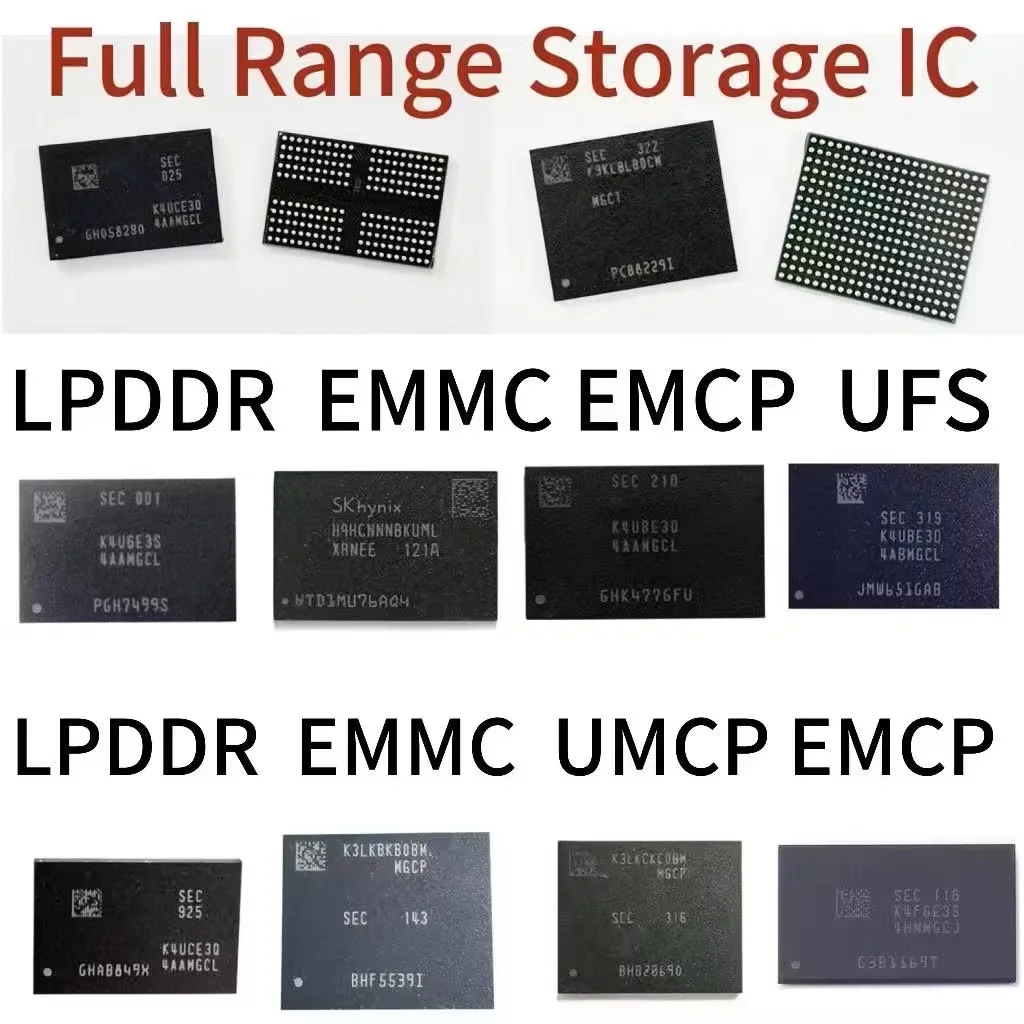
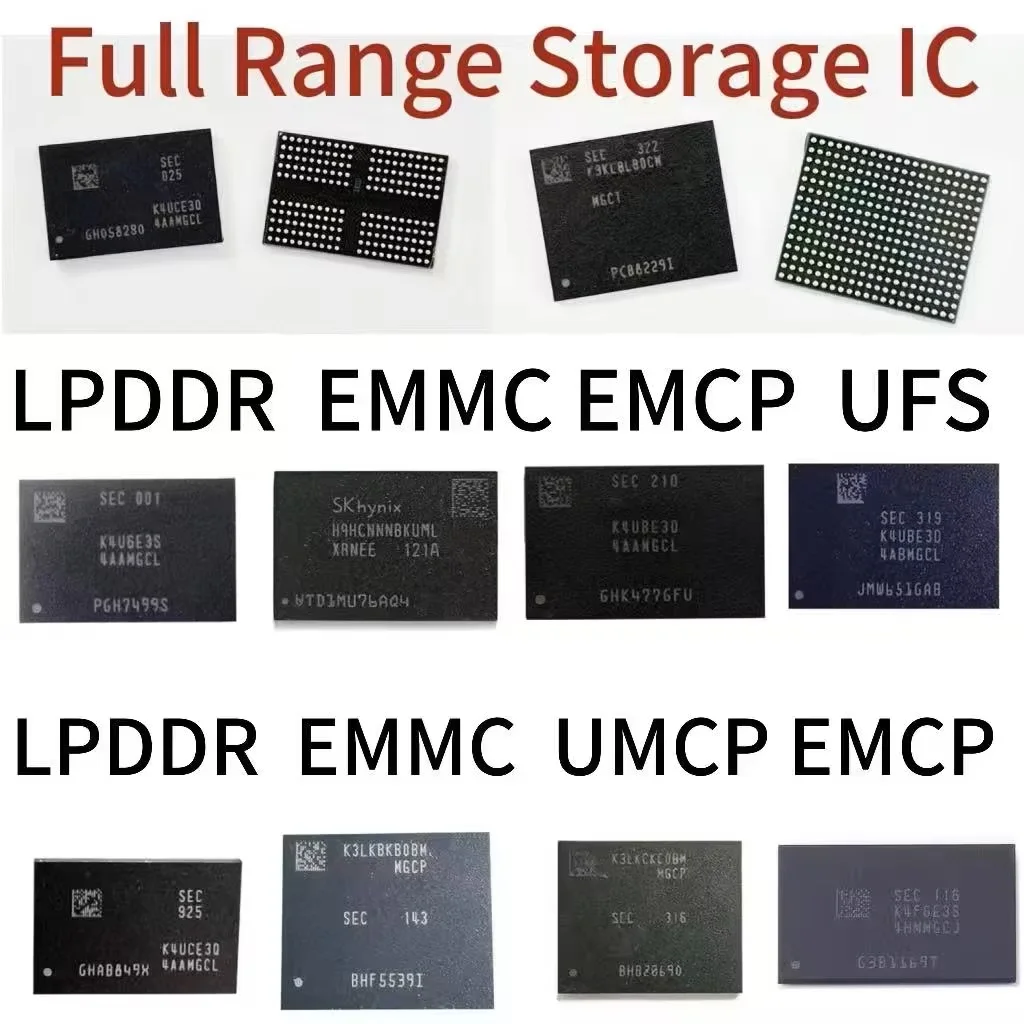
- 📱 Mobile & Edge Devices: LPDDR4X and LPDDR5X chips integrate directly into SoCs for smartphones, tablets, and automotive infotainment — prioritizing ultra-low power and high bandwidth-per-watt.
If you’re a typical user, you don’t need to overthink this: unless you’re designing a server motherboard or sourcing for mass production, your decision hinges on compatibility first — not theoretical bandwidth gains.
Why DRAM Procurement Is Gaining Urgency in 2026
Lately, DRAM hasn’t just gotten more expensive — it’s become structurally scarce. The market is undergoing what industry analysts call a “supercycle,” driven not by demand alone, but by a hard physical bottleneck: capacity reallocation toward High Bandwidth Memory (HBM) for AI accelerators 2. Foundries like Samsung, SK Hynix, and Micron are dedicating EUV lithography tools and cleanroom space to HBM3e and HBM4 — reducing available output for standard DRAM by an estimated 25–30% in 2026 3. That’s why conventional DRAM contract prices jumped 93–98% in Q1 2026 alone 1. It’s not inflation — it’s silicon rationing.
Approaches and Differences: Four Procurement Strategies Compared
When facing extreme volatility, buyers fall into four broad categories — each with distinct trade-offs:
| Strategy | Key Advantage | Potential Problem | Best For |
|---|---|---|---|
| Long-Term Agreements (LTAs) | Price lock + guaranteed allocation; mitigates spot-market volatility | Less flexibility if design changes; requires strong forecasting | OEMs, server integrators, large-volume buyers |
| Safety Stock Buffering | Immediate availability; avoids lead-time delays | Ties up working capital; risk of obsolescence if standards shift | Mid-tier manufacturers with stable BOMs |
| Spot Market Purchasing | No commitment; useful for small batches or prototyping | Prices fluctuate daily; 300%+ quotes common for high-density modules 1 | R&D labs, low-volume custom builds |
| Technology Migration (e.g., DDR5 adoption) | Future-proofing; access to newer, more supported supply channels | Requires platform redesign; validation overhead | New product development cycles starting in 2026–2027 |
Key Features and Specifications to Evaluate
Not all DRAM specs matter equally — especially under supply pressure. Prioritize these five criteria, ranked by real-world impact:
- ✅ Compatibility & Form Factor: Match socket type (UDIMM/RDIMM/LPDDR), voltage (1.1V for DDR5), and pin count. When it’s worth caring about: Every new motherboard revision — especially server platforms — drops legacy support. When you don’t need to overthink it: If your system uses DDR4, upgrading to DDR5 requires full platform replacement — not just swapping sticks.
- ✅ Density & Rank Configuration: Higher density (e.g., 64GB RDIMMs) reduces slot count and improves thermal headroom. Dual-rank vs. quad-rank affects signal integrity and maximum supported capacity per channel. When it’s worth caring about: In dense 2U servers running >100 VMs. When you don’t need to overthink it: For desktop workstations with ≤4 slots and ≤128GB total RAM.
- ✅ JEDEC Compliance & Timing: CL (CAS Latency), tRCD, tRP — these affect real-world responsiveness. But in 2026, validated JEDEC profiles (e.g., DDR5-4800) are safer than XMP/EXPO overclocked kits, which face longer qualification cycles.
- ✅ Power Management IC (PMIC): Required on all DDR5 modules. Enables finer voltage control and improves stability at high speeds. Not optional — it’s built-in.
- ✅ Temperature Rating & Reliability Data: Industrial-grade (-40°C to +95°C) or extended-temp modules cost ~15–25% more but reduce field failure rates in edge deployments. When it’s worth caring about: Automotive telematics, outdoor kiosks, or uncooled edge servers. When you don’t need to overthink it: Standard office desktops or climate-controlled data centers.
Pros and Cons: Who Should (and Shouldn’t) Act Now?
✅ Suitable for: Hardware procurement managers, system integrators, embedded design leads, and enterprise IT planners building or refreshing infrastructure in 2026–2027. If your next major hardware release ships after Q3 2026, delaying DRAM sourcing risks missing launch windows — or paying premium spot-market rates.
❌ Not suitable for: Hobbyists upgrading personal PCs, students building first projects, or teams evaluating memory for non-production prototypes. For those users, off-the-shelf DDR5 kits remain widely available — and the performance delta between DDR4 and DDR5 in everyday tasks is marginal. If you’re a typical user, you don’t need to overthink this.
How to Choose DRAM in 2026: A Step-by-Step Decision Framework
Follow this 6-step checklist — designed specifically for 2026’s constraints:
- Confirm platform lifecycle: Is your motherboard or SoC still in active production? If DDR4-based and nearing EOL, prioritize migration to DDR5 — even if it means a minor redesign. Fabricators are actively shutting down DDR4 lines 1.
- Calculate minimum buffer stock: Aim for 90–180 days of usage based on current bill-of-materials (BOM) volume. Don’t assume “just-in-time” will return before 2027.
- Engage suppliers early — with LTAs: Target agreements covering Q3 2026 through Q2 2027. Shorter contracts (e.g., 6 months) offer little protection against second-half price hikes.
- Validate LPDDR5X lead times separately: Mobile modules face longest delays (up to 58 weeks) 1. If your device ships before late 2027, secure samples *now*.
- Avoid mixing generations: Don’t mix DDR4 and DDR5 on same platform — physically impossible. And don’t assume DDR5-5600 is “better” than DDR5-4800 if your CPU only supports JEDEC 4800. Speed beyond spec delivers zero benefit.
- Document all waivers: If forced to accept non-JEDEC parts (e.g., for legacy DDR4), require full validation reports from the supplier — including thermal testing and 1,000-hour burn-in logs.
Insights & Cost Analysis: Realistic Budgeting in 2026
Forget list prices. What matters is landed cost — factoring in lead time, contract terms, and risk premium. Based on verified 2026 contract data:
- DDR5-4800 RDIMM (32GB, ECC): $135–$165/unit (Q2 2026), up from $70–$85 in Q2 2025 — a 93–100% YoY increase 1.
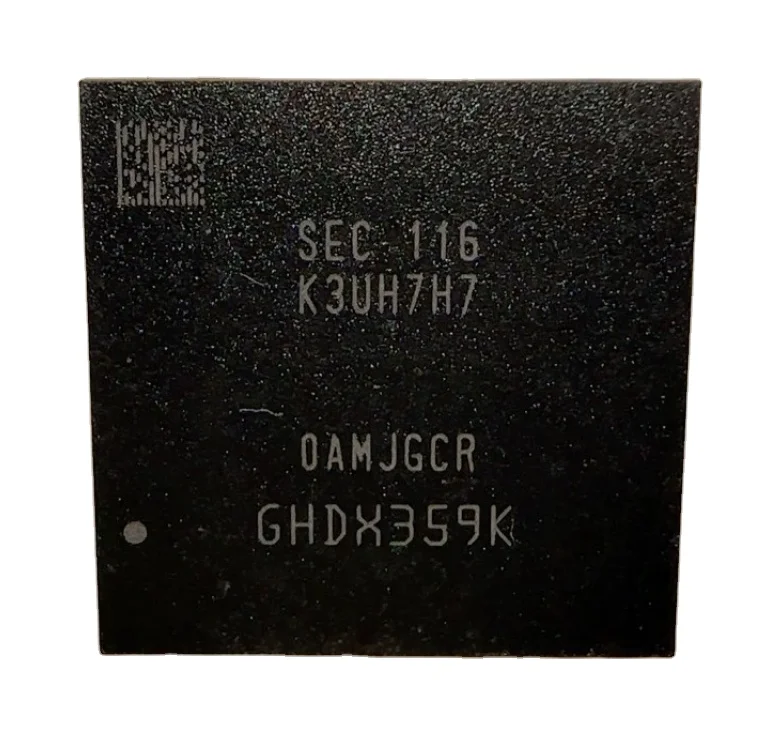
- LPDDR5X-8533 (16GB, mobile package): $28–$34/unit, with quoted lead times extending to 58 weeks 1.
- HBM3e (16GB stack): Not comparable on $/GB — priced per system integration (e.g., $2,000–$3,500 added to GPU module). Not a drop-in replacement.
Bottom line: budgeting for DRAM in 2026 requires adding a 20–30% contingency for price escalation — and allocating additional working capital for inventory. If you’re a typical user, you don’t need to overthink this: treat DRAM like insurance, not a commodity.
Better Solutions & Competitor Analysis
While no vendor escapes the macro constraints, differentiation exists in support depth and supply transparency:
| Supplier Type | Advantage in 2026 | Potential Limitation |
|---|---|---|
| Top-Tier IDMs (Samsung, SK Hynix, Micron) | Direct fab access; strongest HBM/DDR5 roadmap alignment | Minimum order quantities (MOQs) often prohibitively high for mid-size buyers |
| Specialized Memory Distributors (e.g., Utmel, VersaLogic partners) | Flexible MOQs; technical support for validation; consolidated logistics | May rely on secondary allocations — less visibility into fab-level capacity |
| Verified Component Platforms (e.g., Alibaba Verified Suppliers) | Real-time stock visibility; third-party quality verification; multi-source options | Less engineering collaboration; limited custom configuration support |
Customer Feedback Synthesis
Based on aggregated procurement feedback from enterprise buyers (Q1–Q2 2026):
- ✅ Top 3 Reported Wins: Buyers who locked in LTAs before March 2026 avoided >200% price hikes; teams using DDR5 from day one reported fewer qualification delays; distributors offering weekly stock updates reduced internal planning cycles by 40%.
- ⚠️ Top 3 Pain Points: Unverified suppliers quoting DDR5 kits with fake PMICs (causing system instability); LPDDR5X sample requests taking >12 weeks to fulfill; mismatched timing specs causing boot failures in dual-CPU servers.
Maintenance, Safety & Legal Considerations
DRAM itself poses no electrical or chemical hazard during normal operation. However, procurement carries operational and contractual implications:
- Warranty & Obsolescence: Most DRAM carries 3–5 year limited warranties. Verify whether your supplier honors warranty claims for components sourced via spot market — many do not.
- Export Controls: High-bandwidth variants (e.g., LPDDR5X >6400 MT/s, certain HBM configurations) may fall under EAR99 or Wassenaar Arrangement controls. Confirm classification with your supplier before international shipment.
- Environmental Compliance: All major DRAM vendors comply with RoHS 3 and REACH. No special handling required beyond standard ESD-safe practices during installation.
Conclusion: Conditional Recommendations for 2026
If you need supply certainty and cost predictability, choose 12-month LTAs on JEDEC-compliant DDR5 RDIMMs — and hold 120 days of safety stock. If you’re developing mobile or edge devices shipping in 2027, secure LPDDR5X samples *now*, validate thermal behavior early, and build in ≥15% BOM contingency. If your project relies on legacy DDR4, expect shrinking supply, rising prices, and increasing validation risk — migration to DDR5 is no longer optional, it’s inevitable. If you’re a typical user, you don’t need to overthink this: your priority isn’t finding the fastest chip — it’s avoiding the shortage.


