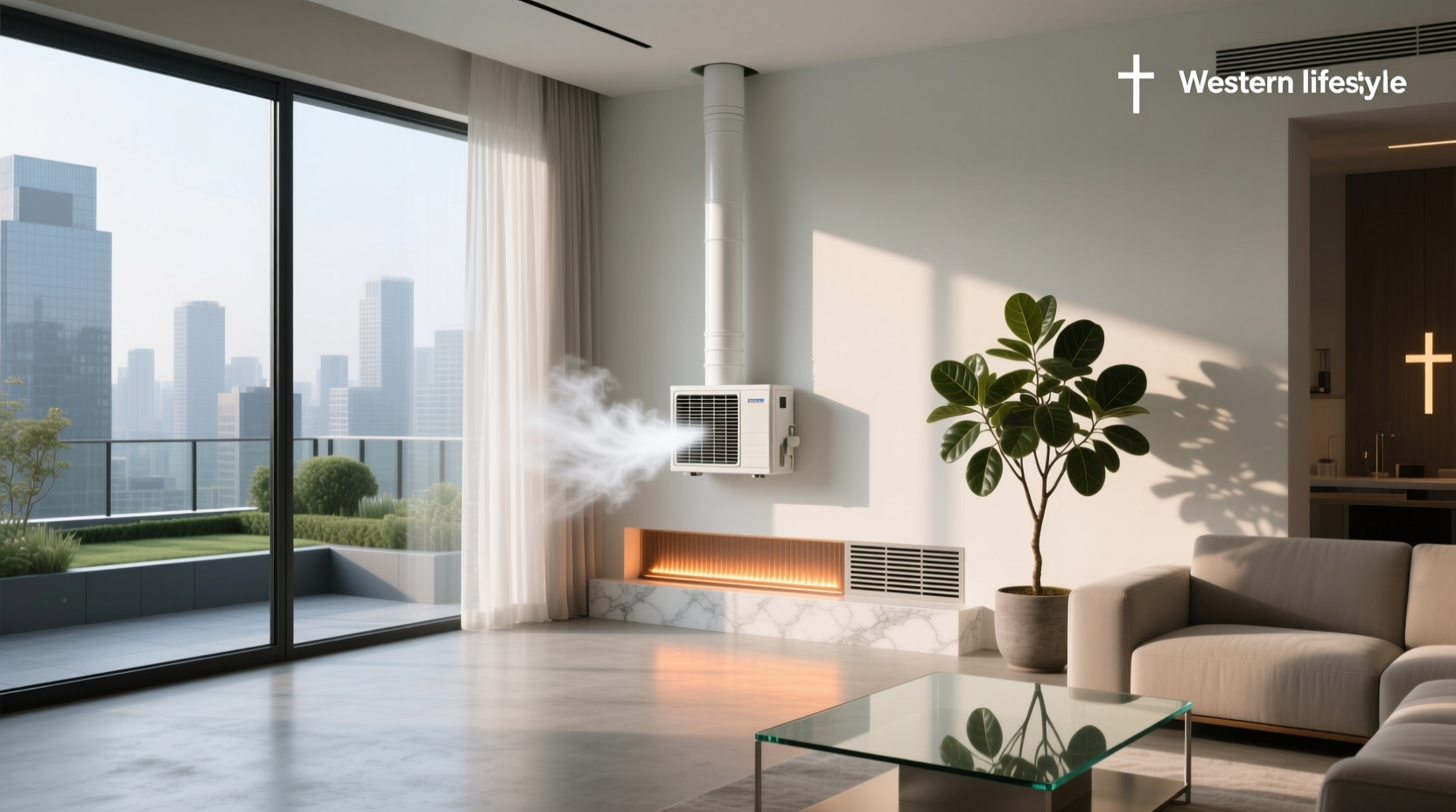
If you’re replacing your home’s heating and cooling system in 2026, choose a ⚙️ cold-climate heat pump using R-32 refrigerant and rated at least 17 SEER2. That single decision covers compliance (R-410A is phased out), efficiency (SEER2 reflects real-world duct losses), and long-term value (federal tax credits up to $2,000 require 17+ SEER2). Over the past year, regulatory enforcement has tightened — new installations must meet updated EPA and DOE standards, and servicing legacy R-410A units is becoming costlier and harder. This isn’t about chasing novelty; it’s about avoiding obsolescence, reducing energy bills, and ensuring technician availability. If you’re a typical user, you don’t need to overthink this.
This piece isn’t for keyword collectors. It’s for people who will actually use the product.
About HVAC Systems in 2026
“HVAC” — heating, ventilation, and air conditioning — refers to integrated mechanical systems that regulate indoor temperature, humidity, and air quality. In 2026, these are no longer just appliances; they’re networked, regulated, and purpose-built for electrification. A typical residential HVAC setup includes an outdoor condensing unit (heat pump or AC), indoor air handler or furnace, ductwork, thermostat, and optional IAQ components like MERV 13 filters or dehumidifiers. Unlike older split systems designed primarily for summer cooling, today’s standard configurations prioritize year-round performance — especially heating via electric heat pumps, even in sub-zero climates. What used to be a seasonal upgrade is now a whole-home energy infrastructure decision.
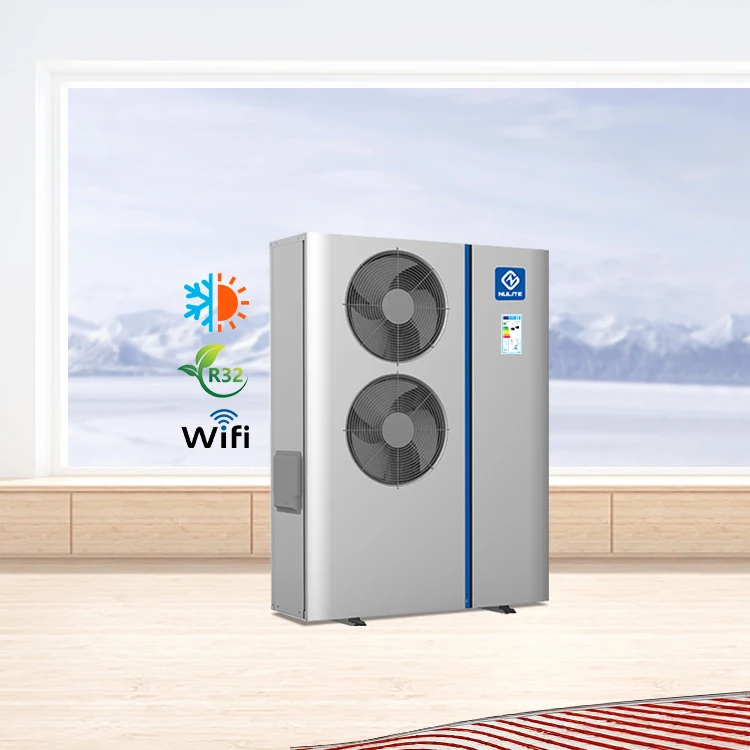
Why HVAC Systems Are Gaining Popularity in 2026
It’s not that homeowners suddenly love HVAC more — it’s that external pressures have made upgrading unavoidable and advantageous. Three forces converged in 2026: 🌐 federal refrigerant phaseouts, ⚡ rising electricity affordability vs. volatile gas prices, and 🧠 AI-driven diagnostics that cut maintenance surprises. Homeowners aren’t asking “Should I get a heat pump?” — they’re asking “Which heat pump meets 2026 rules *and* works in my climate?” The shift isn’t ideological; it’s operational. Cold-climate heat pumps now deliver 76% of rated heating capacity at 0°F 1, making them viable across most of the U.S., including Minnesota and Maine. And because SEER2 testing accounts for duct leakage (unlike legacy SEER), real-world efficiency gains are now measurable — not theoretical.
Approaches and Differences
Three main system types dominate 2026 residential decisions:
- Full-electric heat pumps (R-32 or R-454B): Single-unit solution for both heating and cooling. Highest efficiency in moderate-to-cold climates. Requires compatible electrical service (often 200A+).
- Hybrid (dual-fuel) systems: Heat pump + high-efficiency gas furnace. The heat pump handles ~80–90% of annual load; gas kicks in only below ~25°F. Ideal for regions with deep winter dips but unreliable grid access.
- Legacy replacements (R-410A AC + furnace): Technically possible only if repairing — not installing — pre-2026 equipment. Not compliant for new builds or full replacements. Servicing costs rising sharply due to refrigerant scarcity 2.
When it’s worth caring about: You live where winter lows regularly hit −10°F or colder — hybrid adds reliability without sacrificing efficiency on milder days. When you don’t need to overthink it: Your coldest recorded temperature is above 10°F — a certified cold-climate heat pump alone is simpler, cheaper to install, and qualifies fully for tax credits.
Key Features and Specifications to Evaluate
Don’t default to “highest SEER.” Prioritize features that align with your home’s physics and utility reality:
- Refrigerant type: R-32 (70% lower GWP than R-410A) is now dominant. R-454B is less common but approved. Both are A2L — mildly flammable — so units must include leak sensors and sealed components 3. When it’s worth caring about: You’re in a tightly insulated, well-sealed home — A2L safety protocols matter more during installation. When you don’t need to overthink it: Your contractor holds EPA Section 608 Type II certification for A2L handling — that’s the baseline requirement, not a differentiator.
- SEER2 rating: Minimum regional standards range from 13.4 to 14.3 for cooling-only units, but heat pumps must hit 17+ SEER2 to qualify for federal tax credits. SEER2 tests include duct losses — so a 17 SEER2 unit delivers closer to its rated efficiency than a 20 SEER unit did under old testing.
- HSPF2 rating: The heating-side equivalent of SEER2. Look for ≥10.0 HSPF2 for cold-climate models. Higher = better low-temp output.
- Smart connectivity: WiFi + cloud diagnostics isn’t optional anymore. Predictive alerts for compressor strain or coil icing reduce emergency calls by up to 40% 4. When it’s worth caring about: You travel frequently or manage rental properties — remote monitoring pays for itself in avoided callbacks. When you don’t need to overthink it: You’ll use the thermostat app weekly — basic WiFi is enough. You don’t need AI-powered voice control.
Pros and Cons
Full-electric heat pumps (R-32)
- ✅ Pros: Lower lifetime operating cost (especially with time-of-use electricity rates), zero on-site emissions, qualifies for full $2,000 federal credit, quieter operation, fewer moving parts.
- ⚠️ Cons: Requires panel upgrade in ~30% of older homes, slightly slower heat delivery than gas (though modern inverters minimize lag), dependent on grid resilience.
Hybrid systems
- ✅ Pros: Best of both worlds — electric efficiency most of the year, gas backup for extreme cold, easier electrical retrofit, smoother transition for gas-dependent households.
- ⚠️ Cons: Higher upfront cost ($2,500–$4,000 more than heat pump alone), dual-maintenance complexity, lower overall carbon reduction vs. full electric.
If you need maximum simplicity and lowest long-term cost, choose a cold-climate heat pump. If you need guaranteed heat during multi-day blackouts or sub-zero wind chills, hybrid adds tangible resilience.
How to Choose the Right HVAC System in 2026
Follow this 5-step checklist — skip steps, and you risk oversizing, underspecifying, or noncompliance:
- Run a Manual J load calculation — not a square-footage guess. Oversized units short-cycle, waste energy, and fail to dehumidify. Properly sized systems run longer, more efficiently, and last longer.
- Verify refrigerant and certification — Confirm the unit uses R-32 or R-454B and that your contractor holds A2L-specific EPA 608 certification. Don’t accept “they’ll handle it” — ask for proof.
- Check local incentives first — Federal tax credits are automatic, but state programs (e.g., NY’s Clean Heat Rebate, CA’s TECH Clean California) offer instant discounts up to $10,000 — often with income-based tiers.
- Prioritize IAQ compatibility — Look for factory-ready MERV 13 filter slots and optional UV-C or bipolar ionization. Wildfire season and allergy prevalence make this non-negotiable for many households.
- Avoid “retrofit-only” thermostats — Smart thermostats must support heat pump staging, defrost cycles, and auxiliary heat lockout. Generic WiFi models cause erratic behavior and premature wear.
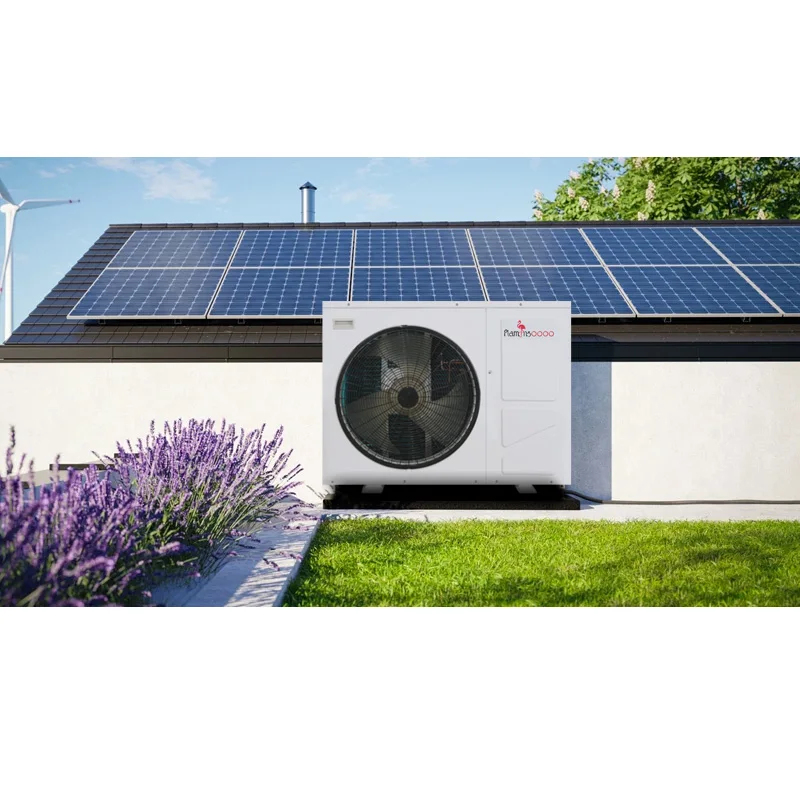
Insights & Cost Analysis
Upfront costs vary widely — but 2026’s regulatory floor has compressed the “budget” tier. Here’s a realistic baseline (U.S., midsize home, 3–5 ton system):
| System Type | Avg. Installed Cost | Federal Tax Credit | Typical Payback (Energy + Incentives) |
|---|---|---|---|
| Cold-climate heat pump (R-32, 17+ SEER2 / 10+ HSPF2) | $12,500–$16,500 | $2,000 | 7–10 years |
| Hybrid system (heat pump + 96% AFUE gas furnace) | $15,000–$19,500 | $2,000 | 9–12 years |
| R-410A replacement (non-compliant, repair-only) | $8,000–$11,000 | $0 | N/A (rising service costs, no future-proofing) |
Note: Costs assume standard ductwork condition and 200A electrical service. Panel upgrades add $1,200–$2,800. If you’re a typical user, you don’t need to overthink this — focus on total installed cost *after* rebates, not sticker price.
Better Solutions & Competitor Analysis
Not all R-32 heat pumps perform equally in cold weather. Leading 2026 models differentiate on compressor technology, defrost logic, and noise control — not just SEER2 numbers. Below is a functional comparison of what matters most:
| Feature | Cold-Climate Optimized | Standard R-32 Heat Pump | Potential Issue |
|---|---|---|---|
| Heating Capacity @ 5°F | ≥ 70% of rated output | 50–60% (may trigger backup heat early) | Higher electric bills during shoulder-season cold snaps |
| Defrost Cycle Frequency | Intelligent, demand-based (reduces ice buildup) | Fixed-interval (wastes heat, cools space) | Noticeable room temperature drops every 30–60 min |
| Noise Level (Outdoor Unit) | ≤ 58 dB(A) at 10 ft | 62–66 dB(A) | Disruptive near bedrooms or patios |
Customer Feedback Synthesis
Based on aggregated reviews (2024–2026) across retailer and contractor platforms:
- Top 3 praises: “No more gas bill spikes,” “Quietest system we’ve owned,” “App alerts caught a failing fan motor before breakdown.”
- Top 2 complaints: “Installer didn’t explain defrost cycles — thought it was broken,” “Thermostat took 3 weeks to pair reliably.” Both trace to training gaps, not product flaws.
Maintenance, Safety & Legal Considerations
All new residential HVAC installations must comply with 2026 EPA SNAP Rule amendments and DOE’s updated SEER2 test procedures. Key implications:
- A2L refrigerants require technicians to use recovery equipment rated for mild flammability — standard R-410A tools won’t suffice.
- Manufacturers must label units with A2L hazard warnings and provide leak-detection documentation.
- Home inspectors increasingly flag noncompliant systems during resale — delaying closings or triggering remediation.
Annual maintenance remains essential: coil cleaning, refrigerant charge verification, and firmware updates. Skipping it voids extended warranties and increases failure risk by 3x 5. But unlike legacy systems, 2026 units self-diagnose — so maintenance is more targeted and less trial-and-error.
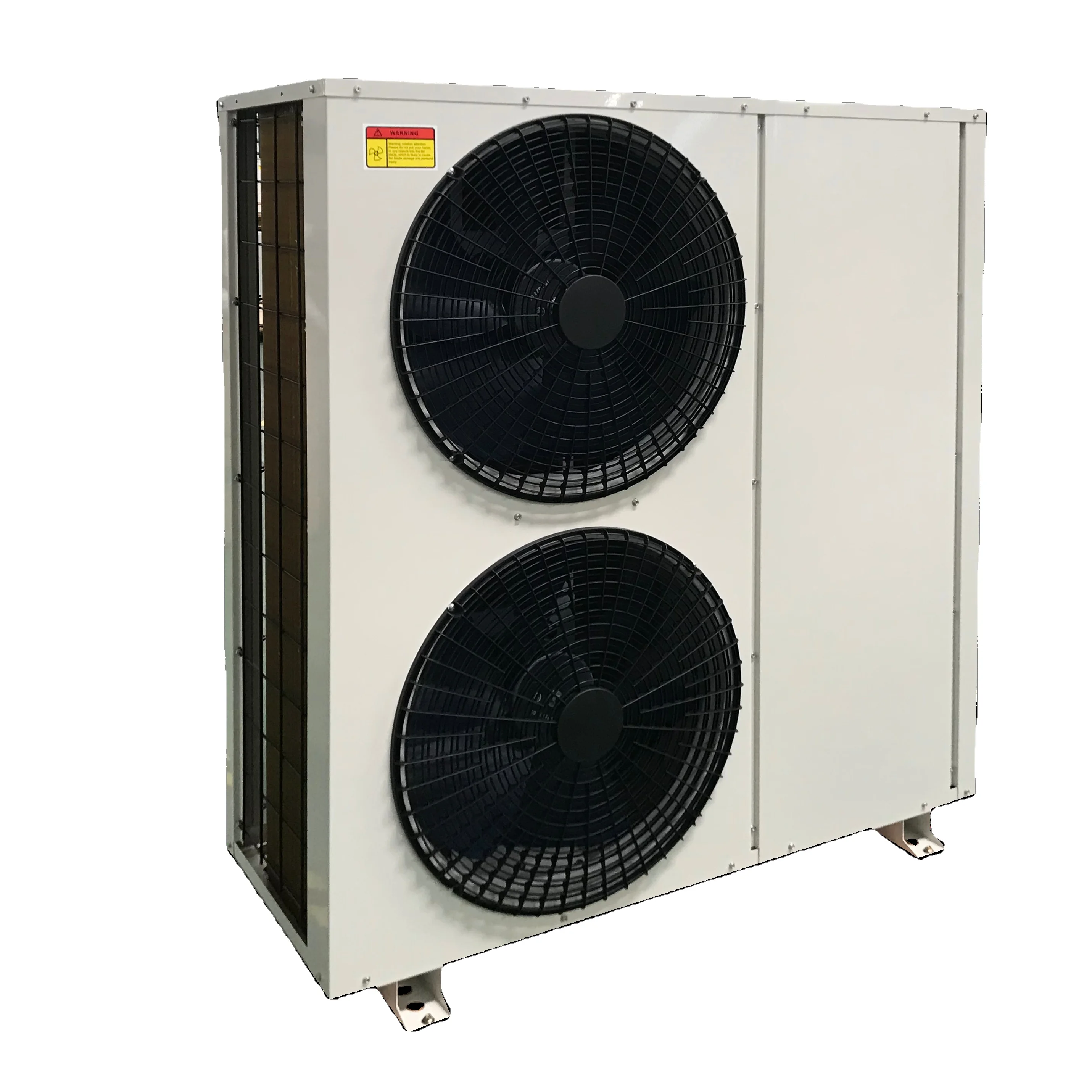
Conclusion
If you need a single, future-proof system with maximum energy savings and incentive eligibility, choose a cold-climate heat pump using R-32 refrigerant and rated ≥17 SEER2 / ≥10 HSPF2. If you need redundancy during prolonged grid outages or face winter lows below −15°F with no battery backup, add a high-efficiency gas furnace as a hybrid backup. If you’re replacing only one component (e.g., just the outdoor unit), confirm compatibility with existing indoor equipment — mismatched coils or controls cause inefficiency and premature failure. This isn’t about picking the “smartest” or “greenest” option — it’s about picking the one that won’t require rework in 2028.
Frequently Asked Questions
Do I need to replace my furnace if I install a heat pump?
Not necessarily. If your furnace is less than 10 years old and in good condition, it can serve as the air handler for a heat pump (with proper refrigerant line and control wiring). But if it’s older or inefficient, pairing it with a new heat pump wastes potential savings — and may violate warranty terms.
Can R-32 refrigerant be used in my old R-410A system?
No. R-32 operates at higher pressures and requires different lubricants, seals, and safety protocols. Retrofitting is unsafe and prohibited by EPA regulations. R-410A and R-32 systems are not cross-compatible.
Is SEER2 really different from SEER?
Yes — significantly. SEER2 includes duct losses and uses updated indoor/outdoor test conditions. A 16 SEER2 unit typically performs like a 19–20 SEER unit did under old testing. Always compare SEER2-to-SEER2, never mix standards.
Will my smart thermostat work with a 2026 heat pump?
Only if it explicitly supports heat pump staging, defrost cycle management, and auxiliary heat lockout. Generic WiFi thermostats lack these controls and can damage compressors or cause comfort issues. Check compatibility lists before purchasing.


