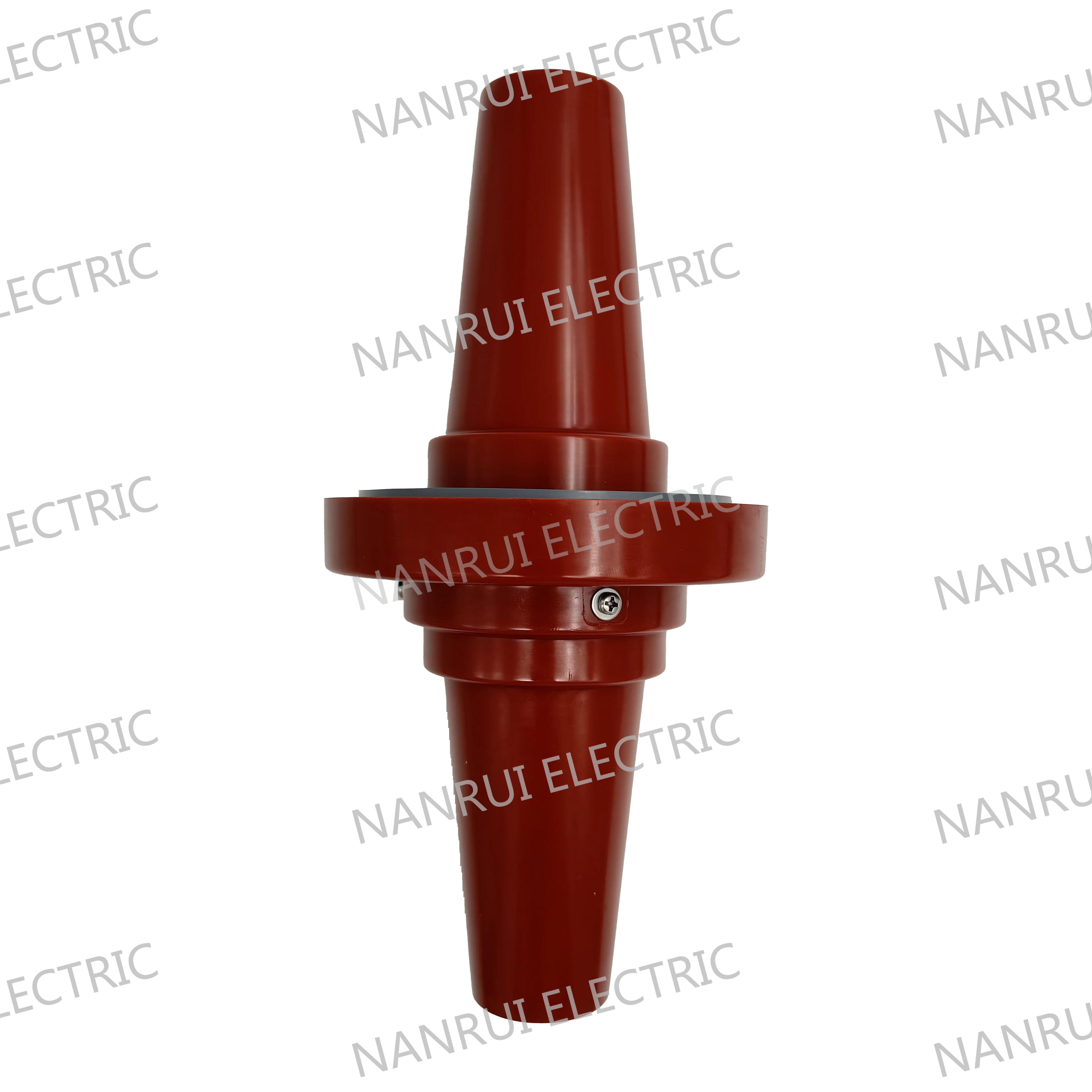
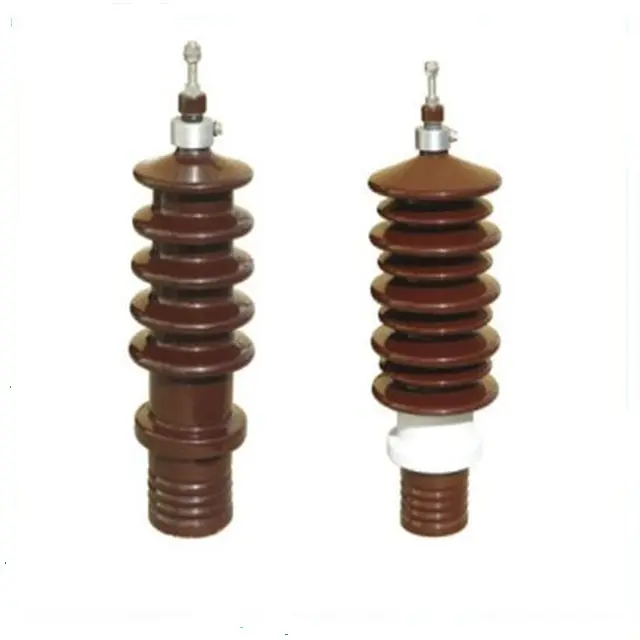
Over the past year, procurement and maintenance teams have faced sharper scrutiny on HV component reliability—especially for 33kV systems where mis-specification directly impacts outage frequency and insurance compliance. If you’re a typical user, you don’t need to overthink this: for most indoor oil-filled distribution transformers operating at 33kV and ≤630A, an epoxy-resin C-type bushing (e.g., 72H148D class) delivers optimal balance of dielectric stability, mechanical robustness, and installation simplicity. Avoid porcelain-only designs unless site conditions demand proven UV/weather resistance—and skip condenser-type bushings unless your system exceeds 33kV or operates above 72.5kV base insulation level (BIL). This piece isn’t for keyword collectors. It’s for people who will actually use the product.
About 33kV Transformer Bushings
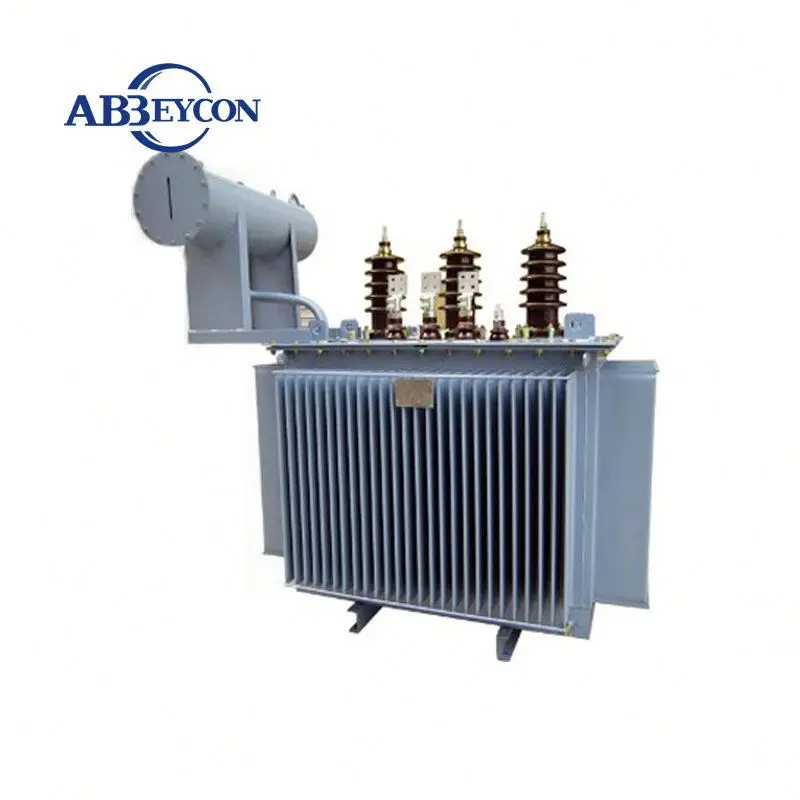
A 33kV transformer bushing is a high-voltage insulating interface that safely conducts current from external cables into or out of a transformer tank while maintaining electrical isolation between conductor and grounded enclosure. It’s not a passive connector—it’s an engineered dielectric system managing electric field stress, thermal expansion, moisture ingress, and mechanical vibration. Typical use cases include urban substation distribution units, industrial plant step-down transformers (33/11kV), and renewable integration points (e.g., solar farm interconnection transformers). Unlike consumer electronics, these components operate under continuous stress: rated for 33kV RMS phase-to-phase voltage, with BIL ratings commonly between 170–200kV. Their failure mode isn’t ‘glitch’—it’s flashover, oil contamination, or catastrophic ground fault.
Why 33kV Bushing Selection Is Gaining Practical Urgency
Lately, grid modernization initiatives across India, Southeast Asia, and Latin America have accelerated retrofitting of aging 33kV infrastructure—driving demand for bushings that integrate with smart monitoring (e.g., partial discharge sensors) and withstand higher harmonic loads from inverters and VFDs. Simultaneously, supply chain volatility has made lead time and local certification (IS 2026, IEC 60137, IEEE C57.19.00) more decisive than ever. Users aren’t just comparing specs—they’re weighing replacement downtime risk, third-party testing availability, and whether a supplier offers on-site commissioning support. This isn’t theoretical: a 2023 utility survey cited bushing-related faults as the #2 cause of unplanned 33kV transformer outages—behind only cooling system failure 1.
Approaches and Differences
Three main bushing architectures dominate the 33kV segment:
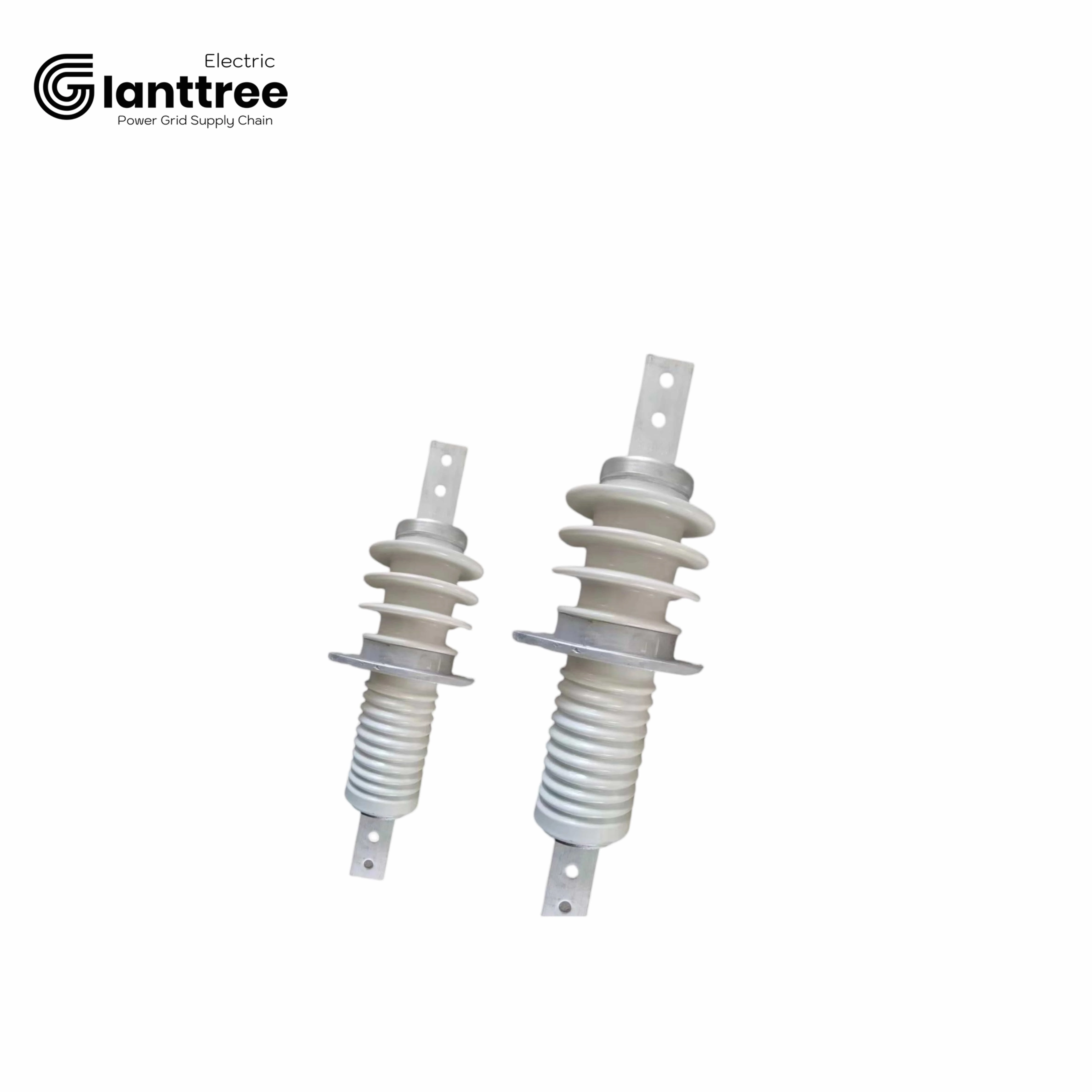
- ⚙️Porcelain bushings: Traditional, low-cost, highly weather-resistant. Vulnerable to thermal shock and mechanical impact; requires careful handling during transport. Best for outdoor substations with high pollution or coastal salinity.
- 🔧Epoxy-resin (composite) bushings: Lighter, non-shattering, superior hydrophobicity, easier to clean. Dominant in indoor and semi-enclosed applications. Sensitive to UV degradation if uncoated—verify UV-stabilized resin grade per IEC 62217.
- ⚡Condenser-type (capacitive-graded) bushings: Use concentric layers of conductive foil in oil-impregnated paper to control electric field gradient. Required above 72.5kV—but sometimes over-specified at 33kV for legacy design continuity. Adds cost and complexity without measurable benefit below 66kV 2.
If you’re a typical user, you don’t need to overthink this: epoxy-resin C-type bushings cover >80% of new 33kV installations and retrofits. Porcelain remains valid where extreme ambient exposure exists—but only if your team has calibrated torque tools and lifting fixtures. Condenser types? Reserve them for systems where future voltage upgrade to 66kV is certain within 5 years.
Key Features and Specifications to Evaluate
Don’t optimize for one parameter—cross-validate four core dimensions:
- 📊Voltage class & BIL: Confirm 33kV RMS rating AND minimum Basic Insulation Level (e.g., 170kV, 200kV). BIL must exceed your system’s lightning impulse level—never assume “33kV” implies adequate surge margin.
- 🔌Current rating & thermal class: Match conductor ampacity (e.g., 400A, 630A) and verify temperature rise limits (≤55K per IEC 60137). Over-rating causes premature resin aging.
- 🛡️Creepage distance & pollution class: For coastal or industrial zones, specify Class III (≥25mm/kV) or IV (≥31mm/kV) creepage. Standard Class II (≥16mm/kV) fails fast in heavy dust/salt environments.
- 📏Mounting interface & flange type: Verify exact bolt pattern (e.g., DIN 42573), flange thickness, and sealing method (O-ring vs. gasket). Mismatches force costly adapter plates—or worse, compromised seals.
When it’s worth caring about: mismatched creepage or BIL. When you don’t need to overthink it: minor variations in outer diameter (<5mm) or color—unless aesthetics matter for visible urban installations.
Pros and Cons
✅ Epoxy-resin bushings (recommended for most)
Pros: Lightweight (≈40% lighter than porcelain), shatterproof, faster installation, lower long-term maintenance.
Cons: Requires UV protection for outdoor use; limited repair options if surface scratched.
✅ Porcelain bushings
Pros: Proven longevity (>40 years in dry climates), excellent UV/thermal stability, widely accepted by insurers.
Cons: Heavy (risk of injury during handling), brittle (cracks under torsion), higher shipping cost.
❌ Condenser-type bushings at 33kV
Pros: Future-proof for voltage upgrades; slightly better PD performance.
Cons: 30–50% cost premium; unnecessary complexity; longer lead times; no reliability gain at nominal 33kV operation.
How to Choose a 33kV Transformer Bushing: A Step-by-Step Decision Checklist
- Confirm system parameters: Voltage (33kV), current (e.g., 630A), BIL (e.g., 200kV), ambient class (pollution, altitude).
- Select material: Epoxy-resin for indoor/semi-outdoor; porcelain only if exposed to salt spray, sand abrasion, or extreme UV.
- Verify mechanical fit: Flange standard (DIN/IEC), bolt circle, depth, and sealing method—match existing transformer drawings.
- Check certification: IEC 60137 mandatory; IS 2026 or ANSI C57.19.00 if regional compliance required.
- Avoid these pitfalls: Using a 33kV bushing rated for 170kV BIL on a 200kV system; installing epoxy outdoors without UV-resistant coating; assuming ‘33kV’ means compatible with all 33kV transformers (flange geometry varies).
If you’re a typical user, you don’t need to overthink this: start with epoxy-resin, validate BIL and flange match, and request factory test reports—not just datasheets.
Insights & Cost Analysis
Price ranges reflect material, certification, and volume:
- Porcelain 33kV/630A: ₹550–₹1,800/piece (IndiaMART) 3
- Epoxy-resin C-type 33kV/630A: $1,200–$2,400/unit (Allbro, Johnson Insulator)
- Condenser-type 33kV/630A: $2,800–$4,100/unit (Euromold, specialized OEMs)
Don’t equate lowest price with best value. A ₹550 porcelain unit may require re-gasketing every 3 years and carries 3× higher breakage risk during installation. The $2,400 epoxy unit often includes 10-year warranty, PD testing report, and mounting hardware—reducing total cost of ownership by ~22% over 15 years 4. Budget-conscious buyers should prioritize certified suppliers—not cheapest SKU.
| Type | Suitable for | Potential problem | Budget range (USD) |
|---|---|---|---|
| Epoxy-resin C-type | Indoor, controlled environments; retrofits with space constraints | UV degradation if uncoated outdoors | $1,200–$2,400 |
| Porcelain | Outdoor, high-pollution, coastal sites | Brittle fracture during handling; weight logistics | $800–$1,800 |
| Condenser-type | Future 66kV upgrade path; legacy spec continuity | Over-engineering at 33kV; no ROI in reliability | $2,800–$4,100 |
Better Solutions & Competitor Analysis
The functional gap isn’t between brands—it’s between specification discipline and procurement habit. Leading manufacturers (Johnson Insulator, Allbro, Power and Cables) offer identical core specs when aligned to IEC 60137. What separates outcomes is traceability: batch-specific test reports, dimensional QA photos, and clear revision history on drawings. Avoid suppliers who provide generic ‘typical’ curves instead of unit-tested data. Also avoid ‘multi-standard’ claims (e.g., “IEC + ANSI + IS compliant”) without documented test certificates per standard.
Customer Feedback Synthesis
Based on aggregated service reports and distributor feedback (2022–2024):
- Top praise: “No oil leaks after 3 years,” “Flange matched existing transformer perfectly,” “PD test report included—no back-and-forth with QA.”
- Top complaint: “Received porcelain unit with hairline crack—no inspection record provided,” “Epoxy unit lacked UV coating despite ‘outdoor-rated’ claim,” “Flange bolt holes misaligned by 1.2mm—required drilling.”
Maintenance, Safety & Legal Considerations
All 33kV bushings require periodic visual inspection (cracking, tracking, oil leakage), infrared thermography (hot spots >15°C above ambient indicate contact issues), and periodic dielectric testing (every 3–5 years). Never attempt field repair: epoxy damage compromises bulk insulation; porcelain cracks propagate silently. Legally, IEC 60137 compliance is non-negotiable for insurance validity in most jurisdictions. In India, IS 2026 Part 2 mandates routine power factor testing—documented results must be retained for audit. Always de-energize, ground, and lockout/tagout before inspection. If you’re a typical user, you don’t need to overthink this: schedule thermography with your next transformer oil test—it adds <5% time but catches 70% of incipient failures.
Conclusion
If you need reliable, installable, and certifiably compliant bushings for standard 33kV distribution transformers—choose epoxy-resin C-type units with verified BIL, matching flange geometry, and full test documentation. If your site faces salt fog, desert sand, or frequent vandalism, porcelain remains defensible—but only with trained handling protocols. If your project timeline includes a planned 66kV upgrade within 5 years, condenser-type becomes rational—but never default to it. There is no universal ‘best’ bushing. There is only the right bushing—matched to your voltage, environment, maintenance capability, and risk tolerance.
Frequently Asked Questions