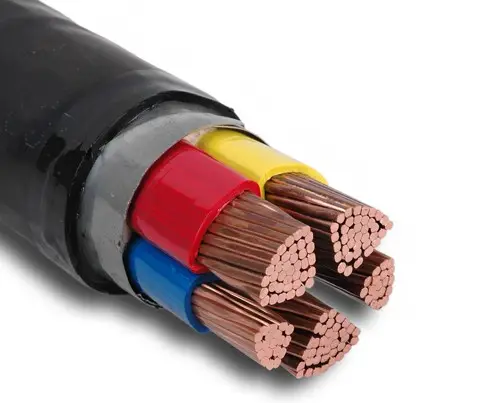
If you’re installing a high-capacity fixed power feed—like for solar inverters, industrial HVAC, or main distribution boards—then yes, a 4 core 70mm² cable is often the right choice. But which variant? Over the past year, demand for BS5467 XLPE SWA and ExtremeFlex90 variants has grown sharply—not because specs changed, but because more installers now face tighter conduit bends, longer outdoor runs, and stricter local compliance checks for mechanical protection and voltage drop. If you’re a typical user, you don’t need to overthink this: choose PVC-sheathed XLPE SWA for buried or exposed outdoor use, and EPR-flexible 4 core 70mm² only if routing through tight trays or vibrating machinery zones. Skip aluminum conductors unless budget forces it—and never substitute 70mm² for undersized alternatives just to save on gland hardware.
About 4 Core 70mm² Cable: Definition & Typical Use Cases
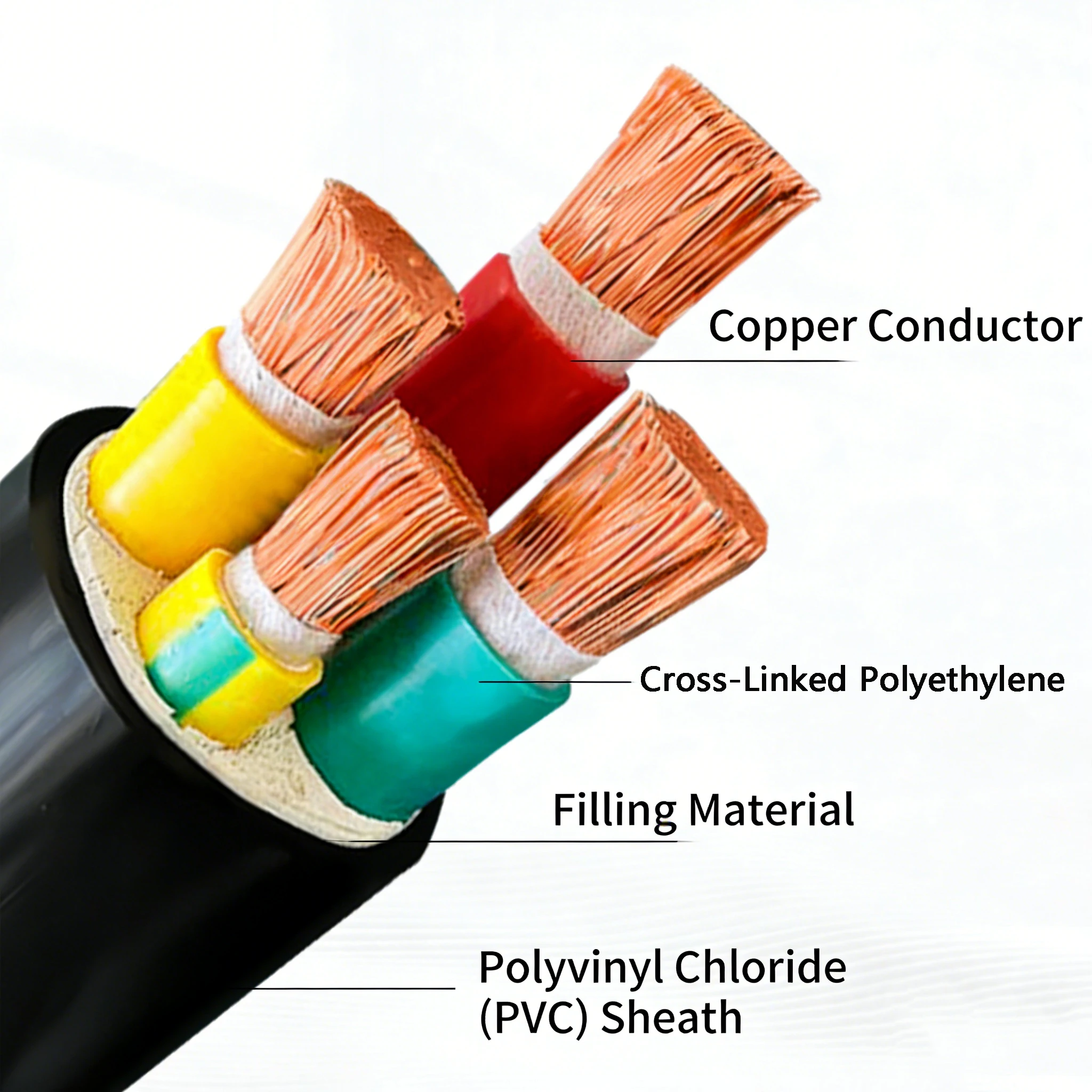
A 4 core 70mm² cable refers to a power cable with four insulated conductors, each with a cross-sectional area of 70 square millimeters. The “4 core” configuration typically includes three phase conductors (L1, L2, L3) and one protective earth (PE) or neutral conductor—though some variants include PE + N separately (making it 4C+1E or 5C). It’s not a consumer gadget—it’s infrastructure-grade wiring used where continuous current loads exceed ~160 A and safety margins require robust mechanical and thermal resilience.
Typical applications include:
- Solar farm interconnection: Feeding 100–150 kW inverters into grid-tie panels or metering cabinets 1;
- Industrial motor control centers: Supplying large pumps, compressors, or conveyor drives;
- Commercial building mains: Running from utility intake to main distribution boards (MDBs);
- Off-grid energy storage systems: Connecting battery banks to inverters in containerized microgrids.
This piece isn’t for keyword collectors. It’s for people who will actually use the product.
Why 4 Core 70mm² Cable Is Gaining Popularity
Lately, two converging trends have elevated the relevance of 4 core 70mm² cables beyond traditional industrial sites:
- Rise of distributed generation: Residential and commercial solar installations now routinely exceed 30 kW—pushing feeder currents above 125 A. At those levels, 50mm² becomes thermally marginal; 70mm² provides headroom for future expansion and derating under ambient heat 2.
- Tighter regulatory scrutiny: Authorities in UAE, South Africa, and Australia increasingly require steel wire armoured (SWA) construction for any external or underground run—even for private property—due to rodent resistance and crush protection.
It’s not about ‘more power’—it’s about reliable delivery under real-world stress: UV exposure, soil moisture, mechanical abrasion, and long-term ampacity stability.
Approaches and Differences: Common Variants & Trade-offs
Not all 4 core 70mm² cables are interchangeable. Key structural differences directly impact suitability:
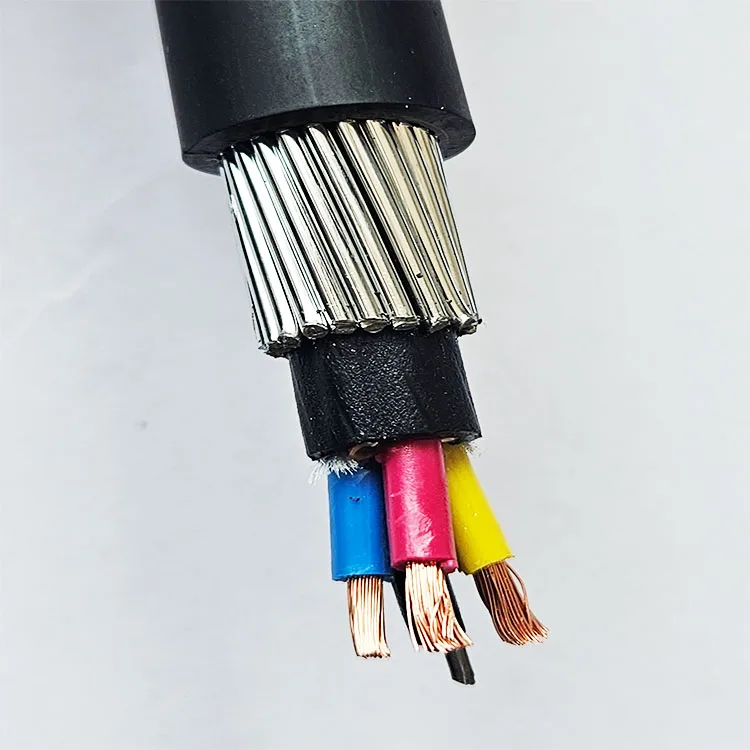
- PVC-insulated, PVC-sheathed, SWA (e.g., BS6744 / BS5467): Most common. Good moisture resistance, flame-retardant sheath, moderate flexibility. Ideal for direct burial or surface mounting.
- XLPE-insulated, PVC-sheathed, SWA (e.g., BS6346 / BS5467): Higher thermal rating (90°C vs. 70°C), lower dielectric loss, better voltage drop performance over 50+ m runs. Preferred for solar DC combiner feeds and critical AC mains.
- EPR-insulated, flexible 90°C (e.g., H07RN-F ExtremeFlex90): Designed for repeated bending, vibration, or tray-filling. Lower tensile strength than SWA—but far easier to terminate in confined spaces.
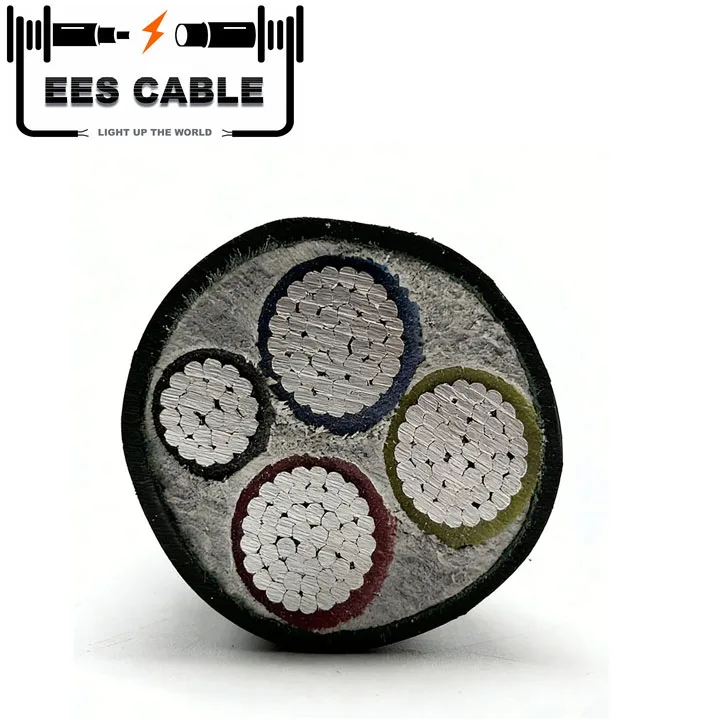
- Aluminum conductor (vs. copper): ~40% lighter and ~50% cheaper per meter—but requires larger lugs, higher torque specs, and careful oxidation prevention at terminations.
When it’s worth caring about: Conductor material (copper vs. Al), insulation type (PVC vs. XLPE), and armour presence—if your cable crosses driveways, gets buried, or routes near equipment with vibration.
When you don’t need to overthink it: Brand-specific colour coding or minor sheath texture differences—provided certification marks (BS, IEC, SANS) are present and legible. If you’re a typical user, you don’t need to overthink this.
Key Features and Specifications to Evaluate
Before ordering, verify these five non-negotiable specs—not marketing claims:
- Current rating (ampacity): 238 A for 4 core 70mm² SWA in free air (IEC 60502-1, 30°C ambient). Drops to ~185 A in buried ducts. Always apply 80% loading rule for continuous duty.
- Voltage rating: 600/1000 V is standard. Do not use 600V-only cable for 1000V solar DC strings.
- Diameter & weight: Expect Ø ≈ 38–44 mm (SWA) or Ø ≈ 32–36 mm (unarmoured flexible). Critical for conduit fill calculations—exceeding 40% fill causes overheating.
- Standards compliance: Look for BS5467 (UK), IEC 60502-2 (international), or SANS 1507 (South Africa). No mark = no verification.
- Gland compatibility: Standard SWA glands for 70mm² accept 36–42 mm cable OD. Mismatched glands cause earth continuity failure—a frequent field fault.
Pros and Cons: Balanced Assessment
Pros:
- Proven thermal stability up to 90°C (XLPE) or 70°C (PVC);
- Robust mechanical protection (SWA resists dig damage, rodent gnawing);
- Long service life (>25 years in stable environments);
- Widely supported by certified termination kits and accessories.
Cons:
- Stiffness limits routing in tight radius bends (<12× cable Ø);
- Heavy—70mm² SWA weighs ~3.2 kg/m; lifting >20 m requires two people;
- Higher upfront cost vs. smaller sections (but lower lifetime TCO due to fewer upgrades);
- Termination demands calibrated torque tools and trained personnel—no ‘hand-tight’ solutions.
Best suited for: Fixed, permanent installations with >100 A load, outdoor exposure, or regulatory mandate for armour.
Not suited for: Temporary site wiring, portable generator feeds, or indoor low-voltage data/AV runs—where flexibility, weight, or fire-spread rating matters more.
How to Choose 4 Core 70mm² Cable: A Step-by-Step Decision Checklist
Follow this sequence—skip steps only if you’ve verified them previously:
- Confirm load profile: Calculate max continuous current (not peak). If ≤160 A, consider 50mm² instead—saves cost and handling effort.
- Map the route: Buried? Exposed? In conduit? Vibrating zone? → Dictates SWA vs. flexible EPR vs. unarmoured.
- Check local rules: Does your authority require LSZH (low smoke zero halogen) sheathing indoors? Or specific armour grounding methods?
- Verify termination capability: Do you have access to hydraulic crimpers rated for 70mm², and correctly sized SWA glands? If not, factor in subcontractor costs.
- Avoid these pitfalls:
- Using 70mm² without recalculating voltage drop—especially on >30 m runs (aim for <3% drop at full load);
- Assuming ‘4 core’ means L1/L2/L3/N—confirm conductor function labeling before termination;
- Ordering cut-length without allowance for looping, gland entry, and spare for re-termination (add ≥15%).
Insights & Cost Analysis
Price varies significantly by region and spec—but consistent patterns emerge:
- Standard XLPE SWA (BS5467): $1.80–$3.20/m (Alibaba, bulk); R1,340/m (South Africa, ACDC Dynamics); A$96.99/m (Isupply Electrical, 100m roll).
- Flexible EPR (H07RN-F): £49.95/m (Superlec Direct)—~2.5× SWA price, justified only for dynamic routing.
- Aluminum-conductor SWA: ~35–40% cheaper than copper—but add ~20% to lug/gland/tooling costs.
Value tip: For runs >50 m, the extra $0.50/m for XLPE over PVC pays back in reduced voltage drop losses within 18 months—especially with time-of-use tariffs.
| Variant | Best-fit advantage | Potential problem | Budget impact |
|---|---|---|---|
| XLPE SWA (BS5467) | Optimal balance of ampacity, durability, and code acceptance | Stiff; needs ≥450 mm bend radius | Moderate (baseline) |
| PVC SWA (BS6744) | Lower cost; sufficient for stable indoor/industrial use | Lower thermal rating—derates faster in hot roofs or ducts | −15% vs. XLPE |
| Flexible EPR (H07RN-F) | Handles vibration, tight trays, repeated handling | No inherent crush protection—requires conduit outdoors | +120% vs. XLPE SWA |
| Aluminum SWA | Lighter weight; lower raw material cost | Oxidation risk at terminations; needs antioxidant paste & torque verification | −35% vs. copper, +20% tooling |
Customer Feedback Synthesis
Based on aggregated reviews (CEF, FEPY, Power and Cables), top recurring themes:
- ✅ Frequent praise: “No heating after 18 months at 210 A continuous,” “Glands sealed perfectly—zero moisture ingress in coastal site,” “Cut-to-length service saved 3 days on site.”
- ❌ Common complaints: “Received 65mm² labeled as 70mm²—had to test with calipers,” “SWA sheath cracked during winter installation below 5°C,” “No datasheet included—had to chase manufacturer for derating tables.”
Maintenance, Safety & Legal Considerations
Unlike consumer electronics, 4 core 70mm² cable has no ‘user maintenance’—but its integrity depends on correct initial installation:
- Earth continuity: SWA armour must be bonded at both ends using proper clamps—not just taped or wrapped. Failure risks shock hazard during fault conditions.
- Thermal imaging: Recommended after first 72 hours of full-load operation to spot hotspots at terminations.
- Legal compliance: In most jurisdictions, installation must follow national wiring rules (e.g., IET Wiring Regulations BS 7671 in UK, AS/NZS 3000 in AU). DIY installation of 70mm² feeders is rarely permitted without sign-off by licensed contractor.
Conclusion
A 4 core 70mm² cable is not an upgrade—it’s a category shift. It belongs where reliability, longevity, and regulatory compliance outweigh convenience and cost. So: If you need sustained >160 A delivery across exposed, buried, or mechanically stressed routes—choose XLPE-insulated, steel-wire-armoured, copper-conductor 70mm² to BS5467. If your load is intermittent, indoor-only, or under 140 A, step down to 50mm². If routing through vibrating plant or tight trays, consider H07RN-F—but never omit conduit outdoors. And if budget dominates, aluminum SWA works—only if you commit to proper termination protocols.