If you’re a typical user, you don’t need to overthink this. For most people listening through headphones or powered monitors at home, the DAC chip itself rarely determines sound quality — implementation does. Over the past year, DAC chip discussions have intensified not because chips changed dramatically, but because more users now pair high-res streaming (Tidal, Qobuz, Apple Lossless) with affordable desktop DACs — making chip-level tradeoffs visible where they weren’t before. The top three chip families worth knowing in 2026 are: ESS Sabre (ES9038PRO/Q2M), AKM’s AK4499EX + AK4191 combo, and Burr-Brown True Native chips. If your priority is technical precision and ultra-low distortion, go ESS-based (e.g., Topping D90SE). If you value organic tonality and harmonic richness, consider R2R designs like the Fio K13 or Holo Audio May. And if warmth and resolution coexist as non-negotiables, AKM-powered units (HiFi Rose RD160, SMSL D400) remain compelling — legacy chips continue to be widely used and well-implemented in modern audio products. This piece isn’t for keyword collectors. It’s for people who will actually use the product.
About DAC Chips: Definition & Typical Use Cases
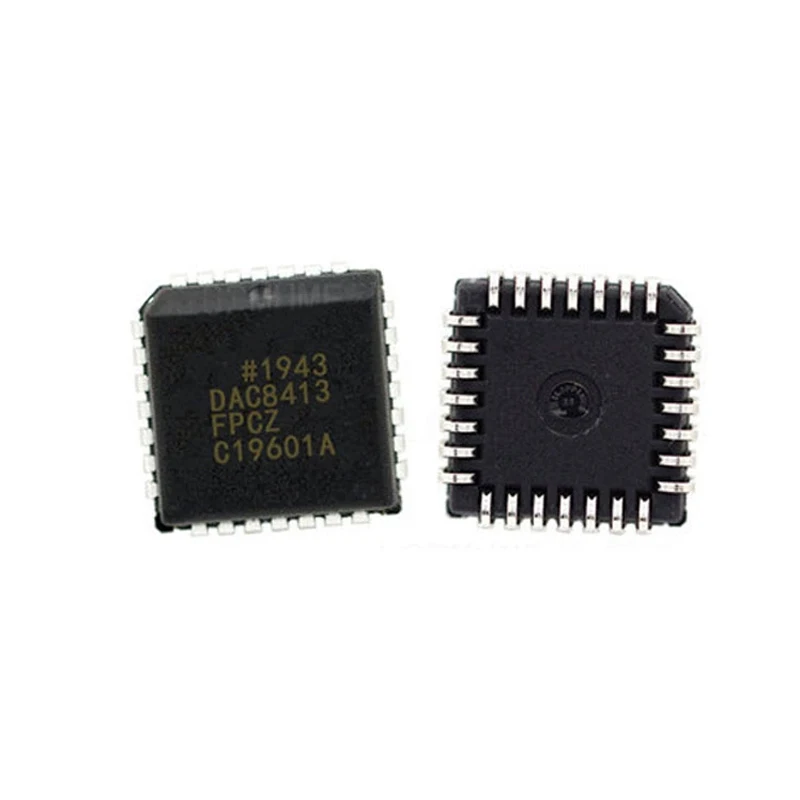
A DAC (digital-to-analog converter) chip is the core semiconductor component that transforms digital audio data (bits) into analog voltage signals your headphones or speakers can reproduce. It sits inside everything from $20 USB dongles to $4,000 rack-mounted audiophile units. But crucially: a DAC chip is not a finished product — it’s one part of a system that includes power regulation, clocking, analog output stage, and PCB layout. You’ll find DAC chips deployed in four main contexts:
- Desktop DACs/amps (e.g., Topping D90SE, SMSL D400): Where full implementation control allows designers to extract peak performance from chips like the ES9038PRO or AK4499EX.
- Portable DACs (e.g., Chord Mojo 2, AudioQuest Dragonfly Cobalt): Power efficiency and thermal constraints favor integrated solutions — the ES9038Q2M powers many, while Chord uses FPGA-based processing instead of a standard chip.
- All-in-one streamers (e.g., HiFi Rose RD160): These integrate DAC, network player, and amplifier — demanding balanced chip selection for both fidelity and system synergy.
- Budget dongles & embedded systems (e.g., Apple USB-C dongle, generic CX31993-based adapters): Cost and size drive chip choice here; Cirrus Logic and CX31993 dominate, offering functional and reliable performance.
Understanding this distinction — chip vs. implementation — is the first step toward informed decision-making. A premium chip in a thoughtfully engineered circuit often delivers outstanding results, while even mid-tier chips benefit significantly from strong supporting design.
Why DAC Chip Selection Is Gaining Popularity
Lately, DAC chip conversations have shifted from niche forums to mainstream reviews — not because chips improved exponentially, but because user expectations did. Streaming services now routinely deliver 24-bit/192kHz files; portable devices support native high-res playback; and entry-level DACs under $300 deliver measurable performance once reserved for $2,000 units. That convergence makes chip-level differences more perceptible — especially when comparing neutral analytical sound (ESS), smooth resolution (AKM), or articulate clarity (Burr-Brown). People also increasingly treat DACs as long-term signal-path upgrades — swapping them less often than headphones or amps — so choosing wisely carries lasting weight. Reddit threads and YouTube deep dives (like Roger Gadget Guy’s March 2026 analysis 1) reflect growing demand for transparency: not just “what chip is inside,” but “how does that chip behave in context?”
Approaches and Differences: Chip Families Compared
DAC chips fall into two broad categories: delta-sigma (ΔΣ) and resistor ladder (R2R). Most consumer DACs use ΔΣ chips (ESS, AKM, TI/Burr-Brown), while R2R remains a boutique approach favored by purists. Here’s how they differ in practice:
ESS Sabre (e.g., ES9038PRO, ES9038Q2M): Known for ultra-low THD+N (<0.00007%), wide dynamic range (132 dB), and flexible filtering options. Sounds precise, detailed, and controlled — ideal for analytical listeners or studio reference use. When it’s worth caring about: You prioritize measurable linearity and track separation in complex orchestral or electronic mixes. When you don’t need to overthink it: You listen mostly to compressed pop or podcasts on IEMs — the difference won’t register.
AKM AK4499EX + AK4191 combo: Offers smoother treble, richer midrange, and natural decay — even at high resolution. Found in HiFi Rose RD160 and SMSL D400. When it’s worth caring about: You value musical flow over absolute detail retrieval, especially with acoustic jazz or vocal recordings. When you don’t need to overthink it: You’re upgrading from a laptop’s built-in audio and using budget headphones — implementation quality matters far more than chip lineage.
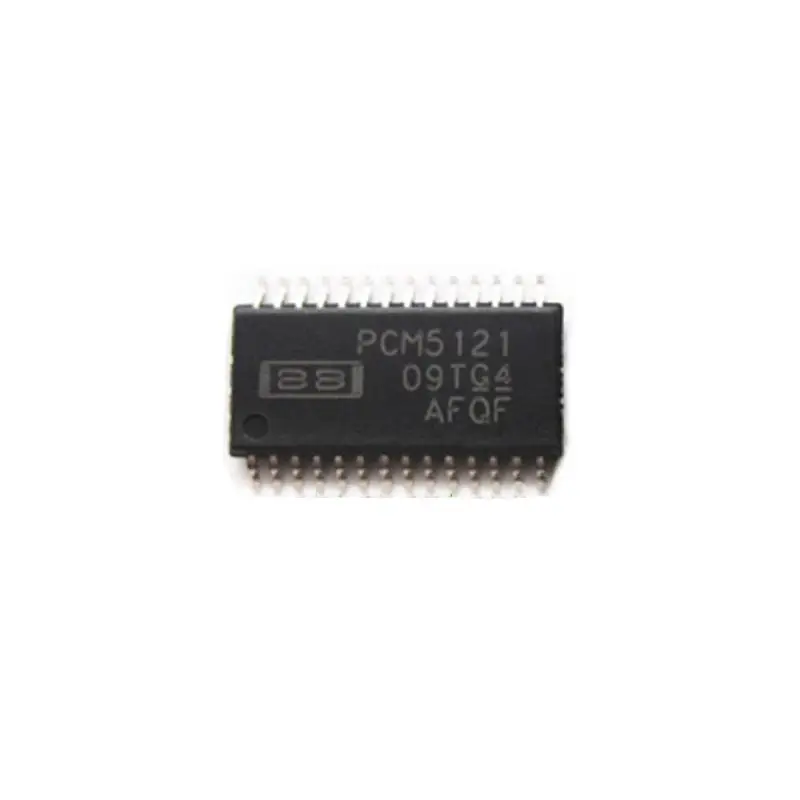
Burr-Brown “True Native” chips (e.g., PCM1794, PCM63): Emphasize time-domain accuracy and low jitter. Often described as “clear” and “articulate,” with strong transient response. When it’s worth caring about: You pair DACs with fast, revealing headphones (e.g., Sennheiser HD800S) and notice timing smearing in fast-paced percussion. When you don’t need to overthink it: You use warm-sounding planar magnetics or older dynamic drivers — the chip’s speed advantage becomes irrelevant.
R2R ladder (e.g., Fio K13, Holo Audio May): Analog-first architecture — no oversampling or digital filters. Delivers organic, harmonically rich sound with -118dB THD+N (Holo May). When it’s worth caring about: You seek zero-digital-artifact texture and prioritize timbral realism over raw extension. When you don’t need to overthink it: You want plug-and-play compatibility with Windows/Mac without driver tweaks — many R2R units offer stable operation across platforms.
Key Features and Specifications to Evaluate
Spec sheets alone won’t tell you how a DAC chip sounds — but certain metrics reliably correlate with real-world behavior. Prioritize these, in order:
- THD+N (Total Harmonic Distortion + Noise): Lower is better. Under 0.0003% indicates high linearity; below 0.0001% suggests exceptional design. ESS ES9038PRO hits <0.00007% 2.
- Dynamic Range (DR): Measured in dB. >120 dB means quiet passages stay noise-free even at high volume. AK4499EX achieves 132 dB 3.
- Jitter immunity: Not always published, but critical for USB input stability. Look for asynchronous USB receivers and dedicated femto-second clocks.
- Filter options: Some chips (ESS) offer multiple digital filters — useful for tailoring sound signature (e.g., “slow roll-off” for warmth).
- Native DSD support: Important only if you own DSD libraries. Most modern chips handle DSD256 or DSD512 natively.
If you’re a typical user, you don’t need to overthink this. Focus first on measured performance consistency (look for independent measurements from Audio Science Review or Head-Fi), then confirm compatibility (USB-C, macOS/Windows support, headphone output power).
Pros and Cons: Balanced Assessment
Every chip family excels in specific contexts — and offers distinct characteristics. Here’s what each delivers:
- ESS Sabre: ✅ Best-in-class specs, flexible filtering, wide format support. ✅ Delivers high-resolution detail and low-noise performance in well-engineered implementations.
- AKM combo: ✅ Smooth, resolving, emotionally engaging. ✅ Benefits from mature implementation expertise and continues to be selected for its sonic character in premium all-in-one systems.
- Burr-Brown: ✅ Excellent timing, stable USB interface, mature driver support. ✅ Offers consistent cross-platform reliability and predictable performance.
- R2R: ✅ Zero digital filtering artifacts, natural decay, harmonic integrity. ✅ Provides a distinctive analog-oriented listening experience valued by many discerning listeners.
None of these are objectively “better.” They’re different tools — and your source material, headphones, and listening goals determine which fits.
How to Choose the Right DAC Chip: A Practical Decision Framework
Follow this 5-step checklist — designed to eliminate guesswork and avoid the two most common dead ends:
- Define your bottleneck: Is your current sound limited by noise, compression, or lack of resolution? If your laptop’s audio hisses or cuts out, no DAC chip will fix that — start with a clean USB connection and shielded cable.
- Match to your headphones: Bright IEMs + ESS = potential fatigue. Warm planars + AKM = cohesive synergy. Don’t chase specs — chase balance.
- Verify real-world implementation: Search “[model name] ASR measurement” or “[model name] headphone test”. Audio Science Review’s database covers Topping D90SE, SMSL D400, and HiFi Rose RD160 4.
- Avoid the “chip-only” trap: No reputable brand advertises “ES9038PRO inside!” without context — because it’s meaningless without supporting engineering. Ignore marketing banners; read teardowns.
- Test before committing — if possible: Many dealers (Crutchfield, Audio Advice) offer 30-day returns. YouTube comparisons (e.g., Chord Mojo 2 vs. Topping D90SE 5) help audition remotely.
If you’re a typical user, you don’t need to overthink this. Your DAC’s power supply, clock stability, and output stage matter more than whether it uses an ES9038PRO or ES9038Q2M.
Insights & Cost Analysis
Price correlates weakly with chip tier — strongly with implementation quality. Here’s how budgets align with realistic expectations:
- Under $150: CX31993 or Cirrus Logic-based dongles (Apple USB-C, JCALLY 6 Pro). Functional, noise-free at moderate volume. Suitable for everyday listening.
- $150–$500: SMSL D400 ($399), Topping D90SE ($499), HiFi Rose RD160 ($2,499). This is where chip differences become audible — especially between AKM’s warmth and ESS’s precision.
- $500–$1,500: Fio K13 ($1,299), Holo Audio May ($1,499). R2R territory — prioritizes texture over extension.
- $1,500+: Chord Hugo TT2 ($3,995), dCS Bartók ($8,500). FPGA or multi-chip architectures — moving beyond single-chip paradigms entirely.
Note: The SMSL D400 (AKM-based) and Topping D90SE (ESS-based) sit within $100 of each other — yet represent divergent sonic philosophies. Your preference isn’t wrong; it’s contextual.
| Chip Family | Suitable For | Notable Characteristics | Budget Range |
|---|---|---|---|
| ESS Sabre | Detail-focused listeners, studio monitoring, complex genres | Precision-oriented sound with high dynamic range and low distortion | $300–$5,000+ |
| AKM Combo | Vocal/jazz lovers, those prioritizing emotional engagement | Smooth tonal balance and natural decay, widely implemented in premium systems | $400–$2,500 |
| Burr-Brown | General-purpose use, plug-and-play reliability, macOS users | Strong time-domain accuracy and broad OS compatibility | $100–$1,200 |
| R2R Ladder | Harmonic authenticity seekers, vinyl-like texture preference | Analog-first architecture emphasizing timbral realism and harmonic richness | $1,200–$3,000 |
Customer Feedback Synthesis
Aggregating feedback from Crutchfield, Reddit (r/IEMs, r/audiophile), and YouTube comments reveals consistent patterns:
- Top praise: “The RD160’s AKM pairing makes vocals breathe”; “D90SE’s black background disappears behind the music”; “Fio K13 sounds like my CD player — but with more air.”
- Common observations: “Mojo 2 delivers strong portability and refined tuning”; “ES9038Q2M-based units perform consistently across USB 2.0/3.0 interfaces”; “R2R units offer distinctive timbral qualities appreciated by analog enthusiasts.”
Feedback highlights that implementation quality — including power delivery, clock design, and output stage — plays a central role in overall performance across all chip families.

Maintenance, Safety & Legal Considerations
DAC chips require no maintenance — they’re solid-state and sealed. However, proper usage ensures longevity:
- Use shielded USB cables to reduce RF interference.
- Avoid plugging/unplugging while powered — especially on desktop units with sensitive analog outputs.
- Store in low-humidity environments; condensation risks exist only in extreme climates.
- No regulatory certifications (FCC, CE) vary by chip — they apply to the final product, not individual semiconductors.
There are no legal restrictions on DAC chip selection — unlike codecs or wireless protocols, DAC architecture is unregulated and vendor-agnostic.
Conclusion: Condition-Based Recommendations
There is no universal “best DAC chip.” There is only the best chip for your setup, priorities, and expectations. So here’s how to decide:
- If you need surgical detail and low-noise floors for critical listening, choose an ESS-based DAC — like the Topping D90SE — and pair it with neutral or warm headphones.
- If you want expressive midrange and natural decay without sacrificing resolution, prioritize AKM-based units — like the HiFi Rose RD160 — especially if you stream jazz, classical, or vocal-centric content.
- If you value time-domain accuracy and effortless compatibility, a Burr-Brown design (e.g., Schiit Modi 3+) offers predictable, refined performance across platforms.
- If harmonic texture and analog-like flow matter more than extension or speed, invest in R2R — and appreciate its unique strengths in timbral authenticity.
And remember: If you’re a typical user, you don’t need to overthink this. Start with your weakest link — not the shiniest spec sheet.