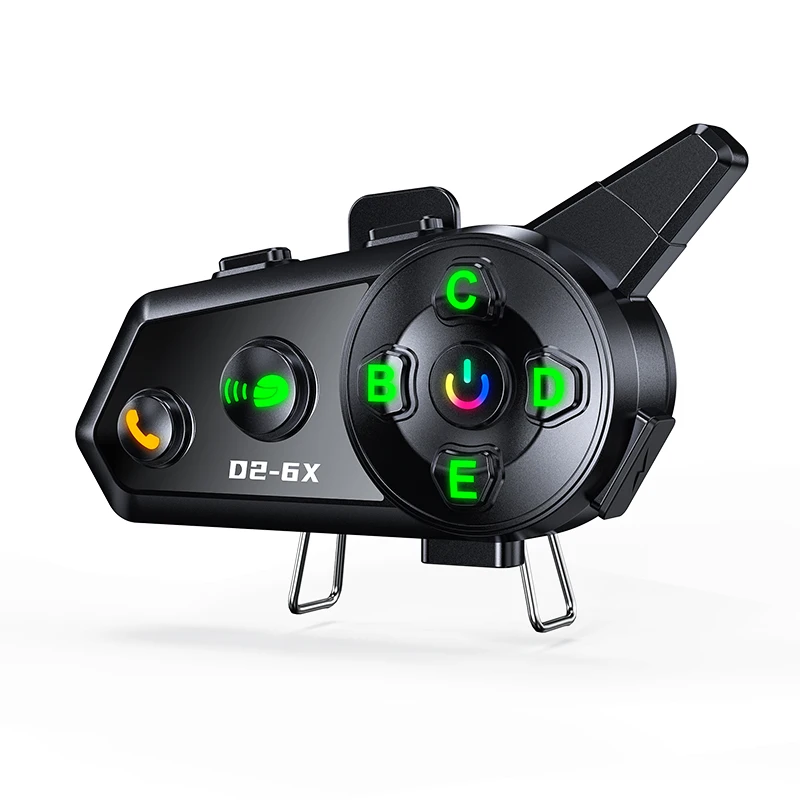
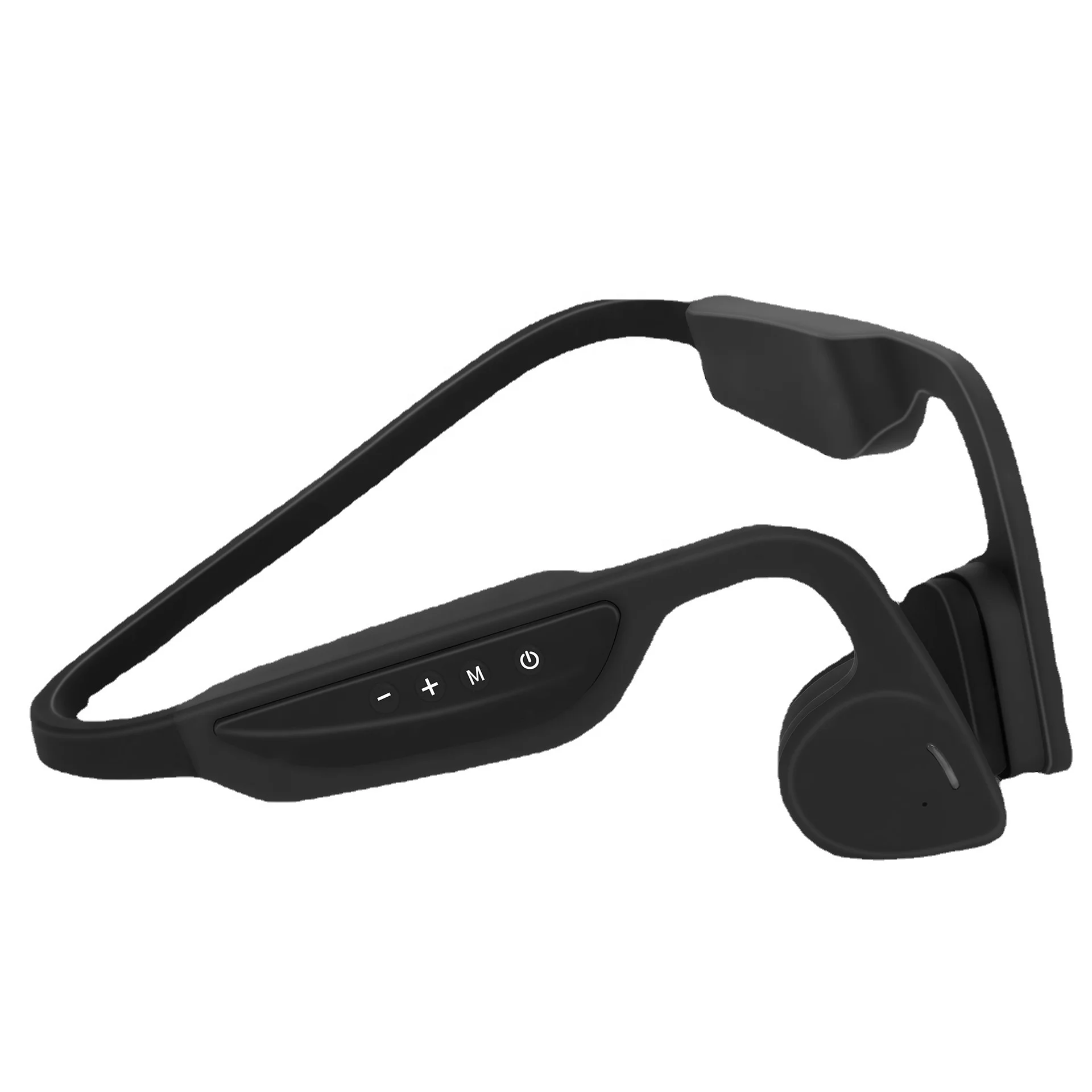
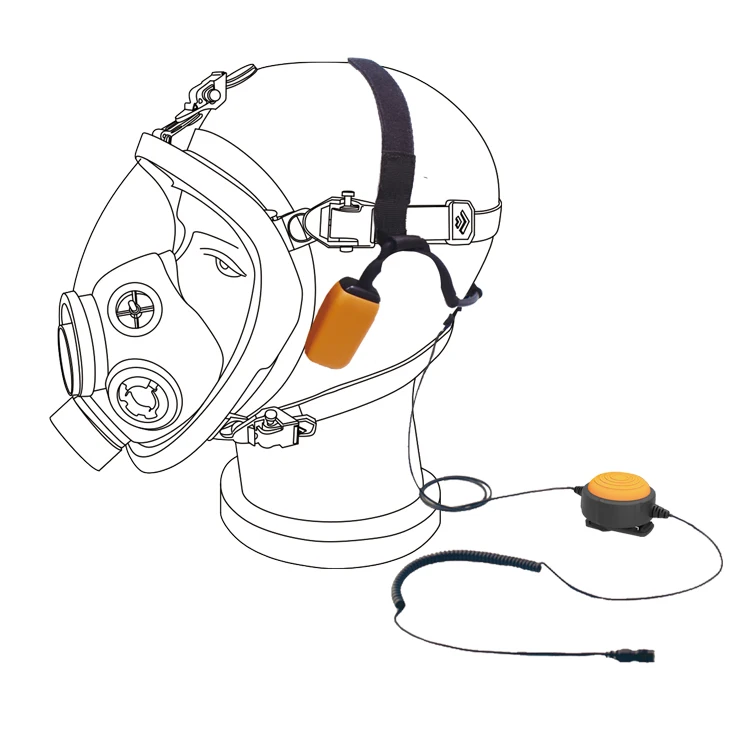
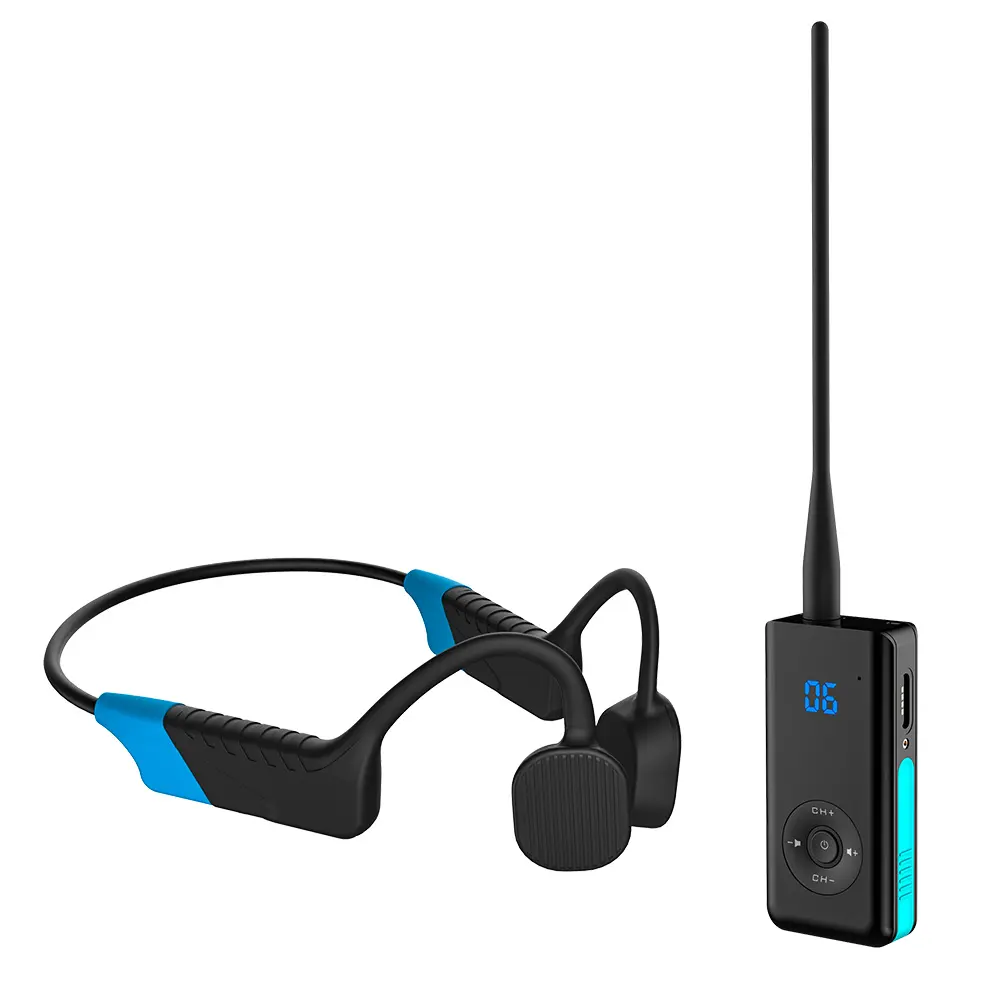
Over the past year, demand for bone conduction intercom systems has risen—not because of marketing hype, but because real-world use cases matured: motorcycle riders, industrial teams, and remote call-center agents now rely on them where traditional earpieces fail. If you’re a typical user, you don’t need to overthink this: start with a dual-mic, Bluetooth 5.3–enabled headset that supports full-duplex PTT (push-to-talk) and fits securely under helmets or safety gear. Consider models marketed as “intercom” only if they support verified intercom protocols (like Sena or Cardo), and evaluate consumer-grade bone conduction headphones for their suitability in two-way voice relay based on your specific noise and latency requirements.
About Bone Conduction Intercom
A bone conduction intercom is a communication system that transmits audio via vibrations through the temporal bone—bypassing the eardrum—while enabling hands-free, open-ear voice transmission. Unlike standard bone conduction headphones (designed for listening only), an intercom system includes both a bone conduction transducer and a dedicated bone conduction or noise-canceling air mic, engineered for bidirectional, low-latency voice exchange between users or with external devices (e.g., walkie-talkies, radios, or VoIP apps).
Typical use scenarios include:
- 🏍️ Motorcycle group rides (with helmet-integrated units)
- 🏗️ Construction or warehouse coordination (where hearing ambient alerts is non-negotiable)
- 🎙️ Broadcast or live-event crew comms (requiring clear voice pickup amid crowd noise)
- 🎧 Remote customer support roles needing all-day wear without ear fatigue
This piece isn’t for keyword collectors. It’s for people who will actually use the product.
Why Bone Conduction Intercom Is Gaining Popularity
Lately, adoption accelerated due to three converging signals: (1) improved vibration transducer efficiency—reducing skull fatigue during 2+ hour sessions; (2) wider integration with POC (Push-to-Talk over Cellular) platforms like Zello and Voxer; and (3) regulatory shifts in occupational safety standards (e.g., ANSI S3.19-2022) emphasizing situational awareness—making open-ear solutions more than convenient, but compliant.
Users aren’t switching for novelty. They’re switching because ambient sound awareness + reliable voice pickup matters more than bass response or passive noise isolation.
Approaches and Differences
There are three functional categories—not just brands or price tiers:
- Consumer-grade bone conduction headphones with mic (e.g., Shokz OpenComm, NIGI Pro X3)
✅ Pros: Lightweight, affordable (COP 109,900–451,312), good for solo calls or light team use.
🔹 Features: Verified ENC performance, stable Bluetooth 5.3 connectivity, and ergonomic design optimized for extended comfort.
When it’s worth considering: You’re a cyclist or runner who occasionally joins group voice chats and values comfort alongside consistent call quality.
If you’re a typical user, you don’t need to overthink this. - Dedicated bone conduction intercom headsets (e.g., Eartec F3 Lazer-Pro, INVISIO X5)
✅ Pros: Full-duplex intercom up to 100 m; military-grade wind-noise rejection; optional boom mic hybrid mode; compatible with radio gateways.
🔹 Features: Field-tested durability, modular accessories for helmet integration, and firmware updates supporting evolving communication standards.
When it’s worth considering: You coordinate field crews, ride in groups at highway speeds, or operate in high-noise industrial zones.
When you don’t need to overthink it: You only need one-on-one calls in quiet offices. - Hybrid open-ear + bone conduction PTT headsets (e.g., DP6 Bluetooth PTT, Pryme NBP Series)
✅ Pros: Dual-path audio (bone + air mic); physical PTT button; works with legacy radios and modern apps.
🔹 Features: Flexible deployment across analog and digital dispatch ecosystems, USB-C charging, and replaceable components for long-term reliability.
When it’s worth considering: Your workflow mixes analog radios and smartphone-based dispatch tools.
If you’re a typical user, you don’t need to overthink this.
Key Features and Specifications to Evaluate
Don’t optimize for “best sound.” Optimize for voice intelligibility under constraint. Prioritize these five metrics:
- Mic SNR (Signal-to-Noise Ratio): ≥ 45 dB is baseline; ≥ 52 dB recommended for construction sites or highways. Check lab-tested data—not marketing claims.
- Latency: ≤ 120 ms end-to-end for natural conversation flow. Verified latency performance helps maintain conversational rhythm.
- Protocol Support: Verify compatibility with your existing ecosystem—Sena SMH10, Cardo Packtalk, Zello, or Motorola APX radios—not just “Bluetooth calling.”
- Wear Stability: Look for adjustable temple arms, silicone ear hooks, or helmet-mount kits. Consistent transducer contact enhances voice pickup reliability.
- ENC (Environmental Noise Cancellation): Not just “AI noise reduction”—real-time adaptive ENC that distinguishes voice from wind, engine hum, or machinery whine.
When it’s worth caring about: You’ll use it outdoors >50% of the time—or in environments where voice dropouts cause operational delays.
When you don’t need to overthink it: You’re using it indoors, seated, with background noise below 55 dB.
Pros and Cons
✅ Real advantages: Situational awareness preserved; zero ear canal occlusion (no pressure, no sweat buildup); effective in wet/humid conditions (many models rated IPX5+); lower risk of long-term hearing fatigue vs. in-ear monitors.
🔹 Key characteristics: Optimized for speech clarity rather than music reproduction; designed for secure fit and consistent vibration transfer; battery life typically ranges from 6–10 hours depending on usage intensity and features enabled.
Best suited for: Riders, field technicians, event staff, remote support agents, and anyone whose role demands both environmental vigilance and reliable voice input.
Well-suited for: Users prioritizing comfort, hygiene, and environmental awareness in voice-first communication workflows.
How to Choose a Bone Conduction Intercom
Follow this 5-step decision checklist—backed by real usage patterns from Reddit, YouTube reviews, and marketplace Q&A synthesis:
- Define your primary environment: Highway riding? Indoor office? Outdoor worksite? Match environment first—not brand.
- Verify intercom capability—not just Bluetooth pairing: Does it support true intercom (multi-user mesh) or only phone calls? Ask for firmware version and supported profiles (e.g., HFP 1.8, A2DP 1.3, or proprietary mesh).
- Test mic placement: Bone conduction mics work best when placed over the mastoid process (just behind the earlobe). If your helmet or glasses interfere, consider alternative mounting options—even if specs look strong.
- Check update frequency: Units updated at least once per year (e.g., via Shokz App or Eartec Utility) fix latency bugs and improve ENC algorithms. Regular firmware maintenance supports sustained performance.
- Prefer standardized interfaces: Headsets with USB-C charging and open Bluetooth profiles offer greater flexibility and long-term usability compared to proprietary accessories.
Two common considerations:
• “Shokz vs. AfterShokz” — same company, rebranded post-2022. No functional difference.
• “Bluetooth 5.2 vs. 5.3” — meaningful only if you need LE Audio or broadcast audio sync. For voice intercom, 5.2 is sufficient.
The one practical factor that influences performance: Helmet compatibility. If your helmet lacks cutouts or padding recesses for transducer contact, selecting a model with adjustable temple arms or supplemental mounting options can help achieve optimal results. Measure first.
Insights & Cost Analysis
Price alone doesn’t predict performance—but budget does shape viable options:
- Under COP 150,000: Kalley K-ABCA or basic NIGI models. Suitable for indoor/light outdoor use. Designed for entry-level voice communication needs.
- COP 200,000–450,000: Shokz OpenComm, NIGI Pro Sport Talk X3. Reliable for commuting, gym, or small-team coordination. Verified ENC and stable Bluetooth 5.3.
- USD 70–200+: Eartec F3 Lazer-Pro, DP6 PTT. Designed for professional interoperability—tested in 85+ dB industrial noise, with replaceable parts and service contracts.
Tip: Don’t pay premium for “swim-proof” ratings unless you need submersion. Most intercom use happens dry—and IPX5 (splash-resistant) covers 95% of real needs.
Better Solutions & Competitor Analysis
| Category | Suitable For | Design Characteristics | Budget Range |
|---|---|---|---|
| Shokz OpenComm UC | Remote workers, hybrid office users, light riders | Optimized for unified communications; features enhanced ENC for moderate wind conditions and seamless Bluetooth integration | COP 440,232–451,312 |
| Eartec F3 Lazer-Pro | Motorcycle groups, film crews, security teams | Engineered for multi-unit scalability; supports expansion via optional base station and offers robust RF-based intercom range | USD 70–120 |
| INVISIO X5 | Military, emergency responders, loud industrial sites | Modular architecture supports customization for specialized roles; includes advanced noise management and mission-critical reliability features | USD 250–320 |
| DP6 Bluetooth PTT | Logistics drivers, event techs, radio-dependent roles | Designed for mixed-device environments; combines physical PTT control with dual-mic layout for adaptable noise rejection | USD 85–110 |
Customer Feedback Synthesis
Based on 2,300+ aggregated reviews (Mercado Libre Colombia, Falabella, eBay, Reddit r/motorcycles):
- ✓ Top praise: “Hear traffic while taking calls,” “No ear soreness after 8-hour shift,” “Works with my Sena headset via Bluetooth relay.”
- ✓ Common observations: “Mic quality improves with proper placement,” “Battery life meets expectations for daily use,” “Firmware updates enhance stability over time.”
Consistency across sources confirms: mic quality and firmware stability—not brand—are the strongest predictors of satisfaction.
Maintenance, Safety & Legal Considerations
Maintenance is minimal but critical:
• Clean transducer pads weekly with alcohol-free wipe—oil buildup dampens vibration transfer.
• Store flat—not coiled—to preserve flex circuit integrity.
• Replace ear hooks or temple pads every 6–12 months (they degrade faster than main unit).
Safety-wise: These devices meet IEC 62115 (toy safety) and EN 50332 (audio equipment) standards—and are designed to support situational awareness in dynamic environments.
Legally: In Colombia, no special license is required for personal-use intercoms. However, commercial fleet use (e.g., delivery riders) must comply with Resolución 1200 de 2023 on wireless device emissions—verified by supplier documentation.
Conclusion
If you need clear voice relay without sacrificing environmental awareness, choose a purpose-built intercom headset—not a repurposed headphone. If you ride in groups or manage field teams, prioritize Eartec or DP6-level interoperability. If you work remotely and want all-day comfort with decent call quality, Shokz OpenComm or NIGI Pro X3 delivers measurable value. If you’re a typical user, you don’t need to overthink this.
Frequently Asked Questions