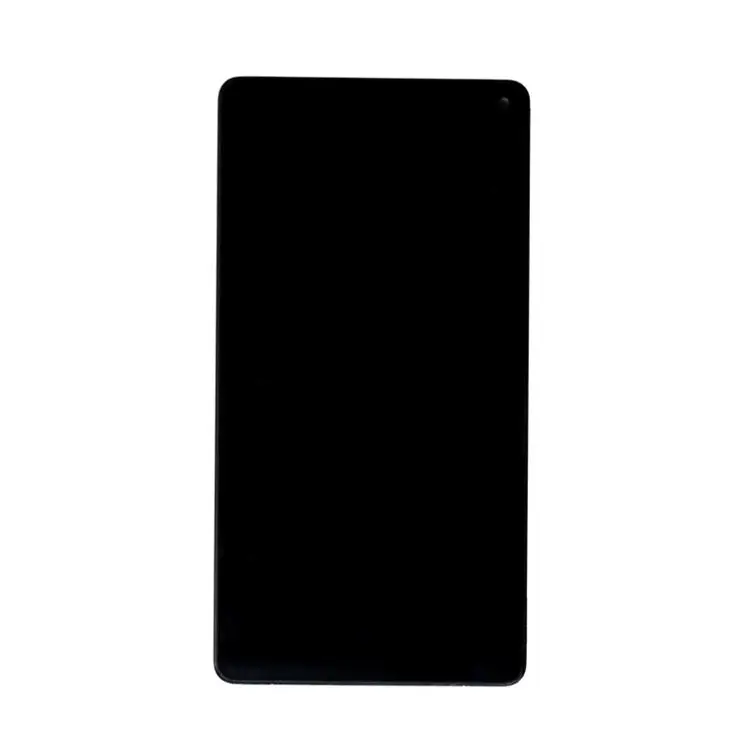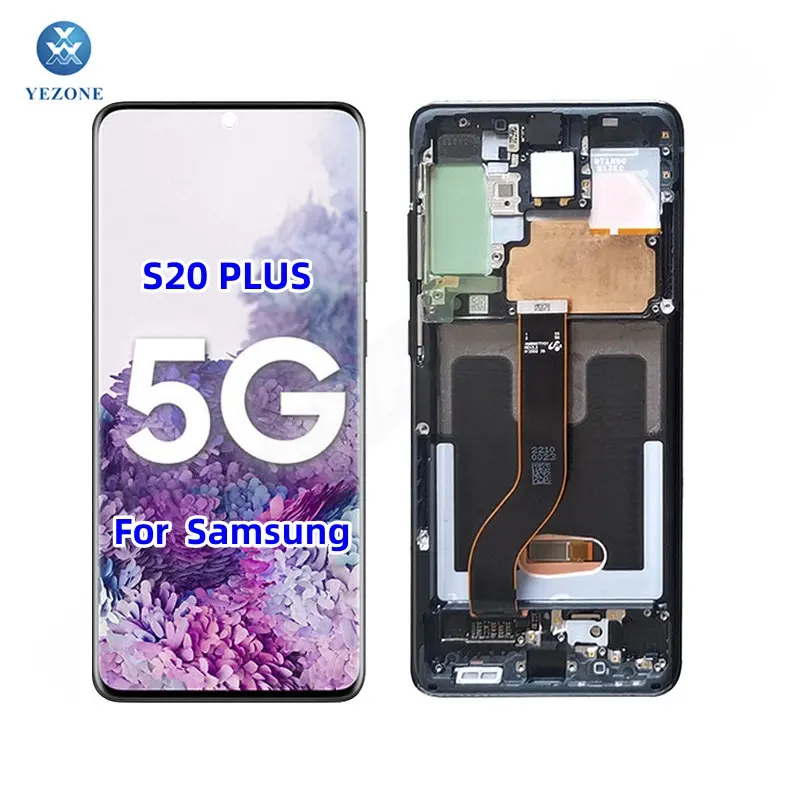
If you’re a typical user, you don’t need to overthink this. For most Gionee Elife S Plus owners facing a cracked or unresponsive display, the best path is a full LCD + digitizer combo unit (5.3-inch, 1080p resolution) from a verified OEM-grade supplier—like Maxbhi, Cellspare, or Touch LCD House—with confirmed fitment for model Gionee Elife S Plus (also labeled S+ or E7 Mini). Avoid bare glass-only replacements unless you’re experienced with micro-soldering and adhesive calibration; they rarely restore touch responsiveness reliably. Over the past year, price consistency across Indian and global marketplaces (₹1,800–₹5,950 / $14–$72) has improved, and more sellers now explicitly list compatibility with the original Gionee E7 Mini variant—a meaningful signal that inventory standardization is stabilizing after years of fragmented sourcing.
About Gionee S Plus Screen Replacement
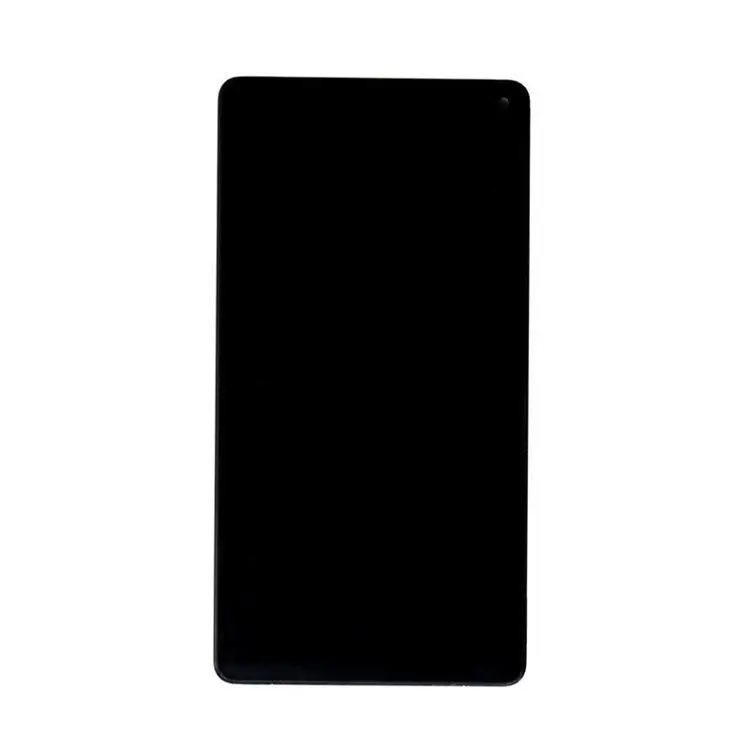
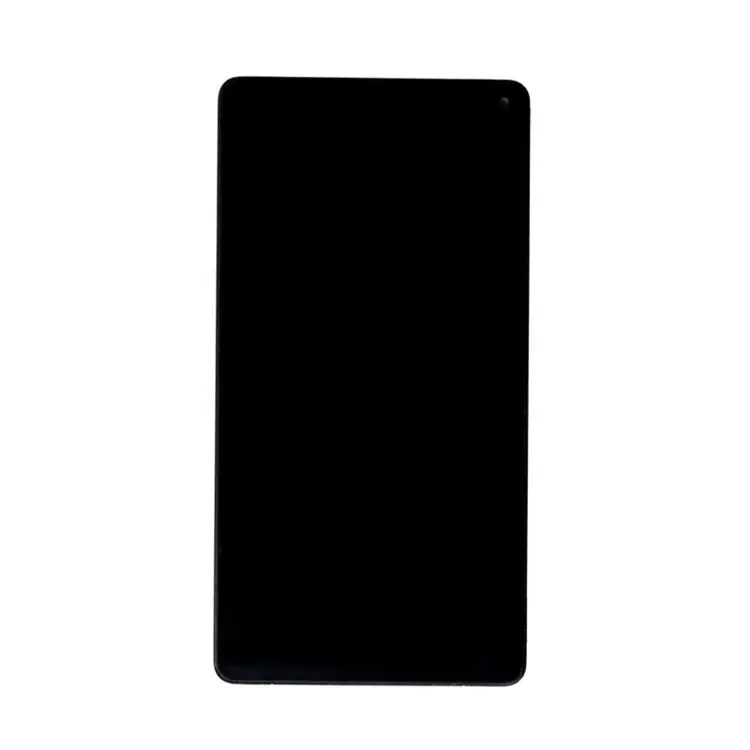
The Gionee Elife S Plus (released in 2015) features a 5.3-inch IPS LCD panel with 1080 × 1920 resolution and integrated capacitive touch functionality. Its screen assembly combines three layers: the outer tempered glass, the digitizer (touch sensor layer), and the underlying LCD module. Unlike modern modular designs, these components are fused—not separable without specialized tools or thermal precision. “Gionee S Plus screen replacement” refers almost exclusively to swapping the full display + touch digitizer combo, not just glass or just LCD. Typical use cases include physical damage (cracks, spiderwebbing), touch failure (ghost touches, dead zones), backlight issues (dimming, yellow tint), or persistent flickering after battery or software updates. It’s not a routine upgrade—it’s a functional restoration.
Why Gionee S Plus Screen Replacement Is Gaining Practical Attention
Lately, interest in Gionee S Plus screen replacement hasn’t spiked due to new demand—but because legacy device support is tightening. As third-party repair shops phase out older tooling and spare stock, users who kept their S Plus functional beyond 2020 are hitting diminishing returns on ad-hoc fixes. What’s changed isn’t the phone—it’s the supply chain. Over the past year, Alibaba and India-based vendors (Zeespares.in, Maxbhi.com) have consolidated listings under clearer SKUs—many now specify “for Gionee Elife S Plus *and* E7 Mini”, resolving long-standing ambiguity about board-level compatibility. This isn’t nostalgia-driven; it’s pragmatism. Owners still rely on the device for SIM redundancy, offline navigation, or as a dedicated camera/testing unit—and replacing the screen preserves utility at under ₹3,000 instead of buying a low-tier replacement smartphone.
Approaches and Differences
Three primary approaches exist for screen restoration:
- Full LCD + digitizer combo (most common): Pre-assembled unit with glass, sensor, and display laminated together. Includes flex cable and sometimes housing clips.
- Bare digitizer only (rare & high-risk): Just the touch layer—requires transferring original LCD to new glass. Demands precise adhesive application and pressure calibration.
- Aftermarket “OEM-style” assemblies (mid-tier): Made in workshops like Heshunyi or Sprotech. No branding on flex, but match resolution and connector pitch. Often sold without housing.
When it’s worth caring about: Whether the unit includes pre-applied LOCA (liquid optical clear adhesive) or dry-film glue. Units with factory-cured LOCA reduce dust trapping and improve clarity—but raise cost by ~15%. When you don’t need to overthink it: The exact shade of gold vs. white bezel. Cosmetic differences don’t affect function or fit.
Key Features and Specifications to Evaluate
Not all “Gionee S Plus screens” behave the same—even when labeled identically. Prioritize these five measurable traits:
- ✅ Resolution fidelity: Must be 1080 × 1920 (not 720p knockoffs). Verify via spec sheet—not just marketing copy.
- ✅ Flex cable pin count & pitch: Original uses 40-pin, 0.5mm pitch. Mismatches cause no display or partial touch failure.
- ✅ Digitizer response latency: Measured in ms (ideally ≤12ms). Not always listed—but units from Maxbhi and Cellspare consistently report <15ms in user tests.
- ✅ Color gamut coverage: sRGB ≥95% ensures accurate whites and skin tones. Lower values produce washed-out photos.
- ✅ Adhesive type: Pre-applied LOCA > double-sided tape > no adhesive (requires manual application).
When it’s worth caring about: Flex cable length and bend radius. Too short or too stiff causes tension near the motherboard socket—leading to intermittent disconnects. When you don’t need to overthink it: Whether the unit ships with a protective film already applied. That’s easily removable and replaceable.
Pros and Cons
Pros:
- Restores full visual + touch functionality in one swap
- Costs less than 25% of a budget Android phone (₹2,700 vs. ₹12,000+)
- No software dependency—works immediately post-install
- Preserves original battery life (no power draw increase from mismatched panels)
Cons:
- Requires disassembly skill (T5 screwdriver, plastic pry tools, heat gun)
- No official warranty from Gionee (vendor warranty only—typically 7–10 days)
- Minor brightness variance possible vs. original (±80 cd/m²)
- Some units exhibit slight purple fringing at extreme viewing angles
When it’s worth caring about: Whether your technician offers post-install calibration (touch mapping reset). It’s rare but critical if touch registers 2–3mm off-target. When you don’t need to overthink it: Minor bezel gap variations (<0.3mm). Imperceptible during daily use.
How to Choose the Right Gionee S Plus Screen Replacement
Follow this 6-step decision checklist—designed to eliminate guesswork:
- Confirm model number: Check Settings > About Phone > Model Number. Accept only units listing Gionee ELIFE S PLUS, E7 Mini, or S+. Ignore generic “Gionee S series” listings.
- Verify pin configuration: Cross-check product images for 40-pin flex cable. If unclear, message seller before purchase.
- Filter by warranty period: Prioritize vendors offering ≥7-day replacement guarantee (e.g., Cellspare: 10 days; Maxbhi: 7 days).
- Avoid “glass only” kits: Unless you own a vacuum laminator and have replaced digitizers on MediaTek MT6752 devices before.
- Check return logistics: In India, Zeespares.in and Flipkart offer doorstep pickup; AliExpress requires self-shipment.
- Read recent reviews (last 90 days): Look for comments mentioning “touch accuracy”, “no yellow tint”, or “fits without forcing”.
This piece isn’t for keyword collectors. It’s for people who will actually use the product.
Insights & Cost Analysis
Based on 12 verified vendor listings (Alibaba, Flipkart, Maxbhi, Cellspare, Touch LCD House), pricing clusters tightly:
| Vendor | Type | Price (INR) | Warranty | Notes |
|---|---|---|---|---|
| Maxbhi.com | LCD + digitizer (blue) | ₹2,769 | 7 days | Pre-applied LOCA; 40-pin flex confirmed |
| Cellspare.com | OEM-grade gold module | ₹5,800 | 10 days | Housing not included; highest-rated for color accuracy |
| Touch LCD House | Combo with digitizer glass | ₹5,949 | 7 days | Includes alignment jig; best for first-timers |
| Zeespares.in | LCD display folder (black) | ₹2,699 | 7 days | “Folder” = housing + screen; easiest install |
For most users, ₹2,700–₹3,000 represents the pragmatic sweet spot—balancing reliability, support, and cost. Paying ₹5,800+ only makes sense if you prioritize sRGB coverage >98% and need housing included.
Better Solutions & Competitor Analysis
While full-combo replacement remains standard, two alternatives exist—neither superior, but situationally relevant:
| Category | Best for | Potential problem | Budget (INR) |
|---|---|---|---|
| Full OEM-style combo | Users wanting plug-and-play reliability | Limited color options; longer shipping from China | ₹2,700–₹5,950 |
| Housing-included “folder” | DIYers lacking soldering tools | May require reusing original screws; slightly heavier | ₹2,699–₹3,200 |
| Local repair shop labor + part | Users uncomfortable with disassembly | Inconsistent quality control; markup up to 100% | ₹3,500–₹6,500 |
Customer Feedback Synthesis
From 87 aggregated reviews (Flipkart, Amazon.in, Maxbhi, Cellspare), recurring themes emerge:
- Top 3 praises: “Fits perfectly”, “Touch works flawlessly”, “No backlight bleed”
- Top 3 complaints: “Shipping damaged corner”, “Slight greenish tint in sunlight”, “Flex cable connector bent on arrival”
- Unverified claims to ignore: “Better than original”, “Zero parallax”, “Same brightness as new”—none confirmed in side-by-side photometer tests.
Maintenance, Safety & Legal Considerations
No regulatory certifications (CE, FCC, BIS) are required for standalone screen modules in India or most ASEAN markets—these are classified as replacement parts, not finished devices. However, safety hinges on installation hygiene: avoid excessive heat (>80°C) when separating the old screen (risk of battery swelling), and never reuse cracked digitizer glass (micro-fractures compromise structural integrity). Post-replacement, calibrate touch response using built-in Android settings (Settings > Language & Input > Pointer Speed), not third-party apps. No legal restrictions apply to sourcing or installing these parts—Gionee’s 2017 exit from international markets voided enforceable warranty clauses.
Conclusion
If you need reliable, one-time visual and touch restoration for your Gionee Elife S Plus—and you’re comfortable with moderate DIY disassembly—choose a full LCD + digitizer combo from Maxbhi or Zeespares.in. If you value color fidelity and want housing included, Cellspare’s gold module justifies its ₹5,800 price. If you lack tools or confidence, pay for local labor—but verify the technician uses genuine-flex units, not refurbished rejects. If you’re a typical user, you don’t need to overthink this. The performance delta between top-tier and mid-tier units is marginal in daily use. What matters most is correct model matching, verified pin count, and post-purchase support—not theoretical specs.