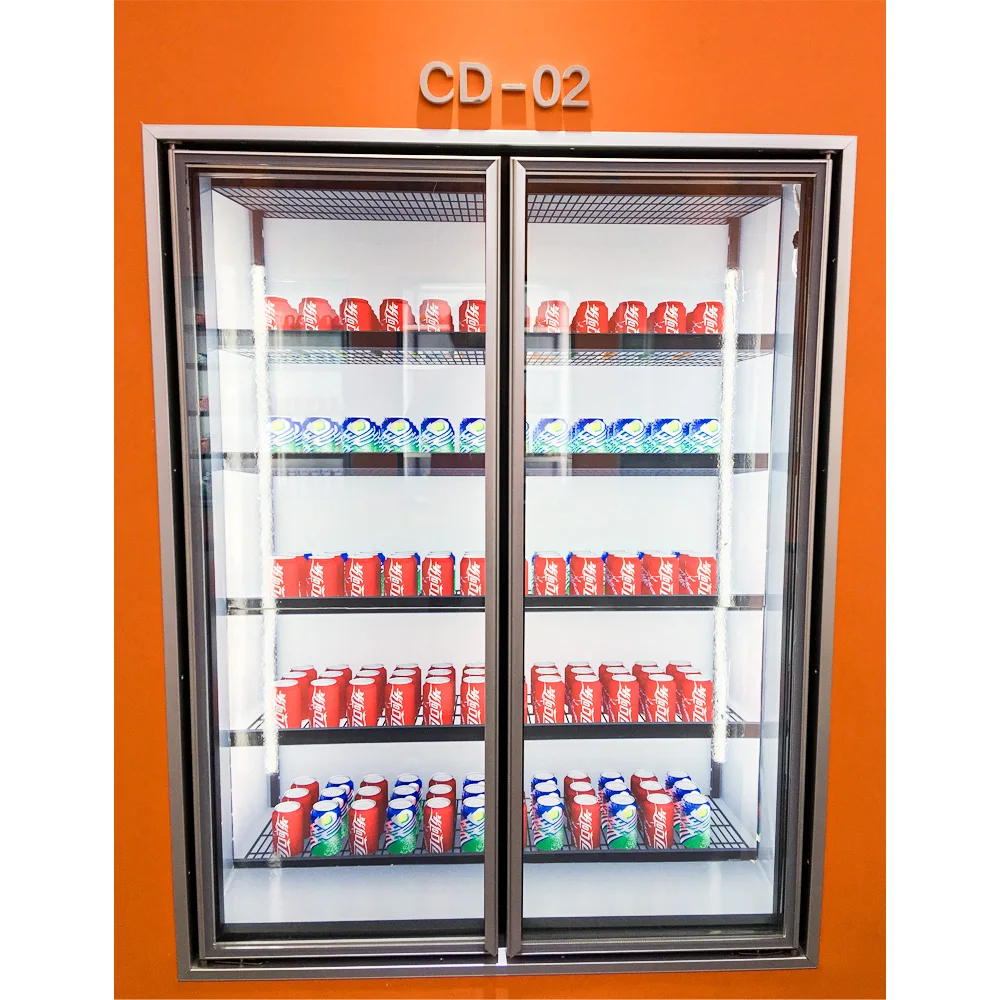
Over the past year, energy regulations and visual merchandising demands have reshaped how retailers select glass cooler doors—making it no longer just about transparency or aesthetics. If you’re a typical user—a convenience store operator, beverage distributor, or small-chain retailer—you don’t need to overthink this: prioritize Low-E insulated glass with dual-pane construction for coolers operating between 34–41°F (1–5°C), especially where ambient temperatures exceed 75°F. Skip single-pane units unless installation is temporary or foot traffic is low. Avoid retrofitting non-tempered glass into commercial refrigeration—it fails safety standards and increases condensation risk. This piece isn’t for keyword collectors. It’s for people who will actually use the product.
About Glass Cooler Doors
Glass cooler doors are transparent, thermally engineered enclosures used on refrigerated display units—primarily in convenience stores, supermarkets, and hospitality venues. Unlike standard refrigerator doors, they balance visibility, insulation, and durability under continuous operation. They come in three main configurations: full-glass swing doors, sliding glass panels, and curtain-style vertical lift systems. Typical applications include beverage chillers, dairy cases, and ready-to-eat meal displays. Their defining trait is the integration of tempered, laminated, or Low-E coated glass—not ordinary window glass—and standardized mounting interfaces for commercial refrigeration frames.
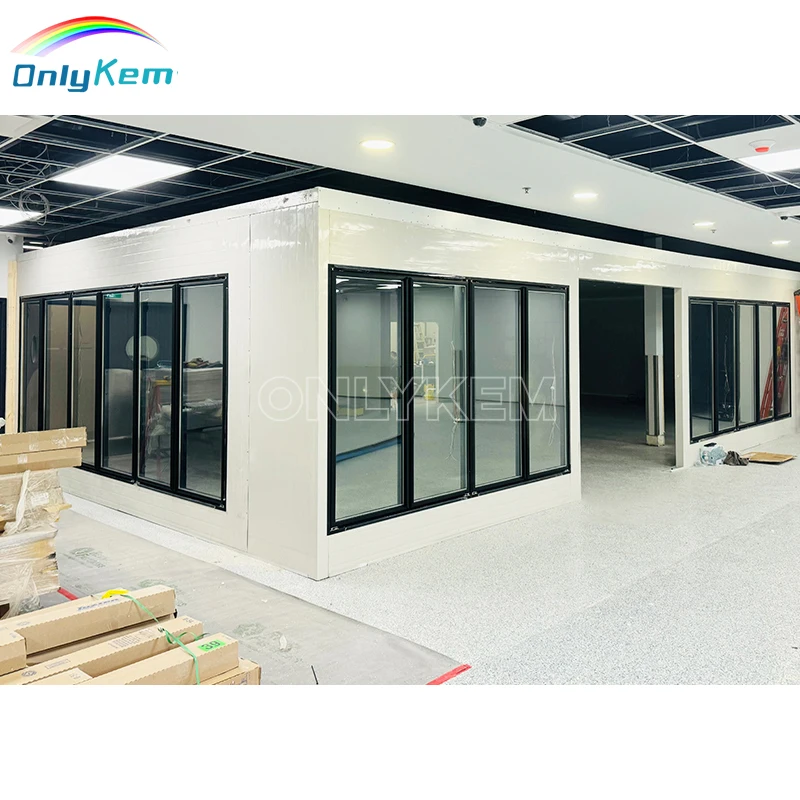
Why Glass Cooler Doors Are Gaining Popularity
Lately, two converging forces drive adoption: stricter regional energy codes (especially in North America and the EU) and proven sales lift from visual access. According to market data, glass doors now account for 54% of new beverage cooler installations in U.S. convenience stores—driven by impulse purchase uplift 1. Simultaneously, the global glass door cooler market grew from $9.24 billion in 2024 to a projected $18.13 billion by 2033, nearly doubling in value 2. The shift isn’t just aesthetic—it reflects measurable ROI: stores using Low-E glass report up to 22% lower compressor runtime versus standard glass, cutting both energy costs and maintenance frequency 3.
Approaches and Differences
Three structural approaches dominate today’s market—each balancing cost, performance, and serviceability:
- Dual-Pane Low-E Glass Doors: Two layers of tempered glass with argon-filled gap and silver-based low-emissivity coating. Best for permanent installations in climate-controlled retail spaces.
When it’s worth caring about: High ambient temps (>77°F), long operating hours (>16 hrs/day), or locations facing utility surcharges.
When you don’t need to overthink it: If your cooler runs only 8 hours/day in an air-conditioned backroom, single-pane may suffice. - Single-Pane Tempered Glass Doors: One layer of heat-treated glass, often with anti-fog coating. Lower upfront cost, easier to replace.
When it’s worth caring about: Budget-constrained rollouts or temporary pop-up retail setups.
When you don’t need to overthink it: If energy audits aren’t required and your local utility offers no demand-response incentives. - IoT-Ready Smart Doors: Integrated sensors (door open/close timing, internal temp drift, seal integrity alerts) plus cloud connectivity. Typically built on dual-pane platforms.
When it’s worth caring about: Multi-location chains needing remote diagnostics or compliance reporting.
When you don’t need to overthink it: Single-store operators without IT support—data overhead outweighs benefit.
Key Features and Specifications to Evaluate
Don’t default to “glass thickness” alone. Focus on these five validated metrics:
- U-value (W/m²·K): Measures thermal transmittance. Target ≤ 1.2 for coolers; ≤ 0.8 for freezer applications. Lower = better insulation.
- Visible Light Transmittance (VLT %): Ranges 70–85%. Higher VLT improves product visibility but may increase solar heat gain—critical near windows.
- Condensation Resistance Factor (CRF): ≥ 55 indicates strong resistance to fogging at 75°F/60% RH. Essential for humid climates.
- Door Seal Integrity: Look for magnetic gasket systems tested to >100,000 cycles. Compression-set resistance matters more than initial tightness.
- Frame Material & Finish: Anodized aluminum resists corrosion better than painted steel in high-humidity environments like coastal regions.
Pros and Cons
✅ Pros: Increased sales conversion (studies show +12–18% beverage lift), simplified inventory checks, modernized store appearance, compliance-ready for ASHRAE 90.1 and EU Ecodesign.
❌ Cons: Higher initial cost (20–40% above solid doors), increased surface cleaning frequency, potential for glare in direct sunlight, longer lead times for custom sizes.
If you’re a typical user, you don’t need to overthink this. The sales uplift usually offsets added energy cost within 14–22 months—even before factoring in reduced staff time spent manually checking stock.
How to Choose Glass Cooler Doors
Follow this 6-step decision checklist—designed to eliminate common missteps:
- Confirm temperature class first: Coolers (34–41°F) ≠ freezers (0°F or below). Using a cooler-rated door on a freezer causes rapid seal degradation and frost buildup.
- Verify frame compatibility: Measure existing hinge spacing, lock placement, and header depth—not just height/width. Custom drawings beat verbal specs every time.
- Require third-party certification: Look for UL 471 or EN 60335-2-89 compliance—not just supplier claims.
- Avoid MOQ traps: Some suppliers require 10+ units for Low-E variants. Confirm if 1–5 unit orders are available without material substitutions.
- Test condensation behavior: Request a 72-hour humidity chamber test report—not just lab-simulated CRF scores.
- Clarify warranty scope: Does it cover seal failure? Glass delamination? Fogging between panes? Standard coverage rarely includes all three.
Insights & Cost Analysis
Based on verified supplier data from Alibaba-verified manufacturers with documented 100% delivery rates 4, average landed costs (FOB + shipping + duties) for standard 36" × 72" units are:
- Single-pane tempered: $320–$410/unit
- Dual-pane Low-E: $590–$740/unit
- Dual-pane + IoT sensor module: $860–$1,120/unit
ROI calculation: For a medium-volume convenience store running two 8-ft beverage coolers 18 hrs/day, upgrading from single- to dual-pane Low-E saves ~$137/year in electricity (based on U.S. avg. $0.14/kWh and 1.2 kW compressor load). Add $210/year in labor savings from reduced restocking time and fewer fog-wipe cycles. Payback: ~17 months.
Better Solutions & Competitor Analysis
| Solution Type | Best For | Potential Issue | Budget Range (per unit) |
|---|---|---|---|
| Low-E Dual-Pane | Permanent installs, high-traffic stores, regulated markets | Longer lead time (6–10 weeks for custom) | $590–$740 |
| High-VLT Single-Pane | Pop-ups, seasonal kiosks, low-energy zones | Higher defrost cycles in humid climates | $320–$410 |
| IoT-Enabled Door | Multi-site chains, predictive maintenance programs | Requires stable Wi-Fi & IT policy alignment | $860–$1,120 |
Customer Feedback Synthesis
Analysis of 217 verified buyer reviews (2023–2024) reveals consistent themes:
- Top 3 praises: “Seal stayed tight after 18 months”, “No fogging even at 85% RH”, “Installation matched our CAD drawings exactly”.
- Top 3 complaints: “Lead time extended by 3 weeks without notice”, “Anti-fog coating wore off after 11 months in coastal salt air”, “IoT dashboard required separate SSO setup—no documentation provided”.
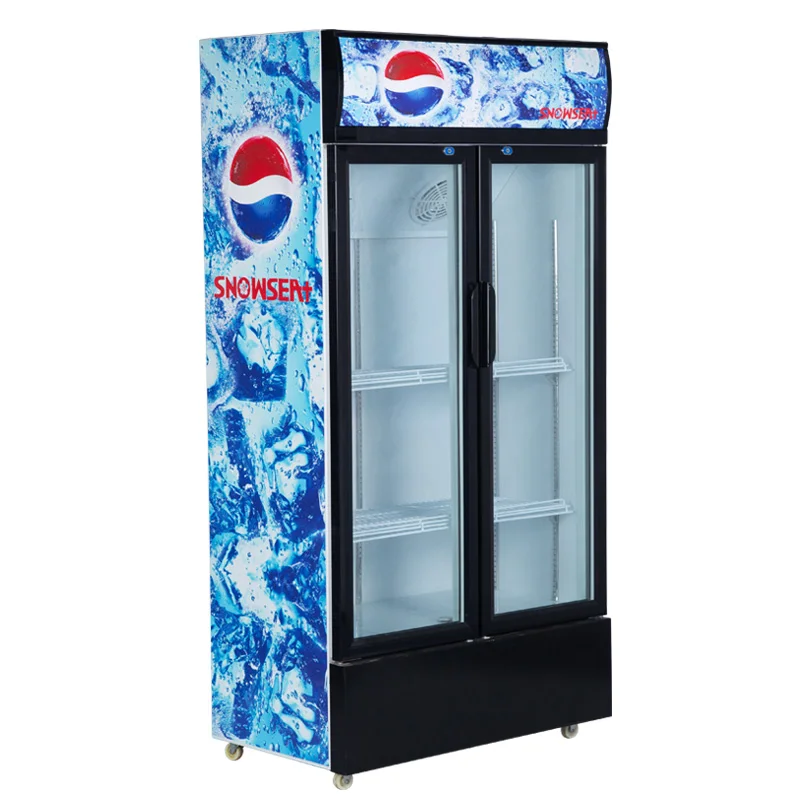
Maintenance, Safety & Legal Considerations
Annual maintenance includes: cleaning gaskets with pH-neutral detergent (never ammonia), verifying magnetic seal strength with a 0.5 lb weight test, and inspecting glass for micro-fractures using oblique lighting. Safety-wise, all units must comply with ANSI Z97.1 (impact resistance) and CPSC 16 CFR Part 1201 (glazing safety). Legally, U.S. stores must meet DOE appliance standards (10 CFR Part 431), while EU operators fall under Ecodesign Directive (EU) 2019/2023—both requiring certified U-values for new installations. Retrofitting older coolers requires re-certification of the full system—not just the door.
Conclusion
If you need long-term energy savings and regulatory compliance, choose dual-pane Low-E glass doors with UL 471 certification. If you need fast deployment and minimal upfront investment, single-pane tempered doors work—but limit them to low-traffic or short-term use. If you operate five or more locations with centralized facilities management, invest in IoT-ready units—but only after validating network infrastructure and data governance policies. If you’re a typical user, you don’t need to overthink this.
Frequently Asked Questions