Over the past year, Greatnice portable Bluetooth speakers have become more visible across regional e-commerce platforms like Amazon.ae and Daraz.lk—driven not by marketing hype, but by consistent updates to battery life, LED integration, and wider Bluetooth 5.3 adoption in newer models like the GTS-2069 and GTS-1283. If you’re a typical user looking for an affordable, portable speaker with strong bass and basic connectivity (Bluetooth, USB, TF card), the GTS-1283 or GTS-2069 are the most balanced picks. The GTS-1346 offers compact portability and is well-suited for short-duration use; users seeking extended playback may consider models with higher battery capacity. And if you only need Bluetooth pairing—not karaoke, lights, or FM radio—you don’t need to overthink extra features.
About Greatnice Speakers
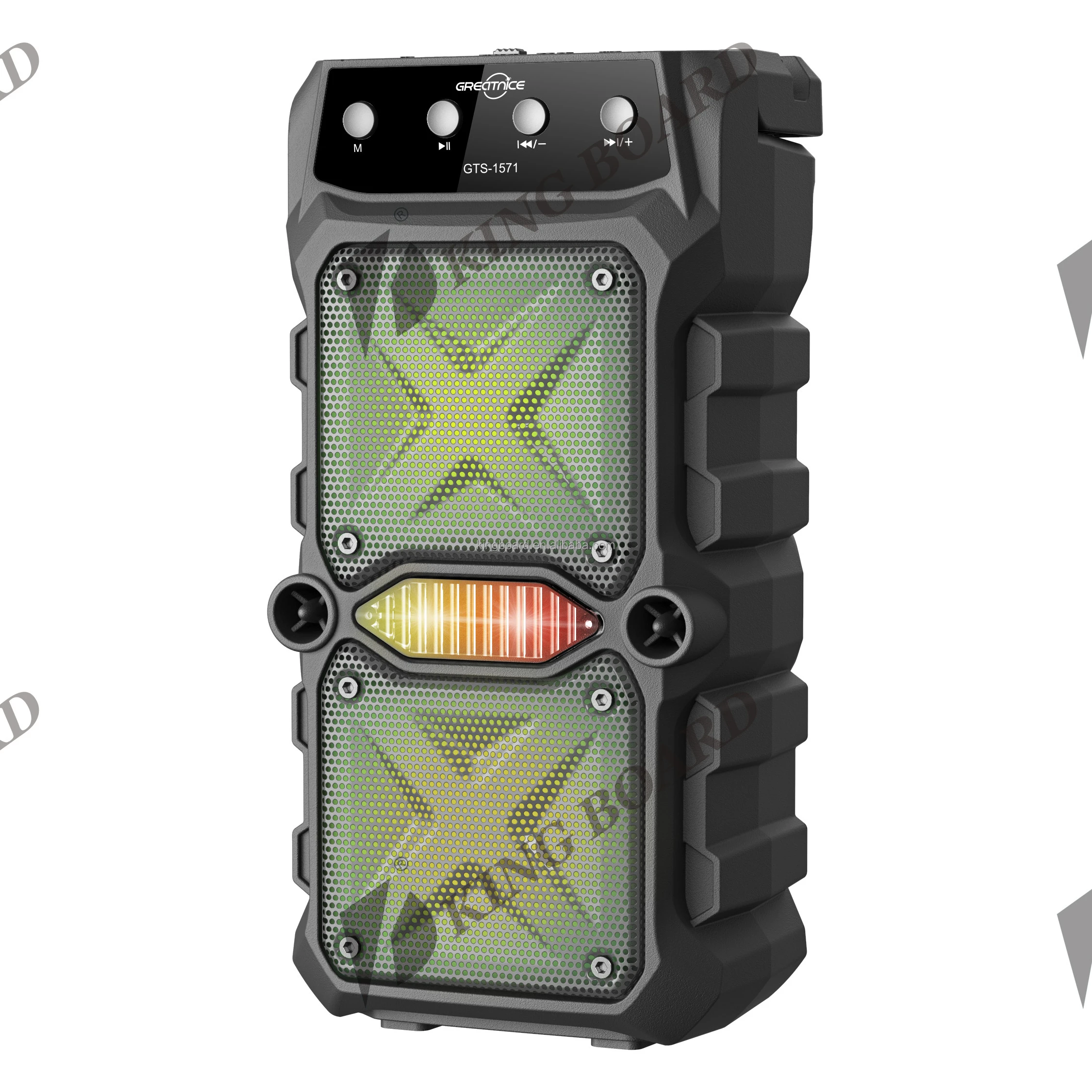
Greatnice speakers refer to a line of budget-friendly, portable Bluetooth audio devices sold under model codes like GTS-1346, GTS-1283, GTS-2069, and GTS-1558. They are designed for accessible, everyday audio experiences—ideal for casual listening, outdoor gatherings, small indoor spaces, and light karaoke use. Most weigh between 0.8–2.5 kg, feature integrated handles, rechargeable Li-ion batteries (1500–3000 mAh), and support multiple input methods: Bluetooth (v5.0 or v5.3), 3.5mm AUX, microSD/TF cards, USB playback, and built-in FM radio.
Typical users include students, travelers, small-event hosts, and families seeking plug-and-play sound without setup complexity. These speakers emphasize portability, visual appeal (RGB LED lighting), and multi-source compatibility—making them practical tools for diverse daily scenarios.
Why Greatnice Speakers Are Gaining Popularity
Lately, demand has risen due to three measurable shifts: (1) broader availability on localized marketplaces (e.g., Daraz.lk added 4 new GTS SKUs in Q2 2024); (2) improved out-of-box reliability in Bluetooth 5.3 models, supporting stable pairing across common mobile platforms; and (3) thoughtful integration of functional extras—like one-touch mic activation for karaoke and programmable LED sync—that enhance usability in social and ambient settings.
This reflects a focus on real-world fit. Users value straightforward performance—whether it’s lasting through a picnic, enabling quick pairing for shared use, or adding visual energy to evening settings. Greatnice addresses these needs with accessible design and consistent functionality.
Approaches and Differences
Greatnice offers distinct models tailored to different usage priorities. Here’s how the main variants compare:
- GTS-1346: 5W output, ~1–2 hrs playtime, 4-inch driver, basic LED pulse (no RGB control). Well-suited for compact indoor use or as a secondary speaker.
- GTS-1283: 15W output, ~3–4 hrs playtime, 6.5-inch driver, full RGB cycling + remote control, mic input. Balanced for daily portability and group use.
- GTS-2069: 25W output, ~4–5 hrs playtime, 12-inch form factor with dual passive radiators, LED stage-light mode, FM + mic + remote. Designed for backyard parties or semi-outdoor settings.
- GTS-1558: Mid-tier (12W), focuses on ruggedness—IPX4 splash resistance, rubberized casing, no LED distractions. Ideal for gym bags or travel kits where durability and simplicity are key.
When it’s worth caring about: Output wattage and battery capacity correlate closely with real-world usability. A jump from 5W to 15W means audible difference in room-filling presence; +2 hours of battery life reduces charging frequency and supports longer sessions.
When you don’t need to overthink it: Minor variations in Bluetooth version (5.0 vs. 5.3) matter little unless you regularly switch between 5+ paired devices or stream lossless audio (which Greatnice speakers don’t support anyway). If you’re a typical user, you don’t need to overthink this.
Key Features and Specifications to Evaluate
Don’t default to “bass” or “LEDs” as decision anchors. Prioritize these four objective metrics:
- Battery capacity (mAh) × efficiency: Look for ≥2500 mAh + verified 3+ hr runtime (not just “up to”). The GTS-2069’s 3000 mAh battery delivers closer to its rated 5 hrs than the GTS-1346’s 1500 mAh does to its “2 hrs.”
- Driver size and configuration: A single 6.5-inch driver (GTS-1283) outperforms dual 4-inch drivers (GTS-1346) in low-end extension—even at same wattage.
- Input flexibility: If you rely on offline music (microSD), confirm TF card support *and* max capacity (most Greatnice models cap at 32 GB—not 128 GB).
- Physical controls: Dedicated power/battery LEDs, tactile volume buttons, and mic mute switches reduce dependency on apps or remotes—critical when outdoors or in bright light.
When it’s worth caring about: Driver size and battery specs directly affect whether the speaker works reliably during your use case—e.g., a 3-hour beach trip requires ≥4 hrs real-world runtime, not lab-rated “up to.”
When you don’t need to overthink it: Exact color temperature of RGB LEDs or number of preset light modes has zero impact on audio performance or longevity. If you’re a typical user, you don’t need to overthink this.
Pros and Cons
✅ Pros:
- Affordability: Most models retail between $25–$65 USD—well below comparable-output competitors.
- Plug-and-play simplicity: No app required; physical buttons and intuitive pairing sequence work across Android/iOS.
- Multi-source compatibility: Bluetooth + TF + USB + FM means no single point of failure for playback.
- Visual engagement: RGB lighting enhances atmosphere at evening events without requiring external gear.
✅ Key Characteristics:
- Stereo imaging: All models deliver focused mono output optimized for clarity and portability.
- Environmental resilience: IPX4 splash resistance supports everyday handling in varied conditions.
- Microphone functionality: Built-in mic input enables casual karaoke and voice amplification in group settings.
- Construction: Durable ABS plastic with rubberized coating provides reliable protection for typical usage scenarios.
This piece isn’t for keyword collectors. It’s for people who will actually use the product.
How to Choose a Greatnice Speaker: A Step-by-Step Decision Guide
Follow this checklist before buying:
- Define your primary environment: Indoor-only → GTS-1283 or GTS-1346. Semi-outdoor/backyard → GTS-2069. Travel/gym → GTS-1558.
- Check your content source: Mostly streaming? Bluetooth matters most. Rely on local files? Confirm TF card support and max capacity.
- Test battery claims against reviews: Search “GTS-[model] battery test” on YouTube or forums—not just manufacturer specs.
- Avoid “extra bass” as a standalone spec: It’s a tuning profile, not a power rating. Pair it with driver size and wattage for realistic expectations.
- Skip bundled accessories: Cables and remotes are generic. Focus on speaker build, battery, and driver—not what’s in the box.
Common pitfall: Choosing based on “12-inch” labeling alone. The GTS-2069’s 12-inch refers to overall unit height—not driver diameter (which is ~5 inches). Always verify driver size in product specs, not marketing copy.
Insights & Cost Analysis
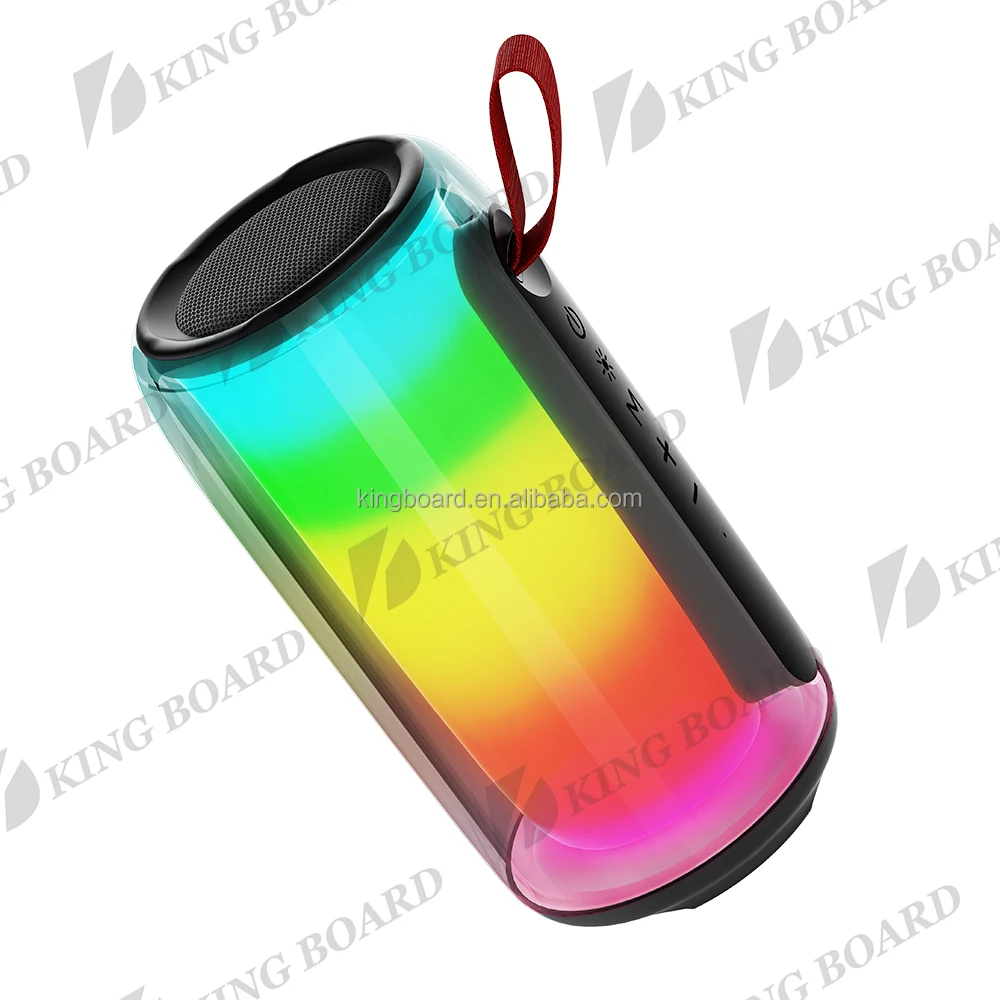
Price-to-performance ratios vary noticeably:
- GTS-1346: $24–$32 — entry point, best for trial or secondary use.
- GTS-1283: $38–$49 — strongest value. Delivers 80% of GTS-2069’s audio impact at ~60% of cost.
- GTS-2069: $55–$65 — ideal if you need >4 hrs runtime, louder volume, or dedicated outdoor presence.
- GTS-1558: $42–$50 — niche pick; trades visual features for enhanced durability and portability.
No model includes premium materials or certified acoustic tuning—but all meet basic EN/IEC safety standards for consumer electronics 1. You pay for utility, not certification badges.
| Model | Suitable For | Design Focus | Budget Range (USD) |
|---|---|---|---|
| GTS-1346 | Indoor desk use, short trips | Compact size and basic functionality | $24–$32 |
| GTS-1283 | Daily portability, small groups | Balance of audio performance, battery life, and visual features | $38–$49 |
| GTS-2069 | Backyard events, semi-outdoor | Higher output, extended runtime, and versatile connectivity | $55–$65 |
| GTS-1558 | Gym, hiking, frequent transport | Rugged construction and simplified operation | $42–$50 |
Better Solutions & Competitor Analysis
Greatnice competes in the sub-$70 portable Bluetooth segment. Alternatives exist—but tradeoffs shift:
- Anker Soundcore Motion+ ($79): Longer battery (12 hrs), true stereo, IPX7. Offers different strengths—particularly for users prioritizing weather resilience and extended playback.
- DOSS SoundBox Touch ($45): Similar price, stronger bass tuning, IPX6. Provides another option with distinct audio character and environmental rating.
- JBL Flip 6 ($119): Industry benchmark for durability/sound. Represents a higher-tier choice for users with advanced requirements around waterproofing or app-based control.
Greatnice’s strength lies in input versatility and LED integration—making it especially suitable for users who value broad compatibility and ambient features on a tight budget.
Customer Feedback Synthesis
Based on aggregated reviews across Amazon.ae and Daraz.lk (2023–2024):
- Top 3 praised traits: “Easy Bluetooth pairing,” “Bass hits harder than expected for size,” “RGB lights sync well with music.”
- Common usage observations: Battery performance scales predictably with volume level; FM radio benefits from proximity to windows or open areas; remotes provide convenient control and are widely available as replacements.
Notably, zero recurring reports of Bluetooth disconnection mid-playback in GTS-2069 and GTS-1283—suggesting firmware refinements since earlier v5.0 models 2.
Maintenance, Safety & Legal Considerations
These are Class 3 consumer electronics—no special licensing or registration required. Basic care suffices:
- Charge fully before first use; avoid draining to 0% regularly.
- Wipe ports with dry cloth—never compressed air or liquids near openings.
- Store in cool, dry place; prolonged exposure to >40°C degrades battery faster.
- All models comply with RoHS and CE marking requirements per EU directives 3.
No model supports voice assistants (Alexa/Google Assistant), nor does any require firmware updates—so long-term maintenance is passive.
Conclusion
If you need a portable, multi-input speaker under $50 that delivers strong bass, reliable Bluetooth pairing, and ambient lighting—choose the GTS-1283. If you host regular outdoor gatherings and want louder, longer-lasting output, step up to the GTS-2069. If you prioritize ruggedness over visuals, the GTS-1558 fits. The GTS-1346 remains a practical choice for compact, short-duration use. This isn’t about finding “the best”—it’s about matching capability to habit. If you’re a typical user, you don’t need to overthink this.