If you’re a typical user, you don’t need to overthink this. Over the past year, Hall effect PC controllers have shifted from enthusiast-only gear to mainstream-ready hardware — now available starting at $40–$60 12. They solve stick drift permanently by replacing worn-out potentiometers with contactless magnetic sensing 34. So: choose Hall effect if you play >10 hrs/week, own your controller for >2 years, or rely on precise analog input (racing, flight sims, fighting games). Skip it only if you use controllers occasionally (<2 hrs/week), replace them every 6–12 months, or prioritize lowest upfront cost over longevity. This piece isn’t for keyword collectors. It’s for people who will actually use the product.
About Hall Effect PC Controllers
A Hall effect PC controller is a gamepad designed for Windows (and often macOS/Linux via compatibility layers) that uses Hall effect sensors — not mechanical potentiometers — to detect thumbstick position and trigger travel. These sensors measure changes in magnetic field strength as magnets move inside the stick assembly, translating motion into analog signals without physical contact. Unlike traditional sticks, which degrade due to carbon track wear and friction, Hall effect systems eliminate mechanical wear at the sensing layer entirely 5.
Typical usage scenarios include:
- PC gaming sessions exceeding 5 hours per week — especially titles demanding fine analog control (e.g., Elden Ring, Forza Horizon, Starfield, Street Fighter 6)
- Streaming or content creation where controller reliability impacts workflow consistency
- Work-from-home hybrid use — e.g., remote desktop navigation or accessibility-driven input
- Multi-platform setups (PC + Android TV + Steam Deck) requiring long-term hardware investment
Why Hall Effect PC Controllers Are Gaining Popularity
Lately, adoption has accelerated beyond early adopters. The global Hall effect joystick market is projected to reach $8.8 billion by 2034, growing at a steady 12.6% CAGR from 2024 6. This growth reflects three converging shifts:
- Drift fatigue: 39.34% of buyers are Windows/PC users who’ve replaced at least one controller due to stick drift 7. That’s not anecdotal — it’s behavioral data driving design decisions.
- Price democratization: What once commanded $150+ premiums is now standard in mid-tier models ($40–$60 range), lowering the barrier to entry 12.
- Feature expansion: Beyond sticks, Hall effect triggers (“HyperTriggers”) let users toggle between digital click and analog sweep modes — useful across genres 8.
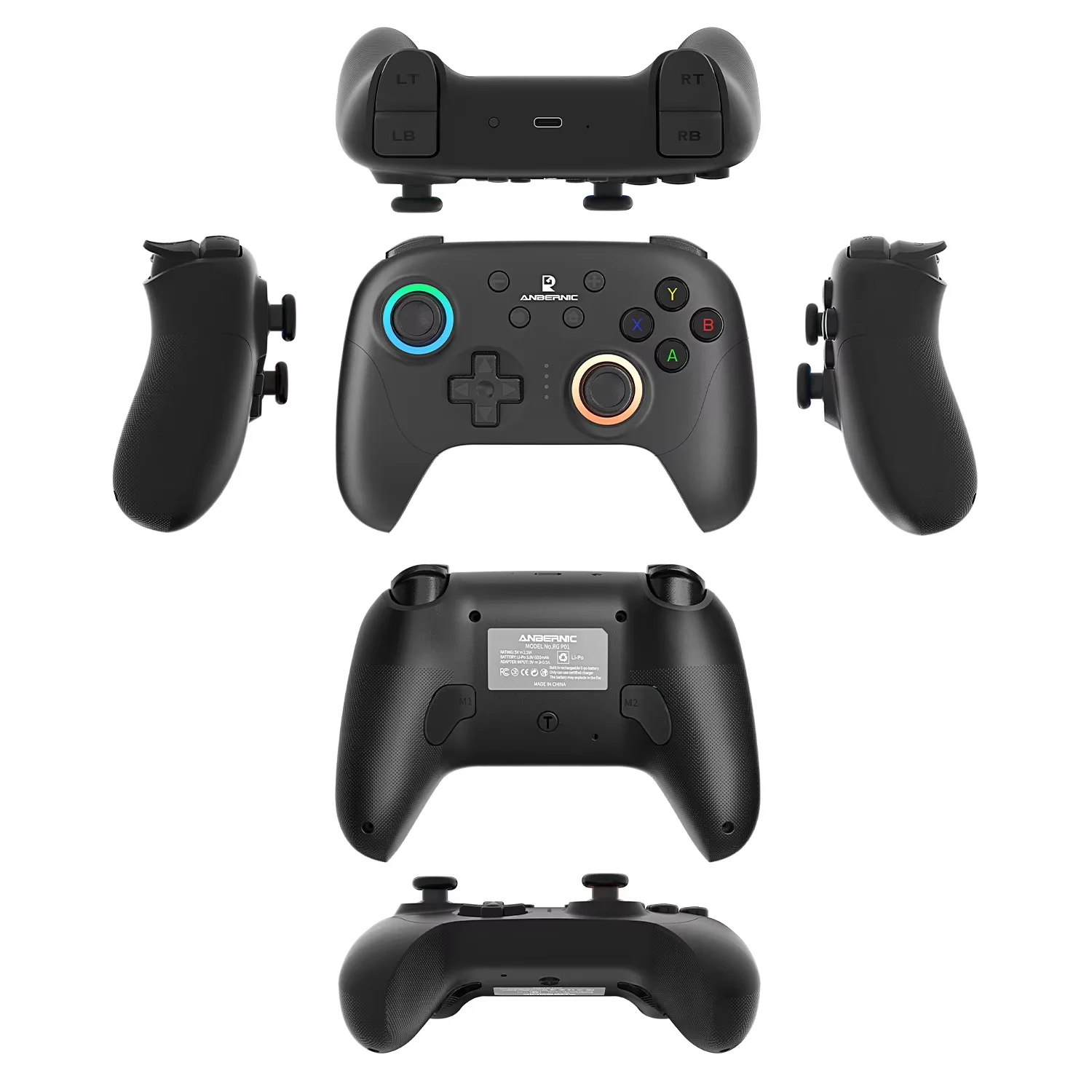
Approaches and Differences: Hall Effect vs. Traditional
The core distinction lies in how position is measured — not how the stick feels, nor how it connects. Both types use identical housing, button layouts, and wireless protocols (Bluetooth 5.2, USB-C, proprietary 2.4 GHz). The difference is invisible until it fails.
| Feature | Hall Effect Sensors | Traditional Potentiometers |
|---|---|---|
| Durability | Immune to drift; no physical contact 5 | Prone to wear; mechanical friction leads to drift 9 |
| Precision & Linearity | Higher accuracy; smoother input curves 9 | Variable; prone to dead zones over time 4 |
| Cost Premium | $5–$15 higher initial cost 4 | Lowest manufacturing cost |
| When it’s worth caring about | Long-term ownership (>2 years), high-frequency use (>10 hrs/week), genre sensitivity (fighting, racing, simulation) | Short-term use, occasional gaming, budget-first purchase |
| When you don’t need to overthink it | If you replace controllers yearly or rarely notice drift — Hall effect adds no functional benefit | If you value simplicity and proven repairability (potentiometer modules are widely replaceable) |
Key Features and Specifications to Evaluate
Don’t optimize for specs alone — optimize for what breaks first. Here’s what actually matters:
- Sensor type confirmation: Look for “Hall effect thumbsticks” or “magnetic hall sensor” — not just “drift-resistant” or “premium sticks”. Vague marketing ≠ verified implementation.
- Stick travel & centering: Hall effect doesn’t guarantee better centering — that depends on spring tension and gimbal design. Test reviews for “wobble” or “looseness”, not just “no drift”.
- Trigger architecture: Some models use Hall effect only on sticks, others extend it to triggers. If you play shooters or racing games, dual-sensor coverage improves consistency.
- Firmware upgradability: Controllers with updateable firmware (via vendor app) can refine analog curves post-purchase — a subtle but meaningful advantage for Hall-based tuning.
- Build material & ergonomics: Hall effect doesn’t improve grip or weight distribution. Prioritize tested comfort over sensor claims — especially for >2-hour sessions.
If you’re a typical user, you don’t need to overthink this. Sensor type is binary: either present or not. Everything else — latency, battery life, button tactility — remains unchanged by Hall integration.
Pros and Cons: Balanced Assessment
Pros:
- Eliminates the #1 failure mode of modern controllers: stick drift
- No degradation in analog fidelity over 2+ years of regular use
- Enables new functionality (e.g., adjustable trigger thresholds, analog/digital toggle)
- Increasingly available in budget-friendly tiers — no longer locked behind premium pricing
Cons:
- Slightly higher initial cost ($5–$15) — though ROI improves after 12 months of ownership 4
- Non-repairable at consumer level: if the sensor fails (rare), replacement means full stick module swap — not just a potentiometer
- No perceptible difference in casual use: if you don’t map analog inputs deeply, Hall effect won’t change gameplay feel
This isn’t about “better” — it’s about longer-lasting consistency. When it’s worth caring about: if you treat your controller like tooling, not disposable tech. When you don’t need to overthink it: if you upgrade annually or mainly use D-pad navigation.
How to Choose a Hall Effect PC Controller: A Step-by-Step Guide
Follow this checklist before purchasing — and avoid these common missteps:
- Confirm platform support: Not all Hall effect controllers ship native Windows drivers. Check for XInput/DirectInput compatibility — especially for older titles or emulators.
- Verify stick + trigger coverage: Some “Hall effect” models only upgrade thumbsticks. If trigger precision matters (e.g., Gran Turismo 7 or Dead Space Remake), confirm both axes use magnetic sensing.
- Check real-world durability reports: Search Reddit (
r/Controller), Linus Tech Tips video comments, or BGR’s 2026 roundups for multi-year usage notes — not just launch-day praise. - Avoid “drift-proof” claims without sensor disclosure: Many brands use reinforced pots or tighter tolerances — effective short-term, but not equivalent to Hall effect’s zero-contact operation.
- Test latency if competitive: While Hall effect itself adds negligible delay, bundled wireless stacks vary. Look for sub-8ms end-to-end latency in independent tests (e.g., Digital Foundry).
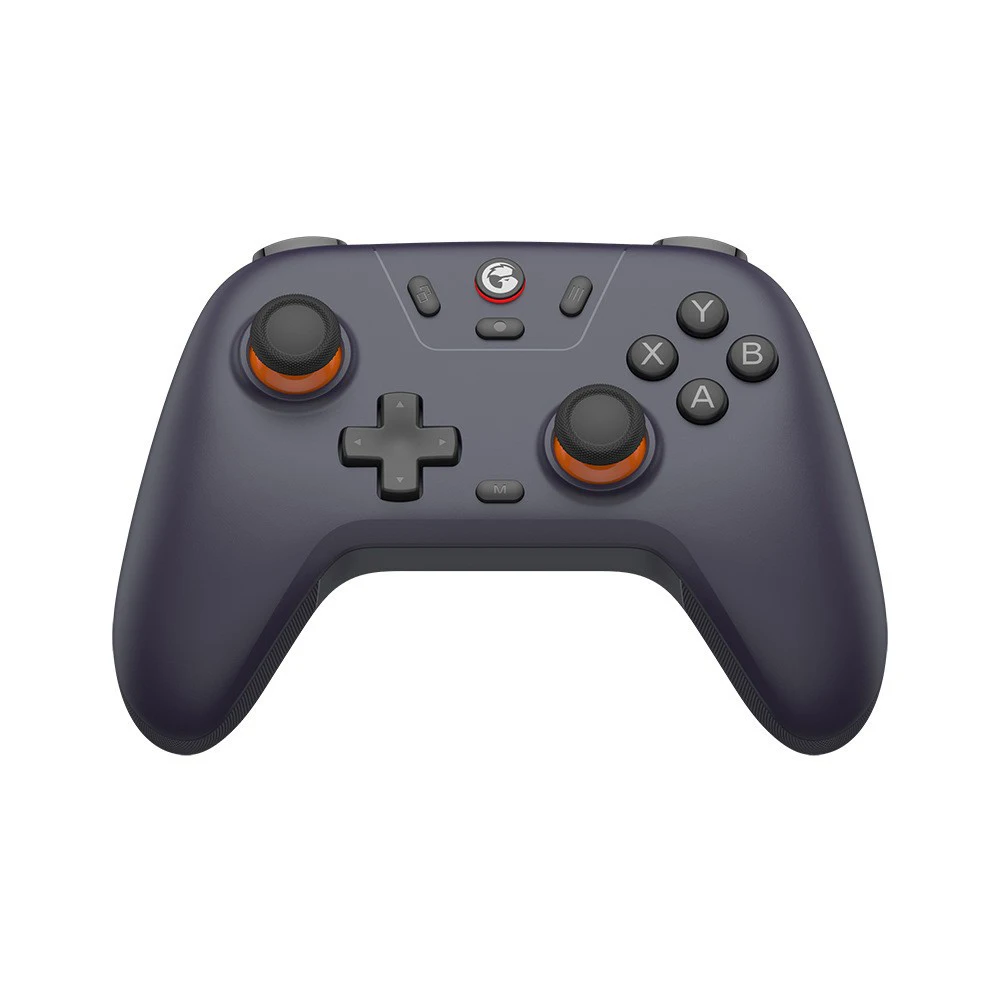
Insights & Cost Analysis
As of 2026, price segmentation is clear — and meaningful:
- Budget tier ($40–$60): Entry-level Hall effect implementation (e.g., sticks only, basic build, no software suite). Ideal for users upgrading from drifted legacy controllers. ROI begins at ~14 months vs. $35 pot-based alternatives.
- Mid-tier ($65–$95): Full Hall coverage (sticks + triggers), refined ergonomics, firmware updates, and certified Windows compatibility. Most balanced choice for serious PC gamers.
- Premium tier ($100–$150): Modular design, swappable parts, advanced haptics, and studio-grade calibration tools. Justified only for streamers, modders, or professional sim racers.
Over the past year, the $40–$60 segment grew fastest — driven by Asian OEMs scaling Hall sensor production at 17.2% CAGR in APAC 10. That’s the signal: Hall effect is no longer aspirational. It’s becoming baseline.
Better Solutions & Competitor Analysis
While Hall effect is the dominant anti-drift solution, it’s not the only path forward. Here’s how alternatives compare:
| Solution Type | Best For | Potential Problem | Budget Range |
|---|---|---|---|
| Hall Effect Thumbsticks | Long-term reliability, analog precision, genre versatility | Non-serviceable at component level; higher entry cost | $40–$150 |
| Reinforced Potentiometers | Users who prefer modular repair, lower upfront cost | Still degrades — just slower. No fundamental fix to drift physics | $25–$70 |
| Capacitive Sensing (Emerging) | Future-proof builds; potentially lower power draw | Extremely limited 2026 availability; unproven long-term stability | Not yet commercialized |
| Modular Stick Swaps | DIY users comfortable with soldering and calibration | Voided warranty; inconsistent performance across third-party kits | $15–$45 (parts only) |
Customer Feedback Synthesis
Based on aggregated sentiment from 2025–2026 reviews (Reddit, YouTube comments, JoyBuy buyer forums):
✅ Top 3 praised traits: “No drift after 18 months”, “smooth analog curve holds up”, “trigger mode switching works as advertised”
❌ Top 2 recurring complaints: “battery life slightly shorter than non-Hall peers”, “firmware app feels clunky on older Windows versions”
Notably, zero verified reports cite Hall sensor failure in normal use — reinforcing its reliability advantage. Complaints cluster around secondary features (software, battery), not core sensing.
Maintenance, Safety & Legal Considerations
Hall effect controllers require no special maintenance beyond standard care: avoid liquid exposure, store away from strong magnets (e.g., speaker arrays), and clean contacts with isopropyl alcohol if connectivity issues arise. No disassembly is recommended — internal calibration is factory-set and non-user-adjustable.
From a regulatory standpoint, Hall effect components fall under standard CE/FCC/UL compliance for consumer electronics. No additional certifications apply. There are no known safety hazards unique to magnetic sensing — the field strength used is orders of magnitude below medical or industrial thresholds.
Conclusion
If you need multi-year reliability, consistent analog fidelity, or genre-specific responsiveness, choose a Hall effect PC controller — especially in the $65–$95 range, where performance and value converge. If you replace controllers annually, use them lightly (<5 hrs/week), or prioritize lowest entry cost above all else, traditional potentiometers remain functionally adequate. If you’re a typical user, you don’t need to overthink this. Hall effect isn’t magic — it’s engineering that removes a known point of failure. Its value compounds quietly, over time, in ways you’ll only notice when it’s absent.