If you’re a typical user, you don’t need to overthink this. Over the past year, HD IPTV server solutions for Europe have matured significantly—not in marketing claims, but in measurable stability, wider regional channel coverage (especially for UK, Germany, France, and Netherlands), and improved Android TV/Apple TV compatibility. What’s changed? More providers now offer native Xtream Codes API integration, reducing buffering on mid-tier hardware—and legal clarity has sharpened: using an IPTV service is legal; sourcing content without rights remains illegal 1. For most users in Europe, a well-configured HD IPTV server subscription with 720p–1080p output, EPG support, and multi-device login is sufficient. Skip 4K-only plans unless you own a certified 4K display and stable fiber connection—most ‘4K’ feeds are upscaled or inconsistently delivered 2. This piece isn’t for keyword collectors. It’s for people who will actually use the product.
About HD IPTV Server Europe
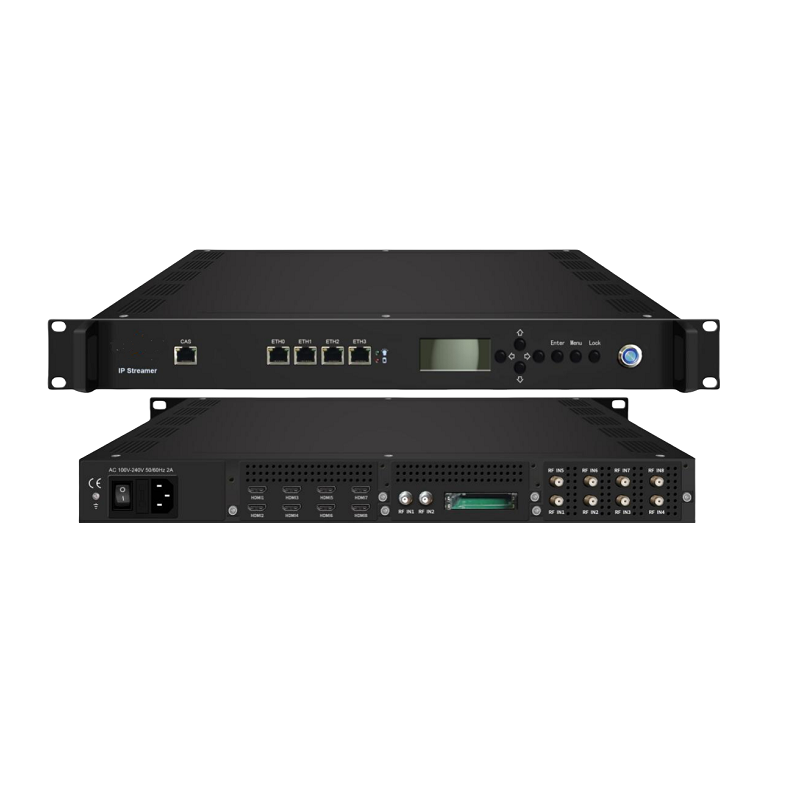
An HD IPTV server Europe refers to a backend infrastructure—often cloud-hosted or self-managed—that delivers live television and video-on-demand (VOD) content over IP networks to end-user devices across European countries. Unlike traditional satellite or cable, it relies on internet connectivity and standardized protocols like HLS or MPEG-DASH. Typical use cases include expatriates accessing home-country channels (e.g., Dutch RTL, French TF1, German ARD), bilingual households needing multilingual EPGs, and cord-cutters seeking cost-efficient alternatives to bundled subscriptions. The ‘Europe’ qualifier matters: latency, geo-restricted licensing, and local CDN optimization directly impact stream startup time and buffer resilience. A server optimized for Frankfurt or Amsterdam will outperform one routed through Singapore—even if both advertise “HD.”
Why HD IPTV Server Europe Is Gaining Popularity
Lately, demand has risen—not because of novelty, but necessity. Rising subscription fatigue, fragmented national streaming laws, and inconsistent availability of global sports (e.g., UEFA Champions League, F1) on mainstream platforms drive adoption. Users aren’t chasing ‘more channels’; they’re seeking reliable access to specific content: regional news, niche language programming, or uninterrupted live events. Also, hardware costs have dropped: Android TV boxes under €50 now handle 1080p streams smoothly, lowering the barrier to entry. Crucially, awareness has shifted: more users now distinguish between legally licensed services (like some EU-compliant resellers offering Sky Go-style authentication) and unlicensed aggregators—a distinction that directly affects long-term stability and support responsiveness 3.
Approaches and Differences
Three primary models dominate the market:
- Reseller-subscription model: You buy access to a shared, managed server (e.g., Xtreme HD IPTV, DYNOLIVE). Pros: low setup effort, automatic updates, customer support. Cons: less control over server location or codec tuning; uptime depends on provider infrastructure.
- Self-hosted M3U + Xtream Codes panel: You rent a VPS in Europe (e.g., Hetzner Frankfurt), install middleware like Stalker Portal or Xtream Editor, and load third-party playlists. Pros: full control, customizable EPG, no recurring vendor lock-in. Cons: requires Linux familiarity; troubleshooting falls entirely on you.
- Hardware-integrated solution: Preloaded Android boxes or set-top units sold with bundled IPTV access (common on Alibaba or Global Sources). Pros: plug-and-play simplicity. Cons: firmware often outdated; limited upgrade paths; security audits rare.
If you’re a typical user, you don’t need to overthink this. For first-time adopters or non-technical users, the reseller-subscription model offers the strongest balance of reliability and accessibility. Self-hosting makes sense only if you manage multiple devices or require strict data residency (e.g., GDPR-aligned logging). Hardware bundles rarely justify their premium—most lack transparent update policies or post-purchase support.
Key Features and Specifications to Evaluate
Not all HD IPTV servers deliver equal performance. Prioritize these five measurable criteria:
- Stream resolution consistency: Verify whether ‘HD’ means sustained 720p/1080p or intermittent upscaling. Ask for sample M3U links or trial periods—not screenshots.
- EPG accuracy & refresh rate: Does the electronic program guide sync within 15 minutes of broadcast changes? Inaccurate EPGs break recording workflows and cause missed starts.
- Server location & peering: Prefer providers with POPs in at least two EU countries (e.g., DE + NL). Avoid those routing traffic via Turkey or Russia—latency spikes increase buffering.
- Device compatibility matrix: Confirm support for your exact setup: Android TV 11+, iOS 16+ (for native apps), Fire Stick 4K Max, or Apple TV 4K (2nd gen+). Don’t assume ‘works on Android’ covers all versions.
- Authentication method: Token-based logins (e.g., MAC binding or device ID) are more secure than username/password alone—and prevent unauthorized sharing.
When it’s worth caring about: If you rely on DVR functionality or schedule recordings, EPG freshness and stream sync matter critically. When you don’t need to overthink it: Minor UI differences between player apps (Tivimate vs. Smarters) rarely affect core playback quality—focus on backend stability instead.
Pros and Cons
Pros:
- Cost-effective access to geographically restricted linear TV and VOD libraries
- No long-term contracts—most subscriptions run monthly or 6–12 months
- Scalable across devices: smartphones, tablets, smart TVs, and set-top boxes
Cons:
- No universal SLA: ‘99.9% uptime’ claims are rarely audited or enforced
- VOD libraries vary widely—some offer 10,000+ titles but with outdated metadata or missing subtitles
- Legal gray zones persist around third-party playlist sources, even when the delivery platform is neutral
Best suited for: Expats, multilingual families, and tech-literate viewers prioritizing channel breadth over premium UX polish. Less suitable for users expecting Netflix-level recommendation engines, zero-buffer playback on 4G mobile, or guaranteed archival of live content beyond 72 hours.
How to Choose an HD IPTV Server Europe Solution
Follow this 5-step decision checklist:
- Define your non-negotiables: List 3–5 must-have channels (e.g., BBC One, RTL 4, RAI 1) and verify live availability—not just VOD presence.
- Test latency & startup time: Use a speed test tool (e.g., iPerf3) from your network to the provider’s advertised server IP—if ping exceeds 35ms (EU-to-EU), expect higher buffering risk.
- Check trial terms: Legitimate providers offer ≥24-hour trials with full feature access—not just ‘demo accounts’ locked to 5 channels.
- Avoid auto-renew traps: Look for clear cancellation instructions in the T&Cs. Providers requiring email-only opt-outs often delay processing by 72+ hours.
- Verify EPG source: Ask whether the EPG is generated in-house or pulled from third parties like Xmltv or WebGrab+. Self-sourced EPGs tend to be more accurate for local broadcasts.
This piece isn’t for keyword collectors. It’s for people who will actually use the product.
Insights & Cost Analysis
Pricing varies less by features and more by geography and support depth:
- Basic HD packages (1,500–3,000 channels): €12–€18/month or €65–€95/year
- Premium tiers (HD + VOD library + multi-screen): €22–€35/month
- Self-hosted VPS + software license: €5–€12/month (plus ~2 hours setup time)
The sweet spot for most users remains the €15–€25/month range—enough for robust HD streaming, responsive support, and regular playlist updates. Avoid sub-€10 offers: they often rely on overloaded servers or recycled playlists with dead links.
| Category | Best for Advantage | Potential Problem | Budget Range (Annual) |
|---|---|---|---|
| Reseller Subscription | Beginners, expats needing quick setup | Vendor-dependent uptime; limited customization | €70–€120 |
| Self-Hosted VPS | Tech-savvy users, privacy-focused setups | Steeper learning curve; no official support | €60–€140 |
| Preloaded Hardware | Non-technical users wanting plug-and-play | Firmware bloat; hard to audit security | €90–€220 |
Better Solutions & Competitor Analysis
‘Better’ depends on your priority axis:
- For stability: Providers using dedicated EU-based CDNs (e.g., Cloudflare Stream or Fastly) show measurably lower jitter than those relying on generic OVH or Contabo instances.
- For channel depth: Services integrating official broadcaster APIs (where available) maintain cleaner metadata and fewer blackouts during rights transitions.
- For future-proofing: Look for support of HEVC (H.265) encoding—cuts bandwidth needs by ~40% vs. H.264 at same visual quality, critical for rural or capped connections.
Customer Feedback Synthesis
Based on forum threads (Reddit r/IPTV, Unipark Forum, Dyno IPTV blog comments) and review aggregations:
- Top praise: “Consistent HD during live football,” “EPG matches broadcast timing within 2 minutes,” “Works flawlessly on Fire Stick 4K Max after initial setup.”
- Top complaint: “Trial ended abruptly without warning,” “VOD search returns irrelevant results,” “No way to export watched history across devices.”
Notably, complaints about ‘channels disappearing’ almost always correlate with users skipping EPG refresh steps or using outdated player versions—not server-side failures.
Maintenance, Safety & Legal Considerations
Maintenance is minimal for reseller users: ensure your player app stays updated and reboot your box weekly to clear memory leaks. For self-hosted setups, apply OS patches monthly and audit playlist sources quarterly. Safety-wise, avoid APKs from unofficial forums—stick to F-Droid or verified GitHub repos for open-source players. Legally, remember: the service itself isn’t illegal; distributing or knowingly accessing unlicensed content is. Reputable providers avoid promoting pirated streams and clearly state their content sourcing policy 1. If a provider refuses to disclose basic infrastructure details (e.g., hosting region, average uptime), treat that as a red flag—not a mystery to solve.
Conclusion
If you need reliable HD access to European linear TV and VOD without technical overhead, choose a reseller-subscription service with verifiable EU server locations, responsive trial support, and transparent EPG sourcing. If you value control, privacy, and long-term cost savings—and have basic CLI familiarity—self-hosting delivers superior ROI after the first year. If you’re buying hardware, prioritize units with official Android TV certification over ‘IPTV-ready’ labels. If you’re a typical user, you don’t need to overthink this. Focus on consistent playback, not channel count. Prioritize EPG accuracy over UI flash. And never pay for annual billing unless you’ve validated stability across at least two peak viewing windows (e.g., weekday evenings and weekend sports).