If you’re deploying sensors across farmland, managing remote industrial assets, or connecting off-grid sites — skip the Wi-Fi router confusion. A true long range modem isn’t about boosting home Wi-Fi. It’s about reliable, low-bandwidth, low-power connectivity over kilometers — not meters. Over the past year, hybrid modems (satellite + LTE/NB-IoT) have moved from niche to mainstream, driven by standardized 3GPP Release 17 NTN integration and government-led infrastructure rollouts in India and China1. For most users, LoRa or NB-IoT modems with 8km+ outdoor range solve >90% of rural and industrial use cases — and cost under $50 per unit2. If you’re a typical user, you don’t need to overthink this.
About Long Range Modems: Definition & Typical Use Cases
A long range modem is a communication device engineered for extended wireless coverage — typically 1 km to hundreds of kilometers — using licensed or unlicensed spectrum, low-power protocols, or satellite links. Unlike consumer Wi-Fi routers (which prioritize speed and local density), long range modems prioritize link budget, energy efficiency, and protocol resilience over distance and interference.
Common scenarios include:
- 🌾 Agricultural monitoring: Soil moisture, tank levels, and weather stations spread across 50+ acre farms;
- 🏭 Industrial telemetry: Remote pump status, valve position, or temperature readings from oil wells, water treatment plants, or rail infrastructure;
- 🚚 Fleet & logistics tracking: Asset location and condition reporting where cellular coverage drops (e.g., rural highways, maritime corridors);
- 📡 Smart city infrastructure: Waste bin fill-level sensors, streetlight diagnostics, or parking occupancy across municipal zones.
These aren’t ‘better Wi-Fi’ devices. They’re purpose-built for sparse, asynchronous, low-data applications — often transmitting just a few bytes every 15 minutes. If your use case involves streaming video or hosting web servers, a long range modem is the wrong tool.
Why Long Range Modems Are Gaining Popularity
Lately, three converging forces have accelerated adoption:
- Hybrid network convergence: Modern modems now support automatic failover between LTE, NB-IoT, and satellite — managed via software-defined orchestration rather than manual configuration1. This reduces reliance on single-network vendors and improves uptime without adding hardware complexity.
- Regulatory and infrastructural tailwinds: India’s BharatNet Phase III and China’s “Digital Village” initiative are driving bulk procurement of ruggedized LoRa and NB-IoT gateways — lowering unit costs and improving supply chain maturity2.
- Hardware democratization: iSIM integration has shrunk BOM costs and simplified certification — making certified industrial-grade modems accessible below $30 for high-volume buyers2. That price point makes pilot deployments financially trivial.
This piece isn’t for keyword collectors. It’s for people who will actually use the product.
Approaches and Differences: LoRa, NB-IoT, Satellite & Hybrid
There are four dominant architectures — each solving distinct problems. None is universally superior. The right choice depends on data volume, mobility, power constraints, and geographic scope.
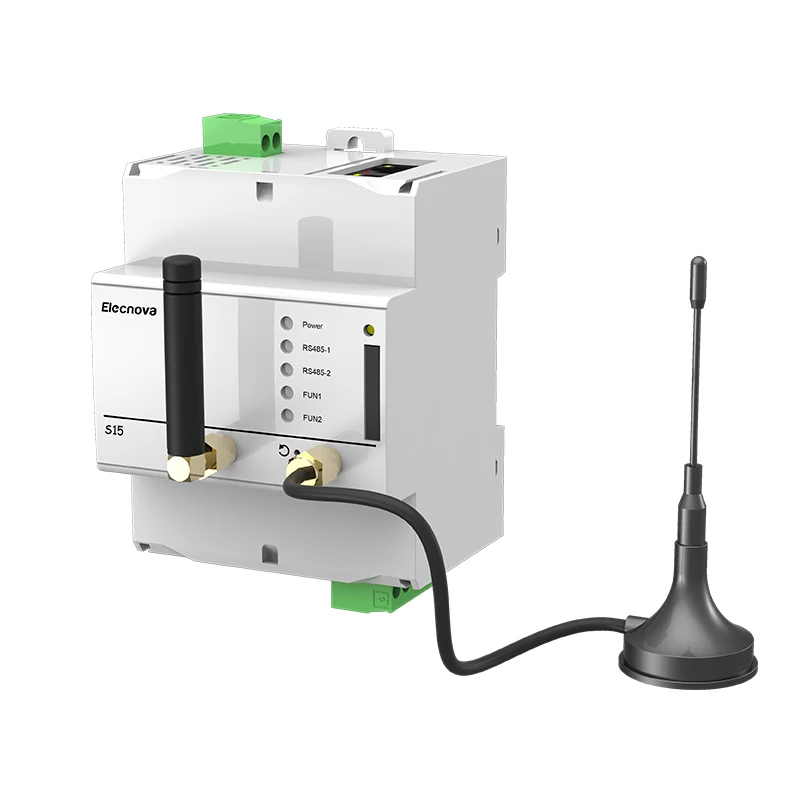
- LoRa (Long Range): Unlicensed sub-GHz band (e.g., 868 MHz EU / 915 MHz US). Uses chirp spread spectrum for exceptional sensitivity (-148 dBm). Best for fixed, battery-powered sensors sending small payloads (< 50 bytes) every 10–60 min. Range: up to 15 km line-of-sight; ~3–5 km urban. When it’s worth caring about: You control both endpoints and gateway, need ultra-low power, and operate in areas with no cellular coverage. When you don’t need to overthink it: If your site has strong LTE/NB-IoT signal and you’re only connecting 5–10 devices — LoRa adds unnecessary complexity.
- NB-IoT (Narrowband IoT): Licensed cellular spectrum (LTE bands). Runs on existing mobile operator infrastructure. Offers better indoor penetration than LoRa and tighter security (SIM-based auth). Range similar to LTE-M (~10 km rural), but with deeper building penetration. When it’s worth caring about: You require carrier-grade SLAs, need mobility (e.g., moving assets), or must comply with enterprise security policies. When you don’t need to overthink it: If your deployment is entirely static and offline — NB-IoT’s subscription fees and SIM lifecycle overhead may not justify its benefits.
- Satellite modems (e.g., Starlink Mini, Iridium Certus): Provide global coverage regardless of terrestrial infrastructure. Ideal for maritime, aviation, or extreme remote sites (deserts, mountains). Latency: 500–2000 ms; throughput: 1–10 Mbps (Starlink Mini) vs. <100 kbps (legacy LEO). When it’s worth caring about: Your asset moves across national borders or operates beyond 3G/4G reach — and downtime is unacceptable. When you don’t need to overthink it: If your site has even marginal LTE coverage, satellite is overkill — and monthly service fees ($60–$150) quickly eclipse hardware cost.
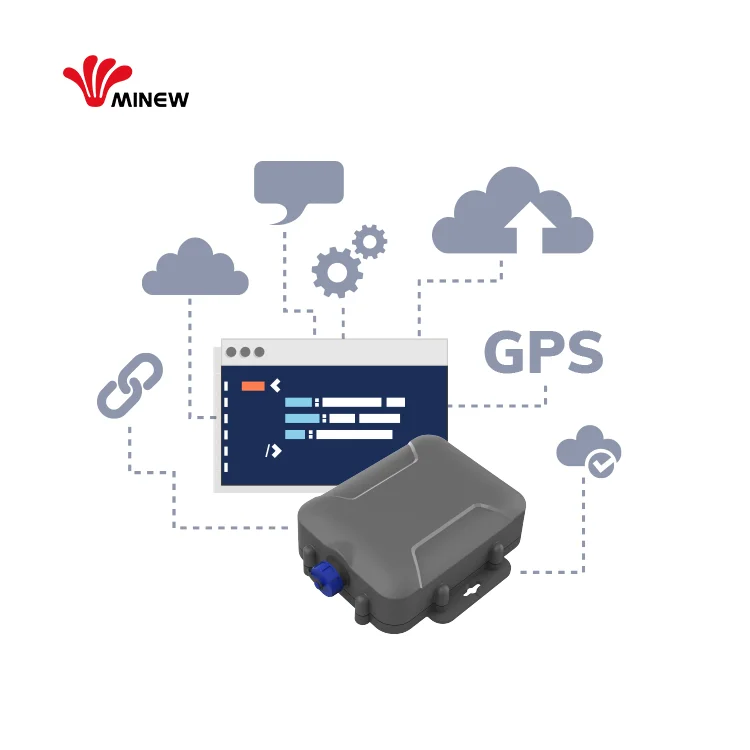
- Hybrid modems: Combine two or more radios (e.g., NB-IoT + LoRa + GNSS) in one enclosure, with intelligent firmware that selects the optimal link based on signal strength, cost, and payload. Emerging standard in 2026 due to 3GPP Release 17 NTN specs1. When it’s worth caring about: You manage heterogeneous assets across mixed coverage zones and want unified management. When you don’t need to overthink it: If all your devices sit within one consistent coverage type — hybrid adds cost and firmware surface area without ROI.
Key Features and Specifications to Evaluate
Don’t default to “range” alone. Real-world performance hinges on five measurable attributes:
- Link budget (dB): Difference between transmit power and receiver sensitivity. Higher = better penetration through walls/foliage. LoRa often exceeds 160 dB; NB-IoT ~140–145 dB.
- Power consumption (μA sleep / mA active): Critical for battery life. LoRa modules can sleep at 0.2 μA; NB-IoT typically 5–20 μA. A 2,000 mAh battery lasts ~10 years on LoRa (1 message/hour), ~2–3 years on NB-IoT.
- Protocol stack support: Does it support standardized MAC layers (e.g., LoRaWAN 1.0.4, 3GPP Rel-14 NB-IoT)? Avoid proprietary stacks unless vendor lock-in is intentional.
- Ruggedness rating: IP67/IP68 ingress protection and operating temp range (-35°C to +75°C) matter for outdoor/industrial use — not just marketing claims.
- Management interface: Local AT command set? Cloud API? Open-source firmware? Avoid devices requiring mandatory SaaS subscriptions for basic configuration — they inflate TCO2.
Pros and Cons: Balanced Assessment
| Solution Type | Key Advantages | Key Limitations | Best For |
|---|---|---|---|
| LoRa | Lowest power, highest sensitivity, no subscription, open ecosystem | No native mobility, limited uplink bandwidth, requires private gateway | Fixed agricultural, environmental, and municipal sensor networks |
| NB-IoT | Carrier-grade reliability, built-in security, seamless roaming, deep indoor coverage | Recurring SIM/data fees, higher power draw, less flexible deployment model | Mobile assets, regulated industries (utilities, transport), secure enterprise rollouts |
| Satellite | Truly global coverage, independent of ground infrastructure | High latency, steep subscription costs, larger form factor, weather-sensitive | Maritime vessels, expeditionary equipment, emergency backup for critical infrastructure |
| Hybrid | Future-proof architecture, automatic failover, unified dashboard | Higher upfront cost, firmware complexity, limited field validation outside Tier-1 OEMs | Large-scale industrial deployments spanning multiple coverage zones |
How to Choose a Long Range Modem: Decision Checklist
Follow this sequence — skipping steps leads to costly rework:
- Map your coverage reality: Use tools like carrier coverage maps or drive-test with an LTE/NB-IoT dongle. Don’t assume ‘rural’ means ‘no signal’. If LTE/NB-IoT works reliably, start there.
- Define data profile: Payload size (bytes), frequency (per hour/day), and direction (uplink-only? bidirectional?). If >95% of traffic is uplink <50 bytes every 30 min → LoRa or NB-IoT. If bidirectional + >10 kB/hour → reconsider if long range modem is appropriate at all.
- Assess power autonomy: Battery-only? Mains-powered? Solar-assisted? LoRa wins for 10+ year battery life; NB-IoT needs periodic charging or grid tie-in.
- Evaluate operational scale: <10 devices? Start with off-the-shelf modules. 100+? Prioritize certified, production-ready units with documented firmware update paths.
- Avoid these traps:
- Buying ‘long range’ Wi-Fi routers marketed as modems — they lack protocol stack depth and regulatory certification for LPWA use;
- Over-specifying for theoretical max range — real-world terrain and interference cut published specs by 40–70%;
- Ignoring cloud lock-in — some vendors charge $15/month/device just to access basic telemetry.
Insights & Cost Analysis
Based on current B2B supplier data (Q2 2026), unit pricing follows predictable tiers:
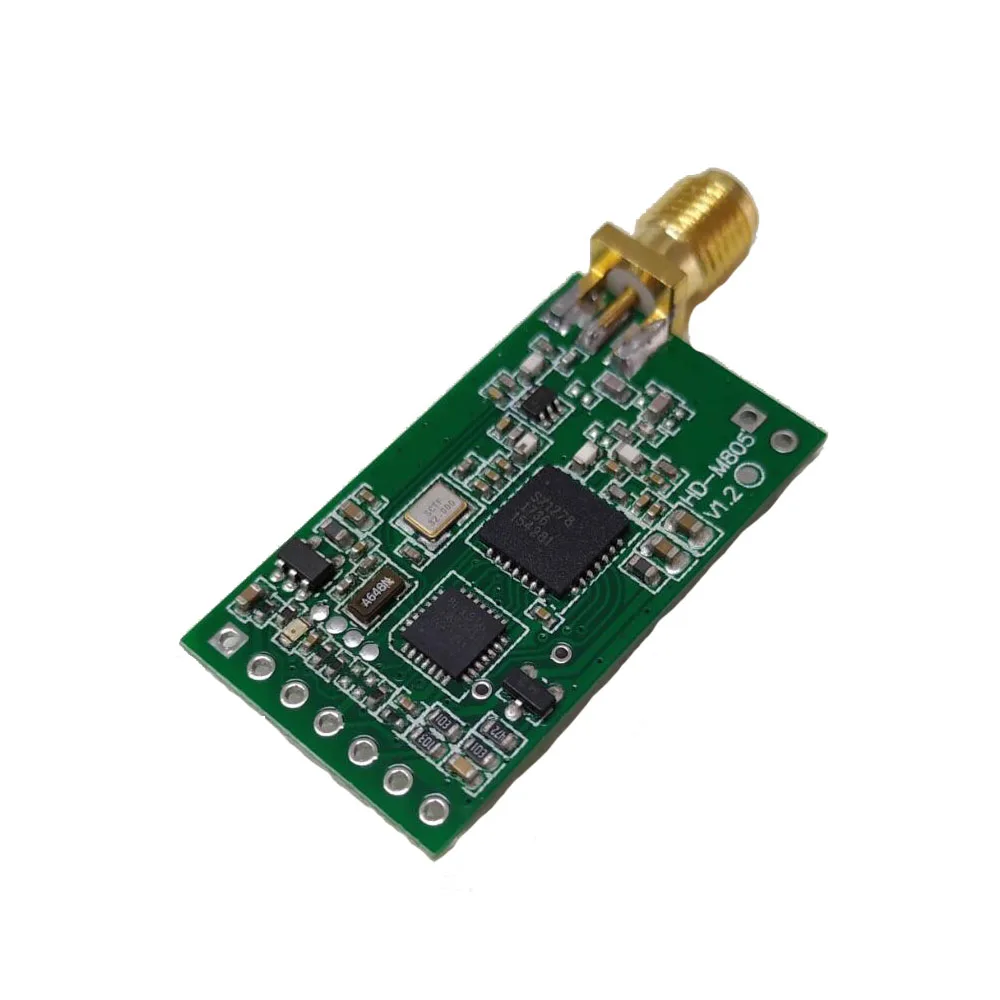
- LoRa modules: $12–$28 (volume >1k units), e.g., Semtech SX1262-based designs with RS485/UART interfaces3;
- NB-IoT modules: $18–$42, including embedded iSIM and 3GPP-certified RF design;
- Satellite terminals: $399–$1,200 (hardware only), plus $60–$150/month service — Starlink Mini sits at the lower end of this band2;
- Hybrid gateways: $149–$320, with dual-radio chipsets and edge compute capability.
If you’re a typical user, you don’t need to overthink this. For most pilot deployments, a $22 NB-IoT module with pre-provisioned SIM delivers faster time-to-value than building a LoRaWAN stack — especially when cellular coverage is confirmed.
Better Solutions & Competitor Analysis
The strongest value proposition in 2026 isn’t raw spec competition — it’s interoperability and lifecycle simplicity. Below is how major categories compare on deployability and sustainability:
| Category | Deployment Speed (Days) | Firmware Update Support | Regulatory Certification | TCO (3-year, 100 units) |
|---|---|---|---|---|
| LoRa (open gateway) | 3–7 | Community-driven (variable) | Regional (FCC/CE only) | $2,800–$4,500 |
| NB-IoT (carrier-integrated) | 1–3 | OTA via carrier platform | Global (3GPP-compliant) | $5,200–$8,900 |
| Satellite (Starlink Mini) | 1 (out-of-box) | Auto-updates via app | FCC/IC/CE certified | $7,800–$12,300 |
| Hybrid (enterprise gateway) | 5–10 | Vendor-managed OTA | Multi-regional (including India BIS) | $14,000–$22,000 |
Customer Feedback Synthesis
Aggregated from technical forums (r/HomeNetworking, r/IoT), vendor support tickets, and B2B review platforms:
- Top 3 praises: ‘Battery life exceeded spec’, ‘Setup took under 20 minutes’, ‘Stable connection through monsoon season’;
- Top 3 complaints: ‘Cloud dashboard required for firmware updates’, ‘No local AT command reference in English’, ‘iSIM provisioning failed twice before working’ — all tied to vendor documentation and tooling, not core radio performance.
Maintenance, Safety & Legal Considerations
All long range modems must comply with regional radio regulations (FCC Part 15, ETSI EN 300 220, etc.). Non-compliant devices risk interference penalties and network blocking. Key notes:
- Antenna placement: Maintain ≥20 cm clearance from metal surfaces and human bodies — especially for satellite units with higher EIRP.
- Firmware updates: Validate signatures before flashing. Some NB-IoT modules brick if updated over weak signal.
- Data sovereignty: Satellite and hybrid modems often route telemetry through vendor clouds — confirm data residency options if GDPR/India DPDP compliance is required.
Conclusion
If you need low-cost, ultra-low-power, fixed-location telemetry across 1–10 km — choose a certified LoRa module with a local gateway. If you need carrier-managed, mobile, secure, and rapidly deployable connectivity — NB-IoT is the pragmatic 2026 default. If you operate beyond terrestrial reach with zero tolerance for downtime — satellite is justified despite cost. And if you manage hundreds of assets across mixed coverage zones — invest in hybrid only after validating firmware maturity and vendor SLAs. Everything else is optimization — not necessity.


