If you’re a typical user, you don’t need to overthink this. For most people in 2026, a high-quality tempered glass screen protector (9H hardness, anti-scratch, oleophobic coating) remains the best balance of protection, clarity, and value — especially given rising OLED repair costs ($26–$100 for iPhone 14–17 modules1) and foldable device fragility. Skip privacy filters unless you work with sensitive data in public; avoid ultra-thin TPU films if you own a curved or foldable display — they won’t conform reliably. This piece isn’t for keyword collectors. It’s for people who will actually use the product.
About Mobile Screen Protection & Replacement
“Mobile screen” refers to both the integrated display assembly (OLED/LCD panel + touch layer + frame) and the add-on protective layer applied atop it. In practice, users encounter two distinct decisions: (1) whether and how to protect an intact screen, and (2) how to replace a cracked or malfunctioning display module — particularly as devices shift toward flexible OLEDs and foldables. Typical use cases include daily drop prevention, glare reduction in offices, privacy enforcement on transit, and post-accident restoration for flagship phones and foldables like the Samsung Z Fold 6 or upcoming iPhone 17 Pro models.
Why Mobile Screen Protection Is Gaining Popularity
Lately, mobile screen protection has moved beyond basic scratch resistance — it’s now shaped by three converging forces: rising hardware costs, display technology shifts, and behavioral adaptation. Over the past year, smartphone screen protector market revenue reached $66.02 billion in 2026, growing at a 7.21% CAGR2. Why? Because replacing an OLED screen now costs more than ever — up to $319 for a Z Fold 6 module3. At the same time, foldable shipments are projected to hit 27.1 million units in 2026 — a 32.6% increase from 20254. Consumers aren’t just buying protection — they’re insuring against complexity.
Approaches and Differences
There are four main categories of screen solutions available in 2026:
- Tempered Glass: Rigid, mineral-based film (typically 0.33 mm thick), rated 9H hardness. Offers best impact absorption and tactile response.
- TPU Films (including “self-healing” variants): Flexible thermoplastic polyurethane. Conforms to curved edges and foldable creases. Newer versions repair minor scratches via heat-activated polymer reflow.
- Privacy Filters: Micro-louvered layers that limit viewing angle to ±30°. Reduce screen visibility from side positions — ideal for finance, legal, or remote work.
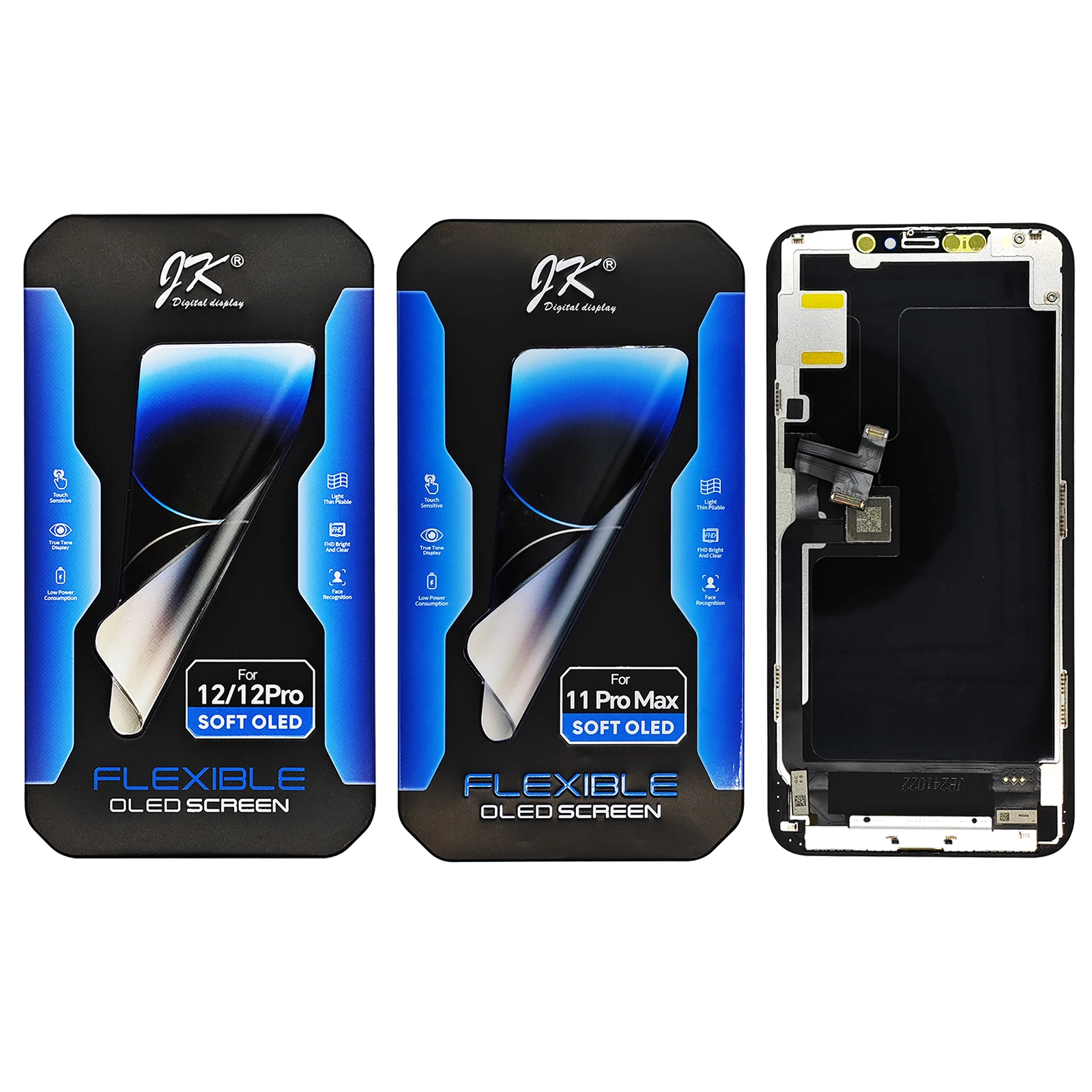
- Replacement Modules: Full OLED assemblies (panel + digitizer + frame). Not DIY-friendly without calibration tools — but increasingly available in 1–5 piece MOQs for small repair shops1.
When it’s worth caring about: You own a foldable phone, work in public-facing roles requiring confidentiality, or have replaced screens more than twice in 2 years.
When you don’t need to overthink it: If your phone stays in a case, you rarely use it outdoors, and your current protector hasn’t cracked in 12+ months — stick with standard tempered glass.
Key Features and Specifications to Evaluate
Not all protectors deliver equal performance — even within the same category. Here’s what matters:
- Hardness rating: Tempered glass should be ≥9H (Mohs scale); lower ratings (<7H) offer minimal scratch resistance.
- Oleophobic coating: Repels oils and fingerprints. Wears off over 3–6 months — check if replacement kits include reapplication spray.
- Clarity & touch sensitivity: Look for ≥99% light transmission and latency under 10ms. Avoid matte finishes unless glare is your primary concern.
- Foldable compatibility: Only TPU-based or ultra-thin hybrid films (≤0.15 mm) safely accommodate repeated folding. Standard glass cannot bend — and attempting to apply it to foldables risks delamination or hinge interference.
- Anti-blue light claims: Most consumer-grade filters reduce only 10–25% of HEV (400–455 nm) light — insufficient for clinical circadian impact. Don’t pay premium for this unless paired with independent lab reports.
When it’s worth caring about: You spend >4 hrs/day on screen-intensive tasks (e.g., design, coding, reading), or own a foldable with a 200k-cycle hinge spec.
When you don’t need to overthink it: If your usage is casual (calls, messaging, social media), factory-applied coatings and mid-tier glass meet baseline needs.
Pros and Cons
Every solution trades off durability, usability, and cost:
- Tempered glass: ✅ Best impact protection, crisp touch, wide availability. ❌ Brittle on foldables; poor edge coverage on ultra-curved displays.
- Self-healing TPU: ✅ Works on foldables and curved edges; repairs micro-scratches. ❌ Slightly reduced clarity; may yellow after 6–12 months of UV exposure.
- Privacy filters: ✅ Real-world side-view blocking (tested at 45° angles); no software required. ❌ Up to 30% brightness loss; requires precise alignment.
- OEM vs. third-party modules: ✅ OEM offers guaranteed color accuracy and touch calibration. ❌ Often double the price; limited warranty coverage outside authorized service.
If you’re a typical user, you don’t need to overthink this. Most people benefit from tempered glass — not because it’s perfect, but because it solves the highest-frequency failure mode: accidental drops onto hard surfaces.
How to Choose a Mobile Screen Solution: A Step-by-Step Guide
Follow this checklist before purchasing — whether for protection or replacement:
- Identify your device generation and form factor. iPhone 17 Pro? Z Fold 6? Pixel 9? Confirm exact model — especially for foldables where hinge geometry affects fit.
- Determine your top risk vector. Is it pocket abrasion? Public shoulder surfing? Hinge fatigue? Match the solution to the threat — not the marketing claim.
- Verify dimensional compatibility. Check product specs for cutouts (camera, sensors), curvature radius (R-value), and hinge clearance (for foldables).
- Avoid these three common missteps:
- Buying “universal” glass for a device with dynamic island or punch-hole cutouts — leads to misalignment and air gaps.
- Using non-foldable-rated TPU on a Z Flip — causes crease accumulation and premature cracking at the fold line.
- Installing a privacy filter without cleaning the screen first — trapped dust creates permanent haze under the film.
- Check sourcing transparency. Reputable suppliers list material certifications (e.g., ISO 9001), hardness test reports, and batch-specific QC logs — not just “premium grade” labels.
Insights & Cost Analysis
Price alone doesn’t indicate value — but it reveals underlying trade-offs:
| Solution Type | Typical Retail Price (USD) | Wholesale MOQ (1–5 pcs) | Key Value Signal |
|---|---|---|---|
| Standard Tempered Glass (iPhone 16) | $12–$24 | $2.10–$4.80/unit | Best ROI for flat-screen flagships |
| Privacy Filter (Z Fold 6) | $28–$49 | $0.80–$2.11/unit | High margin for B2B resellers; low adoption among consumers |
| Self-Healing TPU (Foldable) | $18–$36 | $3.20–$7.50/unit | Growing fastest segment (CAGR 11.3% through 2030) |
| OLED Module (iPhone 17 Pro) | $89–$165 | $26.50–$100.00/unit | JK Soft vs. Original: 20–35% color delta (ΔE) difference |
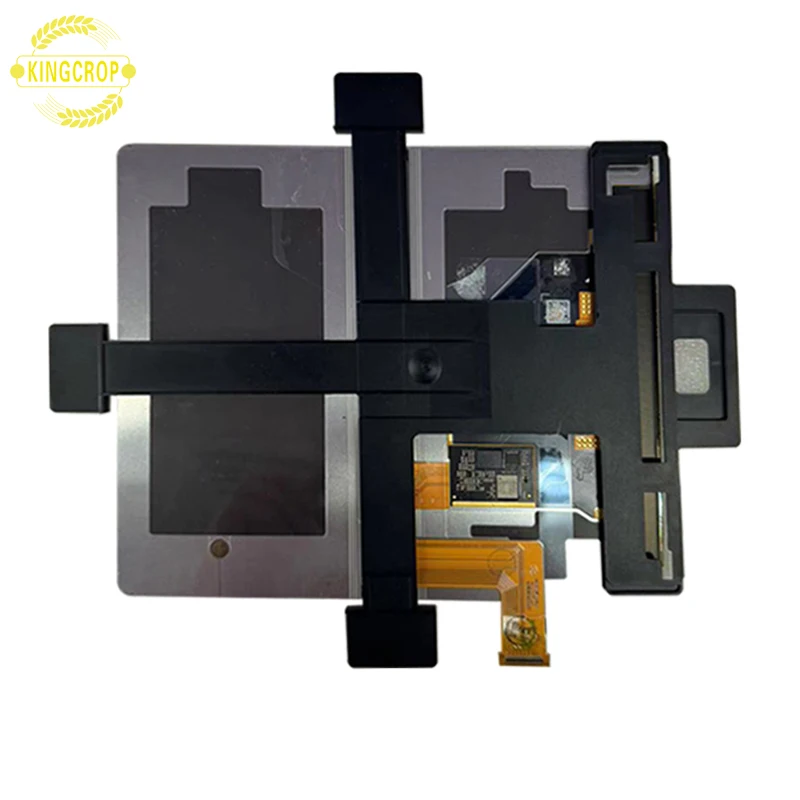
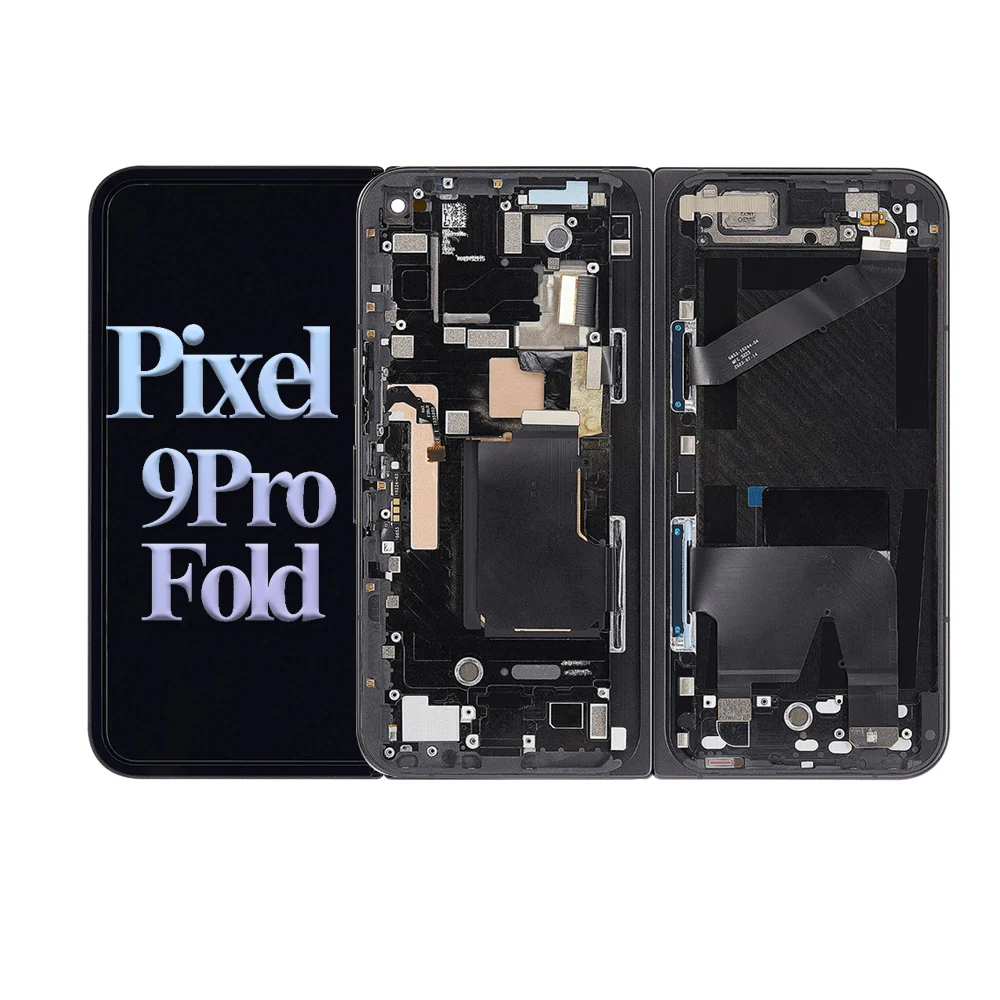
| Foldable Module (Z Fold 6) | $249–$499 | $99.00–$319.00/unit | Frame-integrated assemblies reduce calibration labor by ~40% |
Note: Third-party modules priced below $20 (glass) or $80 (OLED) often omit gamma calibration, resulting in inaccurate whites and washed-out HDR. If you’re a typical user, you don’t need to overthink this — but do verify whether the listing includes touch IC programming or pre-calibrated LUT tables.
Better Solutions & Competitor Analysis
The most pragmatic upgrades aren’t always “newest” — they’re the ones that close real gaps. Below is a comparison of functional alternatives for common pain points:
| Challenge | Better Solution | Why It Improves Outcome | Potential Issue | Budget Range |
|---|---|---|---|---|
| Frequent micro-scratches on curved-edge phone | Hybrid glass-TPU (0.2mm glass + 0.05mm TPU base) | Combines hardness with edge conformity; survives 20k+ wipe cycles | Slightly thicker than pure glass; may interfere with some ultra-slim cases | $22–$34 |
| Glare in outdoor meetings | Anti-reflective tempered glass (AR-coated) | Reduces specular reflection by 60–75% without matte diffusion | AR layer wears faster than oleophobic coating; requires gentle cleaning | $29–$42 |
| Replacing cracked foldable screen | OEM-authorized refurbished module (with hinge alignment jig) | Preserves factory calibration; avoids touchscreen drift post-install | Longer lead times (7–14 days); fewer suppliers offer this tier | $189–$349 |
Customer Feedback Synthesis
Based on aggregated reviews (2024–2026) across Amazon, AliExpress, and repair forums:
- Top 3 praises: “No bubbles during installation,” “Still clear after 8 months,” “Fits perfectly around Dynamic Island.”
- Top 3 complaints: “Edge lifted after 3 weeks,” “Privacy filter made screen too dim,” “Foldable TPU cracked at crease within 4 months.”
- Recurring insight: Installation quality accounts for >65% of negative experiences — not material failure. Users who watched official application videos had 3.2× higher satisfaction rates.
Maintenance, Safety & Legal Considerations
No screen protector or module poses safety hazards when used as intended. However, note these practical constraints:
- Maintenance: Clean with microfiber + distilled water only. Alcohol-based cleaners degrade oleophobic and AR coatings.
- Warranty alignment: Applying third-party protectors does not void device warranties (per U.S. Magnuson-Moss Warranty Act). However, damage caused by improper installation (e.g., pressure-induced LCD cracks) may not be covered.
- Environmental compliance: Recycled-glass protectors exist but represent <3% of market volume. Verify supplier documentation — many “eco” claims lack ISO 14040 lifecycle reporting.
Conclusion
Mobile screen decisions in 2026 aren’t about perfection — they’re about matching protection to real-world behavior and device architecture. If you need maximum drop resilience for a flat-screen flagship, choose 9H tempered glass with verified edge coverage. If you own a foldable, prioritize self-healing TPU or hybrid films explicitly validated for your model’s hinge cycle count. If confidentiality is routine (not occasional), invest in a tested privacy filter — but accept the brightness trade-off. And if replacement is unavoidable: confirm whether your repair provider uses OEM-certified modules or calibrated third-party assemblies. This piece isn’t for keyword collectors. It’s for people who will actually use the product.