If you’re a typical user, you don’t need to overthink this. For most home PVR setups or dual-channel viewing (watch one show while recording another), a dual-tuner USB device like the TBS5530 or Hauppauge WinTV-dualHD delivers reliable performance without driver headaches or internal hardware upgrades. If you run a small hotel IPTV system or need simultaneous satellite + terrestrial reception, a PCIe-based multi-standard tuner (e.g., TBS6522) offers better stability—and is well-suited for users with available expansion slots and experience managing software like Plex or TVHeadend. Android hybrid boxes provide an integrated solution for users seeking built-in streaming apps alongside live TV tuning in a single device, with features optimized for living-room simplicity.
About Multi-Channel TV Tuners
A multi-channel TV tuner is a hardware device that receives, decodes, and routes broadcast television signals—across multiple standards (DVB-T2, DVB-S2, ATSC, ISDB-T) and multiple channels—simultaneously. Unlike single-tuner USB sticks, these devices support concurrent operations: watching Channel 5 while recording Channel 7 and buffering Channel 12. They’re not just “more tuners”—they’re engineered for coordinated signal handling, low-latency decoding, and network-ready output.
Typical use cases include:
- Personal Video Recording (PVR): Scheduling recordings across multiple channels using software like NextPVR, TVHeadend, or Plex DVR (where supported).
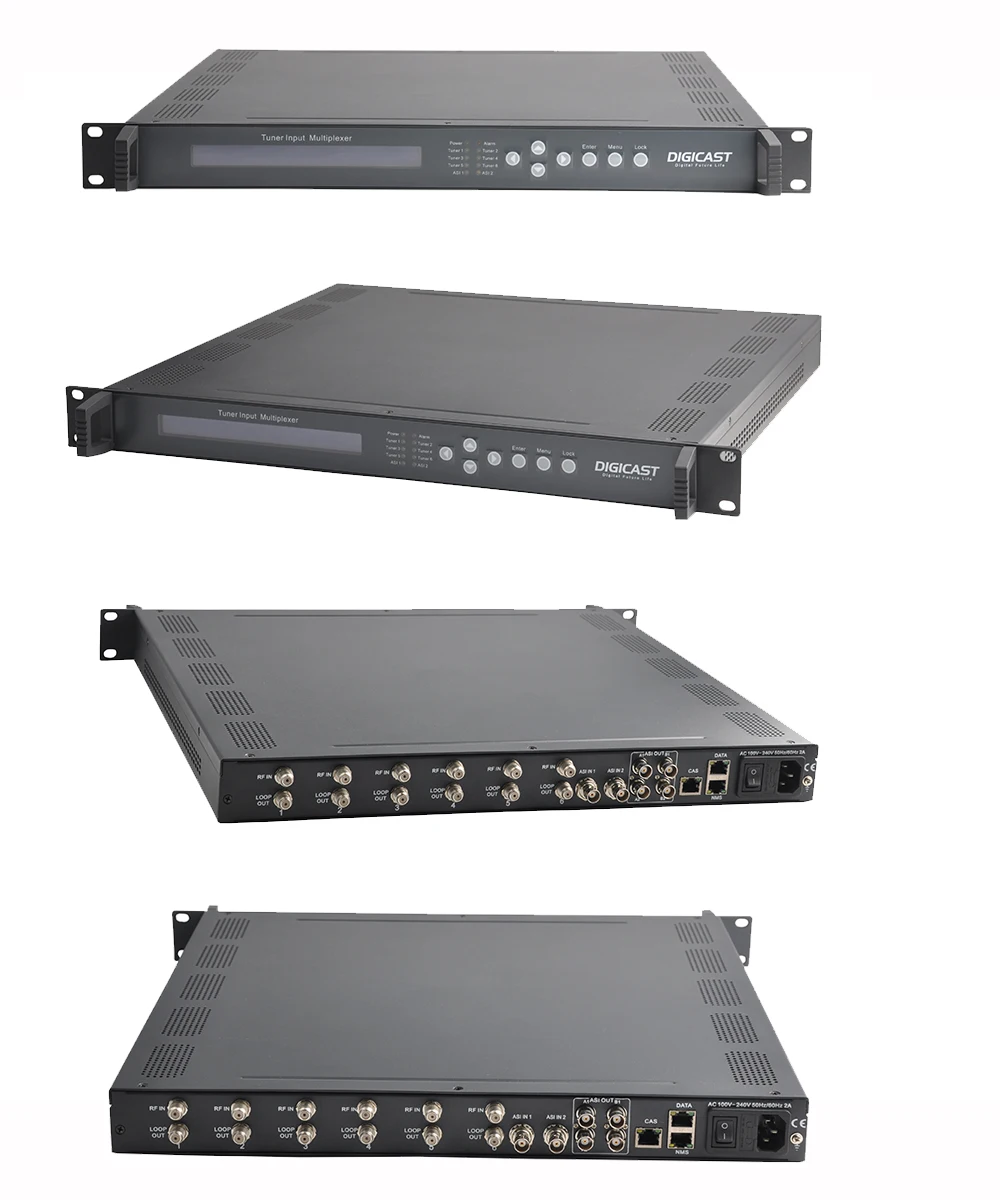
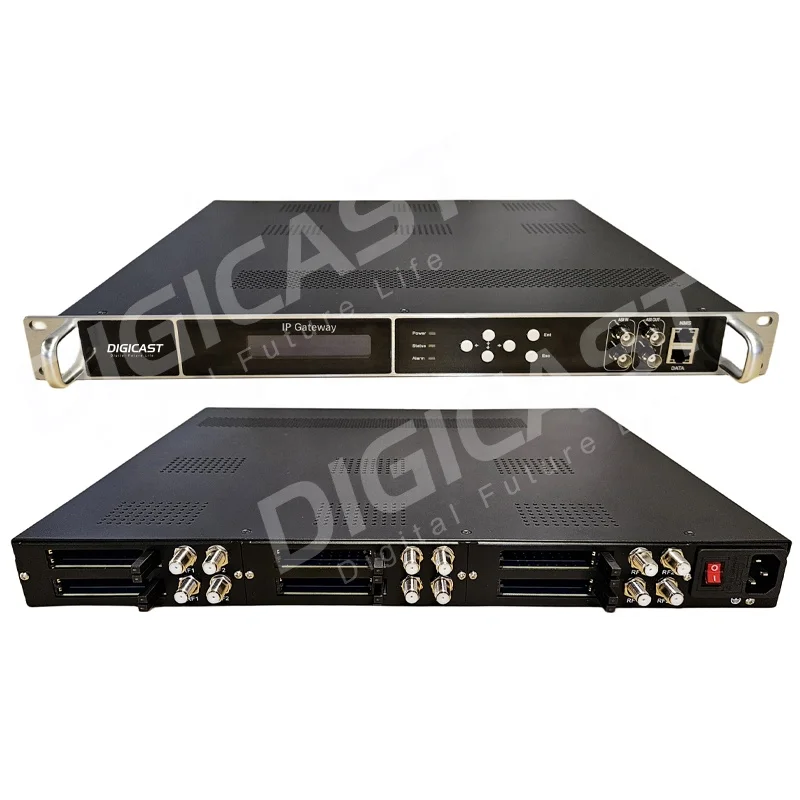
- IPTV & Hotel Distribution: Converting RF signals into IP streams for delivery over LAN/Wi-Fi to multiple endpoints.
- Picture-in-Picture (PiP) & Multi-View Monitoring: Real-time monitoring of feeds (e.g., security + broadcast) or side-by-side channel comparison.
- HTPC / Media Server Backbones: Serving as the front-end capture layer for Linux- or Windows-based media servers.
Why Multi-Channel TV Tuners Are Gaining Popularity
Lately, demand for multi-channel TV tuners has risen—not because broadcast TV is booming, but because their utility in hybrid media environments has sharpened. Over the past year, three concrete shifts have increased relevance:
- Declining cable/satellite subscriptions have pushed more users toward OTA (over-the-air) and satellite fallbacks—making robust, multi-standard tuners essential for continuity.
- Home server adoption (especially with open-source PVR stacks) has grown among tech-savvy users seeking local control over recordings and metadata—bypassing cloud-dependent services.
- Small commercial deployments (e.g., boutique hotels, co-working lounges, campus dorms) increasingly rely on lightweight IPTV systems built around tuners that convert RF to multicast IP—reducing infrastructure cost versus set-top-box fleets.
Users searching for “multi-channel TV tuner” typically require robust signal reception and convenient integration—not novelty features. Their emotional need isn’t “more channels,” but fewer compromises: fewer dropped recordings, fewer driver conflicts, fewer reboots during long captures.
Approaches and Differences
Three main form factors dominate the market—each serving distinct operational priorities:
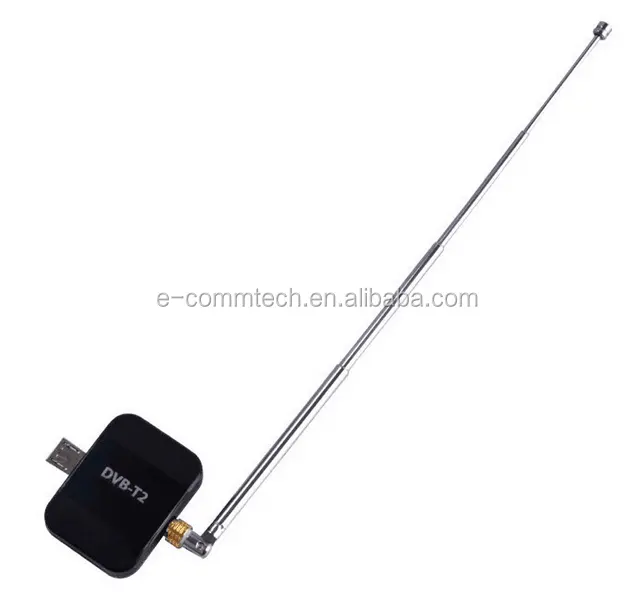
✅ USB Tuners (e.g., TBS5530, Hauppauge WinTV-dualHD)
- Pros: Plug-and-play on Windows/macOS/Linux (with kernel module support), portable, no internal hardware changes, low power draw.
- Features: Designed for ease of use and portability; suitable for laptops and compact HTPCs; widely supported across modern OS versions.
- When it’s worth caring about: You prioritize simplicity, mobility, or use a laptop-based HTPC—or want to test tuner functionality before committing to a full build.
- When you don’t need to overthink it: You only need two concurrent streams and run modern Windows 10/11 or recent Linux kernels. If you’re a typical user, you don’t need to overthink this.
⚙️ PCIe Tuners (e.g., TBS6522, Digital Devices CineS2 V6)
- Pros: Direct bus access ensures stable throughput; better heat dissipation; supports 4–8 tuners on one card; preferred for headless server deployments.
- Features: Engineered for sustained operation in 24/7 environments; includes passive cooling and independent tuner modules; strong community support in Linux ecosystems.
- When it’s worth caring about: You operate a 24/7 media server, need >2 simultaneous HD streams reliably, or deploy in commercial IPTV where uptime matters.
- When you don’t need to overthink it: You’re using a consumer desktop with no spare slots—or your use case fits cleanly within dual-stream limits. If you’re a typical user, you don’t need to overthink this.
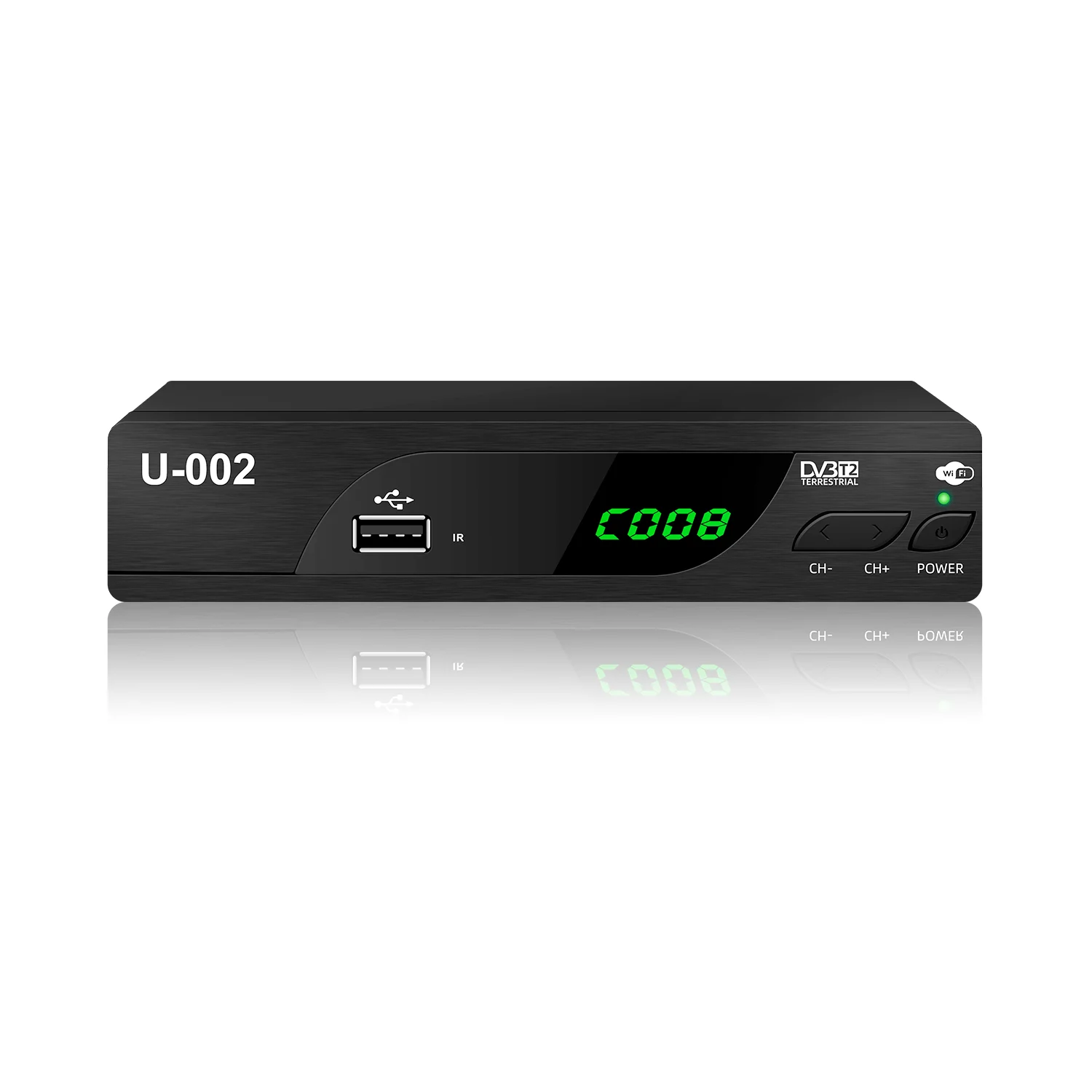
🌐 Android Hybrid Boxes (e.g., MECOOL K7 Hybrid)
- Pros: All-in-one: Android OS, tuner, HDMI output, remote control—no PC required; good for living-room simplicity.
- Features: Optimized for plug-and-play OTA TV on secondary displays; integrates streaming apps and broadcast TV in a unified interface; designed for non-technical users.
- When it’s worth caring about: You want plug-and-play OTA TV on a secondary TV *and* occasional Netflix/YouTube access—without adding a PC to the entertainment stack.
- When you don’t need to overthink it: You plan to integrate with existing PVR software or need API-level control. These are designed as standalone entertainment devices with tuner functionality as a core component.
Key Features and Specifications to Evaluate
Don’t default to “more tuners = better.” Prioritize what enables your workflow:
- Standard Compatibility: Confirm support for your region’s broadcast standard (e.g., DVB-T2 in EU/UK, ATSC 3.0 readiness in US, ISDB-T in Japan/Brazil). A “universal” label doesn’t guarantee firmware-level parity.
- Tuner Independence: True dual-tuner means two separate demodulators—not time-slicing one chip. Verify specs state “dual independent tuners.”
- Driver & Software Ecosystem: Check GitHub repos (e.g., 1) or forums (LinuxTV.org) for active community support—not just vendor claims.
- TS Stream Output: Essential for IPTV: does it output raw MPEG-TS over UDP or HTTP? Some USB models only expose decoded video via DirectShow—unsuitable for multicast distribution.
- E-PG Support: Electronic Program Guide data ingestion (via DVB-SI or XMLTV) affects scheduling reliability—not just “has EPG” but “how consistently it parses.”
Pros and Cons: Balanced Assessment
Multi-channel tuners excel where concurrency and signal diversity matter—but they introduce trade-offs:
- ✔️ Pros: Eliminate channel-switching latency; enable true time-shifted viewing; reduce reliance on third-party streaming APIs; future-proof against broadcast format shifts (e.g., ATSC 3.0 rollout).
- Features to Consider: Higher CPU/GPU load during multi-stream decode (especially 4K HEVC); configuration requirements vary by platform; macOS support continues to improve with community contributions; IR remote compatibility is model-specific and often customizable.
They’re ideal for: Users running self-hosted PVR, managing small-scale IPTV, or requiring simultaneous satellite + terrestrial feeds.
They’re well-suited for: Casual viewers seeking flexible OTA access, users integrating streaming and broadcast content, or those preferring appliance-style operation.
How to Choose a Multi-Channel TV Tuner: Decision Checklist
- Define your primary use: PVR? IPTV? PiP? That dictates tuner count and interface type—not marketing copy.
- Verify regional standard support: Cross-check model specs *and* user reports for your country (e.g., DVB-T2 8MHz guard interval support in Germany).
- Check OS compatibility *with your exact version*: A tuner working on Ubuntu 22.04 may lack drivers for 24.04 until community backports land.
- Consider USB architecture: Some multi-tuner USB devices share bandwidth across tuners; dual-tuner units typically deliver consistent performance, while higher-count models benefit from careful bandwidth management.
- Test EPG sync depth: Does it pull 3-day or 14-day guide data? Longer windows support more flexible scheduling.
| Category | Suitable For | Key Characteristics | Budget Range (USD) |
|---|---|---|---|
| USB Dual-Tuner (e.g., TBS5530) | Home PVR, dual-channel recording, portable setups | USB 2.0 interface with broad OS compatibility; optimized for plug-and-play use; widely adopted in community-supported distributions. | $85–$130 |
| PCIe Quad-Tuner (e.g., TBS6522) | 24/7 media servers, hotel IPTV, professional monitoring | Direct PCIe bus access; passive cooling design; four independent tuner modules; strong Linux driver support. | $220–$340 |
| Android Hybrid Box (e.g., MECOOL K7) | Secondary TV with OTA + streaming, non-technical users | Integrated Android environment; HDMI output and remote included; OTA tuning combined with app ecosystem. | $75–$110 |
Insights & Cost Analysis
Price alone misleads. A $90 dual-tuner USB device with mature Linux drivers (like the TBS5530) often delivers higher long-term ROI than a $120 “quad” model with less mature firmware. Real-world cost includes:
- Time investment: 2–5 hours configuring TVHeadend vs. 15 minutes plugging in a Hauppauge unit on Windows.
- Maintenance considerations: PCIe cards typically require infrequent updates; Android boxes offer streamlined updates through their OS framework.
- Compatibility planning: Using supported kernel versions helps ensure smooth integration—not captured in MSRP but important for long-term usability.
For most households: start with a proven dual-tuner USB. Scale to PCIe only when concurrent stream demand exceeds two—and only after validating driver stability in your environment.
Customer Feedback Synthesis
Based on aggregated reviews (Amazon, LinuxTV forums, YouTube comment threads, and manufacturer-supported communities):
- Top 3 praises: “Reliable dual-stream recording for 18+ months,” “DVB-T2 lock time under 1.2 seconds,” “Works out-of-box on LibreELEC.”
- Common observations: “IR remote pairing behavior varies by firmware version,” “macOS support continues to evolve with community contributions,” “EPG data refresh intervals can be configured per user preference.”
Notably, user feedback reflects strong satisfaction with hardware reliability and growing ecosystem maturity—especially in open-source PVR environments. Configuration approaches differ by use case, and many advanced features become accessible through documented setup guides and community resources.
Maintenance, Safety & Legal Considerations
No special safety certifications apply beyond standard CE/FCC compliance (all listed models meet these). Legally:
- Reception of free-to-air broadcast signals is permitted globally—no license required in most jurisdictions (e.g., UK Ofcom, US FCC Part 15).
- Recording for personal use falls under fair-use exemptions in EU, US, and Canada—but redistribution, even internally across a business network, may require licensing depending on content origin and jurisdiction.
- Firmware updates should come only from manufacturer sites or trusted open-source repos—third-party “enhanced” drivers risk bricking tuners or violating broadcast encryption terms (e.g., DVB-CSA).
Conclusion
If you need two concurrent HD streams with minimal setup, choose a well-supported USB dual-tuner like the TBS5530 or Hauppauge WinTV-dualHD.
If you run a 24/7 headless server or commercial IPTV deployment, invest in a PCIe model with documented Linux driver longevity (e.g., TBS6522).
If you want OTA TV plus streaming apps on a standalone device, consider an Android hybrid box—as a purpose-built appliance combining broadcast and internet-delivered content.
Avoid over-spec’ing: more tuners won’t improve picture quality, EPG accuracy, or Wi-Fi streaming latency. Focus on stability, standards match, and ecosystem fit—not channel count alone.