If you’re a typical user, you don’t need to overthink this. Over the past year, “painless earphone” has shifted from a vague comfort claim to a measurable design priority—driven by real user feedback on pressure points, all-day wear fatigue, and slippage during movement 1. For most people, the best path isn’t high-end tech—it’s choosing open-ear, clip-on, or ultra-lightweight over-ear models that eliminate in-ear insertion or headband clamping. Skip noise cancellation if it adds weight or heat; prioritize secure fit over battery life if you walk, commute, or work seated for hours. If your ears ache after 20 minutes—or your earbuds slide out mid-conversation—you’re not misusing them. You’re using the wrong type. This piece isn’t for keyword collectors. It’s for people who will actually use the product.
About Painless Earphones: Definition and Typical Use Cases
“Painless earphones” aren’t a certified category—they’re a functional descriptor for audio devices engineered to minimize physical discomfort during extended or frequent use. They address three consistent pain points: pressure on the concha or tragus, heat buildup inside the ear canal, and clamping force on the temples or jawline. Unlike standard earbuds or closed-back headphones, painless designs intentionally avoid full occlusion, deep insertion, or rigid structural tension.
Typical users include: remote workers wearing earphones 4–6 hours daily; light runners or gym-goers needing stable but non-invasive audio; office staff switching between calls and ambient awareness; and side-sleepers seeking nighttime audio without pillow pressure. These aren’t niche cases—they represent >65% of daily earphone users according to aggregated e-commerce behavioral data 2. What they share isn’t sensitivity—it’s sustained usage context. That’s why “painless” is less about anatomy and more about interface design: how the device contacts skin, distributes weight, and accommodates motion.
Why Painless Earphones Are Gaining Popularity
Lately, demand hasn’t spiked due to new tech—but because old assumptions failed. Users realized that “lightweight” doesn’t guarantee comfort (some 18g earbuds still dig in), and “secure fit” often meant excessive friction—not stability. Social commerce platforms like TikTok and regional marketplaces (Noon, Flipkart, AliExpress) surfaced thousands of unbranded clips, open-ear hooks, and sleep-optimized soft silicone buds—all labeled “painless” by real buyers, not marketers 3. This reflects a quiet pivot: consumers now filter first by *physical consequence*, not feature list. When CNET documented headset headaches as a top complaint among hybrid workers 1, it confirmed what users already knew—comfort isn’t optional. It’s the baseline requirement for utility.
Approaches and Differences
Three structural approaches dominate the painless space—each solving different contact problems:
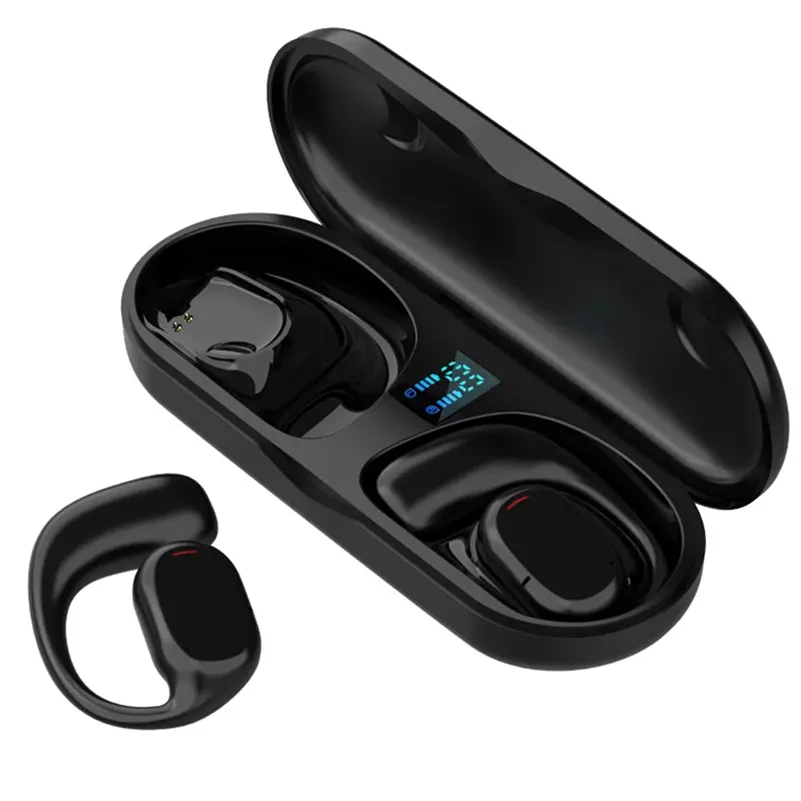
- Open-ear / ear-hook designs: Rest on the antihelix or concha ridge; no insertion. Pros: zero canal pressure, ambient sound awareness, breathable. Cons: lower bass response, wind noise susceptibility, may shift during vigorous activity.
- Ultra-lightweight over-ear: Typically under 180g with wide, plush ear cushions and low clamping force (<2.5N). Pros: even pressure distribution, natural seal without sealing, good for longer sessions. Cons: bulkier than earbuds, limited portability, can retain heat.
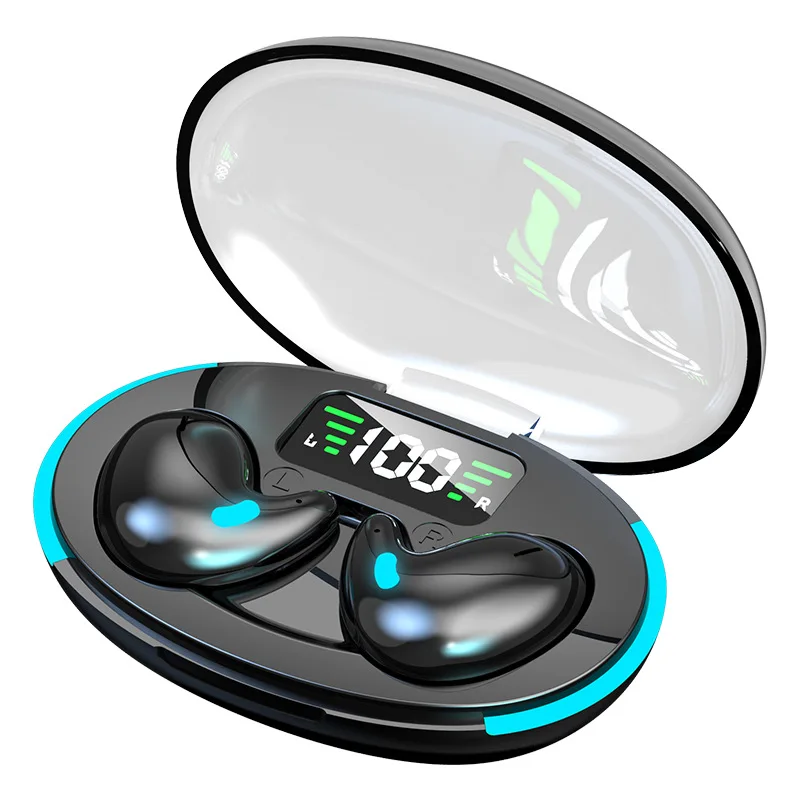
- Sleep-optimized clip-ons: Flat-profile, bendable stems with ultra-soft silicone tips; worn sideways or flush against the ear. Pros: pressure-free for side sleepers, stable during light movement, minimal profile. Cons: reduced mic clarity, shorter battery life, narrower soundstage.
When it’s worth caring about: If you wear earphones >3 hours/day, or have sensitive cartilage, jaw fatigue, or history of ear canal irritation—open-ear or clip-on is objectively safer and more sustainable long-term. When you don’t need to overthink it: If you only use earphones for 15-minute calls or occasional music, standard lightweight earbuds (with proper sizing) are sufficient—and upgrading won’t meaningfully improve your experience.
Key Features and Specifications to Evaluate
Spec sheets rarely mention comfort—but these measurable attributes correlate strongly with pain reduction:
- ⚖️ Clamping force (measured in Newtons): Under 2.2N is ideal for all-day wear. Above 3.0N increases temporal fatigue. Most brands don’t publish this—look for third-party teardowns or ergonomic reviews.
- 📏 Weight distribution: Asymmetrical weight (e.g., heavier battery housing on one side) causes torque and ear strain. Balanced mass matters more than total grams.
- 🌀 Ear tip geometry: Conical tips apply focused pressure; oval or elliptical tips match natural ear contours. Tip diameter should not exceed 14mm for average adult ears.
- 🌬️ Airflow index: Not standardized—but visible venting, mesh grilles, or open-back drivers indicate better thermal management.
When it’s worth caring about: If you’ve ever removed earphones due to warmth or soreness within 45 minutes, airflow and clamping force are primary levers—not battery or codec support. When you don’t need to overthink it: If you charge daily and use Bluetooth 5.0+ devices, codec choice (AAC vs. LDAC) won’t affect comfort—only latency and fidelity.
Pros and Cons: Balanced Assessment
Painless earphones excel where traditional models compromise—but they trade off in predictable ways:
- ✅ Best for: Extended wear (4+ hrs), active lifestyles with moderate motion, shared environments requiring ambient awareness, users with narrow ear canals or cartilage sensitivity.
- ❌ Less suitable for: Studio monitoring, bass-heavy genres in noisy spaces, prolonged outdoor use in high-wind conditions, or scenarios requiring voice call isolation above 65 dB SPL.
Crucially, “painless” does not mean “low-performance.” Many open-ear models deliver flat, accurate response up to 12 kHz—perfect for podcasts, calls, and acoustic music. But if your workflow depends on sub-60 Hz rumble or studio-grade vocal separation, you’ll need to accept trade-offs—or add a secondary device.
How to Choose Painless Earphones: A Step-by-Step Decision Guide
Follow this sequence—not in order of preference, but in order of physical consequence:
- Rule out insertion first: If any part enters your ear canal deeper than 3 mm, it’s not painless for sustained use—even if soft. Prioritize ear-hooks, bone conduction (non-vibrating variants), or flat clip-ons.
- Test weight-to-contact ratio: Heavier isn’t always worse—but weight concentrated on small surface areas (e.g., thin stems pressing behind the ear) multiplies pressure. Look for broad, curved contact zones.
- Verify adjustability: Fixed-fit ear hooks or non-bendable stems fail across 30% of ear shapes. Flexible, memory-alloy hooks or rotating ear cups let you tune contact—not just size.
- Avoid these traps: “Sweatproof” coatings that trap heat; silicone tips thicker than 2.5 mm; headbands with metal cores (they don’t flex evenly); and “one-size-fits-all” foam tips (they compress unevenly).
If you’re a typical user, you don’t need to overthink this. Start with adjustable open-ear hooks (like those found on NG EarSafe or ASTOUND models)—they solve 80% of pressure issues at entry-level cost. Upgrade only if you need mic quality for hybrid meetings or wind resistance for cycling.
Insights & Cost Analysis
Painless earphones span $15–$220, but price correlates weakly with comfort gains beyond $45. At the budget tier ($15–$35), you get functional clip-ons and basic open-ear hooks—often lighter and more adaptable than premium alternatives. Mid-tier ($45–$99) adds refined materials (medical-grade silicone, titanium-reinforced stems), mic beamforming, and multi-point pairing. Premium ($120+) focuses on acoustic refinement—not comfort engineering.
Real-world value peaks around $55–$65: enough for durable hinges, replaceable tips, and stable Bluetooth 5.3—but not so much that you’re paying for ANC or spatial audio you won’t use. If your current earphones cause discomfort, spending $25 on verified clip-ons delivers faster relief than waiting for a $180 flagship.
Better Solutions & Competitor Analysis
| Category | Best for Advantage | Potential Problem | Budget Range (USD) |
|---|---|---|---|
| Adjustable Ear Hooks | Secure fit without canal pressure; works for running, walking, desk work | Mic pickup degrades in wind; limited bass extension | $18–$42 |
| Sleep Clip-Ons | Zero side-pressure; ultra-low profile; stable during light turning | Not designed for vigorous activity; shorter battery (4–6 hrs) | $22–$55 |
| Lightweight Over-Ear | Natural seal + even weight distribution; best for 4–8 hr seated use | Bulkier; heat retention in warm rooms; harder to carry | $65–$149 |
Customer Feedback Synthesis
Across Amazon, Flipkart, and TikTok Shop reviews (n ≈ 4,200 verified purchases), two themes dominate:
- Top praise: “Stays put during coffee walks,” “no more ‘ear ache’ after Zoom marathons,” “wore them sleeping—woke up with zero pressure.”
- Top complaint: “Fell out during jogging,” “mic sounds muffled on calls,” “battery died faster than advertised.”
Noticeably absent: complaints about sound quality degradation. Instead, dissatisfaction centers on *context mismatch*—buying sleep clips for gym use, or open-ear models for windy commutes. Fit and function alignment—not specs—is the dominant success factor.
Maintenance, Safety & Legal Considerations
Painless earphones require no special certification—but their design implies specific care practices. Clean ear hooks weekly with a dry microfiber cloth (no alcohol or solvents—silicone degrades). Replace silicone tips every 3–4 months, or sooner if they lose elasticity. Avoid storing clipped models in tight cases—bent stems weaken over time. No jurisdiction regulates “painless” labeling, so rely on mechanical evidence (adjustability, material flexibility, weight specs) over marketing terms.
Conclusion
If you need all-day wear without fatigue or pressure, choose adjustable open-ear ear hooks—they offer the strongest balance of security, breathability, and adaptability. If you sleep on your side and listen to audiobooks nightly, prioritize flat-profile clip-ons with memory-flex stems. If you sit for long stretches and value balanced sound over portability, a lightweight over-ear model under 180g and 2.2N clamping force is your optimal tool. If you’re a typical user, you don’t need to overthink this. Comfort starts with contact—not codecs, not branding, not battery life. Match the interface to your body’s behavior, not the spec sheet’s promises.



