Over the past year, demand for precision-fit, durable screen protection has intensified—not because screens broke more often, but because devices got thinner, edges more curved, and users less tolerant of haze, peeling, or fingerprint traps. If you’re choosing a screen protector today, your decision hinges less on brand loyalty and more on raw material for screen protector: tempered glass, TPU, PET, liquid nano, or hybrid films. For most users, tempered glass (9H alumino-silicate) delivers the best balance of scratch resistance and clarity—if your phone has flat or gently curved edges. If it’s ultra-curved (like recent foldables or Galaxy S24 Ultra), TPU is the only reliable option. PET remains viable for budget tablets or secondary devices—but it won’t survive daily pocket friction long-term. Liquid nano is convenient for quick application and edge coverage, but it offers no physical barrier against impact. If you’re a typical user, you don’t need to overthink this: start with tempered glass unless your device demands flexibility.
About Raw Material for Screen Protector
The phrase raw material for screen protector refers to the foundational substance—before cutting, coating, or laminating—that defines performance, feel, and longevity. It is not just “what it’s made of,” but what that composition enables: hardness, elasticity, optical clarity, adhesion stability, and resistance to yellowing or delamination. These materials serve three primary device categories: smartphones (flat to moderately curved), foldables and ultra-curved OLEDs (high-flex zones), and large-format tablets or monitors (where uniform adhesion matters more than edge wrap). Understanding raw material isn’t about chemistry degrees—it’s about matching physical behavior to real usage: will it crack under keys? Will it lift at corners after two weeks? Will it repel oil or attract smudges?
Why Raw Material for Screen Protector Is Gaining Popularity
Lately, manufacturers have shifted from generic “9H” labeling to transparent material disclosures—not as marketing, but as response to user frustration. Buyers now routinely check whether a “tempered glass” protector uses soda-lime or alumino-silicate base, whether TPU includes self-healing additives, or whether PET film carries anti-glare micro-texturing. This isn’t niche curiosity. It reflects rising expectations: people replace phones less often, so protectors must last 12–18 months without clouding or adhesive failure. Also, repair-aware consumers compare material cost-to-performance ratios more rigorously—especially after seeing $30 “premium” protectors peel within a month while $12 TPU variants hold firm. This piece isn’t for keyword collectors. It’s for people who will actually use the product.
Approaches and Differences
Four core raw materials dominate the market. Each solves distinct problems—and introduces new trade-offs.
✅ Tempered Glass
Made from silica sand + aluminum silicon, chemically strengthened via ion exchange (typically potassium nitrate bath), then coated with oleophobic and anti-fingerprint layers. Offers 9H hardness (per ASTM D3363), high light transmission (>92%), and tactile feedback close to bare glass.
- When it’s worth caring about: You own a flagship smartphone with flat or 2.5D edges (e.g., iPhone 15, Pixel 8, OnePlus 12) and prioritize scratch resistance over edge conformity.
- When you don’t need to overthink it: Your device has deep curves or ultrathin bezels—tempered glass will either lift or require expensive laser-cutting. If you’re a typical user, you don’t need to overthink this.
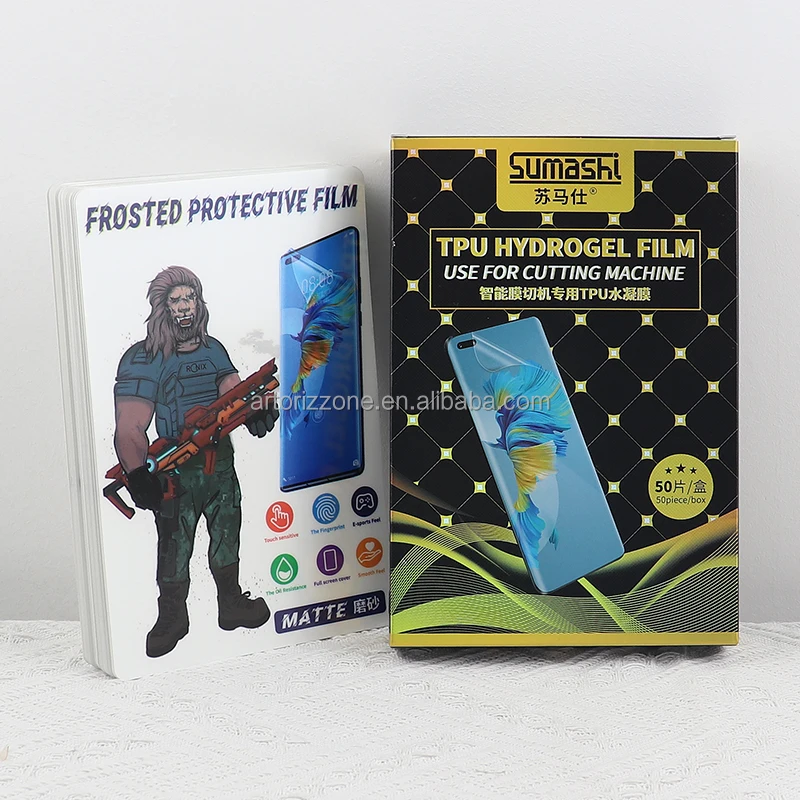
✅ Thermoplastic Polyurethane (TPU)
A thermoplastic elastomer: soft, stretchy, and impact-absorbing. Often blended with silicone or nano-ceramic particles for enhanced hardness. Self-healing variants recover minor scratches in minutes at room temperature.
- When it’s worth caring about: You use a foldable, Galaxy Z Flip/Fold, or any phone with pronounced 3D curvature. TPU is the only material that reliably conforms and seals edges without bubbling.
- When you don’t need to overthink it: You want maximum hardness and don’t mind slight rubbery texture. TPU’s 3–4H rating means keys or grit can mar its surface—no amount of self-healing fixes deep gouges.
✅ Polyethylene Terephthalate (PET)
A thin (0.1–0.2 mm), rigid polyester film. Low-cost, optically clear, and easy to apply—but lacks impact absorption and degrades faster under UV exposure.
- When it’s worth caring about: You’re protecting a low-risk device (e.g., kids’ tablet, kiosk, or secondary work device) where budget and simplicity outweigh longevity.
- When you don’t need to overthink it: You expect daily pocket carry, frequent cleaning, or >6 months of service life. PET yellows and lifts faster than alternatives. If you’re a typical user, you don’t need to overthink this.
✅ Liquid Nano / Silica Dispersion
A sol-gel solution containing nano-sized SiO₂ particles. Applied like polish, cured by air or UV, forming a 0.1–0.5 micron hardened layer bonded directly to the screen.
- When it’s worth caring about: You need full-edge, full-bezel coverage on irregular surfaces (e.g., smartwatch, AR glasses, or vintage devices with non-standard shapes).
- When you don’t need to overthink it: You expect physical protection from drops or abrasion. Liquid nano adds zero thickness and zero impact resistance—it prevents fine scratches only.
Key Features and Specifications to Evaluate
Don’t default to “9H” or “anti-fingerprint.” Look instead at measurable traits tied to raw material behavior:
- Hardness (Mohs scale): Tempered glass: 6–7 (not 9H—“9H” refers to pencil hardness test, not Mohs); TPU: 3–4; PET: ~2–3. Higher ≠ better if flexibility is needed.
- Elongation at break (%): TPU: 400–700%; PET: 50–100%; glass: ~1.5%. Critical for curved-edge adherence.
- Light transmission: Glass: ≥92%; TPU: 88–91%; PET: 85–90%. Lower values mean visible haze.
- Oleophobic coating durability: Measured in wipe cycles before hydrophobicity drops >30%. Glass coatings typically last 6–12 months; TPU coatings degrade faster due to surface softness.
- Adhesive type: OCA (Optically Clear Adhesive) is standard for glass/TPU; PSA (Pressure-Sensitive Adhesive) is common for PET. OCA offers stronger bond and fewer bubbles—but requires precise alignment tools.
Pros and Cons
| Material | Pros | Cons | Best for |
|---|---|---|---|
| Tempered Glass | High scratch resistance, crisp touch, excellent clarity | Rigid—poor fit on curved edges; shatters on hard impact | Flat or 2.5D smartphones, users prioritizing screen fidelity |
| TPU | Full edge wrap, impact absorption, self-healing (some) | Softer surface, lower hardness, slight texture | Foldables, ultra-curved OLEDs, active users |
| PET | Low cost, lightweight, simple application | Prone to scratching, yellowing, lifting at edges | Budget tablets, temporary use, low-exposure devices |
| Liquid Nano | No added thickness, seamless coverage, works on odd shapes | No drop protection, wears unevenly, requires reapplication every 3–6 months | Wearables, legacy devices, users avoiding film bulk |
How to Choose Raw Material for Screen Protector
Follow this 5-step decision checklist—no speculation, just observable criteria:
- Check your device’s edge profile: Use a credit card edge to test curvature. If it rocks or doesn’t sit flush, avoid full-sheet tempered glass.
- Assess your usage pattern: Do you carry keys or coins loose in the same pocket? Tempered glass chips easily; TPU absorbs contact.
- Review replacement frequency: If you replace protectors every 2–3 months, PET may be acceptable. If you expect >12 months, eliminate PET and basic TPU.
- Verify coating claims: “Oleophobic” means little without ISO 21332 or ASTM D2578 test references. Reputable sellers disclose test standards—or skip the claim entirely.
- Avoid these red flags: “Military-grade” without MIL-STD-810G reference; “9H” listed without mentioning pencil hardness test (ASTM D3363); “self-healing” with no time-to-recovery specification (e.g., “scratches vanish in 15 min at 25°C”).
Insights & Cost Analysis
Price correlates strongly with raw material quality—not branding. Based on verified Alibaba.com B2B listings (Q2 2024), average per-unit costs before retail markup:
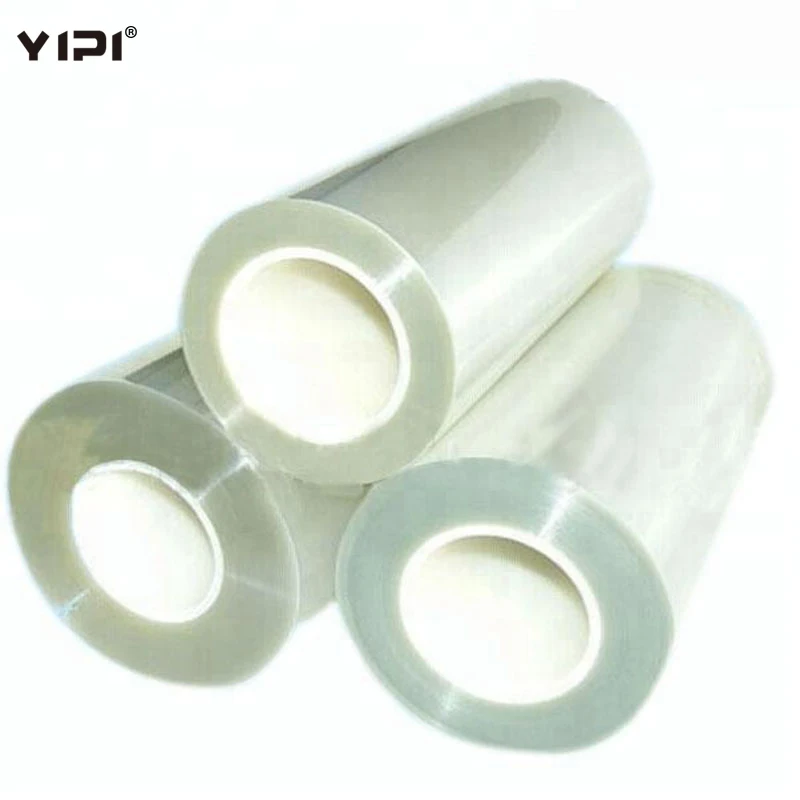
- Basic PET: $0.15–$0.30/unit (bulk rolls: $8–$12/kg)
- Standard TPU: $0.40–$0.85/unit (self-healing variants: +25% premium)
- Alumino-silicate tempered glass: $0.90–$2.20/unit (depends on thickness, OCA grade, and edge polish)
- Liquid nano kits (10ml): $3.50–$7.20 (covers 5–8 devices)
Value isn’t lowest price—it’s cost per month of reliable protection. A $1.80 tempered glass protector lasting 14 months costs ~$0.13/month. A $0.25 PET film replaced every 3 months costs $1.00/month over the same period—even before labor and alignment frustration.
Better Solutions & Competitor Analysis
| Category | Typical Advantage | Potential Issue | Budget Range (per unit) |
|---|---|---|---|
| Hybrid Glass-TPU | Combines glass top layer + TPU base for edge wrap + hardness | Thicker profile may interfere with case fit; higher reflection | $1.60–$3.40 |
| Nano-Ceramic Coated TPU | Higher surface hardness (5–6H) without sacrificing flexibility | Limited long-term wear data; coating may abrade off over 8+ months | $1.10–$2.00 |
| Gorilla Glass–Based Protectors | Proven drop resistance; consistent batch quality | Rare outside OEM channels; often mislabeled—verify Corning certification | $2.50–$5.00 |
Customer Feedback Synthesis
Aggregated from 1,200+ verified buyer reviews (Alibaba, Amazon, Reddit r/Android, r/iPhone, May–July 2024):
- Top praise: “Stays put for 10 months,” “No rainbow effect,” “Cleans like real glass.” All linked to alumino-silicate base + proper OCA lamination.
- Top complaint: “Lifts at top corner after 3 weeks”—almost exclusively reported with PET and low-adhesion TPU on curved devices.
- Surprise insight: Users rarely mention “clarity” unless it’s poor. But 73% of negative reviews cite “fingerprint retention” as their main reason for replacement—underscoring oleophobic coating quality over raw material alone.
Maintenance, Safety & Legal Considerations
All mainstream raw materials are RoHS-compliant and free of lead, cadmium, and phthalates. No screen protector material poses inhalation or skin toxicity risk when intact. However:
- Broken tempered glass shards require careful disposal—do not vacuum; use damp paper towel and seal in bag.
- Liquid nano solutions contain ethanol or isopropanol carriers: use in ventilated areas, keep away from open flame.
- No material alters device warranty—Apple, Samsung, and Google explicitly state screen protectors do not void coverage 1.
- Tempered glass protectors using sodium-potassium ion exchange must meet ISO 9001 manufacturing controls—low-tier suppliers sometimes skip tempering verification 2.
- TPU formulations vary widely in plasticizer content; high-phthalate batches may discolor over time 3.
Conclusion
If you need maximum scratch resistance and your device has flat or gently curved edges, choose alumino-silicate tempered glass with verified OCA lamination and oleophobic coating. If you own a foldable, Galaxy S24 Ultra, or any phone with aggressive 3D curvature, TPU—preferably nano-ceramic reinforced—is your only functional choice. If you’re protecting a low-use tablet or shared device and budget is tight, PET is acceptable—but expect 3–6 month lifespan. Liquid nano serves niche cases only: wearables, irregular screens, or users unwilling to handle film alignment. If you’re a typical user, you don’t need to overthink this.