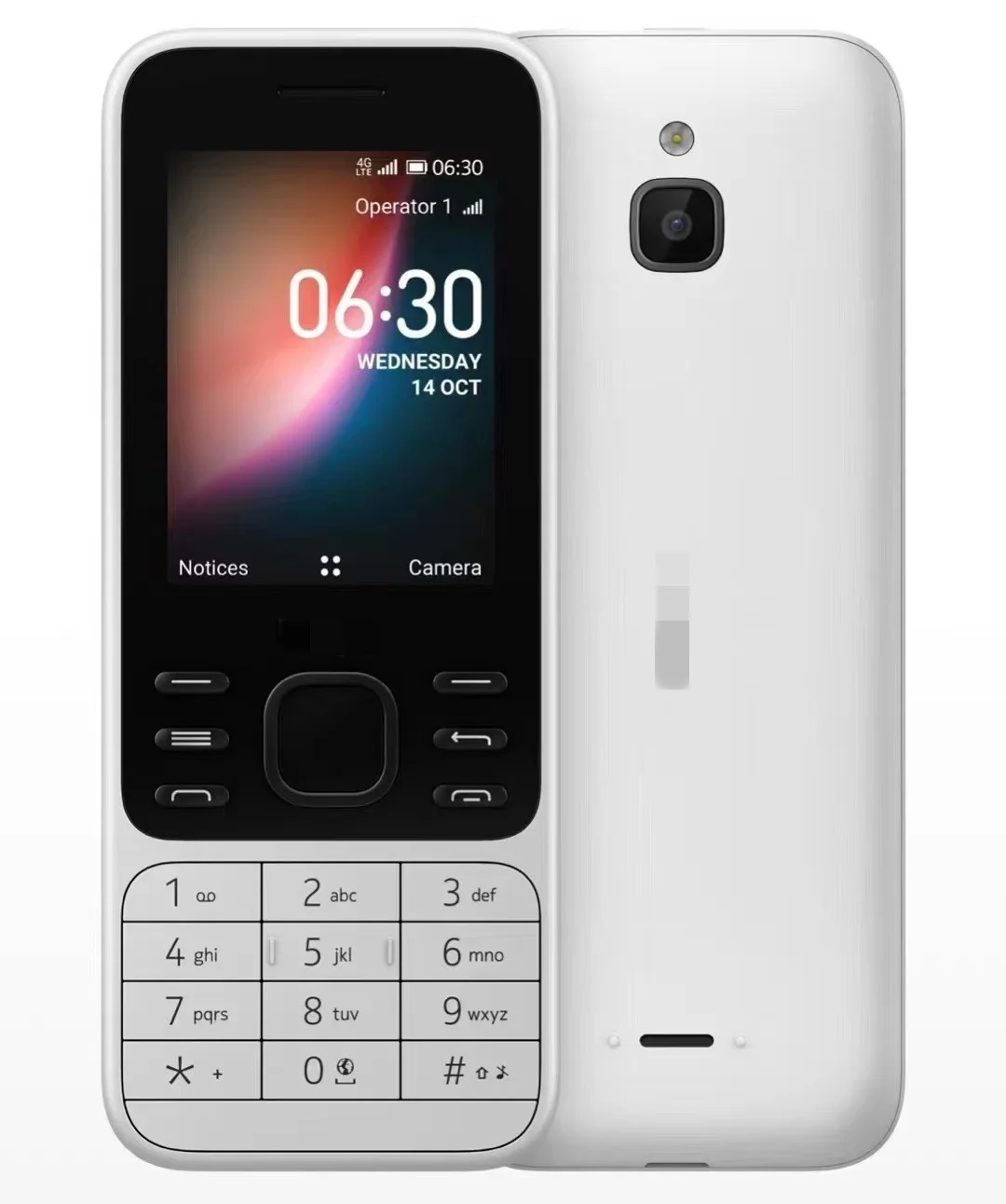
If you’re arriving in Turkey with your own phone, here’s what matters most right now: Buy a tourist SIM at the airport only if you need connectivity within the first hour — otherwise, wait until city centers for better value. Choose Turkcell for rural coverage or Vodafone for urban reliability. If you’re staying longer than 120 days, register your foreign device before it’s blocked — no exceptions. And yes: eSIMs (like Roafly’s $3.90/20GB plan) work reliably, but only if your phone supports them and you activate before landing. This isn’t about finding the “best” Turkish cell phone brand — it’s about matching your usage pattern to the right access method, operator, and legal pathway. Over the past year, enforcement of IMEI registration has intensified, especially for long-term residents — making proactive setup more consequential than ever.
About Turkish Cell Phones
A “Turkish cell phone” isn’t a hardware category — it’s a functional state defined by how the device connects to Turkey’s mobile infrastructure. It refers either to a phone purchased locally (often from domestic brands like General Mobile or Vestel), or a foreign device activated with a Turkish SIM or eSIM and compliant with national registration rules. Typical use cases include short-term travel (≤90 days), mid-term relocation (3–6 months), or permanent residency. Unlike many countries, Turkey treats device identity as tightly coupled with network access: your phone’s IMEI must be registered against your passport or residence permit to avoid automatic deactivation after 120 days. That means even an unlocked iPhone bought in New York becomes a “Turkish cell phone” the moment its IMEI enters the national database.
Why Using a Turkish Cell Phone Is Gaining Popularity
Lately, demand for seamless Turkish mobile access has grown — not because of new hardware, but because of tightening compliance and rising data expectations. Travelers increasingly rely on real-time navigation, ride-hailing apps, and digital banking — all requiring stable, low-latency connections. At the same time, government enforcement of the IMEI registration requirement has become more consistent since mid-2024, reducing tolerance for unregistered devices 1. Meanwhile, eSIM adoption has accelerated: providers like Roafly now offer instant activation without physical pickup — appealing to digitally fluent users who prioritize speed over price negotiation 2. The shift isn’t about preference — it’s about adapting to a system where convenience and legality now move in lockstep.
Approaches and Differences
There are three primary ways to get mobile service in Turkey — each with distinct trade-offs:
- Tourist SIM card: Sold at airports and city kiosks (Turkcell, Vodafone, Türk Telekom). Valid for 90 days. Includes voice, SMS, and data (typically 10–20 GB). Requires passport copy and on-the-spot registration. When it’s worth caring about: You need guaranteed connectivity upon arrival, speak limited Turkish, or lack time to research alternatives. When you don’t need to overthink this: If you’re staying ≤14 days and just need maps and messaging — any major operator works fine.
- eSIM: Digital SIM delivered via email or QR code. Roafly, Airalo, and some carriers offer plans starting at $3.90 for 20 GB. No physical card; activation takes seconds. When it’s worth caring about: You travel frequently, want to keep your home number active, or prefer avoiding lines and paperwork. When you don’t need to overthink this: If your phone is older than iPhone XS or Samsung Galaxy S20 — skip it. Not all models support eSIM in Turkey.
- Local device + SIM: Buying a Turkish-branded phone (e.g., General Mobile GM 21) with pre-installed carrier software. Often bundled with 12-month contracts. When it’s worth caring about: You’re relocating long-term and want full warranty, local service support, and multi-year billing stability. When you don’t need to overthink this: As a visitor — this adds cost and complexity without meaningful upside.
If you’re a typical user, you don’t need to overthink this.
Key Features and Specifications to Evaluate
Don’t evaluate Turkish cell phones like consumer electronics — evaluate them like access keys. Prioritize these four criteria:
- 🌐 Network compatibility: Does your phone support LTE Bands 3, 7, and 20 (used by Turkcell and Vodafone)? Check your model’s specs — not just “4G support.”
- ✅ Unlock status: Carrier-locked phones often fail to register with Turkish SIMs. Verify unlock status before departure — not at the airport counter.
- 📋 IMEI eligibility: Use the official portal (turkcell.com.tr/imei-sorgulama) to confirm your device isn’t blacklisted.
- ⏱️ Activation window: Tourist SIMs require activation within 24 hours of purchase. eSIMs must be downloaded before boarding — Turkish networks don’t allow post-landing provisioning.
If you’re a typical user, you don’t need to overthink this.
Pros and Cons
Each approach delivers utility — but carries context-specific limitations:
- Tourist SIM: ✅ Immediate coverage, wide retail availability, bilingual support. ❌ Higher per-GB cost; limited flexibility beyond 90 days; airport prices ~30% above city rates.
- eSIM: ✅ Instant setup, multi-country options, no physical logistics. ❌ No local customer service; zero recourse if activation fails mid-trip; incompatible with dual-SIM legacy devices.
- Local device: ✅ Full regulatory compliance, local warranty, bundled support. ❌ Upfront cost ($150–$400), contract lock-in, resale friction when leaving.
This piece isn’t for keyword collectors. It’s for people who will actually use the product.
How to Choose the Right Turkish Cell Phone Setup
Follow this five-step checklist — in order:
- Verify device unlock status — Contact your home carrier or use IMEI check tools. Locked phones cause 90% of failed registrations.
- Confirm eSIM compatibility — Visit Apple’s eSIM list or Samsung’s regional support page. Don’t assume “eSIM capable” means “eSIM functional in Turkey.”
- Pick your operator based on geography — Turkcell leads in rural coverage 3; Vodafone excels in cities; Türk Telekom offers lower-cost plans but spottier 4G outside Ankara/Istanbul.
- Decide on activation timing — Airport SIMs cost $30–$45 for 1000–1300 TL packages. City-center purchases (e.g., Turkcell’s Taksim branch) deliver identical plans for $22–$35 — but require transport and ~30 minutes.
- Register immediately if staying >120 days — Submit IMEI + passport at mck.gov.tr. Fee starts at ~$300 USD (variable by device value). Unregistered devices stop working — no warnings.
Avoid these two common pitfalls: (1) Assuming your EU-purchased phone is automatically compatible — Turkey uses different LTE band allocations; (2) Waiting until Day 119 to register — processing takes up to 5 business days.
Insights & Cost Analysis
Here’s what you’ll realistically pay — based on verified 2024–2025 pricing from airport counters, city outlets, and eSIM providers:
| Option | Typical Cost (USD) | Data Included | Validity | Notes |
|---|---|---|---|---|
| Tourist SIM (airport) | $38–$45 | 10–20 GB | 90 days | No extension; requires passport + photo |
| Tourist SIM (city center) | $22–$32 | 10–20 GB | 90 days | Better value; same terms |
| eSIM (Roafly) | $3.90–$14.90 | 20 GB–100 GB | 30–90 days | No physical ID needed; instant delivery |
| Local phone + SIM bundle | $220–$480 | Unlimited data (fair use) | 12–24 months | Requires residence permit for contract |
The biggest value gap isn’t between brands — it’s between timing and location. A $45 airport SIM gives identical service to a $24 city SIM. The difference is pure logistics — not performance.
Better Solutions & Competitor Analysis
For most users, the optimal path combines two elements: an eSIM for initial 30-day flexibility, plus a local SIM for extended stays. Below is a comparison of core service attributes across major providers:
| Provider | Suitable For | Potential Issue | Budget Range (USD) |
|---|---|---|---|
| Turkcell | Rural travel, high-speed needs, reliability-first users | Highest pricing among the big three | $25–$45 |
| Vodafone TR | Urban visitors, social media/data-heavy use | Weaker signal in eastern provinces | $22–$40 |
| Türk Telekom | Budget-conscious users, fixed-location stays | Slower upload speeds on congested towers | $20–$35 |
| Roafly (eSIM) | Digital nomads, multi-country travelers, minimalists | No Turkish-language support; no physical fallback | $3.90–$14.90 |
Customer Feedback Synthesis
Based on aggregated reviews from travel forums, Reddit (r/turkey), and Google Play store ratings (Turkcell/Vodafone apps), recurring themes emerge:
- Top praise: “Turkcell’s app lets me top up and check balance in English — no Turkish needed.” / “Roafly eSIM worked before my plane landed.”
- Top complaint: “My Vodafone SIM stopped working after 10 days — turned out I hadn’t confirmed my passport details online.” / “Türk Telekom’s chat support took 48 hours to reply.”
Maintenance, Safety & Legal Considerations
Turkey enforces strict IMEI-based device regulation. Key facts:
- All phones used for >120 days must be registered via the MCK (Mobile Communication Authority) portal using passport and IMEI 4.
- Unregistered devices receive no warning — they simply lose service. Reactivation requires tax payment and documentation.
- Using someone else’s registered SIM violates Law No. 5809 — penalties include fines and confiscation.
- No safety risks exist from registration itself — MCK does not store biometric data or location history.
Conclusion
If you need reliable, hassle-free connectivity for under 30 days — choose an eSIM from Roafly. If you’re traveling with family, renting a car, or visiting remote areas — go with a Turkcell tourist SIM purchased in the city. If you’re relocating permanently — register your current device first, then consider a local phone only if warranty or repair access matters more than upfront cost. There is no universal “best Turkish cell phone.” There is only the best configuration for your timeline, geography, and technical comfort level. The two most common mistakes aren’t technical — they’re procedural: skipping IMEI checks before travel, and assuming registration is optional. Fix those, and everything else follows.