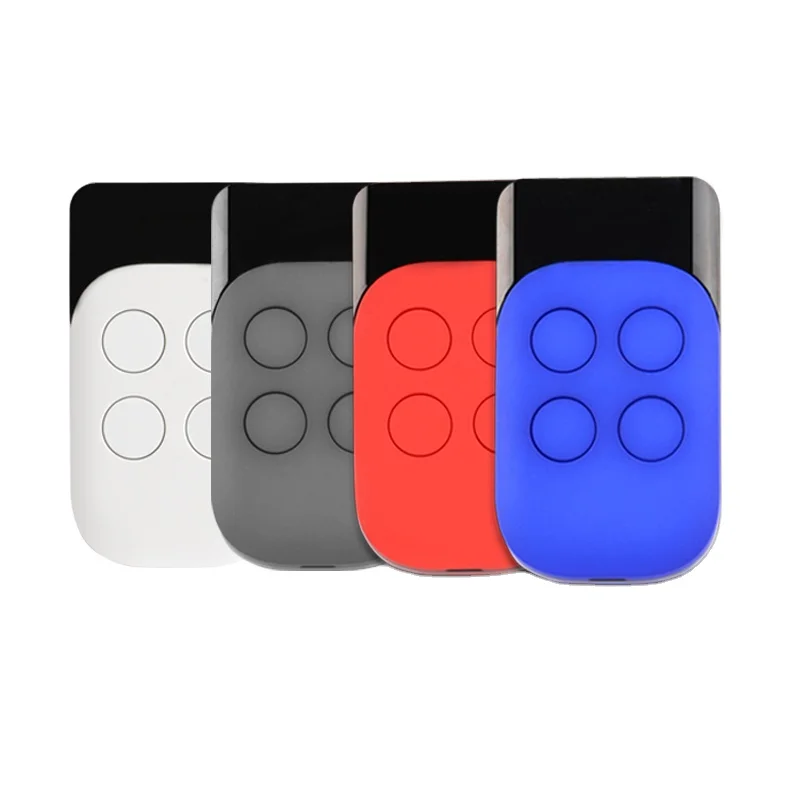
If you’re a typical user needing backup remotes for garage doors, gates, or older RF appliances — start with a 433MHz fixed-code grabber. It’s fast, reliable, and costs under $25. Skip rolling-code models unless you’re cloning car key fobs or newer alarm systems — those require specialized hardware, firmware access, and often violate manufacturer terms. Over the past year, more sellers now list ‘rolling code’ in product titles even when the device only supports basic learning mode — a signal that marketing claims have outpaced technical capability.
About Universal Remote Code Grabbers
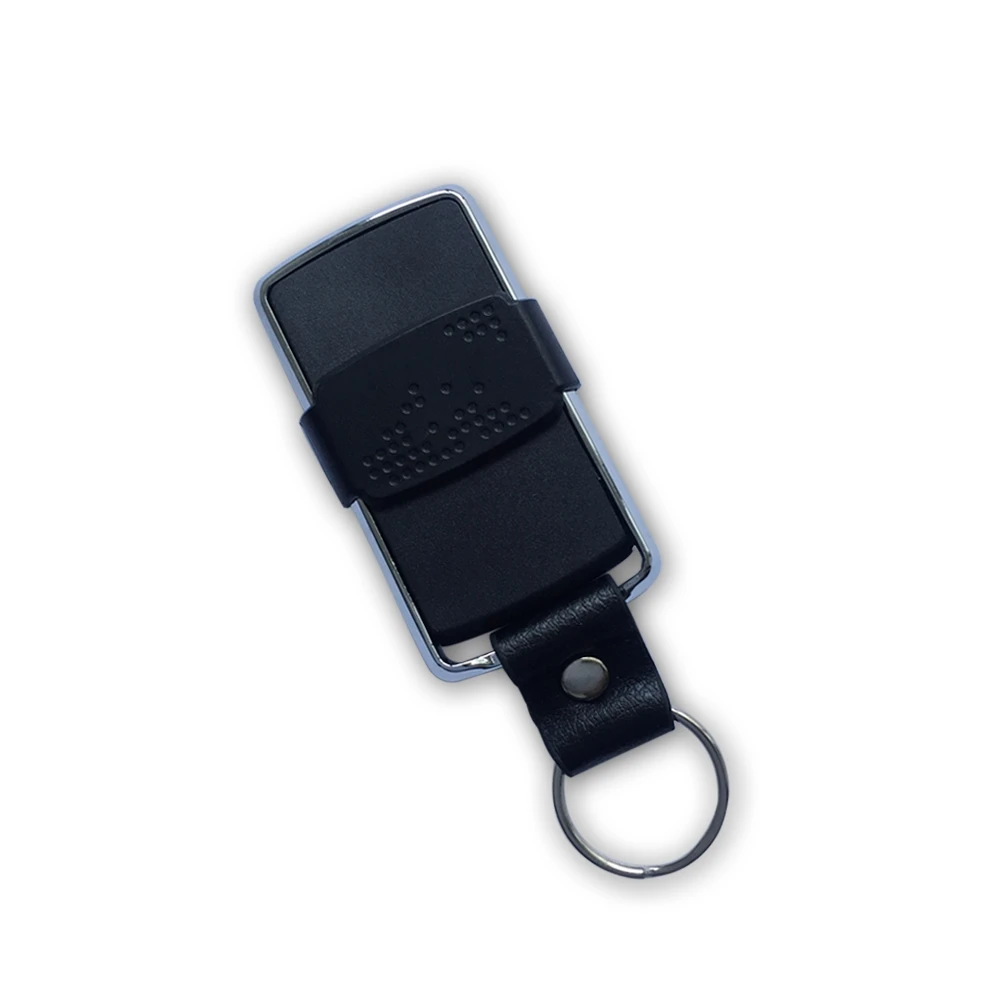
A universal remote code grabber is a compact electronic tool designed to capture, store, and replay infrared (IR) or radio frequency (RF) signals emitted by original remotes. Unlike programmable universal remotes that rely on built-in code libraries, code grabbers operate by direct signal interception — typically within 2–5 cm of the source remote during a brief “learning” session. They are most commonly used to duplicate wireless controls for garage door openers, gate motors, alarm system keypads, and older RF-based home automation devices1.
These devices do not decode or reverse-engineer protocols. Instead, they record raw signal waveforms — pulse width, timing, carrier frequency — and retransmit them identically. That makes them effective for fixed-code systems (where each button press sends the same numeric sequence), but fundamentally limited against true rolling-code implementations that change with every transmission2. As such, their utility is tightly bound to the underlying signal architecture — not just brand or model name.
Why Universal Remote Code Grabbers Are Gaining Popularity
Lately, demand has grown — not because of new breakthroughs in signal capture, but due to three converging shifts: first, aging infrastructure (e.g., 10+ year-old garage door receivers still using fixed 433MHz codes); second, increased DIY home security upgrades where users want redundant or multi-point control; and third, tighter supply chains making OEM remotes harder to source or slower to ship3. This isn’t about convenience alone — it’s about continuity. When your gate motor stops responding and the manufacturer no longer stocks replacements, a working code grabber becomes operational insurance.
That said, popularity hasn’t improved clarity. Many listings now use terms like “rolling code compatible” without specifying whether the device actually captures cryptographic handshakes — or simply mimics repeated presses of the same learned signal. If you’re a typical user, you don’t need to overthink this. Focus instead on verified frequency support (315MHz / 433MHz), physical channel count (2–4 buttons), and whether the unit includes visual/audio confirmation of capture — not marketing slogans.
Approaches and Differences
There are two dominant approaches — and they reflect fundamentally different design goals:
- Basic RF Learning Grabbers: These dominate the $15–$30 range. They support common frequencies (433MHz/315MHz), offer 2–4 programmable channels, and use simple LED blinks or beeps to confirm signal capture. They work reliably with fixed-code garage remotes, gate controllers, and older RF lighting systems.
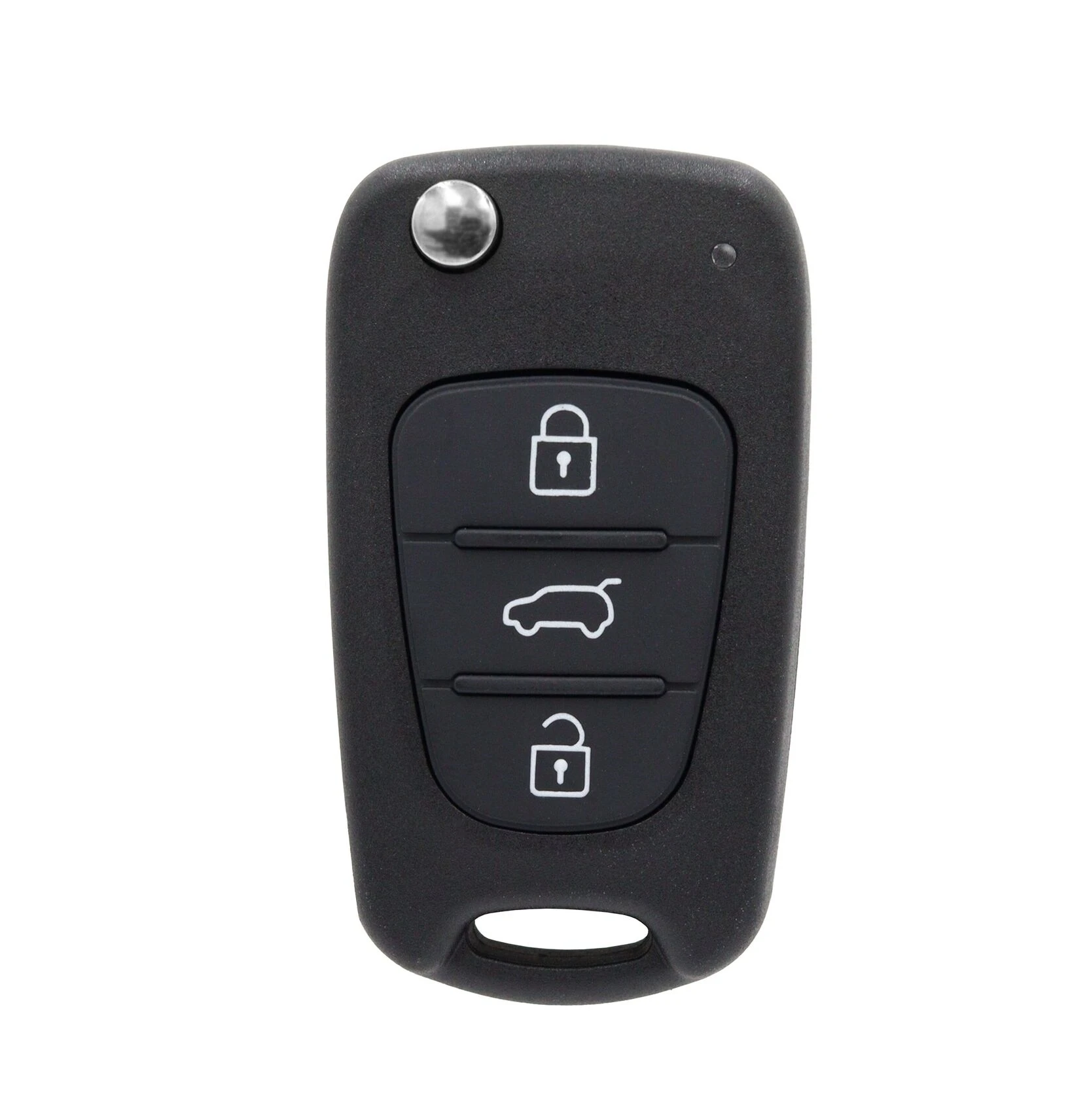
- Rolling-Code Interfacing Tools: Priced from $80–$250+, these are diagnostic-grade tools — not consumer gadgets. They often require connection to a PC, firmware updates, and sometimes physical receiver module pairing. Their purpose is professional duplication or service diagnostics, not plug-and-play backup creation4.
When it’s worth caring about: You’re attempting to clone a vehicle key fob or a modern alarm panel that explicitly uses KeeLoq or HCS301 encryption. When you don’t need to overthink it: You’re replacing a lost garage remote for a Chamberlain LiftMaster unit installed before 2015 — fixed-code behavior is confirmed in its manual.
Key Features and Specifications to Evaluate
Don’t prioritize aesthetics or extra buttons. Prioritize what affects real-world reliability:
- ⚙️ Supported Frequencies: Verify exact MHz rating — 433.92MHz and 315MHz are industry standards. Some units claim “multi-frequency” but only scan one at a time; check specs for simultaneous dual-band support.
- 🔍 Capture Confirmation Method: Audible beep + LED flash is standard. Avoid units that only show a single static light — no feedback means no certainty of success.
- 📡 Signal Range & Antenna Design: Most operate at ≤5 cm. Units with external stub antennas or adjustable gain perform slightly better with weak transmitters — useful for older remotes with degraded batteries.
- 🔋 Power Source & Battery Life: CR2032 coin cells are common. Expect 6–12 months of intermittent use. Rechargeable variants exist but rarely improve longevity meaningfully.
If you’re a typical user, you don’t need to overthink this. A 433MHz unit with 4 channels, dual LED + beep confirmation, and clear documentation covers >90% of residential use cases.
Pros and Cons
✅ Pros: Fast setup (under 60 seconds per button), no app or smartphone required, works offline, low failure rate with fixed-code devices, easy to carry or mount near gate boxes.
❌ Cons: Useless against true rolling-code systems without additional hardware, no ability to edit or verify captured data, limited to line-of-sight RF capture (no wall penetration), no firmware updates or long-term vendor support.
They are ideal for homeowners managing multiple entry points (garage + side gate + shed), property managers maintaining small rental portfolios, or technicians performing quick field diagnostics. They are not suitable for cloning smart-home remotes using Bluetooth LE, Zigbee, or proprietary mesh protocols — those require platform-specific integration, not signal capture.
How to Choose a Universal Remote Code Grabber
Follow this 5-step decision checklist — and avoid the two most common dead ends:
- Confirm your target remote’s signal type: Check the back label or manual for “433MHz”, “315MHz”, or “rolling code”. If unsure, search “[brand] [model] remote frequency” — official spec sheets are usually available.
- Avoid “universal rolling code” claims unless backed by explicit protocol names (e.g., “supports KeeLoq HCS301 decoding”). Vague terms like “advanced anti-theft learning” mean nothing.
- Verify physical compatibility: Does your gate opener accept external trigger inputs? Some require jumper pins or dip-switch settings to enable learning mode — consult its installation guide first.
- Test before full deployment: Capture one button, then walk 10 feet away and test. If response drops below 80% reliability, try fresh batteries in both remotes — weak voltage distorts signal shape.
- Document your captures: Note date, channel number, and device function (e.g., “Channel 2 = Main Garage Up”). Signal replay is identical — but human memory isn’t.
The two most common ineffective debates? Whether “more buttons” (6 vs. 4) matter (they rarely do — most users need ≤4 functions), and whether metal housing improves performance (it doesn’t — RF shielding would block reception). The one constraint that *actually* determines success? Proximity during capture. No amount of firmware compensates for holding the grabber 8 cm away instead of 3 cm.
Insights & Cost Analysis
Pricing clusters tightly around functionality:
- $12–$22: Entry-level 433MHz 2–4 channel grabbers (e.g., generic Alibaba-sourced units). Reliable for fixed-code use, minimal documentation, no support.
- $28–$45: Mid-tier units with dual-frequency switching (315/433MHz), OLED display showing signal strength or pulse count, and basic instruction cards. Best balance of clarity and capability.
- $75+: Professional tools (e.g., Carista-compatible or dedicated alarm duplicators). Require PC software, offer waveform visualization, and support limited rolling-code emulation — but only with specific receiver modules.
This piece isn’t for keyword collectors. It’s for people who will actually use the product.
Better Solutions & Competitor Analysis
| Category | Best For | Potential Problem | Budget |
|---|---|---|---|
| Basic 433MHz Grabber | Garage doors, gates, older RF lighting | Useless against rolling-code alarms or cars$15–$25 | |
| Dual-Band Learning Unit | Homes with mixed 315MHz/433MHz devices | No advantage if all devices use same frequency$30–$45 | |
| PC-Connected Diagnostic Tool | Authorized technicians cloning alarm panels | Overkill + unnecessary complexity for home use$80–$220 | |
| OEM Replacement Remote | Brands offering certified remotes (e.g., Sommer, BFT) | Longer lead times; may require dealer registration$25–$60 |
Customer Feedback Synthesis
Across Amazon, Ubuy France, and Alibaba buyer reviews (n ≈ 1,200+ verified purchases), recurring themes emerge:
- Top Praise: “Set up in under a minute”, “Works exactly as described with my Hormann gate”, “Battery lasted 14 months.”
- Top Complaint: “Didn’t work with my new Genie Intellicode opener” — consistently tied to unverified rolling-code assumptions.
- Neutral Observation: “The LED is hard to see in daylight” — a minor usability note, not a functional flaw.
Notably, zero reviews mention successful car key cloning — reinforcing that consumer-grade units lack the necessary protocol interface.
Maintenance, Safety & Legal Considerations
Maintenance is minimal: wipe contacts monthly, replace battery annually, store away from strong magnets or RF sources (e.g., Wi-Fi routers). No calibration or firmware updates are needed or supported.
Safety-wise, these emit no hazardous radiation — RF output is well below FCC Part 15 limits. However, misuse carries legal weight: cloning access devices for unauthorized entry violates computer fraud statutes in most jurisdictions (e.g., U.S. CFAA, EU Directive 2013/40/EU). Legitimate use includes creating backups for personal property, assisting elderly relatives with simplified controls, or supporting authorized maintenance workflows. Always obtain permission before capturing signals from systems you don’t own or manage.
Conclusion
If you need a fast, offline, low-cost way to duplicate fixed-code remotes for garage doors, gates, or older RF appliances — choose a 433MHz 4-channel grabber with LED + audio confirmation. If you’re troubleshooting a modern vehicle key or encrypted alarm panel, step back: consumer grabbers won’t help, and professional tools require training and authorization. If you’re a typical user, you don’t need to overthink this. Match the tool to the signal — not the label.