0.1 Db Lnb

Overview
Product sourcing insights & recommendations
The phrase '0.1 dB LNB' refers to a high-performance Low Noise Block downconverter designed for satellite signal reception, characterized by an ultra-low Noise Figure (NF) of 0.1 decibels. BravosatcomSatellitefrequency In the B2B satellite equipment market, this specification is a major selling point for Ku-band universal LNBs used in HD and 4K digital broadcasting. SatellitefrequencySatmaximum
Market Reality: Marketing Hype vs. Technical Limits
While "0.1 dB" is a ubiquitous marketing label, technical experts and performance tests suggest it often represents a theoretical peak rather than a consistent operational reality. DigitalspyAlibaba
* Theoretical Bound: A constant 0.1 dB noise figure at ambient temperatures approaches the physical limits of current semiconductor technology. Digitalspy
* Measurement Peaks: Manufacturers often label products "0.1 dB" if they achieve that value at a single specific frequency, even if the average noise across the full Ku-band (10.7–12.75 GHz) is higher (e.g., 0.3–0.5 dB). DigitalspyAlibaba
* Diminishing Returns: For end-users, the jump from a high-quality 0.3 dB LNB to a 0.1 dB unit yields virtually no perceptible difference in picture quality or signal lock speed. AlibabaSatelliteguys
B2B Sourcing & Pricing Insights
The market for 0.1 dB LNBs is dominated by manufacturers in China, primarily in Shenzhen and Anhui. AlibabaAlibaba
* Wholesale Pricing: Bulk prices for "0.1 dB" Universal LNBs range from $0.65 to $3.50 per unit, depending on order volume and port count (Single vs. Quad). AlibabaAlibaba
* Verified Specs: Premium brands like Inverto typically specify their highest-performance units (e.g., Black Ultra) at 0.3 dB, suggesting that reputable industrial manufacturers are more conservative with their performance ratings than generic wholesale brands. Alibaba
* Consumer Demand: While "0.1 dB" remains a high-intent search term for enthusiasts, mainstream market volume is shifting toward 4K/UHD compatibility and 5G-interference filtering, which are currently more critical for signal stability than marginal noise figure improvements. SatellitefrequencyAlibaba
I have compiled a shortlist of 0.1 dB and high-gain LNB products with their respective supplier profiles and wholesale pricing in the deliverables below.
I have analyzed the 0.1 dB LNB market landscape. You can proceed with:
0.1 Db Lnb Universal Ku Band Satellite Dish Lnbf
Products · 5 lists
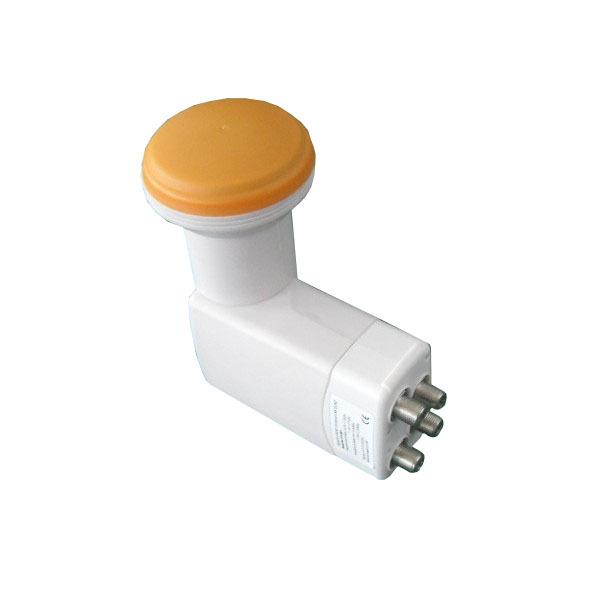
High Gain Ku Band Satellite Lnb Factory Wholesale Universal Ku Lnb Ku Band Quattro LNB Four Way Quad Lnbf for Dish Antenna
 Anhui Bowei Electronics Technology Co., Ltd.🇨🇳CN18 yrs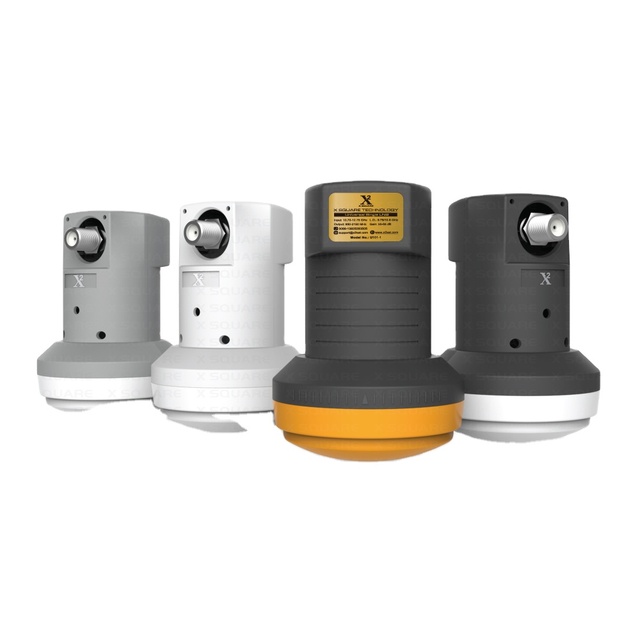
X2 Satellite 5G Smart Unicable Black Ultra Ka Banda Universal Single Dual Quattro Hd Ku Band C Band Lnb Lnbf
 X Square Technology🇨🇳CN16 yrs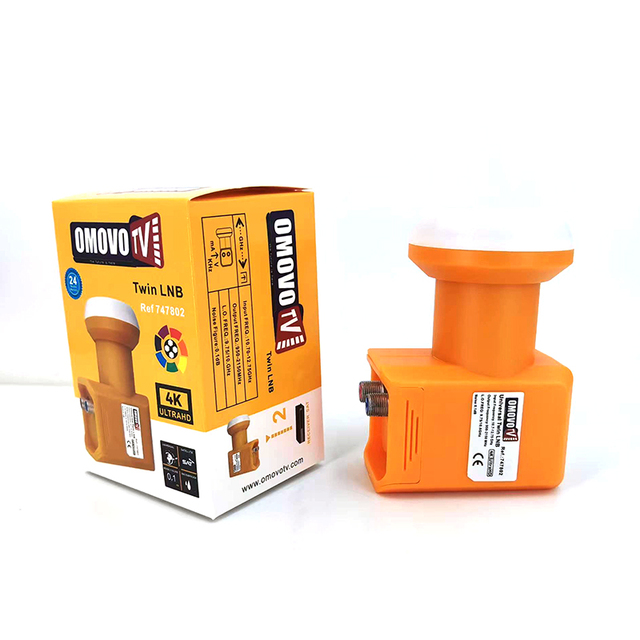
Universal KU Band Twin LNB/high Gain and Low Noise LNBF
 VETEK INDUSTRIAL CO., LIMITED🇭🇰HK1 yr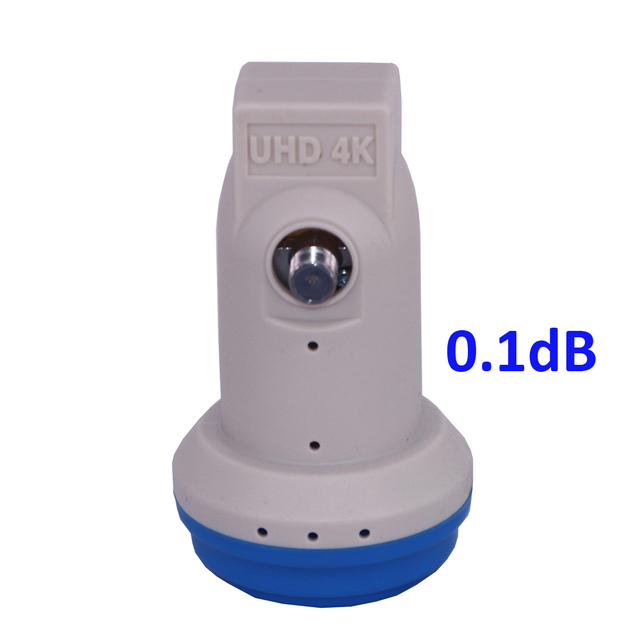
Satellite 0.1dB Low Noise LNB LNBF Ku Band Single LNB EK101C
 ZHUHAI EMC ELECTRONIC TECHNOLOGY CO., LTD.🇨🇳CN1 yr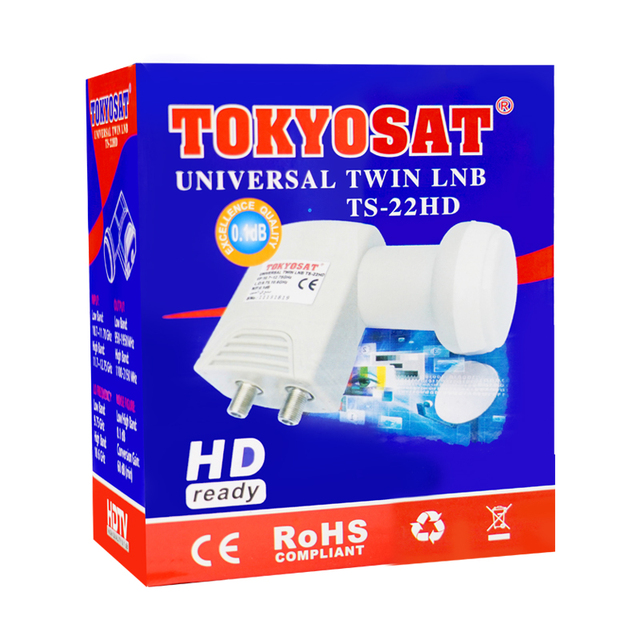
TOKYOSAT TS-22HD Hot Selling 2 Outputs Lnb Universal Monoblock Lnb Satellite Dish Internet Ku Lnb
 Guangzhou Tengo Electronic Technology Co., Ltd.verified🇨🇳CN8 yrs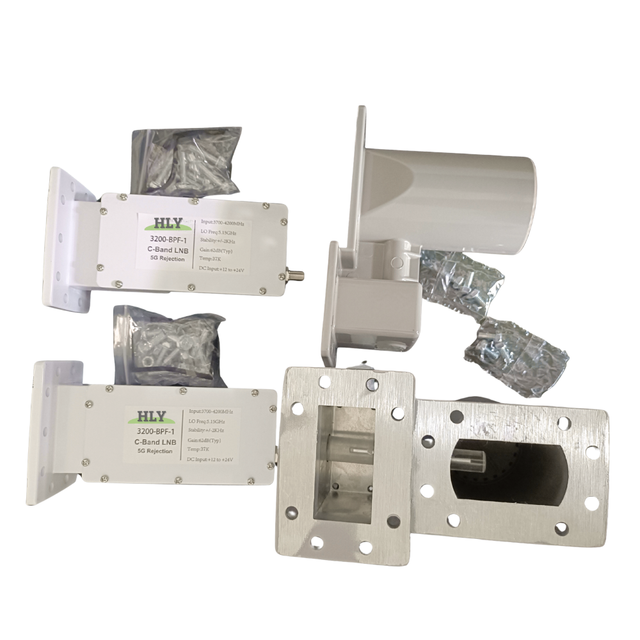
Universal Ku Band Single LNB Satellite TV Antenna with LNBF Holders TV Accessories for Norsat
 Hongliyuan Technology (Zhongshan) Co., Ltd.🇨🇳CN2 yrs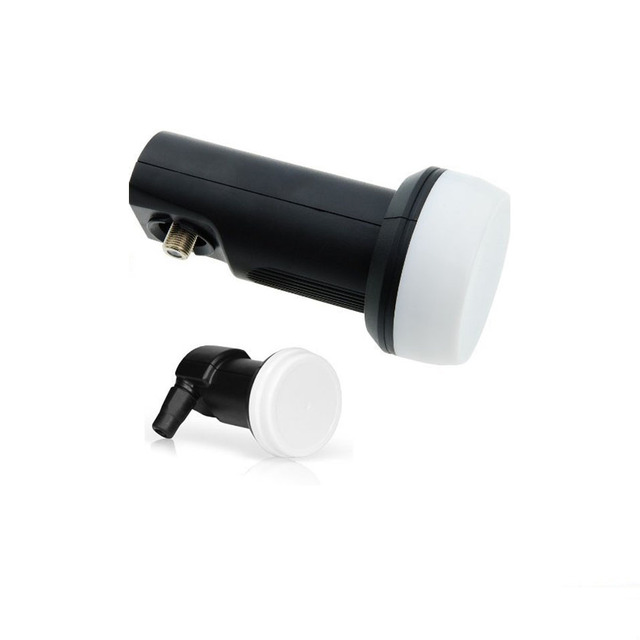
Universal LNB for European Market with High Quality
 Tianchang Haorong Electronic Technology Co., LTD🇨🇳CN8 yrs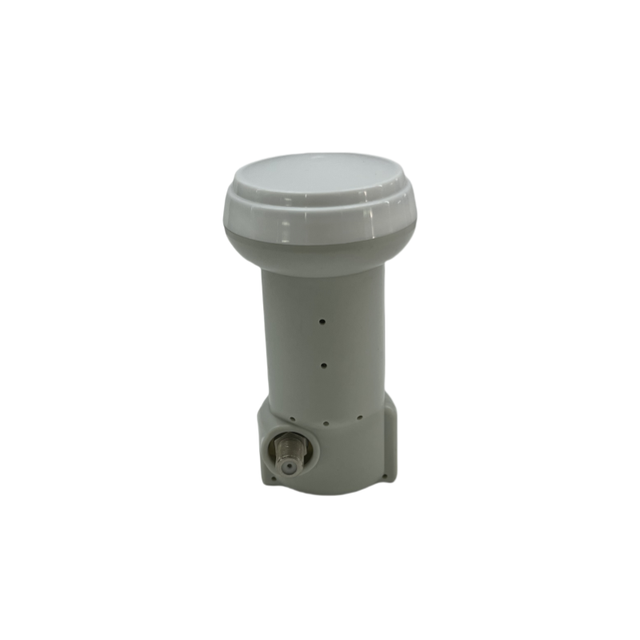
Greatway 9.75/10.6GHz Ku Band Single Satellite LNB
 Shenzhen Greatway Technology Co., Ltd.🇨🇳CN11 yrs
Satellite TV Universal Ku-Band Octo LNBF, High Gain for 4K HD Reception with 8 Independent Outputs
 Hangzhou Dtvane Technology Co., Ltd.🇨🇳CN13 yrs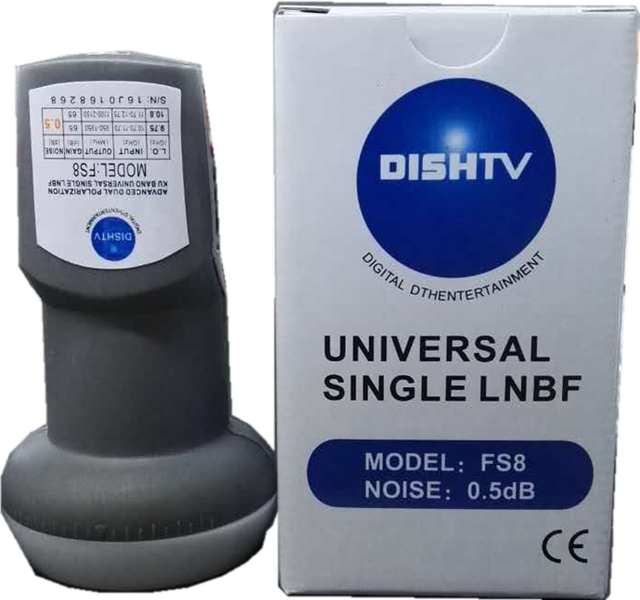
Universal Ku Band Single LNBF Digital HD LNB GR-FS8
 Greengo Trading Limited🇨🇳CN11 yrs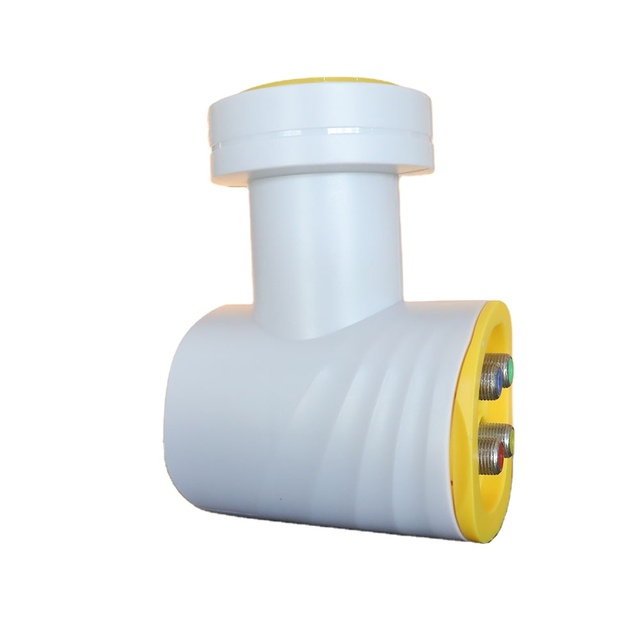
Softel Universal Ku-Band Quattro LNBF for Satellite TV
 Hangzhou Softel Optic Co., Ltd.verified🇨🇳CN20 yrs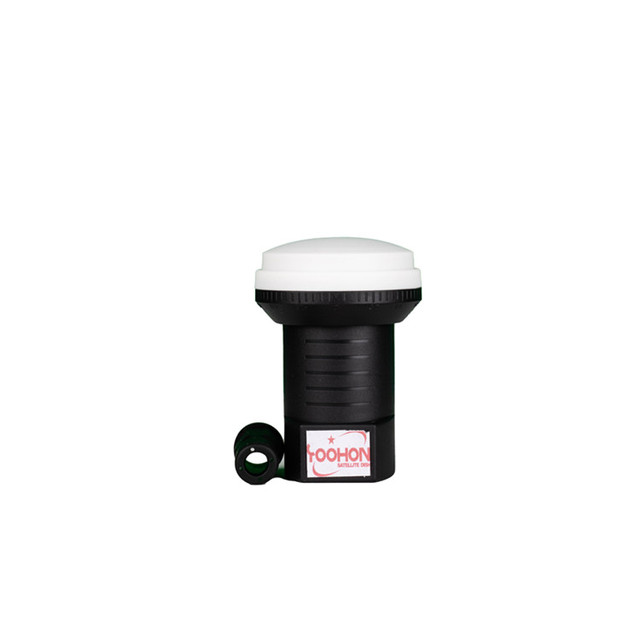
Universal Ku Band Single High Gain Satellite LNB Factory
 Qingtian Yoohon Technology Co., Ltd.verified🇨🇳CN2 yrs
3.4-4.2GHz 5G Filter LNB with C-Band PLL for Norsat 5500 Series
 Zhongshan Hejia Electrical Industrial Co., Ltd.🇨🇳CN20 yrs
3.4-4.2GHz 5G Filter LNB with C-Band PLL for Norsat 5500 Series
Related Searches
Explore more sourcing topics & related categories
Sources & References
27 sources cited · Verified industry data & reports
Importance of LNBs in Satellite Communication - Bravo Satcom
bravosatcom.com
Satellite signals travel vast distances—over 35,000 kilometers from geostationary satellites to Earth. By the time these signals reach the dish, they are extremely weak and susceptible to noise interference from atmospheric conditions, cosmic radiation, and other sources. The LNB addresses this challenge in two ways: Low Noise Amplification: The LNB amplifies the weak signals while adding minimal noise. This is quantified by the Noise Figure (NF), typically ranging from 0.1 dB to 0.5 dB for high-quality LNBs. The Low Noise Block Downconverter (LNB) is a critical component in satellite communication systems, serving as the interface between the satellite dish and the receiver. Its role is indispensable for ensuring efficient signal reception, processing, and distribution. Without an LNB, the signal-to-noise ratio (SNR) would be too poor for the receiver to decode the data effectively, resulting in pixelated video, dropped signals, or complete loss of service. Satellites transmit signals in high-frequency bands, such as Ku-band (10.7–12.75 GHz) or C-band (3.7–4.2 GHz). These frequencies are too high for most satellite receivers to process directly. The LNB performs frequency downconversion, translating these high-frequency signals into lower Intermediate Frequencies (IF)—typically in the range of 950–2150 MHz.
Low-noise block downconverter - Wikipedia
en.wikipedia.org
And there are also available four feed monoblock LNB units, which enable users to receive signals from four satellites, for example Eurobird 9°E, Hotbird 13°E, Astra 19.2°E and Astra 23.5°E (4°+6.2°+4.3°=14.5°spacing). Most receivers sold nowadays are compatible with at least DiSeqC 1.0 which allows to switch automatically between 4 satellites (all of contemporary Monoblock LNBs), as user changes channel on remote control. Here is an example of a North American C-band LNB: ... Noise temperature: 25–100 kelvins (uses kelvin ratings as opposed to dB rating). ... In Europe, as SES launched more Astra satellites to the 19.2°E orbital position in the 1990s, the range of downlink frequencies used in the FSS band (10.70–11.70 GHz) grew beyond that catered for by the standard LNBs and receivers of the time. LNBs for fibre satellite distribution systems operate in a similar way to conventional electrical LNBs, except that all four of the sub-bands in the entire Ku band spectrum of 10.70–12.75 GHz across two signal polarisations are simultaneously block-downconverted (as in a quattro LNB). The four sub-bands’ IFs are stacked to create one IF with a range of 0.95–5.45 GHz (a bandwidth of 4.5 GHz), which is modulated on an optical signal using a semiconductor laser, to send down the fibre cable. Throughout the world, most satellite TV transmissions use vertical and horizontal linear polarization, but in North America, DBS transmissions use left- and right-hand circular polarization. Within the waveguide of a North American DBS LNB a slab of dielectric material is used to convert left and right circular polarized signals to vertical and horizontal linearly polarized signals so the converted signals can be treated the same as in systems that use linear polarization for transmission. By using a local oscillator frequency of 5.150 GHz the IF will be 950–1,450 MHz which is, again, in the receiver's IF tuning range. For the reception of wideband satellite television carriers, typically 27 MHz wide, the accuracy of the frequency of the LNB local oscillator need only be in the order of ±500 kHz, so low cost dielectric oscillators (DRO) may be used.
What is an LNB? - Satellite Frequency
www.satellitefrequency.com
What is an LNB, how does it work, and how do you choose the best LNB? This guide offers in-depth information on LNB types and selection to help you choose the right LNB,LNB, what is an LNB, types of LNBs, how to choose an LNB, satellite dish LNB, LNB noise level, LNB installation, best LNB choice, Ku-band LNB, C-band LNB, single LNB, twin LNB, quad LNB, octo LNB, high-quality LNB, satellite signal LNB, LNB frequency band The size of the satellite dish and the dimensions of the LNB should match. Additionally, the LNB should fit precisely at the focal point of the dish. Noise Level The lower the noise level of the LNB, the better the signal quality. Generally, a noise level between 0.1 dB and 0.3 dB is ideal. An LNB is a signal-receiving unit for satellite dishes. Signals sent by the satellite travel through the atmosphere to reach the satellite dish. However, these signals have a very high frequency, so the LNB captures them and converts them to a lower frequency to be sent to the satellite receiver. The working principle of the LNB begins with positioning at the focal point of the satellite dish to capture high-frequency signals. These signals are then converted to a lower frequency within the LNB and transmitted to the satellite receiver. The LNB’s low noise level allows signals to be transmitted without compromising quality.
FTA Universal Ku Band LNB, 0.1dB Satellite Dish LNBF, Linear, ...
satmaximum.com
Amplifying the detected weak signal works through the connection of an LNB to an indoor satellite receiver. Additionally, the signal is converted and transmitted to the receiver to begin watching your favorite shows. Before acquiring an LNB, it is essential to invest in the one that withstands extreme weather conditions without deteriorating the signal strength. Offering a stable and increased signal boost while maintaining low noise at 0.1dB, this LNB provides universal signal coverage worldwide. High signal gain that works worldwide Why does it matter: Signal gain refers to the capacity of the amplifier to strengthen the signal from the antenna. It is vital to obtain an LNB that has at least 60dB gain expressed in dB. It is sufficient enough to amplify a strong signal before it can get transported down a coaxial cable. Universal Linear KU LNBF Why does it matter: Allowing you to switch the frequency in the satellite Ku band, the LNBF can be operated in different operation modes depending on the reception. From Low/Hor, Low/Ver, High/Hor, to High/Ver, you can configure the polarization without the need for a separate polarizer. We know you can’t wait to get what you ordered, so we guarantee to process all in-stock items within 1 business day and make every attempt to deliver your package within 2–5 business days after it ships from our warehouse. Any order placed before 2 PM, Monday through Friday, will be shipped out the same day.
LNB Types: Single, Twin, Quad, Octo Models and Their Applications ...
www.satellitefrequency.com
What are the types of LNBs? Explore single, twin, quad, and octo LNB models and their applications! A detailed guide to choosing the right LNB for home, apartment, or commercial satellite systems. LNB types, single LNB, twin LNB, quad LNB, octo LNB, LNB models, Türksat 4A LNB, twin LNB price, quad LNB price, octo LNB price, quattro LNB, monoblock LNB, satellite receiver, satellite dish LNB, LNB prices, LNB noise figure, 4K LNB, HD LNB, satellite signal quality, Next LNB, Inverto LNB It converts high-frequency microwave signals (e.g., Ku-Band or C-Band) into a lower intermediate frequency (IF), amplifies them, and sends them to the satellite receiver via a cable. LNBs are designed to enhance signal quality and minimize noise. The lower the noise figure (e.g., 0.1 dB), the better the signal quality. Definition: A single-output LNB sends signals to one satellite receiver, processing signals from the dish for a single TV or device. ... Also known as a universal LNB, supporting both low and high frequency bands. Compatible with Full HD and 4K broadcasts (e.g., Next YE-101 Platinum 0.1 dB, priced around 125 TL). Offers high signal quality with a low noise figure (0.1-0.3 dB). ... Homes with a single TV or individual satellite systems. Works well with small dishes (50-75 cm). Ideal for simple, cost-effective setups. Price Range: 40-250 TL (depending on brand and quality). ... Definition: A dual-output LNB delivers signals to two receivers or a dual-tuner receiver, allowing two TVs to watch different channels simultaneously.
LNB (Low Noise Block Converter) Noise Figure and Selection Guide ...
antesky.com
In satellite TV systems, LNB (Low Noise Block Converter) is one of the key components. Its main function is to receive weak signals transmitted from satellites and convert them into low-frequency signals that satellite receivers can process. Choosing a suitable LNB can significantly improve the quality of signal reception. Ku-band LNB (10.7-12.75GHz): used for small and medium-sized antennas (0.6-1.2 meters), modern satellite TV mainly uses this frequency band ... The noise figure (NF) of an LNB is a parameter that measures the amount of noise introduced by the LNB during signal reception. In other words, it indicates how much internal noise is generated when the LNB amplifies the external signal. The noise figure is usually expressed in decibels (dB). Ku-band: high-quality LNBs are usually between 0.1dB and 0.3dB. C-band: high-quality LNBs are usually between 15°K and 25°K. In satellite signal transmission, the signal strength will be significantly weakened when the signal reaches the ground after a long distance transmission. Therefore, the LNB needs to amplify and convert these weak signals, but in this process, the device itself will also introduce some noise. If the noise figure of the LNB is high, this noise will be mixed with the original satellite signal, resulting in a decrease in the quality of the received signal, distortion of the image or sound, or signal loss. We believe you learn something useful from above LNB introduction and selection guide. Antesky Science Technology Inc. was built in 1985, we’re mainly engaged in the design and manufacture of satellite communication large satellite dish,VSAT antenna,TVRO antenna, Portable flyaway antenna and relevant control and tracking system. We have a selected range of antenna in the frequency band, such as C-band, Ku-band, X-band, L-band, S-band, Ka-band, DBS-band.