1.5 V Battery Charger Circuit

Overview
Product sourcing insights & recommendations


The market for 1.5V battery charger circuits is undergoing a significant transition from traditional NiMH (1.2V) to high-performance Lithium-ion (1.5V) technology. This shift is driven by the demand for constant voltage in sensitive electronics like VR controllers, high-drain LED flashlights, and professional audio gear UnirossNytimes.
1. Key Market Trends
* Constant Voltage Dominance: Unlike NiMH batteries that drop to 1.0V during use, modern 1.5V Li-ion circuits use internal DC-DC buck converters to maintain a steady 1.5V output until the cell is depleted Uniross.
* Integrated Charging: A major trend is the move away from standalone chargers toward batteries with USB-C ports built directly into the casing, simplifying the user experience for travelers and professionals Goughlui.
* Hybrid Charger Circuits: New wholesale products, such as those from XTAR, now feature dual-logic circuits capable of identifying and charging both 1.2V NiMH and 1.5V Li-ion cells in the same slot GoughluiAlibaba.
2. Technical Insights & Product Features
Analysis of current B2B offerings reveals a focus on PCBA miniaturization and safety management:
* Smart BMS: High-end circuits incorporate Battery Management Systems (BMS) that prevent overcharging and manage heat, critical for high-density lithium cells GoughluiAlibaba.
* Wholesale Availability: Ready-to-ship 1.5V AA/AAA chargers are priced between $3.30–$4.00 per unit for bulk orders, often featuring 4 to 8 independent charging slots AlibabaAlibaba.
* DIY/Industrial PCBA: Specialized modules for custom product development are available for as low as $0.46, supporting 5V USB input to 1.5V buck conversion Alibaba.
3. Consumer Pain Points
* Sudden Power Loss: Because the circuit maintains 1.5V until the very end, devices often shut off without the "dimming" warning typical of NiMH batteries Nytimes.
* EMI Noise: The internal switching regulators in some low-cost 1.5V Li-ion batteries can introduce electronic noise into audio equipment Uniross.
* Charger Confusion: Consumers often struggle with incompatibility, as standard NiMH chargers cannot charge 1.5V lithium batteries, leading to a demand for clearly labeled or universal charging hubs NytimesBudgetlightforum.
For detailed product specifications and supplier data, please refer to the attached B2B search files.
Here is the analysis of 1.5V battery charger circuits and market trends. You can continue with:
Smart Battery Charger Ic 1.5v Li Ion Nimh Compatible
Products · 3 lists
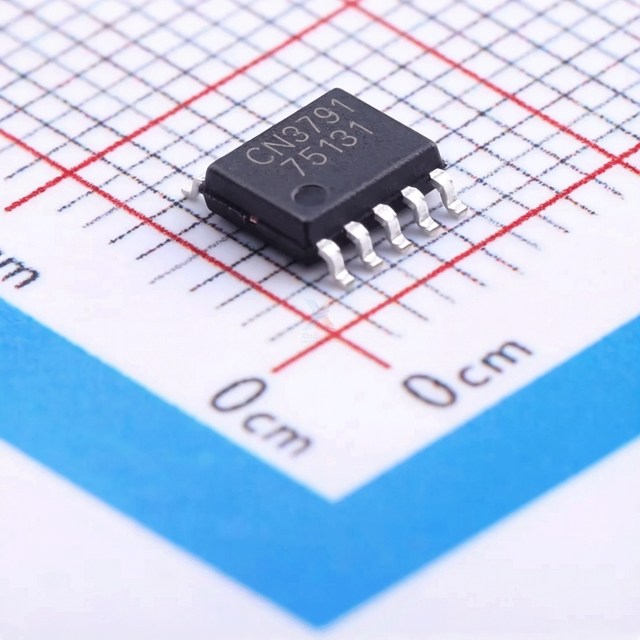
Genuine CN3791 Solar-Powered Single Cell Li-ion Battery Charger IC | 4.5V-28V Input, 4A Max, 4.2V Cutoff, MPPT, in Stock
 Xinquehui Electronics (Shenzhen) Co., Ltd.verified🇨🇳CN1 yr
New Original Battery Charger IC 500mA ME4054BM5G-N SOT-23-5 Charging IC Chip ME4054BM5G
 Shenzhen Nine Lucky Star Electronic Technology Co., Ltd.🇨🇳CN1 yr
CN3065 DFN-8 Battery Charger IC Surface Mount Lithium Battery Charge Management IC Lithium Ion Battery Charger IC Chip CN3065
 Shenzhen Oufade Electronics Co., Ltd.🇨🇳CN5 yrs
Electronic Integrated Circuits IC BATT CHG LI ION 1CELL 8UDFN Original Battery Chargers MC34671AEPR2 8 UFDFN Exposed Pad
Related Searches
Explore more sourcing topics & related categories
Sources & References
24 sources cited · Verified industry data & reports
Ride with Us! — Circuit
Ride Circuit
Easy. Affordable. Eco-Friendly. Circuit is your local electric shuttle, connecting you to your community while reducing emissions and improving access.
CIRCUIT Definition & Meaning
Merriam-Webster
The meaning of CIRCUIT is a usually circular line encompassing an area. 2026 Research has also shown that a change in mindset can re-circuit ...
Circuit - Your Local Electric Shuttle
Ride Circuit
Circuit designs, launches and operates on-demand transportation for cities, agencies and properties. 2026 Circuit.

CircuitNR | New Rochelle, NY
New Rochelle, NY (.gov)
City of New Rochelle has partnered up with Circuit to provide a 100% electric micro-transit solution for residents and visitors.

Circuit | Purpose-Built AI for Manufacturing & Service Teams
Circuit.AI
Circuit turns your hard-won knowledge into validated configurations, finished quotes, and resolved calls. The toughest jobs of the week — done before lunch.
West Palm Beach Location
Ride Circuit
Circuit aims to be the lowest cost option for your about-town mobility needs. Instead of charging a premium for electric vehicles, we believe it should cost ...