110 Slide Projector

Overview
Product sourcing insights & recommendations


The "110 slide projector" refers to a legacy category of optical hardware specifically designed for the 110 film format, which was a popular consumer choice in the 1970s. In the current market (2026), these devices are categorized as vintage or "dead" technology, with consumer interest shifting almost exclusively toward digital preservation.
Product & Technical Context
* 110 Format Slides: Introduced by Kodak in 1972, these slides are significantly smaller than standard 35mm film, featuring a 13mm x 17mm image area Everpresent.
* Mount Varieties: They typically appear in two forms: 30mm x 30mm (mini mounts) or standard 2x2 inch mounts with a smaller window EverpresentSlides.
* Flagship Hardware: The Kodak Pocket Carousel Projector was the definitive device for this format Slides. All manufacturing for this series ceased in 2004, and official support ended in 2011 Slides.
Market Trends & Insights
* Market Dominance of Digitization: The primary "trend" is not the use of projectors but the conversion to digital. Modern consumers prefer high-resolution scanning over projection to prevent heat damage to fragile film HeirloomHeirloom.
* The "Nostalgia Peak": While new units aren't being built, there is a consistent niche interest. Search volume for "slide projector" saw a notable surge in late spring 2026, reaching a peak heat of 88 .
* Secondary Market Value: Refurbished vintage units command between $200 and $250 on secondary platforms, driven by collectors and families digitizing archives Capture.
* Supply Scarcity: A major constraint for this market is the shortage of replacement parts, specifically the high-heat bulbs required for vintage projection Heirloom.
Commercial Reality
On B2B platforms like Alibaba, searching for "110 slide projectors" yields educational toys or digital mini-projectors rather than actual film-based hardware AlibabaAlibaba. For business purposes, the opportunity lies in digitization equipment (scanners) rather than the projectors themselves.
30x30mm Slide Mounts
Products · 3 lists
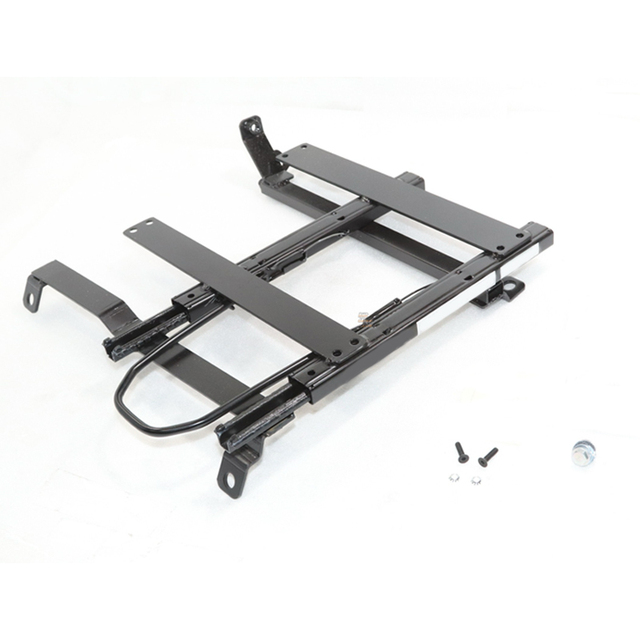
Custom Racing Seat Mount Bracket Slide Rail
 Ningbo Tower Machinery Co., Ltd.🇨🇳CN10 yrs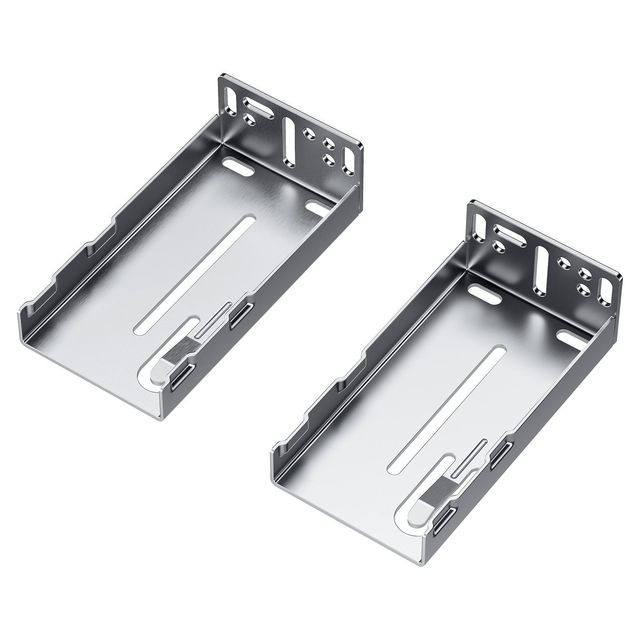
Drawer Slide Mounting Bracket Steel 100 Lbs Capacity For Cabinet Drawer Industrial Design
 TradeTech Innovations Inc🇺🇸US1 yr
Marcoo 30mm Matte Black 7075 Aluminum Alloy LPVO Tube Slider Switch Scope Mount with 11-Level Red Illumination HY3470
 Foshan Marcool Optical Instrument Co., Ltd.🇨🇳CN13 yrs
Related Searches
Explore more sourcing topics & related categories
Sources & References
24 sources cited · Verified industry data & reports
Projector Market Analysis, Size, and Forecast 2026-2030
Technavio
The Projector Market size is expected to grow by USD 5041.9 million from 2026-2030 expanding at a CAGR of 5.1% during the forecast period.
Projector Market Size, Trends, Share, 2031 Report
Mordor Intelligence
The Projector Market worth USD 12.87 billion in 2026 is growing at a CAGR of 4.07% to reach USD 15.72 billion by 2031.

The Ultimate Guide to 2026 Portable Projector Trends
Yaber
The new wave of 2026 laser portable projectors achieves 110% of the BT.2020 color gamut. This means they can display colors—deep crimsons, ...

Interactive Projector Market | Global Market Analysis Report
Future Market Insights
The global interactive projector market is estimated at USD 4.41 billion in 2026 and is projected to expand at 11.3% CAGR from 2026 to 2036.

Strategic Roadmap - Digital Movie Projector market
The Digital Movie Projector Market is projected to exhibit a CAGR of 10.7% during the forecast period, reflecting strong consumer interest and ...

Global Slide Projector Market Report 2026 - Prices, Size, ...
IndexBox
This report, based on a 2026 analysis with a forecast extending to 2035, provides a comprehensive assessment of an industry