18 400mm Lens

Overview
Product sourcing insights & recommendations
I have completed a detailed analysis of the 18-400mm lens market, focusing on product performance and emerging trends.
The market is currently dominated by the Tamron 18-400mm f/3.5-6.3 Di II VC HLD, which stands as a unique "reach king" in the APS-C DSLR sector with its unprecedented 22.2x zoom range. While it offers unmatched convenience for travel and amateur wildlife photography, consumer sentiment highlights a trade-off between its massive focal range and image sharpness at the 400mm extreme.
The broader camera lens market is projected to reach $6.76 billion by 2026, driven by a growing demand for versatile, lightweight optics and the rise of social media creators. However, the 18-400mm specifically faces a strategic challenge as the industry shifts toward mirrorless systems, suggesting that its future utility may depend on adapter compatibility or the development of native mirrorless superzooms.
Detailed technical specs, competitive comparisons, and strategic recommendations are available in the attached report.
Based on the current market findings, you can continue with these steps:
Tamron 18 400mm F 3.5 6.3 Di Ii Vc Hld Lens For Canon Nikon
Products · 2 lists
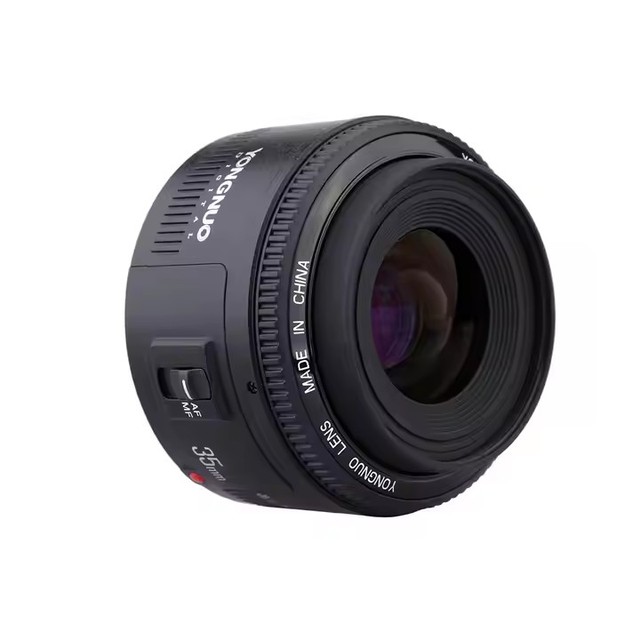
Yongnuo YN35mm F2 Auto Focus Lens EF Mount 450D 550D 650D 1100D 5D Mark III 700D 600D 70D 60D 6D Compatible Camera
 MM Shanghai Industries Co., Ltd.🇨🇳CN3 yrs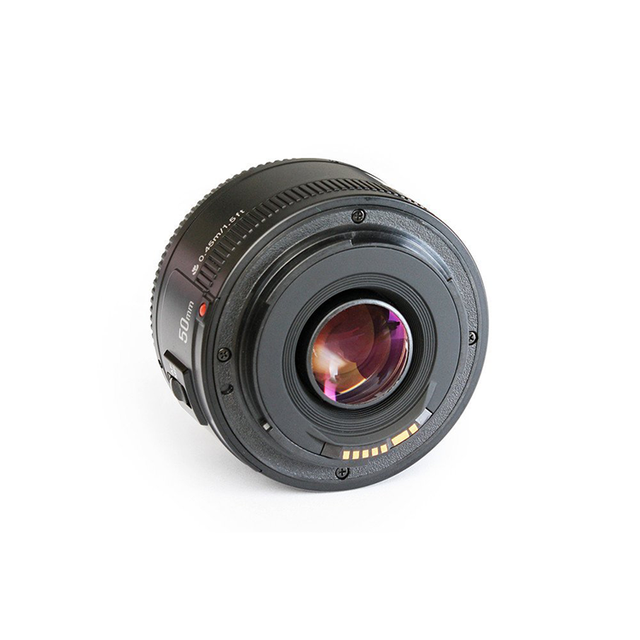
YONGNUO YN50mm F1.8 Standard Prime Large Aperture Auto Focus Dslr Camera Lens for canon EF Mount Rebel DSLR Camera
 Shanghai Goldea International Group🇨🇳CN9 yrs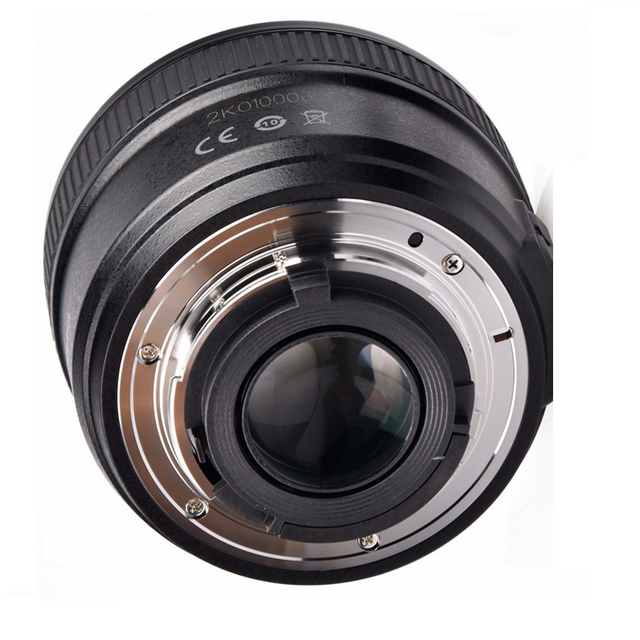
Best Yongnuo 35mm Lens YN35mm F2.0 Lens Wide Angle Fixed Dslr Camera Lens for Nikon for canon Mount Wide Angle Lenses
 Sino-Shanghai Oriental Manufacturing🇨🇳CN10 yrs
Yongnuo Yn50mm F1.8 Standard Prime Large Aperture Auto Dslr Camera Lens For Ef Mount Rebel Dslr Camera
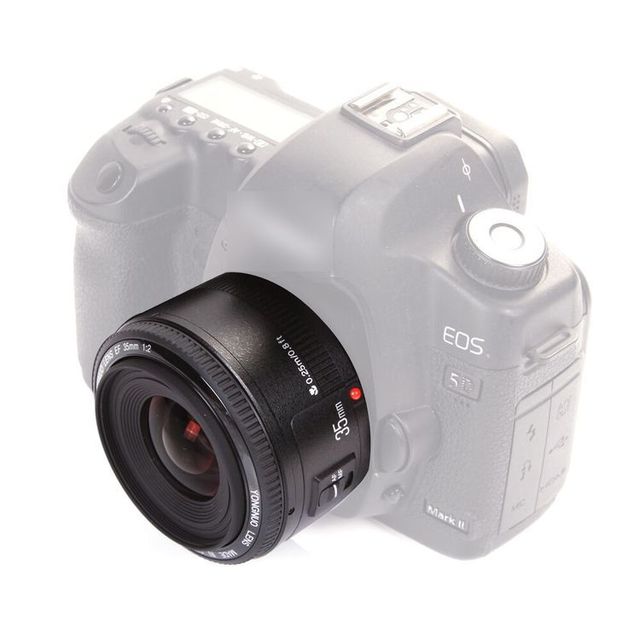
Yongnuo YN35mm F2 Wide Angle Auto Focus AF MF Lens for Canon EF EOS Camera 500d 600d 120d 5d Mark Iii 6d 7d 60d 70d 1000d 1d
 Shanghai Goldea Import & Export Co., Ltd.🇨🇳CN9 yrs
50mm Wide Angle Fresnel Tamron Camera Lens for sony canon Dslr
 Shenzhen Mingfaxing Technology Co., Ltd.🇨🇳CN10 yrs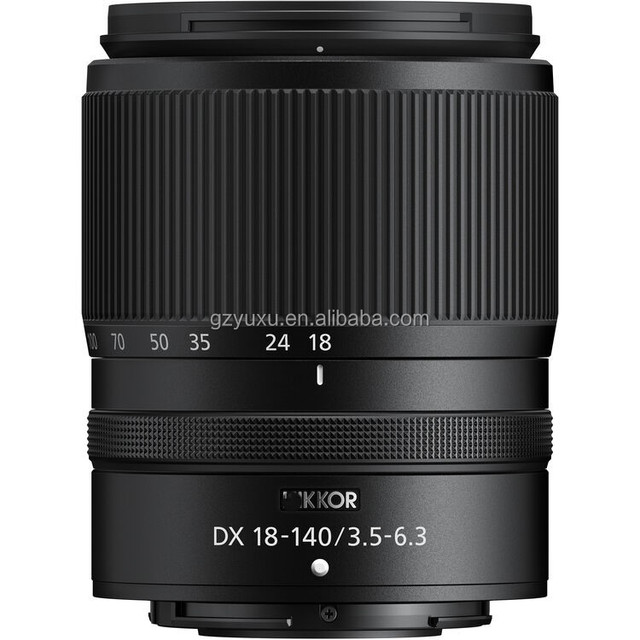
Used Z DX 18-140mm F/3.5-6.3 VR Lens APS-C Zoom, 18-140mm Range, Vibration Reduction, Z-Mount, Compact & Lightweight
 Guangzhou Yuxu Technology Co., Ltd.🇨🇳CN1 yr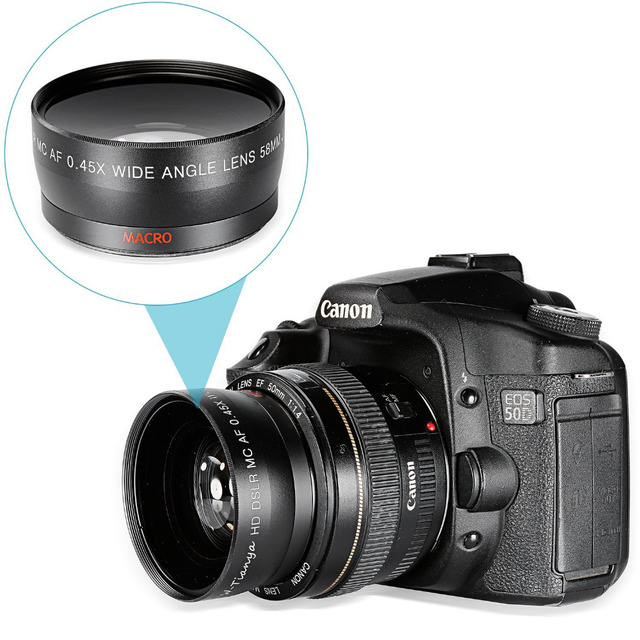
58MM 0.45x Wide Angle Lens Macro Lens for Cannon 5D/60D/ 70D/350D / 400D / 450D / 500D /1000D/ 550D / 600D /1100D 18-55MM Lens
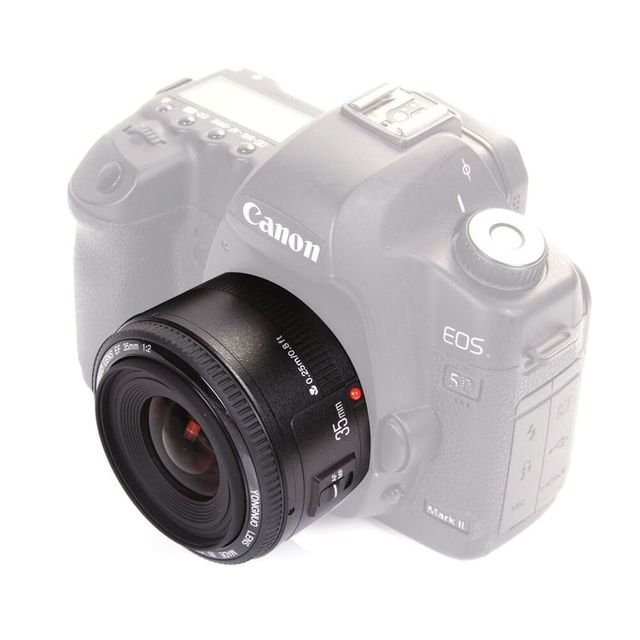
Yongnuo YN35mm F2 Wide Angle Auto Focus AF MF Lens for Canon EF EOS Camera 500d 600d 120d 5d Mark Iii 6d 7d 60d 70d 1000d 1d
 Shenzhen Hongtu Zhanfei Technology Co., Ltd.🇨🇳CN7 yrs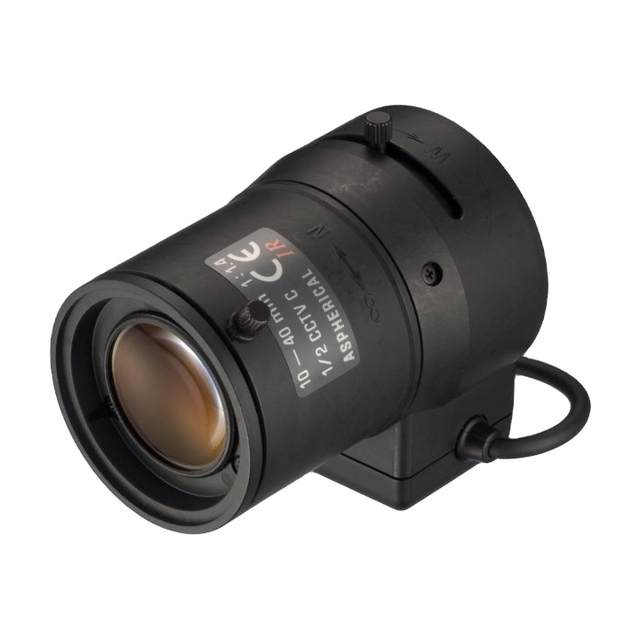
Tamron 12VG1040ASIR CCTV Camera 10-40mm Lens with DC Auto Iris 12VM1040ASIR

Camera Lens 420-800mm F/8.3 Manual Zoom Telephoto Lens for Digital Camera Lens
 Shangrao Deetin Technology Co., Ltd.🇨🇳CN12 yrs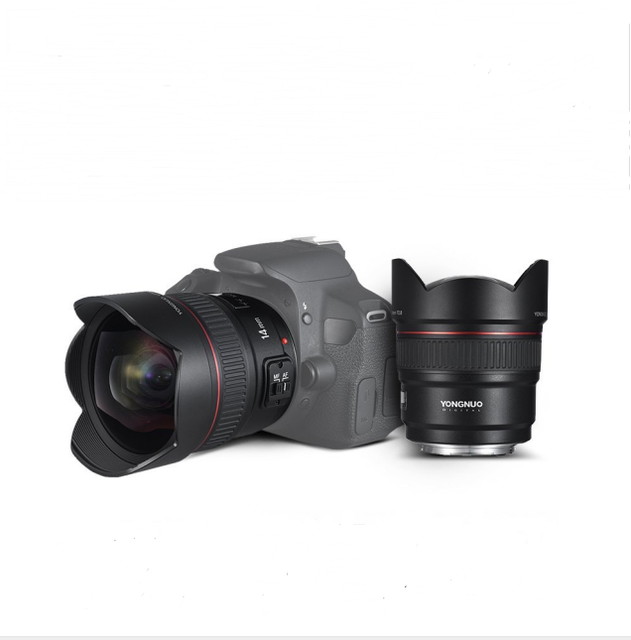
Original Yongnuo YN14MM F2.8 ultra Wide Angle Prime Camera Lens for Canon 700D 80D 5D Mark III IV
 Shenzhen Tezelong Technology Co., Ltd.verified🇨🇳CN10 yrs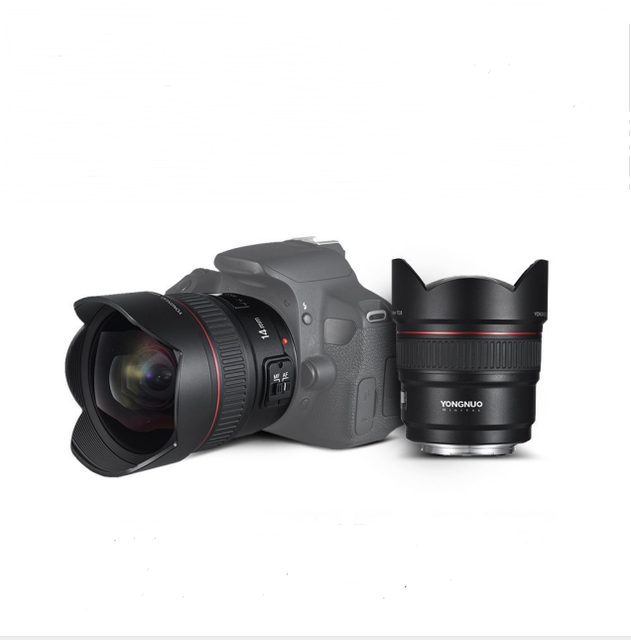
Original Yongnuo YN14MM F2.8 ultra Wide Angle Prime Camera Lens for Canon 700D 80D 5D Mark III IV
 Guangzhou Emilyfoto Co., Ltd.verified🇨🇳CN7 yrs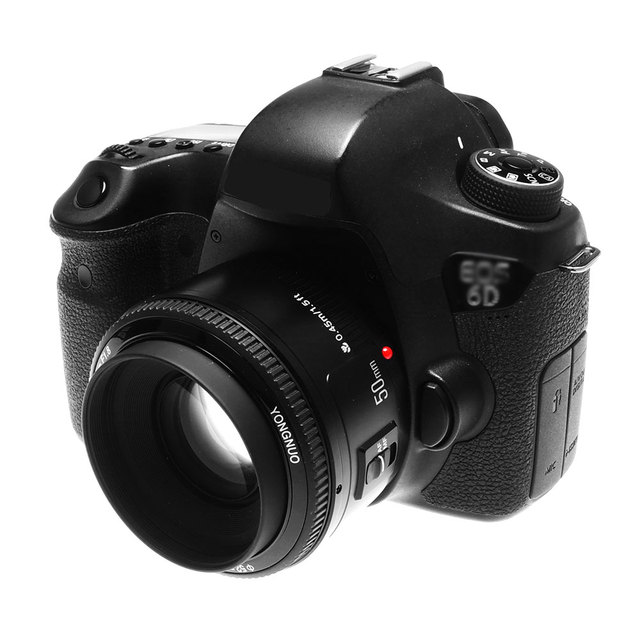
YongNuo YN F/1.8 AF Lens YN50 Auto Focus Lens for Nikon Cameras for Canon Cameras
Shenzhen Rundour Technology Co., Ltd.🇨🇳CN10 yrs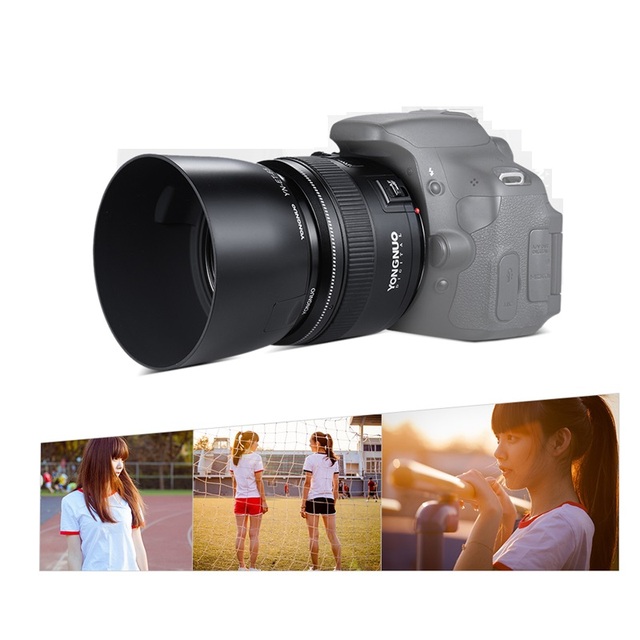
Standard Prime YN 85 mm Lens for Nikon Camera YONGNUO YN 85MM F1.8 N Lens AF/MF Auto Messa Fuoco D 3200 /D3400/D5200/D750/D850
 Shenzhen Tezelong Technology Co., Ltd.🇨🇳CN8 yrs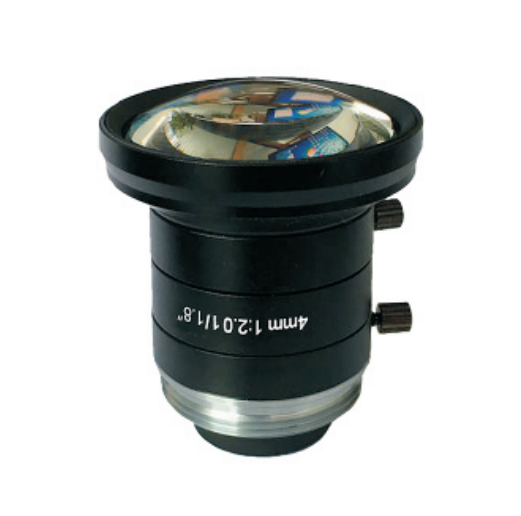
High Resolution 10MP FA 16mm Lens for 2/3" C Mount Machine Vision Lens for Industrial Camera
 Shenzhen Mindvision Technology Co., Ltd.🇨🇳CN7 yrs
High Resolution 10MP FA 16mm Lens for 2/3" C Mount Machine Vision Lens for Industrial Camera
Deep Dive · Full Report
Full Market Report
1 document · Live-fetched from source
Related Searches
Explore more sourcing topics & related categories
Sources & References
20 sources cited · Verified industry data & reports
Camera Lens Market Size, Share & Forecast, 2026–2035
www.gminsights.com
China dominated the Asia Pacific market, valued at USD 6.9 billion in 2025, and is estimated to grow at a CAGR of 5.3% from 2026 to 2035. What are the key trends in the camera lens industry? Key trends include the increasing demand for high-resolution lenses, the growth of mirrorless and full-frame camera systems, the development of lightweight and versatile optics, and collaborations between camera brands and lens manufacturers to expand compatibility. The consumer electronics seem to be attractive segment within manufacturer sector that holds 37.3% of the total market share in 2025 and is anticipated to grow at a CAGR of 6.8% from 2026 to 2035. The consumer electronics segment gaining a significant share in the market due to widespread integration of lenses in smartphones, tablets, webcams, and wearable devices. Rising demand for high-quality imaging in personal devices drives the adoption of compact and efficient camera lenses. China dominates an overall Asia Pacific market and valued at USD 6.9 billion in 2025 and is estimated to grow at a CAGR of 5.3% from 2026 to 2035. The China market is driven by strong demand for high-quality lenses for smartphones and mirrorless cameras. Urban consumers and social media creators increasingly invest in versatile lenses for photography and short-form video content. In the Europe market, Germany is expected to experience 27.0% share in 2025 and promising growth from 2026 to 2035. The Europe market is shaped by strong demand from professional and hobbyist photographers, particularly in countries such as Germany, France, and the UK. Travel, landscape, and fashion photography drive adoption of high-quality lenses with superior optics and precision engineering. Consumers increasingly prefer lenses that offer compact designs without compromising image quality, suitable for mirrorless camera systems.
Camera Lens Market Trend & Growth | CAGR of 25.51%
www.360researchreports.com
Camera Lens market global valuation is expected to grow from USD 4130.094815 million in 2026 to USD 5183.68 million in 2027, and further reach USD 31911.582703 million by 2035, at a CAGR of 25.51%. In 2026, the Camera Lens market value stood at USD 4130.094815 Million.
Smartphone Camera Lenses Market Size | Growth Analysis 2034
www.imarcgroup.com
The global smartphone camera lenses market size reached USD 5,837.7 Million in 2025. Looking forward, IMARC Group expects the market to reach USD 10,314.3 Million by 2034, exhibiting a growth rate (CAGR) of 6.33% during 2026-2034. IMARC Group provides an analysis of the key trends in each segment of the global smartphone camera lenses market, along with forecasts at the global, regional, and country levels from 2026-2034. A smartphone camera lens is a compact optical component that captures and focuses light onto the image sensor of smartphones for capturing images, recording videos and making video calls. It includes wide-angle, telephoto, macro, and fisheye lenses, which are made using special glass and plastic elements. The increasing sales of smartphones, rising demand for high-quality mobile photography, and the growing influence of social media platforms that rely on visual content are among the key factors driving the market. Additionally, consumers are purchasing smartphones with advanced camera capabilities and versatile lenses that help capture stunning images in various conditions.
Camera Lens Market Size, Companies, Trends & Analysis
www.mordorintelligence.com
By geography, Asia Pacific led with 62% share in 2025 and is forecast to grow at an 18% CAGR to 2031. Note: Market size and forecast figures in this report are generated using Mordor Intelligence’s proprietary estimation framework, updated with the latest available data and insights as of January 2026. The Camera Lens Market size is projected to be USD 6.35 billion in 2025, USD 6.76 billion in 2026, and reach USD 9.23 billion by 2031, growing at a CAGR of 6.40% from 2026 to 2031. The camera lenses market size stands at USD 6.76 billion in 2026 and is projected to reach USD 9.23 billion by 2031 at a 6.4% CAGR. Asia Pacific led the camera lenses market with 62% share in 2025 and is projected to grow at 18% through 2031, supported by concentrated manufacturing clusters and expanding end-market demand in smartphones and vehicles. Production networks across China, South Korea, Japan, and Southeast Asia coordinate optics, sensors, and modules at scale, which shortens development cycles and improves cost positions.
Camera Lens Market Size, Opportunities, YoY Growth Rate, 2032
www.coherentmarketinsights.com
In June 2025, Sigma unveiled the Aizu Prime Line, a groundbreaking series of 12 large-format cinema lenses, each featuring a consistent T1.3 aperture—the first of its kind globally. Spanning focal lengths from 18mm to 125mm, the initial release includes eight lenses ranging from 25mm to 75mm, set to launch in August 2025 at $8,299 each. The S1II features a 24.1MP partially stacked CMOS sensor and advanced Venus Engine, enabling 4K120p and 5.8K60p recording, plus up to 15 stops of dynamic range in V-Log. The S1IIE offers a 24.2MP sensor with a new Cinemascope 2.4:1 video format. The compact 24-60mm f/2.8 lens supports hybrid zoom up to 187mm.
Optical Lens Market Size, Growth & Industry Trends [2034]
www.fortunebusinessinsights.com
The facility is anticipated to cost approximately USD 224 million, with operation starting in 2026. June 2023: Nikon Corporation, a manufacturer of optical instruments, introduced NIKKOR Z 70-180mm f/2.8, a compact and light telephoto zoom lens for the Nikon Z mount system. The global optical lens market size was valued at USD 21.08 billion in 2025 and is projected to grow from USD 22.87 billion in 2026 to USD 44.28 billion by 2034, exhibiting a CAGR of 6.70% during the forecast period. Based on type, the market is divided into converging and diverging. The converging segment is expected to hold the maximum market with a share of 60.34% in 2026. Converging lenses are used across numerous industries, including automotive, electronics, healthcare, and telecommunications. The smartphones segment is anticipated to dominate the market during the forecast period, accounting for a 30.27% share in 2026. The growing popularity of social media platforms, such as Snapchat, Instagram, and Facebook, resulted in increased interest in photography and videography.