2 Virtual Vision Glasses

Overview
Product sourcing insights & recommendations
The "2 virtual vision glasses" phrase refers to the rapidly growing category of Display Smart Glasses and AR Glasses (e.g., Viture Pro 2, XREAL Air 2) that function as portable virtual screens. In 2026, the market has pivoted from bulky VR headsets toward lightweight, socially acceptable eyewear that acts as a "Vision Pro in your pocket" IeeeWired.
Key Market Insights (2026)
* Surging Growth: The smart glasses market grew 167% year-over-year in Q1 2026, reaching 2.25 million units IdcIdc.
* Category Shift: While camera-equipped AI glasses (like Ray-Ban Meta) dominate by volume, Display Glasses are the fastest-growing segment, projected to reach 12.2 million units by 2030 Idc.
* Platform Wars: Google’s Android XR ecosystem has entered the market to challenge Meta's 69.2% market share, driving deeper integration with AI and productivity tools Idc.
Top Trending Products
Based on B2B sourcing data, high-performance virtual display glasses are currently dominated by the following models:
* Viture Pro 2: Known as the "budget-friendly" leader ($299), featuring built-in vision correction (diopters) that eliminates the need for prescription inserts Pcmag.
* XREAL Air 2 Ultra: A high-end spatial computing option ($699) featuring 6DoF tracking and a massive virtual screen experience Wareable.
* Rokid Max 2: A popular gaming and media alternative ($309–$449) with a 120Hz Micro-OLED screen and space-anchored UI AlibabaMashable.
The industry is moving toward price compression, with average prices expected to drop to $229 by 2030, making high-fidelity virtual vision a standard accessory for mobile gaming and travel Idc.
Explore these trending products further with these options:
Rokid Max 2 Virtual Vision Glasses
Products · 3 lists
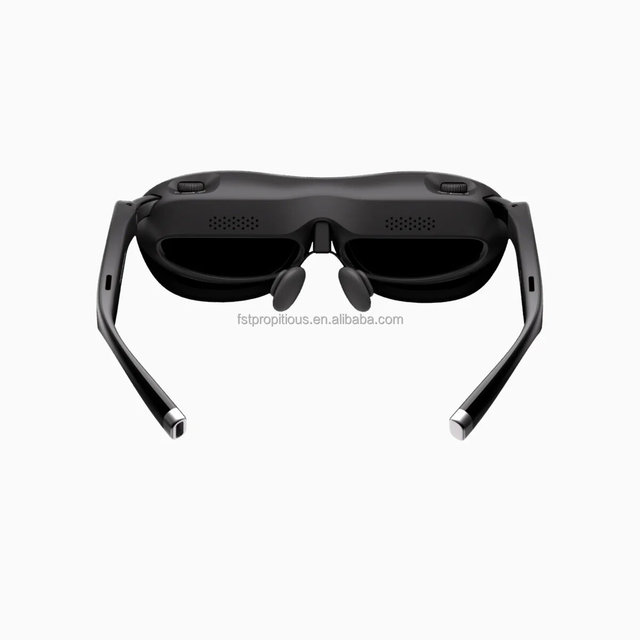
Rokid Max 2 VR AR Glasses 120Hz Micro-OLED Screen YodaOS-Master Space Operating System Supports Myopia Adjustment and Voice Call
 Propitious Corp Limited🇨🇳CN4 yrs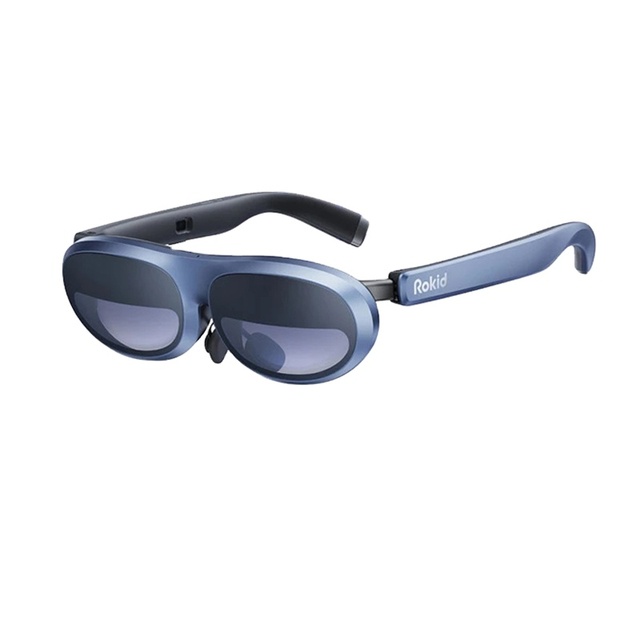
2024 Hot Selling 120HZ Smart AR Glasses Mico-OLED ultra Light VR AR 4k Rokid Max Foldable Cinema Game Full 3D Smart AR Glasses
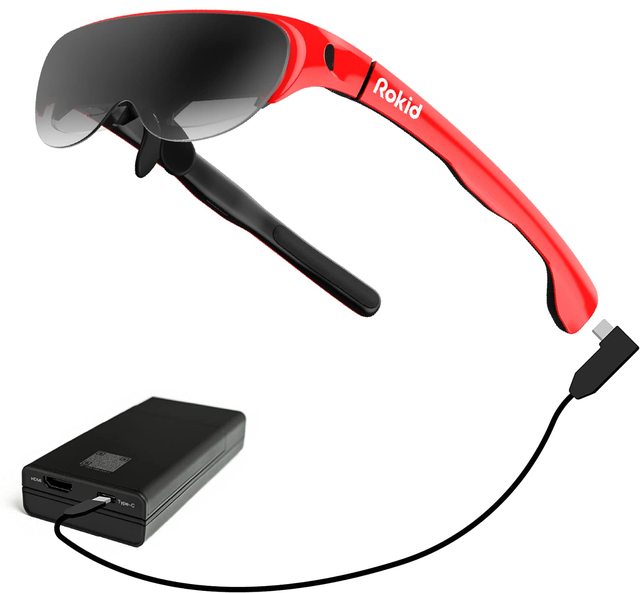
Rokid Virtual Reality Helmet Headset Mi VR 3D Glasses With Remote Control for Gaming AR
 GLK Technology Company Limited🇨🇳CN5 yrs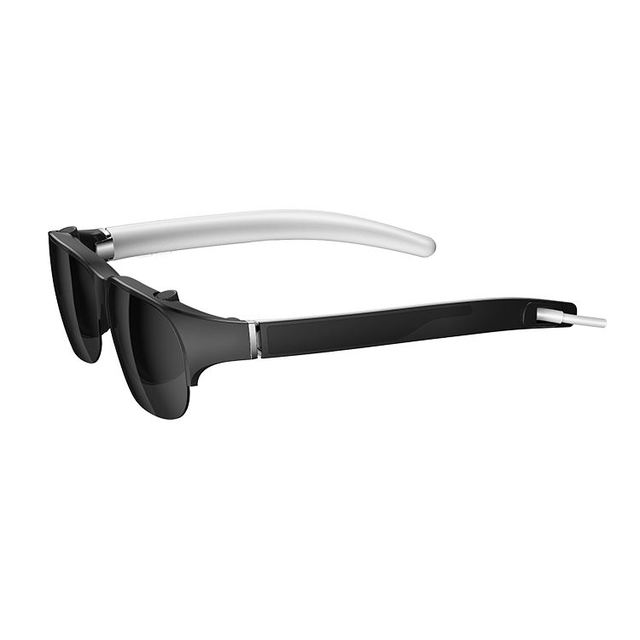
AI-Powered 2/3D Switchable Split-Type BirdBath Solution Near-Eye Smart AR Glasses 1920x1080 120Hz 120-Inch Virtual AR Hardware
 Shanghai Sotec International Trading Co., Ltd.verified🇨🇳CN6 yrs
3D Giant Virtual Screen Myopia Adjustment Physical Button Type C Port AR Glasses
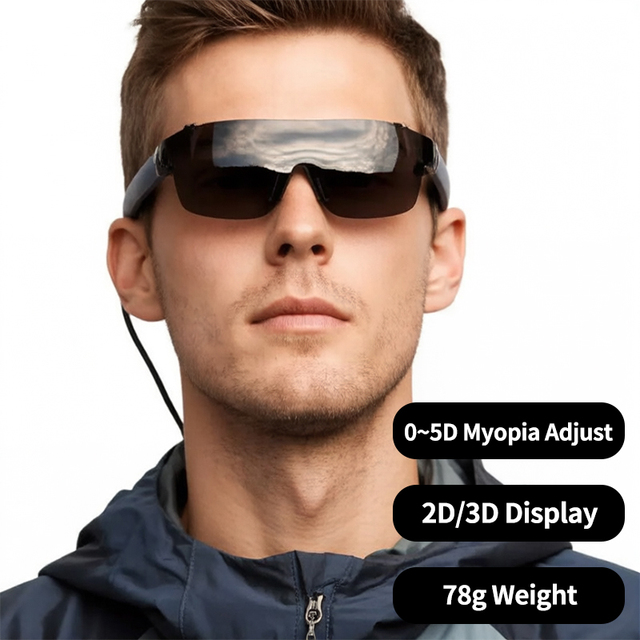
Smart Ar Vr Glasses With Tv & Ar Display Tech Integrated Ar Sound Hd Visuals for Gaming/Media/Work Lightweight Comfort Wear
 Shenzhen Tonghua Weiye Technology Co., Ltd.🇨🇳CN6 yrs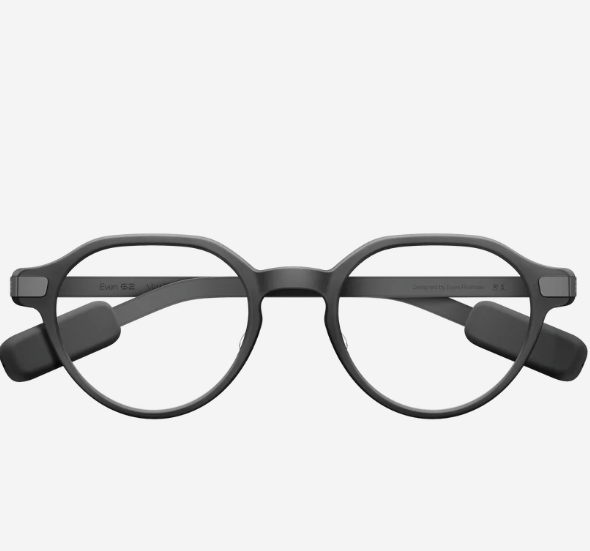
2026 Even Realities G2 AI AR Smart Display Glasses Micro LED Screen 640x350 Resolution Virtual Screen Augmented Reality Camera
 Shanghai Bioe International Trade Co., Ltd.🇨🇳CN3 yrs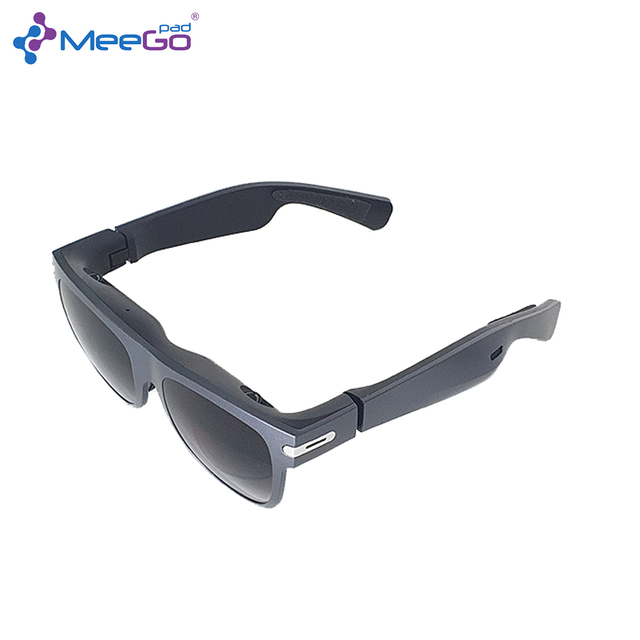
Meegopad High Quality All in One Smart AR Glasses
 Shenzhen T.d.s Electronic Technology Co., Limitedverified🇨🇳CN16 yrs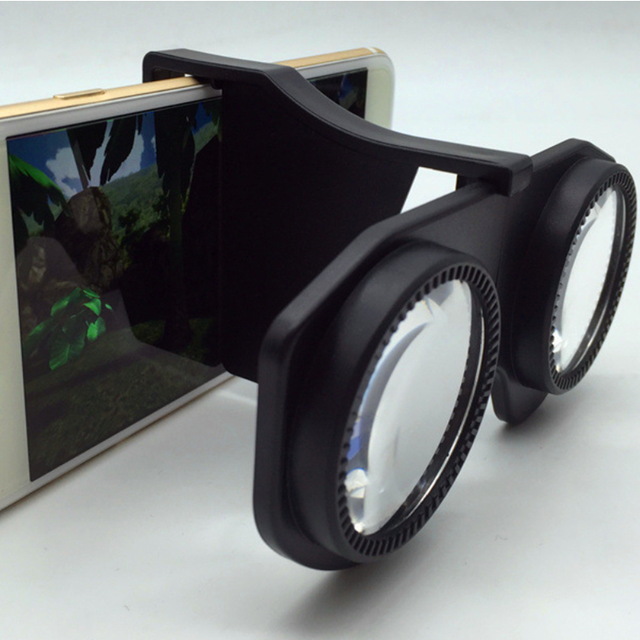
Hot Selling for Android IOS Smartphones Black Foldable Mini VR Virtual Reality 3D Viewer Glasses
 Shenzhen Hqs Technology Co., Ltd.🇨🇳CN8 yrs
Related Searches
Explore more sourcing topics & related categories
Sources & References
25 sources cited · Verified industry data & reports
The Best Smart Glasses We've Tested for 2026 | PCMag
www.pcmag.com
The Viture Beast raises the bar for prism display smart glasses with a brighter, wider, and more stable head-tracked virtual screen that feels like a portable ultrawide monitor, delivering top-tier immersion. ... Read Our Editorial Mission Statement and Testing Methodologies. The $299 Viture Pro 2 takes the crown for budget-friendly smart glasses by matching the class-leading brightness of pricier rivals while adding built-in vision correction at no extra cost. The Beast is Viture's top-of-the-line pair of smart glasses, standing above the Luma series thanks to its wide array of features. It's Viture's first pair of smart glasses to incorporate built-in head tracking for multiple immersive picture modes. Instead of a fixed picture right in front of your eyes, you can now use a virtual screen that floats in front of you and stays put when you move your head. You can also shrink the picture and put it to the side of your vision so you can keep an eye on what's actually happening in front of you, or (a personal favorite) switch to ultrawide mode for a virtual 3,840-by-1,200 monitor. Theater fans seeking immersion: Because the glasses can anchor the virtual display in place and keep it there even as you move your head, it can give the impression of sitting in a theater and actually watching a physical screen. The view does cut off at the edges, so it isn't quite the complete, eye-filling experience you get from a VR headset, but it's by far the most immersive way to watch a movie on smart glasses. ... The Viture Pro 2 is the company's budget-friendly model, without extra features like dimmable lenses or built-in head tracking. On top of all that, it offers one extremely useful feature for anyone who wears corrective lenses: focus dials. Nearsighted individuals: Thanks to the Viture Pro 2's focus dials that can correct up to -5.0D in each eye, those needing vision correction can enjoy a sharp picture without spending additional money on a prescription lens insert.
Ranking the Best Smart Glasses: Meta, Viture, & More (2026) | WIRED
www.wired.com
Looking for the best smart glasses? I tested camera, AI, and AR glasses to find the top picks for every use and which ones to skip. For smart glasses to truly blend the real world in front of you with the virtual world, they would need cameras, processing power, and some very smart software. Many players, big and small, have tried and failed to make an impact in this space. The early excitement generated by companies like Magic Leap evaporated amid clunky hardware at high prices. The trouble with some of the most ambitious examples thus far, like Microsoft HoloLens 2 or Apple’s Vision Pro, is that they are relatively big and heavy and, more importantly, horribly expensive. Smart glasses with cameras can also provide audio descriptions and answer questions about what you are seeing, which may be useful for folks with vision loss. The glasses also have an integrated Be My Eyes service that doesn't rely on AI. —Adrienne So ... Viture Beast's 2026 model has a screen that's bigger, brighter, and with a wider field of view than our previous winner for best virtual screen, the Xreal One Pro. Boutayna Chokrane is a product writer and reviewer at WIRED, covering consumer products and online trends. She specializes in fitness equipment, beauty tech, apparel, and more. Before joining the Gear team, she was a music editorial fellow at Pitchfork. She also worked as a freelance journalist, covering fashion, arts, and ... Read More ... TopicsWearablesShoppingbuying guidesARVRaugmented realityvirtual realitysmart glassesMetagearReviews
What Do Consumers Really Want in Smart Glasses? - IEEE Spectrum
spectrum.ieee.org
Smart glasses are now mainstream personal tech. But do consumers want wearable tech that blends into daily life or stands out with immersive displays? I think audio glasses coupled with AI capabilities could be very interesting in the near term, as the optics [or the] display for more full-featured AR glasses are developed.” · On the other hand, many people may be seeking a compact and convenient alternative to the large, bulky external monitors that come with today’s laptops and desktops. On an airplane, for instance, it’s difficult to comfortably open your laptop screen enough to see it, and there’s little expectation of privacy on a crowded flight. But with smart glasses that project multiple virtual screens, you may actually be able to do some useful work on a long flight. This eliminates extra weight and power consumption, helps keep costs down, and sidesteps the privacy concerns that proved to be one of the main sticking points for Google Glass. There are certainly applications where a camera can be helpful, however, such as for image recognition or when users with impaired vision want to hear the text of signs read aloud. The future of AR will likely be hybrid, adapting intelligently to user context rather than forcing a single vision. ... These AI smart glasses seem like a double-edged sword, excited to have the technology development but also concerned about the misuse by lawbreakers.
Best smart glasses and AR specs: We test Ray-Ban Meta, Oakley, ...
www.wareable.com
If you want a glimpse of the ‘spatial computing’ future that Apple’s Vision Pro promises in a much more accessible form factor, the XREAL Air 2 Ultra is your best bet. These wired glasses don’t offer true, world-altering AR. Instead, they excel at creating a massive, high-quality virtual screen that appears to float in front of you. These glasses feature Prizm™ lenses specifically engineered to enhance vision and improve contrast, providing razor-sharp detail in any lighting condition or weather. Compared to Ray-Ban Meta Gen 2, Oakley Meta Vanguard captures videos in lower quality, 720p, compared to 3K Ultra HD, so there are clear trade-offs if you're buying these primarily as a content capture device. This means that some users with nearsightedness can focus the display for clear vision without additional prescription inserts. At $599, the VITURE Luma Ultra is a serious investment. But for anyone who wants a taste of spatial computing without strapping a headset to their face, it is one of the most feature-rich pairs of XR glasses you can buy right now. The new Ray-Ban Meta Gen 2 glasses are definitely an upgrade from the original Gen 1 glasses that made the smart glasses mainstream. By packing a better camera, dramatically longer battery life, and refined audio into the same iconic Wayfarer frames, Meta and EssilorLuxottica have turned an already great product into the definitive smart eyewear experience.
The Next Frontier of AI in Consumer Tech: AR Glasses
tspasemiconductor.substack.com
Unlike conventional earphones, this new generation of AI-powered ear devices is expected to integrate a built-in camera, microphone array, and intelligent processing capabilities, enabling it to deliver the same core functions as AI glasses: computer vision, real-time multimodal interaction, and AR-like information feedback (via audio instead of visual overlay). In essence, the AI earphone could offer vision, speech, and hearing functions within a more discreet, lightweight, and socially acceptable form factor. If this trend materializes, we may see two parallel hardware ecosystems evolve: one led by AI glasses with AR displays for immersive experiences, and another led by AI earphones for users who value simplicity and comfort. Video-See-Through AR Glass: Apple Vision Pro (2023) Most recently, Apple introduced the Vision Pro in 2023, a video-see-through AR headset. Unlike optical see-through designs, the Vision Pro uses high-resolution cameras to capture the outside world, which is then digitally combined with virtual content and displayed to the user. Among these, AR glasses stand out as one of the most promising AI-driven products to enter everyday life. Unlike smartphones or laptops, AR glasses aim to seamlessly blend the digital and physical worlds, delivering contextual information, real-time translation, navigation, and AI assistance — all directly within a user’s line of sight. Achieving this vision requires breakthroughs in display technology, image processing, connectivity, and power efficiency — areas where TSMC’s advanced nodes and packaging technologies will play a decisive role. Compared with traditional XR devices, AI smart glasses integrate AI capabilities while focusing mainly on vision and hearing functions. This eliminates the need for the bulky optical systems typical of XR products, making AI glasses lighter, more comfortable to wear, and better suited for daily-life scenarios.
Smart Glasses Are Coming for Your Face, With Wild Options for 2026 ...
www.cnet.com
If all you know about smart glasses is Meta Ray-Bans, I'm here to open your eyes about what's on the way. The capabilities and features vary widely, but all have one thing in common. They aim to be what you want to wear, ideally every day and all day long. They could well become constant companions like your earbuds, smartwatch, fitness band and wellness ring, and as indispensable as your phone. ... Today's explosion of smart glasses is reminiscent of the early 2010s, when dozens of different watches and bands were all trying to find a way onto our wrists, from the early Fitbits to the first stabs at smartwatches like the Pebble and Martian. But that product isn't yet ready for the mainstream — or affordable. Instead, we had this year's Ray-Ban Displays, with a single full-color screen, no 3D and no extra apps, though it does have that wristworn neural input band to interpret hand gestures like pinches and swipes. Bosworth foresees a spectrum of different-featured glasses, not one ultimate model. I tried another pair of glasses, connected by cable to a phone-like puck. This pair could run apps in front of me, just like a mixed-reality VR headset. I could connect with a PC, click on floating cubes with my hands and play 3D games. It was like a Vision Pro I could carry in my jacket pocket.