2g Switch

Overview
Product sourcing insights & recommendations


The global '2G switch' refers to the phased sunsetting of 2G cellular networks to repurpose spectrum for 4G and 5G technologies 1OtDigi. This shift is a critical watershed for the IoT industry, as millions of devices—from smart meters to telematics—rely on these legacy connections 1GlobalIsg-One.
Global 2G Shutdown Timelines
The transition is fragmented by region and carrier M2MdataconnectTelenor:
* North America: Largely completed, with major carriers like AT&T and Verizon fully phased out Digi.
* Europe: France (2026), Germany (2028), and the UK (2033) have established clear exit strategies M2Mdataconnect.
* Asia: Countries like Vietnam (2028) are accelerating sunsets to prioritize 5G infrastructure M2MdataconnectReddit.
Market Trends & Product Impacts
The shutdown impacts devices with long lifecycles that were built on 2G-only modules LinkedinFlolive:
* Utilities: Smart meters must transition to NB-IoT or LTE-M to maintain long-term connectivity TelenorCellhire.
* Logistics: Vehicle and asset trackers are migrating to LTE Cat-1 or Cat-M1 for better mobility support LinkedinTelenor.
* Security: Home and industrial alarm systems are being replaced with 4G LTE cellular gateways to avoid service disruption DigitalpovertyallianceIsg-One.
Replacement Solutions
For businesses sourcing replacements, the optimal path depends on data and mobility needs:
* NB-IoT: Best for static devices (e.g., meters) needing high battery life Telenor.
* LTE-M (Cat-M1): Ideal for mobile assets requiring handovers and moderate data DigiTelenor.
* LTE Cat-1 / Cat-1 bis: A global baseline for fleets needing standard 4G footprint Telenor.
I have identified several 4G and NB-IoT ready products to replace legacy 2G devices, including smart meters, GPS trackers, and security systems. Details can be found in the attached files.
The transition to 4G/5G is accelerating across key markets. You can continue by:
Nb Iot Gps Asset Trackers For Global Fleet Management
Products · 3 lists
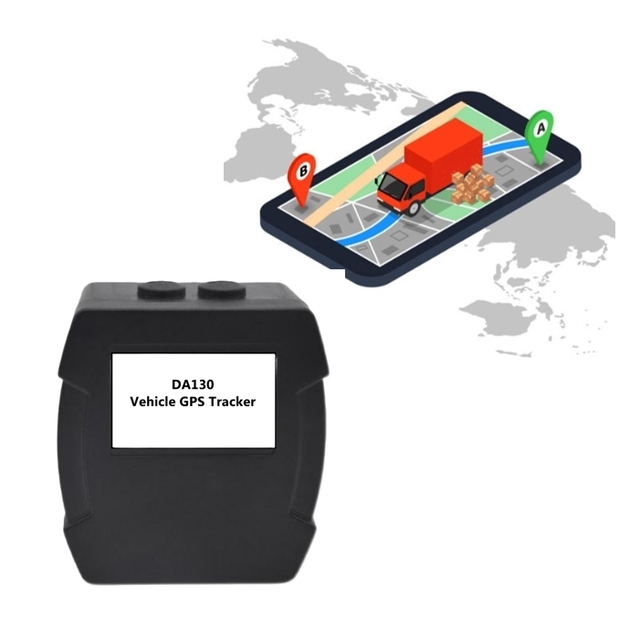
IP67 Smart IoT Wireless NB-IoT 4G LTE-M Vehicle GPS Tracker GPS Sensor Solution for Fleet Monitoring
 Beijing Dingtek Technology Corp., Ltd.🇨🇳CN14 yrs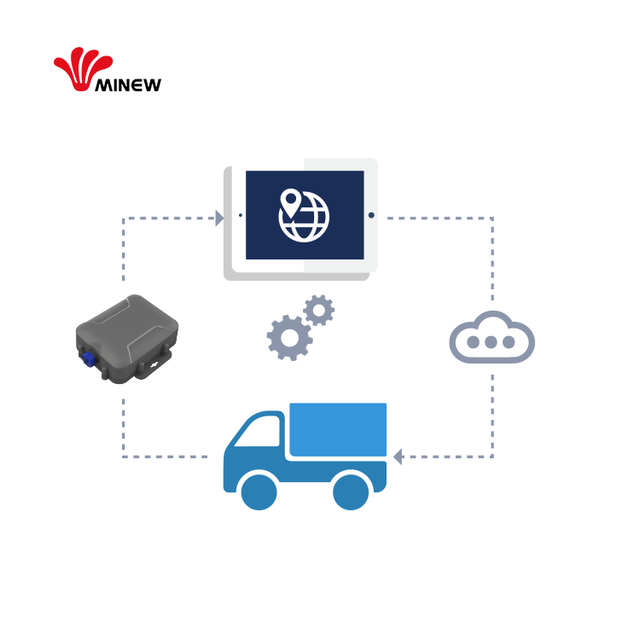
Minew MG5 Vehicle Fleet Management Gps Tracking Device Mesh Mqtt Cellular 4G Lte Cat1IoT Bluetooth Gateway
 Shenzhen Minew Technologies Co., Ltd.verified🇨🇳CN10 yrs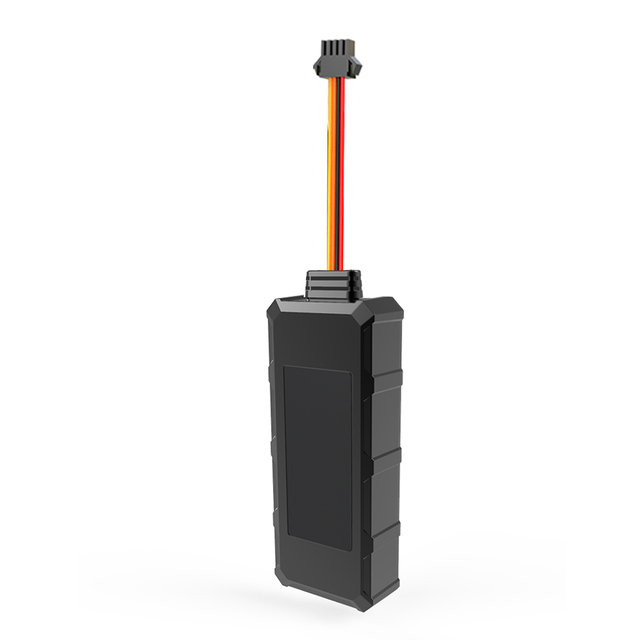
SIM7000 Series LTE 4G Module LTE CAT M1(eMTC) NB-IOT Customize GSM GPS Tracking Device
 Shenzhen Ningmore Technology Co., Ltd.🇨🇳CN13 yrs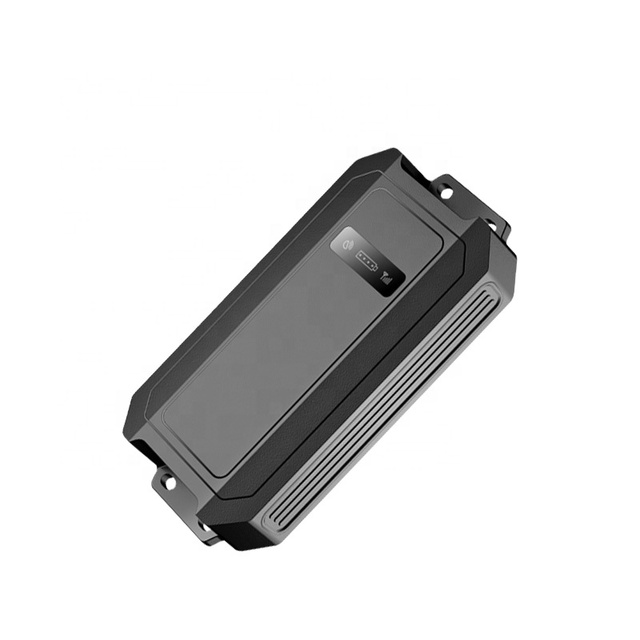
GPS+WIFI+LBS+AGPS +BLE Wireless Strong Magnetic 12000mAh Gps System Tracking Device Vehicle Car Asset tracker
 Shenzhen Kingwo IoT Co., Ltd.verified🇨🇳CN8 yrs
Related Searches
Explore more sourcing topics & related categories
Sources & References
23 sources cited · Verified industry data & reports
2G, 3G, 4G LTE Network Shutdown Updates
Digi International
Cellular networks are changing, and carriers have been actively sunsetting 2G and 3G networks for several years. This leads to many concerns and questions ...
New Omdia research calls for stronger consumer protections ...
Omdia
Omdia's new report reveals Europe is leading global 2G and 3G network shutdowns. Learn how regulators are prioritizing consumer protection ...

2G and 3G Sunset for IoT: Shutdowns, Risks, and Migration
Telenor IoT
The 2G sunset map shows a mixed global picture, with 2G expected to remain available longer in some regions because of legacy IoT, emergency services, payment ...

2G and 3G Switch Off Market, Size, Share | CAGR of 12.7%
Market.us
2G and 3G Switch Off Market size is expected to be worth around USD 42.7 billion by 2035, from USD 12.93 billion in 2025, at a CAGR of 12.7%

Global 2G and 3G Network Shutdown Blog
M2M Data Connect
France: 2G shutdown planned for 2026. Asia. Many countries accelerating shutdowns to prioritise 4G/5G. Vietnam targeting 3G sunset by 2028. Worldwide Trend.

2G and 3G Switch off Market Report | Forecast [2026-2035]
Business Research Insights
The global 2g and 3g switch off market size, valued at USD 205.61 Billion in 2026, is expected to climb to USD 322.26 Billion by 2035 at a CAGR ...