3 Generation Mobile

Overview
Product sourcing insights & recommendations
The market for 3rd generation mobile (3G) technology is currently characterized by a global "sunsetting" phase, as network operators shift resources to 4G LTE and 5G. Despite the shutdown of legacy networks in major regions like the US, Europe, and Australia, a significant market remains for 3G/4G enabled devices, particularly in emerging markets and specific IoT applications.
Market Trends & Insights
* Global Sunsetting: Major US carriers (AT&T, T-Mobile, Verizon) completed their 3G shutdowns by late 2022 Digi. Staged retirements are currently ongoing in Canada (Rogers, TELUS) and parts of Europe, with most aiming for full phase-out by 2026 DigiOnomondo.
* Economic Impact: The combined 3G/4G devices market is still valued at $692.43 billion in 2026, growing at a CAGR of 10.6% through 2035 Businessresearchinsights. This is driven by the migration to 4G feature phones and the integration of mobile connectivity into industrial IoT and connected vehicles Businessresearchinsights.
* Product Shifts: Consumer demand has pivoted toward 4G-enabled feature phones and LTE-M/NB-IoT modules for asset tracking and smart metering to avoid service interruptions from 3G shutdowns DigiOnomondo.
Product Recommendations
The following categories represent the current transition from 3G to modern standards:
1. 4G-Enabled Feature Phones
Bridging the gap for users needing simple, reliable devices on modern networks.
2. IoT Connectivity Modules
Critical for migrating legacy 3G industrial applications to LTE Cat 1 or Cat 4.
3. Wholesale 4G/5G Smartphones
High-volume options for mainstream consumer markets.
I have compiled detailed lists of these products including pricing, MOQ, and technical specifications in the files below.
I can help you further with these 3G/4G trends. You can continue with:
Feature Phones With 4g Lte Support
Products · 3 lists
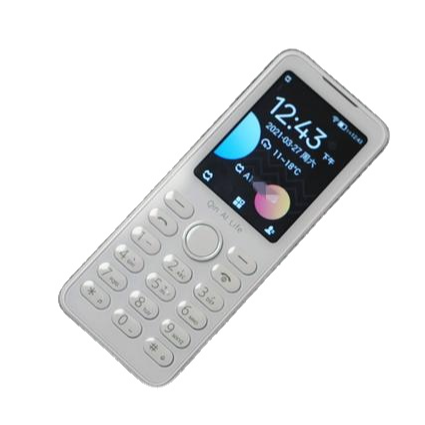
4G Feature Phone Qin F21S Over 8000 Pakistan Rupees
 Shenzhen Goodal Technology Co., Ltd.🇨🇳CN3 yrs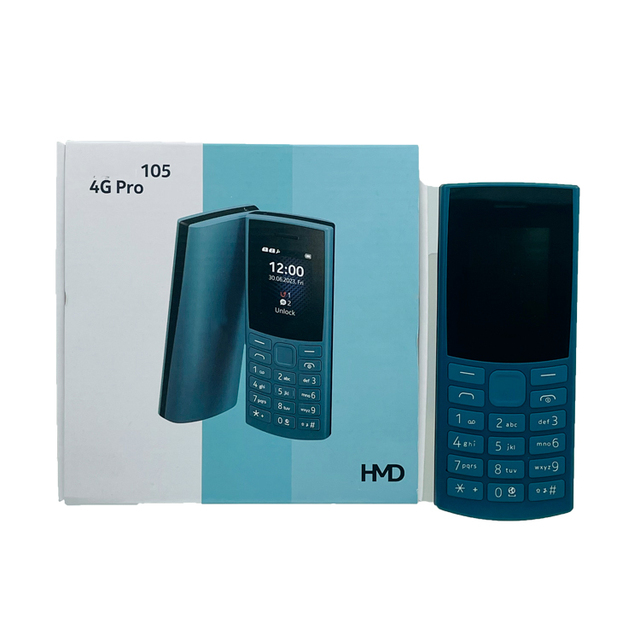
Hot Selling Bar Feature Phone 105 4G Low Price Wholesale 100% New Dual SIM 4G Feature Phone Good Quality
 Shenzhen Century Huitong Technology Co., Ltd.🇨🇳CN8 yrs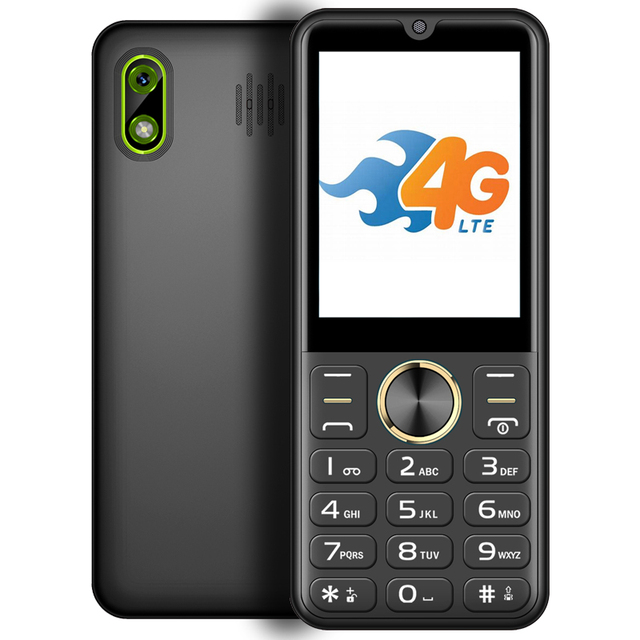
C100 New Arrival 4G FDD LTE 2.8inch Large Display 4G Keypad Mobile Phone Bar Phone
 Shenzhen Omis Electronics Technology Co., Ltd.verified🇨🇳CN17 yrs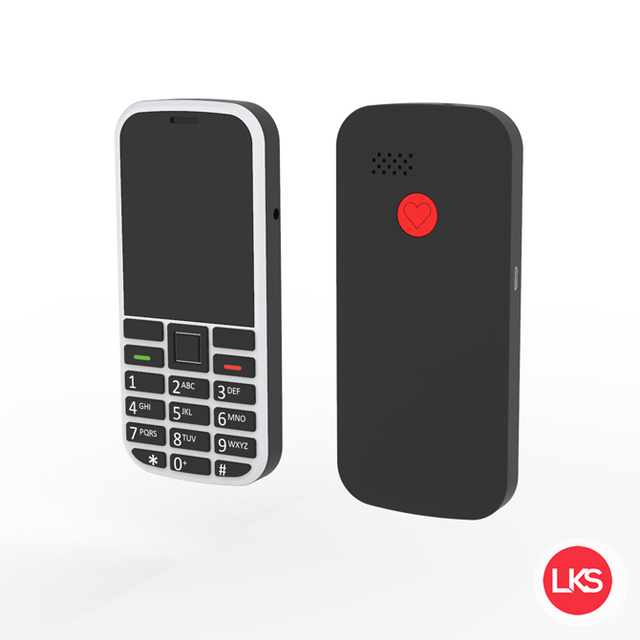
OEM/ODM CORDIAL 4 android LTE Fixed Wireless Landline 4G fixed wireless phone with wifi hotspot for Elderly Big Button
 Linksys Telecom Shenzhen Co., Ltd.🇨🇳CN6 yrs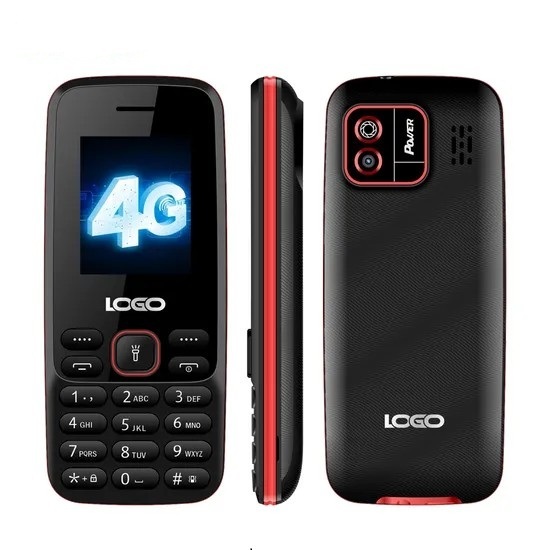
1.77 Inch 4G LTE Low Price Mini Cell Button Bar Keypad Feature Phone for Sale
 Shenzhen Jueniu Technology Co., Ltd.🇨🇳CN1 yr
1.77 Inch 4G LTE Low Price Mini Cell Button Bar Keypad Feature Phone for Sale
Related Searches
Explore more sourcing topics & related categories
Sources & References
27 sources cited · Verified industry data & reports
Smartphones - Worldwide | Statista Market Forecast
www.statista.com
According to estimates, this market segment is expected to experience an annual growth rate of 3.86% (CAGR 2026-2030). When comparing global revenue figures, it is noteworthy that China leads the way, generating US$118.2bn in revenue in 2026. Moreover, in 2027, the market is predicted to experience a volume growth of 1.3%. In terms of individual consumption, the average volume per person in the Smartphones market is estimated to be 0.209pieces units in 2026. This metric highlights the level of adoption and usage of smartphones on a per capita basis. Despite being the world's largest smartphone market, China is experiencing a slowdown in smartphone sales due to market saturation and increased competition. ... Smartphones are mobile communication devices that combine traditional telephony functions with advanced computing capabilities. The selection of forecasting techniques is based on the behavior of the relevant market. For example, the S-curve function and exponential trend smoothing are well suited for forecasting electronic products due to the non-linear growth of technology adoption and regular product upgrade. Continuous innovation in processing power, connectivity standards, and software capabilities drives product differentiation within this market. ... The market comprises revenue, average revenue per capita, volume, average volume per capita, price and brand share. Figures are generated through both online and offline sales channels and include spending by consumers (B2C).
2026 Global Mobile Market Trends: Navigating the New Era of AI, ...
vertu.com
Success is now defined by three pillars: the historical surge of non-gaming app revenue surpassing gaming (peaking at $4.8 billion monthly), the 80% revenue explosion in hypercasual games via hybrid monetization (IAA + IAP), and the commercial maturity of Generative AI, which has evolved from a novelty into a $3 billion industry driven by high-frequency subscription models. For the first time in mobile history, non-gaming applications have outperformed the gaming sector in total commercial value. This reflects a fundamental change in user behavior, where quality content and productivity tools have become primary spending drivers. In late 2025 and moving into 2026, non-gaming apps recorded a monthly global revenue of $4.8 billion, eclipsing the gaming sector’s $4.5 billion. In 2026, these apps generated $3 billion in annual revenue, nearly tripling the previous year's performance. AI Chatbots: This sub-sector is a monopoly. ChatGPT controls 82% of the total market revenue. A: This is due to the “subscription explosion” in Generative AI and productivity tools (like ChatGPT) and the massive monetization of social/entertainment platforms like TikTok and YouTube. Q: What is the most effective monetization for casual games in 2026? A: Hybrid Monetization. Combining traditional ads with low-cost, high-frequency IAPs (In-App Purchases) between $1 and $25 is the current industry gold standard. Q: Which regional markets offer the best ROI? Top Products: Some leading games saw a 38% jump in revenue by directing high-net-worth players to official web-recharge portals. Marketing creative is being consumed faster than ever. 56% of top 100 mobile games now use Generative AI for standard ad creative production.
Smartphone Statistics 2026: Powerful Insights • SQ Magazine
sqmagazine.co.uk
Robert A. Lee is a journalist at SQ Magazine who unpacks the fast-moving worlds of gaming and internet trends. He tracks everything from maj... ... This report has been updated 3 times. Last updated on February 18, 2026 · Global smartphone ownership figure revised from 89% (2025) to 70.1% of the global population, indicating a methodology or scope change. Apple’s global market share updated from 24.5% to 20%, while Android’s share rose slightly from 71.8% to 72.8%. Country-level smartphone user counts increased across major markets (e.g., India 439M → 820M, China ~912M → 1.1B, US 270M → 310M). A new section was introduced on Generational smartphone overuse and screen-time reduction behaviors across Gen Z, Millennials, Gen X, and Boomers. Mobile data consumption updated to 25 GB per user monthly, with streaming accounting for 50% of mobile data traffic. Overall, the industry is anticipated to grow at a robust 16.7% CAGR between 2026 and 2030, highlighting strong long-term momentum. ... Others collectively account for 24.1% of the global smartphone market. Subscribe To Our Newsletter! Be the first to get exclusive offers and the latest news. ... Refurbished smartphone prices rose to an average of $270. Gen Z shows the highest smartphone overuse, with 76.3% reporting they spend more time on their phones than they believe is preferable. The global smartphone processor market is valued at $26.43 billion in 2025, reflecting strong baseline demand for advanced mobile chipsets. Market size is projected to rise to $30.79 billion in 2026, driven by the rapid adoption of AI-enabled smartphones and 5G devices.
Smartphone Market Size & Share | Growth Trends 2035
www.researchnester.com
The smartphone market size was valued at USD 609.2 billion in 2025 and is projected to reach USD 1.19 trillion by the end of 2035, rising at a CAGR of 7.8% during the forecast period, i.e., 2026 to 2035. Asia Pacific industry is predicted to account for the largest share of 48.5% by 2035, owing to the increasing internet penetration and a growing consumer demand for advanced mobile technology in the region. In 2026, the industry size of smartphone is estimated at USD 656.7 billion. Discover Market Trends & Growth Opportunities: Download Free PDF · The global market is poised for extensive growth in the years ahead, owing to the supply chain, import, and assembly flows playing a critical role. In this regard, the report from the U.S. International Trade Commission revealed that imports of smartphones into the U.S. grew by USD 4.4 billion (7.3 %) in 2022, reaching USD 62.6 billion, which marks the second-largest increase that year. The market size for the smartphone market is projected to reach USD 1.19 trillion by the end of 2035, expanding at a CAGR of 7.8% during the forecast period, i.e., between 2026-2035. The major players in the market are Apple Inc., Motorola Mobility LLC, Samsung Electronics Co., Ltd., Sony Corporation, Nokia Corporation, HMD Global Oy, Xiaomi Corporation, and others. Increasing demand for feature-rich devices: There has been an increased demand for smartphones wherein advanced features such as high-resolution cameras, generative AI capabilities, foldable displays, and enhanced computational power are driving business in this market. The demand for multifunctional devices is at a boom, which combines entertainment, productivity, and connectivity, encouraging manufacturers to make increased investments in R&D. In July 2024, vivo India reported that it made a total investment of INR 3,500 crores (USD 422 million) and the production of 150 million made-in-India smartphones.
Mobile Market Size, Share, Trends, Scope, Growth & Forecast
www.verifiedmarketresearch.com
Mobile Market size was valued at USD 530 Billion in 2024 and is projected to reach USD 945.24 Billion by 2032, growing at a CAGR of 7.5% from 2026 to 2032. The Mobile Market is a comprehensive global ecosystem that encompasses the hardware, software, and services associated with cellular connectivity and handheld computing. In its most fundamental sense, the market is defined by the production and sale of mobile devices primarily smartphones and tablets alongside the mobile network services provided by telecommunications operators. The growth of the mobile market is currently propelled by the worldwide rollout of 5G technology, which provides the high-speed, low-latency foundation required for next-generation applications like Augmented Reality (AR) and real-time AI assistants. Valued at over $500 billion for hardware alone and significantly more when including services the market is characterized by a polarization trend: high demand for ultra-premium flagship devices in North America and Europe, contrasted with rapid subscriber growth in emerging markets like India and Africa. As of 2026, the market is defined not just by the device in one's pocket, but by the seamless integration of that device into the broader Internet of Things (IoT) and smart-living ecosystems. In 2026, social commerce where shopping happens directly within social media apps is a trillion-dollar industry. This reliance on mobile devices for financial freedom and retail therapy ensures that the smartphone remains the most important piece of hardware a consumer owns, driving consistent market engagement. Youth Population and Connectivity Trends: The Digital Native generation Gen Z and Gen Alpha is coming into its full purchasing power in 2026. In 2026, we are seeing the maturation of foldable and rollable display technology, which offers the screen real estate of a tablet in a pocketable form factor. Furthermore, the integration of on-device Generative AI has revolutionized the user interface, allowing for real-time language translation, advanced computational photography, and personalized digital assistants that live on the silicon rather than the cloud.
8 Smartphone Trends That Will Shape 2026
www.forbes.com
Follow AuthorDec 15, 2025, 01:37am ESTDec 18, 2025, 01:55pm EST · Smartphones in 2026 will bring major upgrades in AI, connectivity and design, creating devices that feel smarter and more capable across work and personal use.Adobe Stock Some of the biggest manufacturers seem to believe so, with Samsung and Sony showing off holographic panels this year and startups like Leia already producing glasses-free 3D screens. Holographic displays might not quite be ready for the mainstream in 2026, but we can expect progress and growing excitement toward this breakthrough. Tougher glass and more resilient hinge mechanisms could also put an end to durability issues of some models, making multi-screen phones a more attractive mass-market proposition. While sustainability has been a factor in compliance and consumer demand for some time, in 2026, it will increasingly drive business reality. Consumer service providers, including T-Mobile and AT&T, are increasingly partnering with LEO satellite services like Starlink and AST SpaceMobile to bring the technology into mainstream use, enabling continuous connectivity in spots where cellular network coverage often fails. Apple dropped SIM cards several years back, and manufacturers of Android handsets are starting to follow. The introduction of integrated SIM cards will be a further nail in the coffin in 2026.