3d Screen Smartphone

Overview
Product sourcing insights & recommendations


The '3D screen smartphone' market is currently transitioning from a niche experimental phase into a high-growth Spatial Computing era, with the global mobile 3D market projected to reach $77.39 billion by 2026 Mordorintelligence. The focus has shifted from requiring glasses to eyewear-free (autostereoscopic) displays powered by Edge-AI that tracks eye movement and converts 2D content into 3D in real-time SamsungIgtps.
Market Trends & Dynamics (2025–2026)
* AI-Driven Content Creation: The biggest hurdle for 3D—content scarcity—is being solved by Generative AI (e.g., Samsung’s AI Studio and Leia Inc.'s 3D•AI), which automatically depth-maps standard 2D images and videos for 3D viewing SamsungAwexr.
* 5G & Gaming Synergy: High-speed 5G networks are enabling low-latency 3D cloud gaming and spatial video calling, making gaming phones like the RedMagic series primary adopters MordorintelligenceRedmagic.
* Regional Dominance: Asia Pacific leads with over 40% market share, driven by strong manufacturing bases in China and high consumer tech adoption Straitsresearch.
Key Products & Technology
The market is currently dominated by specialized devices and professional-grade tablets rather than mainstream flagship phones:
* Nubia Pad 3D II: The "world’s first 5G+AI eyewear-free 3D tablet," featuring a 12.1-inch 144Hz display and Neovision 3D Anytime technology for 2D-to-3D conversion NubiaFacebook.
* RedMagic 9 Pro / Pro+: While primarily a gaming flagship with a flat BOE Q9+ screen, it serves as a foundation for 3D ecosystem development through its high processing power and spatial signage support RedmagicFuturemarketinsights.
* Leia Inc. (Lume Pad 2): A pioneer in 3D•AI technology. While the Lume Pad 2 reached its end-of-life in August 2025, its technology continues to power the Nubia 3D ecosystem FacebookBusinesswire.
* Samsung Spatial Signage: Showcased at CES 2026, this technology uses a "3D Plate" optical engine to create realistic depth without glasses, signaling a potential return of 3D displays to the Galaxy smartphone line in the near future SamsungInstagram.
Sourcing Insights
Wholesale availability is currently strongest in replacement components and specialized displays:
* Component Level: 3D Touch LCD screens (for older iPhone models) and specialized autostereoscopic panels for custom hardware prototyping are available from Shenzhen-based suppliers AlibabaAlibaba.
* Finished Goods: High-end gaming phones like the RedMagic 9 series can be sourced for roughly $867/unit at a 1-piece MOQ Alibaba.
Adoption Barriers
* Price Premium: 3D-enabled hardware remains in the premium tier (typically >$1,000 for tablets) due to high costs of micro-OLED and VCSEL depth sensors MordorintelligenceFortunebusinessinsights.
* Technical Constraints: Viewing angle limitations (the "sweet spot" problem) and potential eye strain remain significant barriers to mass-market adoption SamsungFortunebusinessinsights.
Based on the current 3D smartphone landscape, you might want to:
3d Display Screen For Mobile Phone Wholesale
Products · 2 lists
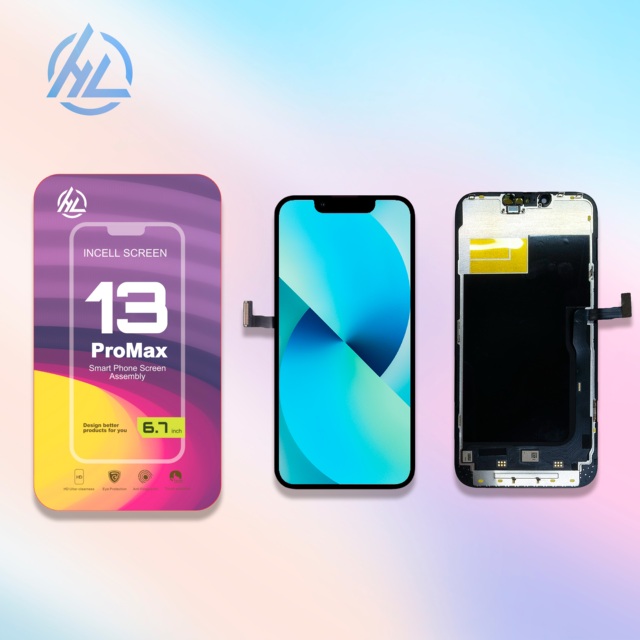
HL for iPhone 13 13 Pro 13 Pro Max Screen Incell Replacement Wholesale 3D Touch LCD Screen
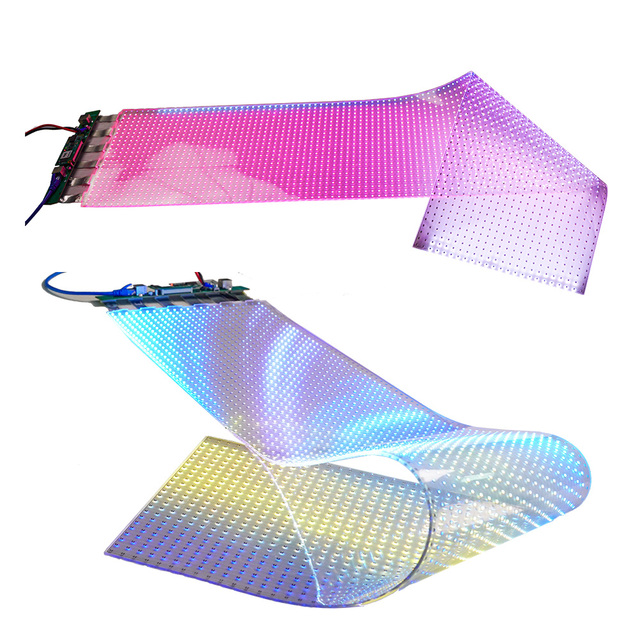
Factory Wholesale Indoor Flexible Transparent LED P4 P5 P6 P8 3D Full Color Self Adhesive Film Screen for Shopping Mall
 Zhixian Lino (Shenzhen) Technology Co., Ltd.verified🇨🇳CN2 yrs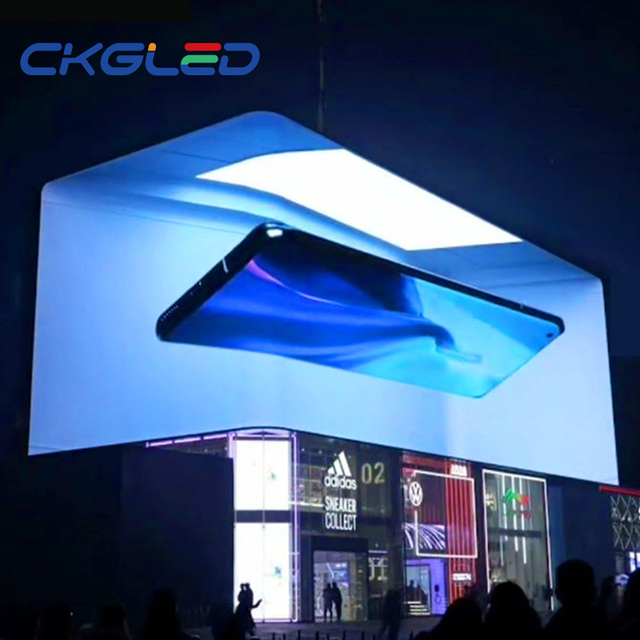
Custom Outdoor 3D Led Billboard Screen Advertising Interactive Video Wall Waterproof Naked Eye 3D Display
 Shenzhen Ckgled Co., Ltd.verified🇨🇳CN6 yrs
Hunan Caiyi HD Profession Led Video Wall Price TV Big Billboard Outdoor 3D Display Screen for Advertising
 Hunan Colorart Optoelectronic Technology Co., Ltdverified🇨🇳CN4 yrs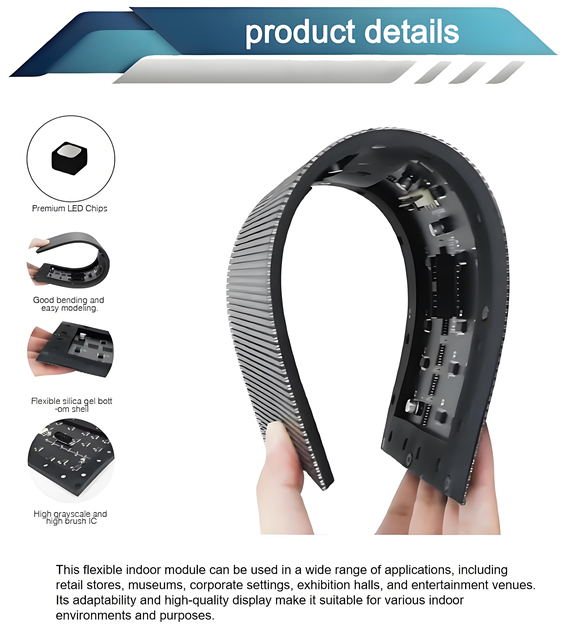
Factory Full Color Globe LED Display Screen Retail Stores Commercial Plaza 3D Sphere LED Panel
 Shenzhen Senqizhixian Photoelectricity Co., Ltd.verified🇨🇳CN3 yrs
Related Searches
Explore more sourcing topics & related categories
Sources & References
46 sources cited · Verified industry data & reports
3D Display Market Size, Share | Forecast Report, 2026-2034
Fortune Business Insights
The global 3d display market is expected to reach USD 636.08 billion by 2034, expanding at a 15.79% CAGR during the forecast period 2026-2034.
3D Display Market | Global Market Analysis Report - 2036
Future Market Insights
3D Display Market was valued at USD 111.30 billion in 2025. Sales are expected to reach USD 129.55 billion in 2026 and USD 591.53 billion by ...

Smartphone 3D Camera Market Report: Trends, Forecast ...
Zion Market Research
Global Smartphone 3D Camera Market size is set to expand from $ 2.69 Billion in 2023 to $ 16.71 Billion by 2032, with an anticipated CAGR of around 22.48% ...

Forecasts for the Taiwan 3D-Enabled Smartphones market ...
LinkedIn · Krantz Lab
And this report consists of 120 pages. The "Taiwan 3D-Enabled Smartphones market"is expected to grow annually by 4.4% (CAGR 2026 - 2033). ... The ...

Mobile 3D Market - Size, Share & Industry Analysis Report ...
Mordor Intelligence
Mobile 3D market size in 2026 is estimated at USD 77.39 billion, growing from 2025 value of USD 58.01 billion with 2031 projections showing USD ...

3D Display Market Size, Share, Growth, Analysis, Report ...
Straits Research
The 3d display market size is projected to grow from $196 billion in 2026 to $636 billion by 2034, at a CAGR of 15% during the forecast ...