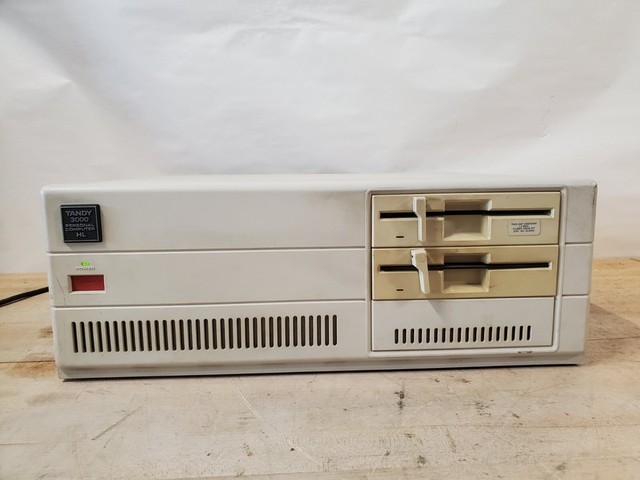
3rd Gen Computer

Alibaba.com

Overview

Product sourcing insights & recommendations

www.geeksforgeeks.org
unacademy.com
51 来源

The term "3rd Gen Computer" in 2026 spans three distinct market eras: the historical 1960s IC-based mainframes, the widely refurbished Intel Ivy Bridge/AMD Zen 2 hardware, and the cutting-edge Intel Core Ultra Series 3 (Panther Lake) AI-native PCs launched in January 2026.

The market is currently dominated by a rapid shift toward AI-capable hardware, with 50% of 2026 PC shipments expected to include dedicated NPUs. Meanwhile, legacy 3rd gen systems remain popular in the refurbished B2B sector for basic office tasks due to their high performance-per-dollar value. I have prepared a detailed report covering these generations, current pricing trends, and future hardware outlooks like AMD Zen 6.

Please refer to the document below for the full analysis of technical specs, market growth figures, and sourcing recommendations.

I've compiled the market report for you. Would you like to:

Amd Ryzen 3000 Series Processors Ryzen 5 3600 Ryzen 7 3700x Wholesale

Products · 2 lists

Deep Dive · Full Report

Full Market Report

1 document · Live-fetched from source

Sources & References

51 sources cited · Verified industry data & reports

Third Generation of Computers - GeeksforGeeks

www.geeksforgeeks.org

Your All-in-One Learning Portal: GeeksforGeeks is a comprehensive educational platform that empowers learners across domains-spanning computer science and programming, school education, upskilling, commerce, software tools, competitive exams, and more. The third generation of computers, from 1965 to 1971, used Integrated Circuits (ICs) instead of transistors. An IC is a small chip that contains many transistors, resistors, capacitors, and the necessary connections all in one piece, making computers smaller and more efficient. Third-generation computers were compact, energy-efficient, reliable, user-friendly, had high storage, and offered improved speed and portability. Compact and Space-Efficient: Integrated Circuits (ICs) reduced the size of computers, combining multiple components on a single silicon chip. Third-generation computers required air conditioning, had complex IC manufacturing, difficult maintenance, high initial cost, limited software compatibility, and needed a skilled workforce. Air Conditioning Needed: Despite energy efficiency, large systems still require air conditioning to prevent overheating. Complex IC Manufacturing: Producing Integrated Circuits was costly and required sophisticated, precise technology.

An explanation of third-generation computers

unacademy.com

The knowledge of the history of computers will be helpful as these are very basic questions for the examinations. Learning about the alteration and newly introduced features in all generations will be easy to grasp and remember. Get answers to the most common queries related to the BANK Examination Preparation. Answer. Integrated circuits were used by the third generation of computers. It consumed less electricity and generated less heat as compared to the first generation. The period of the third generation computer was from the 1960s to the 1970s. Integrated circuits were its main electronic component and also started the usage of keyboards and monitors. This generation is upgraded compared to the other two previous generations. Third-generation computers used integrated circuits in place of transistors. With the use of integrated circuits, these computers became reliable, generated less heat, were small in size, fast, very less maintenance, and were inexpensive. The technology used was highly sophisticated for the manufacturing purpose of integrated circuits ... We hope the above brief explanation will help you to understand the third generation computer better. There were a few changes and newly introduced features in this generation from the previous ones which you need to keep in mind.

Overview of Third Generation Computers | PDF | Integrated Circuit ...

www.scribd.com

Third Generation of Computers - Free download as Powerpoint Presentation (.ppt / .pptx), PDF File (.pdf), Text File (.txt) or view presentation slides online. Third generation computers used integrated circuits and operated systems instead of transistors, making them smaller, faster, more reliable, and energy efficient. Third generation computers used integrated circuits and operated systems instead of transistors, making them smaller, faster, more reliable, and energy efficient. Integrated circuits combined millions of transistors onto a single semiconductor chip. This allowed third generation computers from 1964-1970 to be used by large companies and individuals, running applications like weather forecasting. Another 3rd Generation Development Another 3rd Generation development Another third generation development was the invention and usage of ‘high level’ languages. This meant that english words and the base-10 number system was programed into the computer. Why stop the use of the 3rd Generation? • Smaller and faster • Cheaper than their predecessors • Used Operating System • Accessible by monitor & keyboard • Was available to large number of people • Produced less heat Diagram illustrating a Third Generation Computer What is an Integrated Circuit? Integrated Circuit An integrated circuit (IC) is a memory chip which is made up of millions of transistors, resistors, and capacitors. They are interconnected and built up on a thin piece of semiconductive material to form a small chip. solved. Ever since, the path of innovation has been made to form the 3rd generation of computers, the resultant integrated circuit, or chip, was bigger.

List of early third-generation computers - Wikipedia

en.wikipedia.org

This list of early third-generation computers, tabulates those computers using monolithic integrated circuits (ICs) as their primary logic elements, starting from small-scale integration CPUs (SSI) to large-scale integration CPUs (LSI). Computers primarily using ICs first came into use about 1961 for military use. The ASD Semiconductor-Network Computer (Molecular Electronic Computer), first monolithic integrated circuit general purpose computer (built for demonstration purposes, programmed to simulate a desk calculator) was built by Texas Instruments for the US Air Force. The fourth generation of computers began with the shipment of CPS-1, the first commercial microprocessor microcomputer, in 1972 and for the purposes of this list marks the end of the "early" third-generation computer era. Third-generation computers were offered well into the 1990s. This table of commercial third-generation computers has been constructed by merging of several lists of computers offered from February 1965, the date of the shipment of the first commercial third-generation computer, through 1971 and then finding reliable sources as to the generation of the models listed and the associated dates.

Computer - Third Generation

www.tutorialspoint.com

A single IC has many transistors, resistors, and capacitors along with the associated circuitry. The IC was invented by Jack Kilby. This development made computers smaller in size, reliable, and efficient. In this generation remote processing, time-sharing, multiprogramming operating system were used. High-level languages (FORTRAN-II TO IV, COBOL, PASCAL PL/1, BASIC, ALGOL-68 etc.) were used during this generation.

2.5 The Third Generation

runestone.academy

Computers of the Third Generation, built with integrated circuits, were even smaller more powerful and cheaper than the Second Generation. Instead of building all the logic for a computer in terms of individual transistors, integrated circuits allowed designers to work with more abstract logical building blocks. Integrated circuits combine multiple transistors into one compact package. This generation also saw the introduction of many features we now take for granted. Keyboards and displays were developed during this period to facilitate real-time interaction with computers - prior machines had to be fed a job and left to run it with little in the way of feedback provided until the job was complete. The PDP machines of the third generation were enormously influential - much early computer science was done on these machines