4g Smartphone Android

Overview
Product sourcing insights & recommendations
The 4G Android smartphone market in 2026 remains a robust $49 billion sector, primarily fueled by demand in emerging markets like Sub-Saharan Africa and Southeast Asia Persistencemarketresearch. While the overall smartphone industry faces a 12-17% shipment decline due to global memory shortages, 4G devices maintain a critical 45% share of the LTE device market as a cost-effective alternative to 5G IdcPersistencemarketresearch.
Key findings include a significant 21-27% jump in average selling prices caused by component costs, driving value-seeking consumers toward high-capacity 5000mAh batteries and 6GB RAM budget models InformaAlibabaAlibaba. The attached report provides a comprehensive analysis of regional demand shifts, pricing benchmarks, and strategic sourcing insights for 2026.
Based on these market findings, you can continue with:
4g Lte Smartphone With 6gb Ram Budget
Products · 3 lists

Brand New Qin F25 Octa Core MTK Android 14 LTE LED Smartphone Dual SIM 6GB 128GB Touch + Button Mode English
 Shantou Zhongtian Trading Co., Ltd.verified🇨🇳CN8 yrs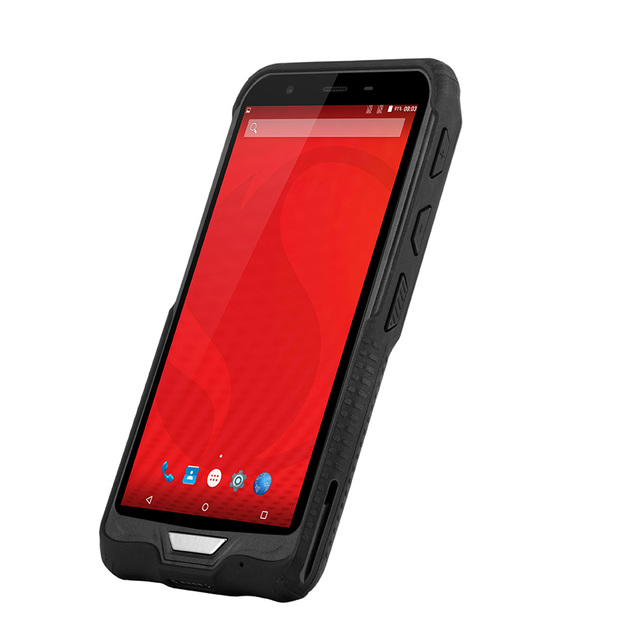
Removable Battery 4G LTE Reader Built in Data Collection Rugged Smartphone 6inch Android Cellphone Rugged Pdas
 Shenzhen Swell Qiye Technology Company Limited🇨🇳CN16 yrs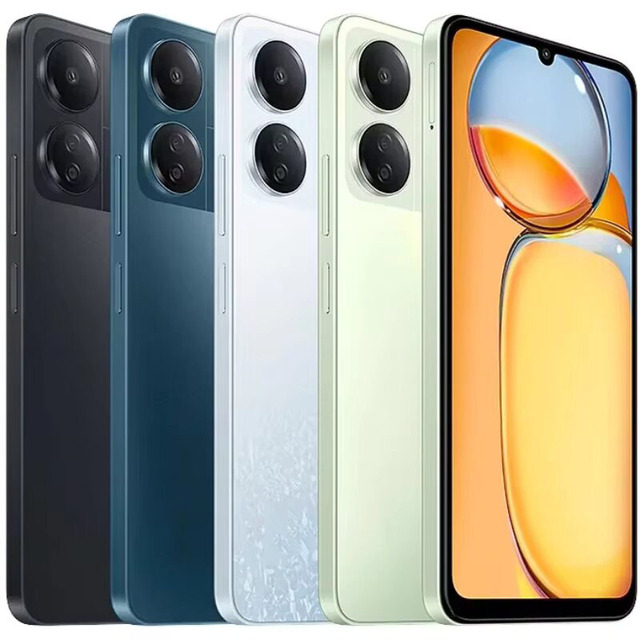
Wholesale Cheap 4G Smartphone 6.8" HD+ Display 5000mAh Battery 5+2MP Dual SIM MTK Octa-Core Factory Price Android Mobile Phone
 Shenzhen Hantang Grand Tech. Co., Ltd.🇨🇳CN14 yrs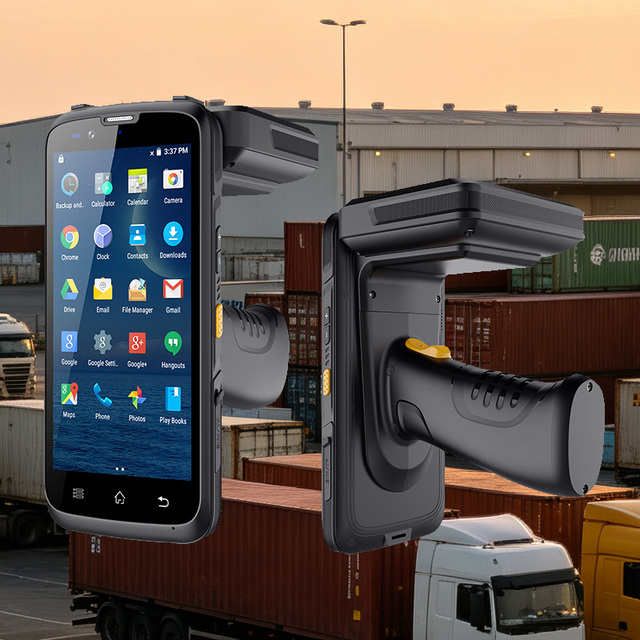
OEM Android Handheld 5.72 Inch PDA 4G LTE Smartphone Supporting GSM WCDMA WIFI BT GPS Long Range RFID Reader PDAS
 Shenzhen Xinlian Intelligent Identification Technology Co., Ltd.verified🇨🇳CN5 yrs
OEM Android Handheld 5.72 Inch PDA 4G LTE Smartphone Supporting GSM WCDMA WIFI BT GPS Long Range RFID Reader PDAS
Deep Dive · Full Report
Full Market Report
1 document · Live-fetched from source
Related Searches
Explore more sourcing topics & related categories
Sources & References
36 sources cited · Verified industry data & reports
Smartphone Market Size, Share & Trends Report, 2026-2033
www.grandviewresearch.com
Size, Share & Trends Analysis Report By Operating System (Android, iOS), By Distribution Channel (Online, Offline), By Price Range (Entry Level, Mid-Range, Premium), By Region, And Segment Forecasts ... The global smartphone market size was valued at USD 537.6 billion in 2025 and is projected to grow from USD 556.4 billion in 2026 to USD 749.1 billion by 2033, at a CAGR of 4.3% from 2026 to 2033, due to rising consumer demand for feature-rich yet affordable devices, rapid advancements in 5G connectivity, and increasing digital dependency across emerging and developed economies. Smartphone market size was valued at $537.6 billion in 2025, and is projected to grow from $556.4 billion in 2026 to $749.1 billion by 2033, at a CAGR of 4.3% This report forecasts revenue growth at the global, regional, and country levels and provides an analysis of the latest industry trends in each of the sub-segments from 2021 to 2033. For this study, Grand View Research has segmented the smartphone market report based on operating system, distribution channel, price range, and region. Operating System Outlook (Revenue, USD Billion, 2021 - 2033) ... The global smartphone market size was valued at USD 537.6 billion in 2025 and is estimated at USD 556.4 billion for 2026. The market is characterized by rapid product launch cycles, aggressive pricing competition, premiumization trends, and growing consumer preference for integrated digital ecosystems. Furthermore, customer retention is strongly influenced by operating systems, app ecosystems, cloud services, and device interoperability, resulting in moderate-to-high vendor lock-in, particularly within premium smartphone segments. The Android segment dominated the market and accounted for the revenue share of 60.8% in 2025.
Worldwide Smartphone Market to Decline 13.9% in 2026 as Memory ...
www.idc.com
The region is dominated by the premium segment, with 60% of shipments in 2026 Q1 above $800, and Apple and Samsung have proven resilient to the crisis at that tier. China is also forecast to decline double digits at 13%, as low-end Android players struggle to compete in the new cost environment. Android as a whole is forecast to see a 21% year-on-year drop, but that number masks two very different stories playing out within it. Samsung is expected to grow market share in 2026, defying the broader Android decline by expanding in the premium segment and taking share in the mid-range. A combination of secured memory supply, a stronger Galaxy S26 line-up, and aggressive mid-range positioning is allowing Samsung to capture demand that smaller Android vendors simply cannot serve as memory costs squeeze their bill of materials. iOS tells a different story. Apple’s forecast improved from an 8.1% decline to just 5.2% in 2026, a meaningful divergence at a time when the rest of the market is heading sharply downward. Huawei’s operating system is forecast to reach 62 million units in 2026, up sharply from the 42 million previously forecasted. Huawei has expanded HarmonyOS into the entry-level segment, sustained or reduced pricing on new models, and continued promotional support for older devices. The strategy has worked particularly well in China’s lower-tier cities, where the affordability gap created by rising Android ASPs has created space for a domestic alternative. Francisco Jeronimo is VP for Data and Analytics at IDC EMEA. Based in London, he leads the research that covers mobile devices, personal computing devices, emerging technologies and the circular economy trends across EMEA. His team delivers data on personal… · Stay ahead in a rapidly evolving market.
Global Smartphone Market Share: Quarterly
counterpointresearch.com
The global smartphone market declined by 7% YoY in Q2 2026 as the memory shortage deepened and memory prices continue to rise. Xiaomi recorded the steepest decline among the top five smartphone brands, with shipments falling 26% YoY in Q2 2026. The global smartphone market remained under pressure in Q1 2026, with shipments declining 3% YoY driven by the shortage of memory components and weaker demand. vivo smartphone shipments declined 21% YoY in Q2 2026, as pressure on lower price segments outweighed resilience in its mid-to-premium portfolio.
Smartphone Market Trends, Share and Forecast, 2026-2033
www.coherentmarketinsights.com
Local and Chinese brands continue to dominate the market by delivering high-end devices tailored to regional preferences. In major economies such as China, South Korea, and Japan, consumers are accelerating the adoption of 5G smartphones in response to the rapid expansion of 5G infrastructure. For instance, in January 2026, Oppo introduced its Reno 13 series. The lineup features the Oppo Reno 13 and Reno 13 Pro, along with two new additions—the Reno 13F 5G and Reno 13F 4G. The Global Smartphone Market is estimated to be valued at USD 758.21 Bn in 2026 and is expected to reach USD 1,110.29 Bn by 2033, exhibiting a compound annual growth rate (CAGR) of 5.6% from 2026 to 2033. By Operating System, Android acquired the prominent share of 62.7% in 2026 as extensive app ecosystem. The Global Smartphone market is witnessing the dominance of the Android operating system with an estimated 62.7% market share in 2026 over other operating systems like iOS. Android contributes the highest share owing to its highly customizable and open-source nature allowing for ease of use across devices and distribution channels. This flexibility has allowed them to address the needs of both budget-conscious and premium consumers, driving Android's growth in the global smartphone market. For instance, in April 2025, Acer unveiled its first smartphones in the country. The tech brand, known globally for its innovations in laptops and electronics, is partnering with Indkal Technologies to manage the launch event. To learn more about this report, Request Free Sample · The Global Smartphone market witnesses the 50% share in 2026 from OEM distribution channels compared to other channels like retail and e-commerce.
IDC - Smartphone Market Insights
www.idc.com
Android bears almost the entire decline, falling 24.3% in 2026 as its most exposed vendors retreat from the entry tiers they can no longer serve profitably. Android share drops seven percentage points in a single year. iOS share does the opposite trend, increasing almost four percentage points from last year to record high 23.6% share as shipments remain relatively resilient, down just 1.3% YoY in 2026. Huawei stands apart, posting 19.9% YoY growth by holding prices steady in China as the Android competition raised prices, running targeted promotions, leveraging strong brand loyalty in its domestic market, and widening its lineup to cover more of the price spectrum.” · Top 5 Companies, Worldwide Smartphone Shipments, Market Share, and Year-Over-Year Growth, Q2 2026 (Final Historical results, shipments in millions of units) The memory shortage, which started in late 2025, is striking hard in the second half of 2026 with shipments forecast to drop by 27.2% YoY. NAND and DRAM costs continue to rise, up over 300% YoY, and vendors are running out of options to absorb the increased costs. As memory prices are expected to continue increasing until at least 2028, vendors are adapting their portfolios to a permanently higher cost structure. The 173 million smartphones below $100 which shipped last year are facing an existential crisis. Android players focused on low-end devices, which were already operating on razor-thin margins, are cutting low-end models and pushing a higher-end product mix. HarmonyOS sees strong growth, although coming off a small base, nearly tripling to 51 million units in 2026 as Huawei maintains a disciplined pricing strategy, taking full advantage of the crisis to gain share in China as the rest of the Android market contracts. ... Almost nothing in this forecast grows, except foldables. The category will grow 12.6% in 2026 to 22.9 million units, then accelerate to 18% growth in 2027, reaching roughly 27 million units.
The Best-Selling Smartphones of 2025 and 2026: The Real Rankings ...
www.blivale.com
Samsung remains the only Android maker able to break into the top 10, with the Galaxy A16 5G (best Android of the year), the Galaxy A06 4G in the entry-level tier, and the Galaxy S25 Ultra as its premium flagship, with growth of over 300% in Japan and double digits in India. Top 10 2025 ... Here comes the main surprise, and it's a point worth getting right: contrary to what one might assume just by looking at individual brands growing, the global market in the first quarter of 2026 did not grow, it declined. The Galaxy S26 Ultra alone accounts for the majority of the entire S26 series volume, confirming a now well-established pattern: in the Android flagship tier, the "Ultra" model drives sales far more than the standard and Plus variants. Galaxy S26 ... In the fourth quarter of 2025, the global average selling price of a smartphone crossed $400 for the first time in history, reaching around $402, and analysts expect it to approach $455 by the end of 2026. There are three main causes: the shortage of DRAM and NAND memory components, the broader "premiumization" trend across price lists, and increasingly longer phone replacement cycles, which push manufacturers toward higher margins per unit sold. If your model is more than a few years old, or was bought in a different market than the one you live in, check its eSIM compatibility well in advance: it's a two-minute check that saves you from discovering the problem right when you land at the airport. The picture that emerges from the real data from Counterpoint and IDC for 2025 and the first half of 2026 is more nuanced than a simple "who sells the most": Apple remains the undisputed reference for single-model volumes, Samsung keeps pace on the Android front and on overall shipments, while the entire market has had to reckon with its first decline in ten quarters, driven by a memory-component crisis that has already pushed the average price of a smartphone above $400. To make the picture just described easier to read, here is a summary of where the main manufacturers stood in Q1 2026, with the trend compared to the same period the previous year.