90s Big Screen Tv

Overview
Product sourcing insights & recommendations


In the 1990s, "big screen TVs" were defined by bulky rear-projection technology and large CRT (Cathode Ray Tube) sets, serving as ultimate status symbols in home entertainment. MelmagazineTedium Today, the market has split into two distinct paths: nostalgic retro gaming value for standard CRTs and near-total obsolescence for the massive rear-projection units of the era. RedditTedium
1. Historical Product Trends (1990s)
* Dominant Technology: Rear-projection TVs (RPTVs) were the primary "big screen" solution, using internal mirrors and 3-color CRT projectors to reach 50-60+ inches. MelmagazineTedium
* Consumer Perception: These sets were expensive luxury items, often costing $1,500–$3,000 in 1990s dollars (approx. $3,000–$6,000 today), and were notoriously heavy and bulky. MelmagazineHowtogeek
* Technical Limitations: While massive, they suffered from poor viewing angles, low resolution, and frequent bulb failures compared to the standard, direct-view CRTs which maxed out at around 40 inches. MelmagazineTedium
2. Current Market Insights & Retro Demand
* The CRT Resurgence: Standard CRTs have seen a massive surge in value driven by retro gamers. These screens offer zero input lag and native compatibility with "light guns," making them essential for classic consoles (NES, Genesis). RedditAvforums
* Market Value: High-end consumer sets like the Sony Trinitron series now fetch $100–$300, while Professional Video Monitors (PVMs) used in studios can exceed $1,000. RedditYoutube
* The "Junk" Tier: Large 90s rear-projection TVs are currently considered worthless by collectors due to their size, difficult maintenance, and subpar image quality for retro gaming. They are frequently given away for free just for removal. MelmagazineTedium
3. Modern B2B Supply
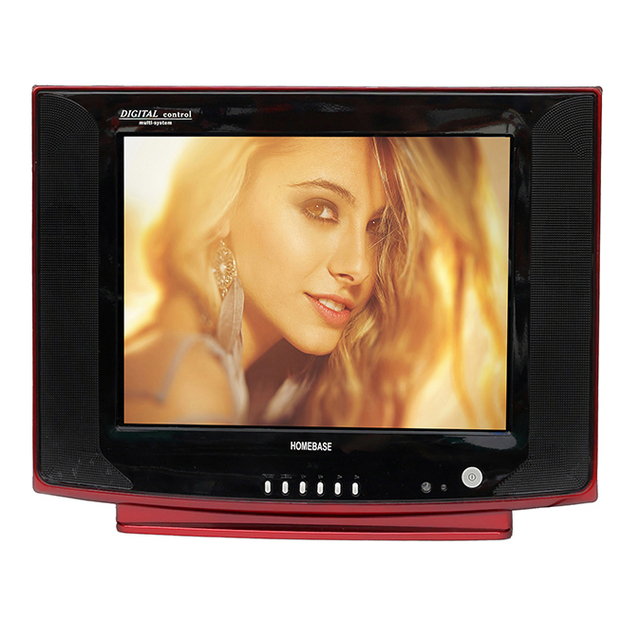
* Niche Production: While major brands exited CRT production by 2012, there is still a small wholesale market for new or OEM CRT TVs (primarily 21-inch) targeting specific developing regions or niche retro-style monitor needs. AlibabaAlibaba
* Pricing: Modern 21-inch CRT units are available at wholesale for $26–$39/piece (MOQ 100+), featuring flat-screen tubes and simplified internal components. AlibabaAlibaba
Here are the historical and current insights for 90s big screen TVs. You can explore further with:
Refurbished Crt Tv Wholesale
Products · 2 lists

Related Searches
Explore more sourcing topics & related categories
Sources & References
22 sources cited · Verified industry data & reports
Large-screen television technology
Wikipedia
Large-screen television technology (colloquially big-screen TV) developed rapidly in the late 1990s and 2000s. Recent technologies like organic light-emitting ...
How have TV prices changed over the years?
WBAL-TV
Discover the history of television innovation and how much consumers really spent to keep up with the latest technology, from the 1930s to the 2010s.

The Evolution ofFlat Panel TV Technology
Circuit Cellar
TV display technology changed dramatically from the late 1980s to the early 1990s when the so-called flat panel displays (FPDs) started to appear.

On the Transforming of the TV Market
IFA Innovation For All
Demand for large-screen TVs, particularly those over 70 inches, is growing rapidly, Even screens above 90 inches already hold a 3% share of global revenue2.

Why Were We So Obsessed With Big-Screen TVs in the ...
MEL Magazine
While the rear-projection big screen TV would never replace the far-cheaper CRT sets, in the 1990s they reached their height in popularity as ...

The evolution of the television is a journey ...
Facebook · African History Group
In the 1950s, color TV revolutionized the viewing experience, and by the 1990s, flat-screen LCDs and plasma TVs became the norm. Fast forward to ...