Ai Integrity
Overview
Product sourcing insights & recommendations

I have completed a comprehensive B2B sourcing report for AI integrity and governance services on Alibaba.com. The analysis highlights that while the platform primarily focuses on hardware, it has become a significant hub for compliance auditing and technical verification services, particularly for AI exporters targeting the European market.
Key findings include:
- ISO 42001 as the Benchmark: It is the primary international framework for managing AI risks, with compliance costs ranging from $50,000 to $200,000+.
- Bias Detection Integration: Detection is integrated into the System Lifecycle Controls, requiring proactive algorithmic fairness testing and data governance.
- Top Sourcing Partners: Identified several reputable third-party auditing firms and compliance automation platforms available for B2B engagement.
Please refer to the detailed report below for implementation timelines, specific bias detection methodologies, and recommended service providers.
I've outlined the core sourcing requirements for AI governance. To refine your strategy, you can:
Iso 42001 Certification Consulting
Products · Top picks & verified manufacturers

IQAS Reliable Independent ISO Certification Consulting System Certification Custom ESG Reports Quality Assurance Global Coverage
 INTER Q & A SERVICES, UNIPESSOAL LDA🇩🇪DE2 yrs
Product Certificate Consultants /ce Certification Service
 Nanjing Marsky Inspection Certification Co., Ltd.🇨🇳CN13 yrs
Product Certificate Consultants /ce Certification Service
 Nantong Leno Inspection Technology Co., Ltd.🇨🇳CN8 yrs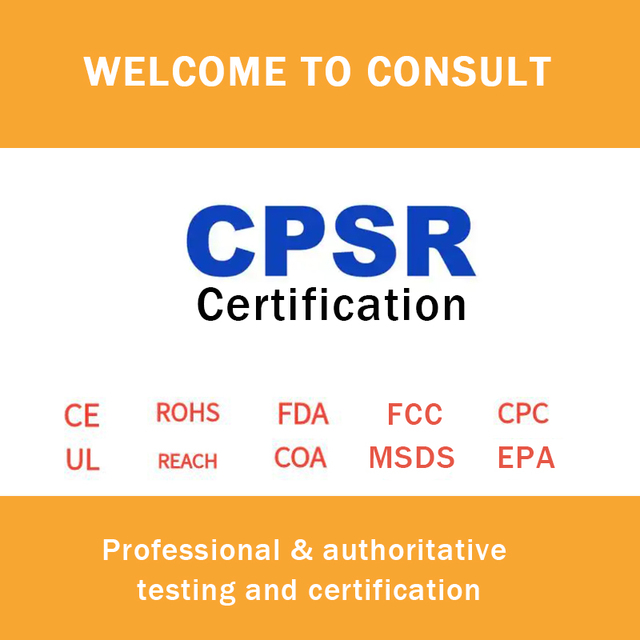
CPSR CPNP FCC, FDA, EPA, UL ,TELA, IEC, CEC Product Certification Consultant/CE/FCC/FDA Certification Service
 Yiwu Bosheng International Logistics Co., Ltd.verified🇨🇳CN3 yrs
CPSR CPNP FCC, FDA, EPA, UL ,TELA, IEC, CEC Product Certification Consultant/CE/FCC/FDA Certification Service
Deep Dive · Full Report
Full Market Report
1 document · Live-fetched from source
Related Searches
Explore more sourcing topics & related categories
Sources & References
10 sources cited · Verified industry data & reports
AI Software Export Standards Guide 2026
Alibaba.com
ISO 42001 certification costs range from $50K to $200K. The ISO 42001 standard, published in 2023, represents the first internationally certifiable AI ...
ISO - ISO/IEC 42001 explained
www.iso.org
As artificial intelligence becomes part of everyday business operations, many organizations are looking for clarity on AI governance and compliance. Common questions include: ... This guide explains ISO/IEC 42001 in clear terms and shows how organizations can use it to manage AI systems responsibly and consistently. An AI management system is a structured set of policies, processes and controls that help organizations govern how AI systems are designed, developed, deployed and used. In practice, an AI management system helps organizations: ... ISO/IEC 42001 provides a common framework for managing AI systems consistently across an organization. AI compliance is becoming a priority for organizations operating in regulated or high-risk environments. ISO/IEC 42001:2023 provides the first internationally recognized framework for managing AI systems responsibly. It helps organizations govern AI use, manage risks, support compliance and build trust in AI-driven processes. ISO/IEC 42001 is part of a growing ecosystem of ISO/IEC AI standards. It provides the management system foundation that can be supported by other standards addressing AI concepts, terminology, risk management and governance.
ISO/IEC 42001:2023 - AI management systems
www.iso.org
ISO/IEC 42001 is the world’s first AI management system standard, providing valuable guidance for this rapidly changing field of technology. It addresses the unique challenges AI poses, such as ethical considerations, transparency, and continuous learning. For organizations, it sets out a structured way to manage risks and opportunities associated with AI, balancing innovation with governance. ISO has a number of standards that help mitigate the risks and maximize the rewards of AI, including ISO/IEC 22989, which establishes terminology for AI and describes concepts in the field of AI; ISO/IEC 23053, which establishes an AI and machine learning (ML) framework for describing a generic AI system using ML technology; and ISO/IEC 23894, which provides guidance on AI-related risk management for organizations. ISO/IEC 42001 on the other hand is a management system standard (MSS). Implementing this standard means putting in place policies and procedures for the sound governance of an organization in relation to AI, using the Plan‐Do‐Check‐Act methodology. It therefore provides value for any business or entity. ... Enhance your organization's AI management and information security with this comprehensive standards package. ... Build trust in AI Get the responsible AI governance and impact standards package: ISO/IEC 42001 and ISO/IEC 42005 - your essential toolkit for ethical, compliant, and trustworthy AI. Designed to cover the various aspects of artificial intelligence and the different applications an organization may be running, it provides an integrated approach to managing AI projects, from risk assessment to effective treatment of these risks. Responsible AI: ensures ethical and responsible use of artificial intelligence. Reputation management: enhances trust in AI applications. AI governance: supports compliance with legal and regulatory standards.
ISO 42001: The AI Compliance Certification Guide For Enterprise ...
www.alation.com
Risk management: The EU AI Act requires providers of high-risk systems to run a risk management system across the AI lifecycle. ISO 42001 requires the same through its risk assessment and treatment clauses. Data governance: The EU AI Act sets requirements for training, validation, and testing data quality. ISO/IEC 42001 defines the requirements for an AI management system (AIMS) as: the set of policies, processes, and controls an organization puts in place to govern how it designs, develops, deploys, and uses its AI systems.3 AIMS runs on the same Plan-Do-Check-Act cycle as other ISO management-system standards, like Alation AI Governance is designed to be the system of record for that work, so the approvals, evidence, and ownership an auditor asks for are a live record rather than a deck assembled the week before the audit committee meets. Certification confirms your AI management system was sound on the day it was examined. Keeping it sound every day after is a different discipline, and it's the one the closing section of this guide comes back to. ISO 42001 requires an accredited third-party auditor because self-attestation can't be trusted to catch what actually goes wrong with AI, like bias, explainability gaps, and ungoverned model changes. CIOs, CDAOs, and the compliance leads scoping an AI program often assume information-security certification already covers AI risk, since both are ISO management-system standards built on the same underlying structure. It doesn't. ISO 27001 secures your data, and ISO 42001 governs what your AI does with it.
Responsible AI Governance and ISO 42001 Explained
www.schellman.com
Accreditation helps reduce conflicts of interest and ensures certifications represent meaningful governance maturity rather than symbolic compliance. ISO 42001 does not resolve every policy question related to AI. However, it provides an internationally recognized framework for governing AI responsibly, classifying and managing risk, addressing bias, and enabling independent evaluation. This means if you are obligated to comply with other regulations based on where you operate business, such as the EU AI Act or US state-level regulations, you can scope your ISO certification in a way that ensures the disciplines are consistent and aligned with those regulatory compliance requirements. ISO 42001 addresses recurring challenges organizations face when deploying AI at scale, including unclear accountability, inconsistent risk assessments—particularly around bias and unintended impacts—limited transparency in governance, and weak lifecycle management as systems evolve. From a customer trust and transparency standpoint, the standard shifts discussions away from general claims about responsible AI toward verifiable and auditable governance practices. In summary, key benefits of ISO 42001 certification include enhanced stakeholder trust, strengthened brand reputation, stronger risk management, increased operational efficiency, and streamlined regulatory readiness and compliance. For policymakers, understanding how such governance standards function may help inform discussions around accountability, transparency, oversight of high-risk AI uses at the state level, and ultimately helping to build public trust. For organizations, understanding the importance, compliance requirements and audit process behind ISO 42001 is a critical step in determining whether the standard aligns with their AI risk profile, regulatory obligations, and long-term governance strategy.
ISO 42001 Certification for AI Governance | A-LIGN
www.a-lign.com
From guides to whitepapers, we've got the resources to move your compliance program forward. View resources ... ISO 42001 is the world’s first international standard for AI Management Systems (AIMS). It provides organizations that develop, deploy, or use AI with a framework for managing AI-related risks, ensuring transparency and accountability, and addressing ethical, privacy, and safety concerns. As AI regulation evolves, ISO 42001 is a key benchmark for responsible AI governance. The ISO 42001 assessment validates an organization’s conformity of their AI Management System (AIMS) with the documented standards and provides assurance regarding the security of AI systems and data. ... A-SCEND combines human expertise and robust processes with powerful technology to help you achieve compliance, grow your business, and expand into new markets without sacrificing rigor. While both ISO 42001 and the EU AI Act share common objectives around risk-based AI governance, transparency, and accountability, the certification does not constitute legal compliance with the EU AI Act. ISO 42001 provides a recognized, third-party validated signal that AI systems are being continuously managed and improved. The proliferation of AI technology across industries and geographies is changing how organizations will compete. ISO 42001 sets clients apart from competitors who are still figuring out their AI governance story.