Air Conditioner Control

Overview
Product sourcing insights & recommendations


I have conducted a comprehensive analysis of the air conditioner control market and product trends for 2026. The industry is currently shifting toward AI-driven automation, Matter-compatible ecosystems, and decarbonization through heat pump adoption.
The smart air conditioner market is projected to grow significantly, reaching approximately $35 billion by 2030 with an 11.2% CAGR. Consumer demand is heavily focused on energy transparency, geofencing, and integrated air purification.
The attached report provides a detailed breakdown of:
- Market Dynamics: Growth projections and regional demand spikes.
- Technical Innovations: AI diagnostics, predictive maintenance, and the transition to low-GWP refrigerants.
- Consumer Behavior: Insights into "green-labeled" preferences and automated temperature control.
- Sourcing Opportunities: A curated selection of retrofit IR controllers and commercial central control panels from verified manufacturers.
I have synthesized the latest market trends and product insights for you. Would you like to:
Smart Ac Controller Thermostat With Humidity Sensor Geofencing
Products · 3 lists
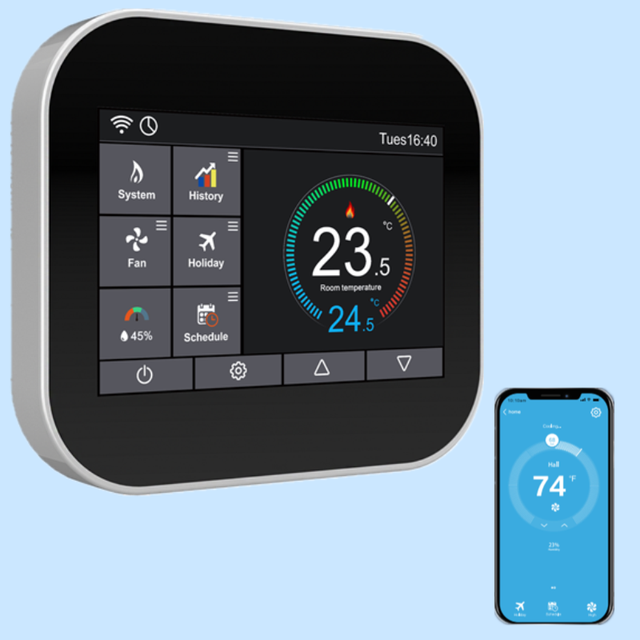
24V Smart Touch Screen air Conditioner Thermostat
 Beijing Brade Controls Tech Co., Ltd.🇨🇳CN11 yrs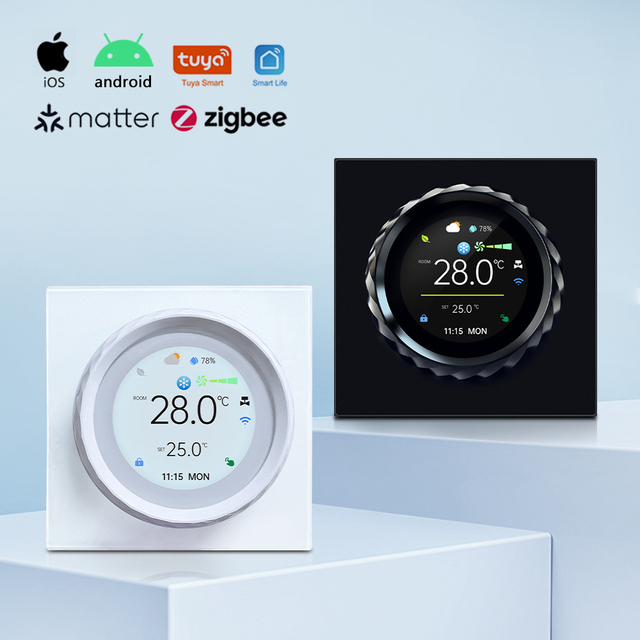
High-Precision Smart Thermostat Touchscreen & Voice Control, Compatible with Alexa/Google Home, for HVAC Systems Smart Switch
 Guangzhou Senergy Technology Co., Ltd.verified🇨🇳CN4 yrs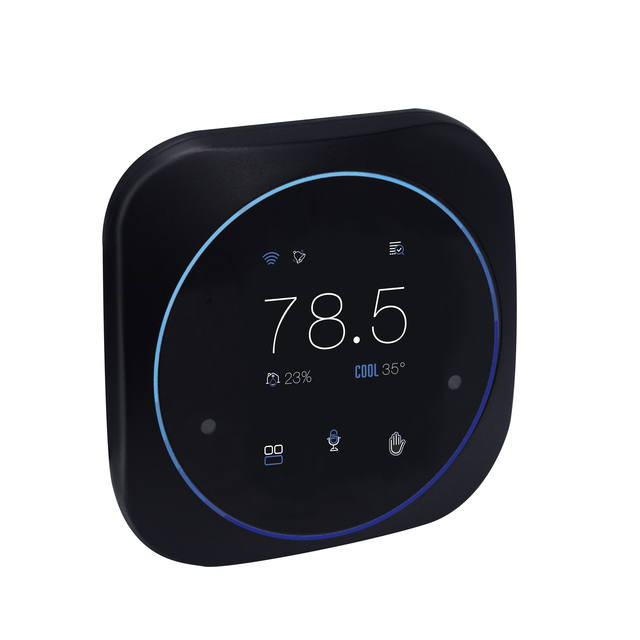
Smart air Conditioner Controller Wifi Thermostat 24V
 Shenzhen Saswell Technology Inc.🇨🇳CN9 yrs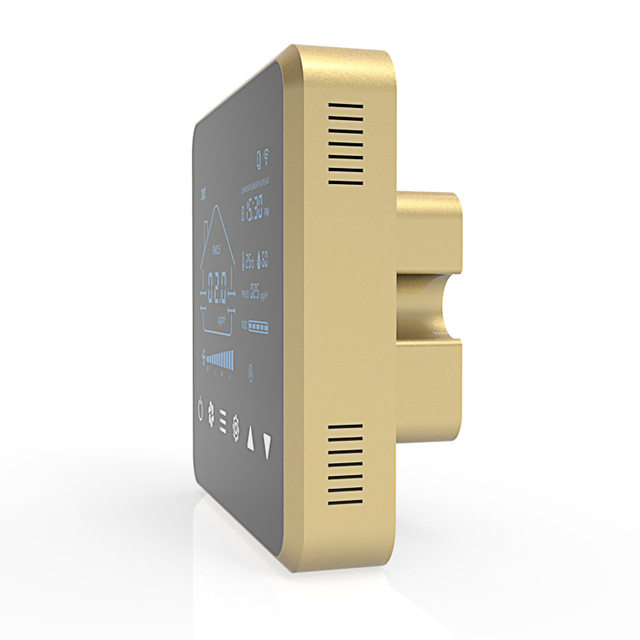
WIFI Control Zigbee Wifi Smart Thermostat Temperature Controller for Electronics Water Gas Boiler Floor Ground Heating Works With Alexa TUYA App
 Suzhou MIA Intelligent Technology Co., Ltd.🇨🇳CN8 yrs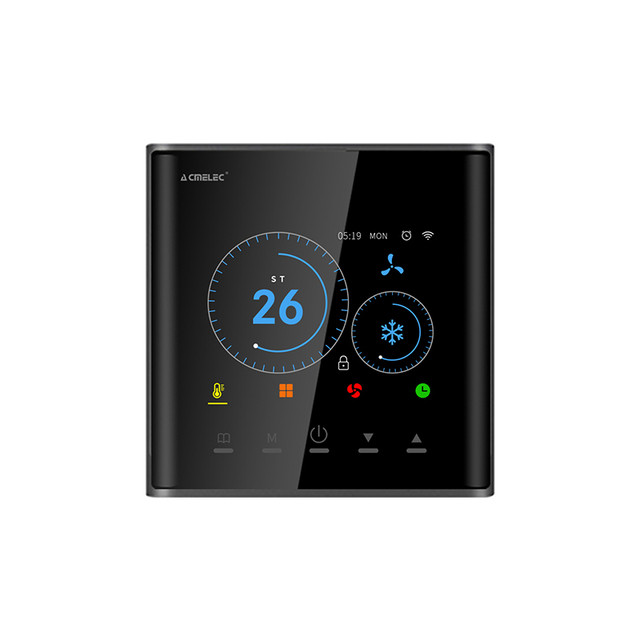
VRF Toshiba Tuya Wifi Air Conditioner Smart Thermostat for Google Home Alexa DuerOS WIFI
 Nanjing Ikrey Network Technology Co., Ltd.🇨🇳CN6 yrs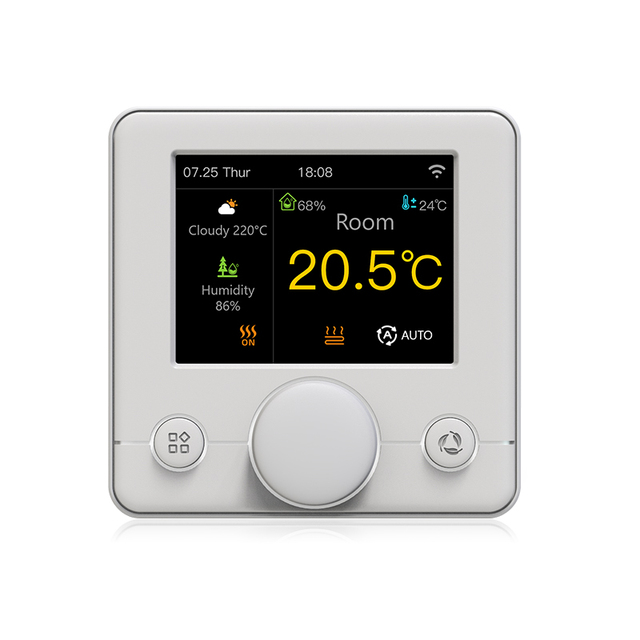
R7C Real-time Weather Forecast Super IPS Display Smart Home Wi-Fi Thermostat Temperature Controller 16A Anti-Flammable PC
 Yueqing Kinhenry Industrial Co., Ltd.🇨🇳CN9 yrs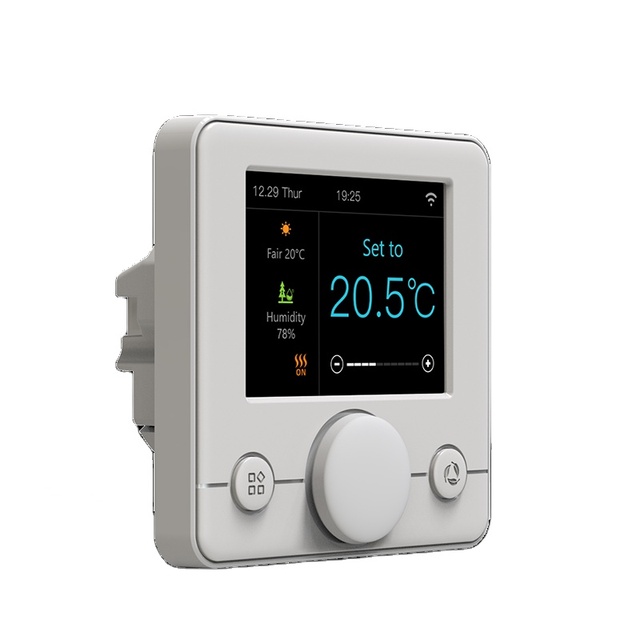
Tuya WiFi Zigbee Control Smart Home Knob Thermostat Radiant Zone Heating Electric Underfloor Heating
 Chengdu Anlt Thermal Technology Co., Ltd.🇨🇳CN17 yrs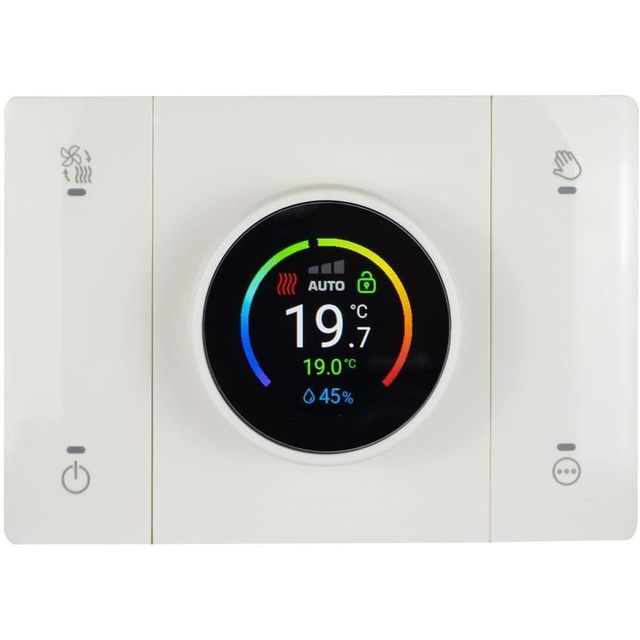
Domus Smart Thermostat T44 230V White App Control TFT Display Plastic IP20
 Planet Shop S.r.l.🇮🇹IT1 yr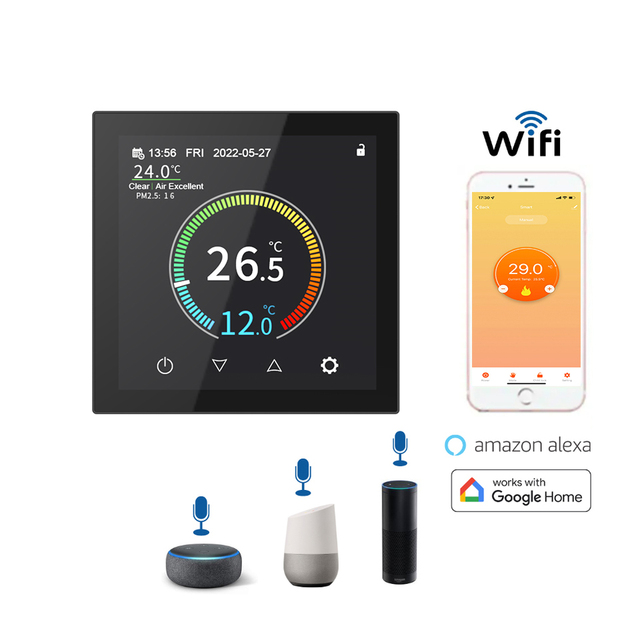
Exquisite TFT LCD Panel Room Thermostat Large Touch Full-Color Underfloor Heating Water Application ABS Material WIFI
 Xiamen Double Well Technology Co., Ltd.🇨🇳CN8 yrs
Exquisite TFT LCD Panel Room Thermostat Large Touch Full-Color Underfloor Heating Water Application ABS Material WIFI
Deep Dive · Full Report
Full Market Report
1 document · Live-fetched from source
Related Searches
Explore more sourcing topics & related categories
Sources & References
27 sources cited · Verified industry data & reports
Global HVAC 2026 trends
cooperandhunter.com
The HVAC industry trends in 2026 reflect a global shift toward efficient, healthy, and technology-enabled indoor climate control systems.
HVAC System Market Size, Trends and Forecast 2026 ...
The Business Research Company
The hvac system market size has grown strongly in recent years. It will grow from $189.81 billion in 2025 to $202.05 billion in 2026 at a compound annual growth ...

HVAC Trends in 2026: Electrification, Refrigerants, and ...
LG
The HVAC industry in 2026 is undergoing a structural shift shaped by electrification, refrigerant regulation, and rising efficiency standards.

Air Conditioning Systems Market Size Report, 2026-2033
Grand View Research
Air conditioning systems market size was valued at $105.1B in 2025 and is projected to grow from $112.7B in 2026 to $183.0B by 2033, at a CAGR of 7.2%

Air Conditioning System Market Size & Share 2026-2035
Global Market Insights Inc.
The market is expected to grow from USD 206.6 billion in 2026 to USD 361.2 billion in 2035, at a CAGR of 6.4% according to latest report published by Global ...

Looking Ahead: 2026 HVAC Trends
LinkedIn · Matt Green
The commercial HVAC sector is entering a pivotal phase heading into 2026. Driven by regulatory pressure, escalating energy costs, ...